
California, a land of diverse landscapes from the sun-drenched beaches of San Diego to the majestic peaks of Yosemite National Park, attracts millions each year, whether for a dream vacation, a new beginning, or a long-term stay. For anyone planning to hit the open road, cruise the Pacific Coast Highway, or simply commute through cities like Los Angeles or San Francisco, understanding the cost of car registration is an essential part of budgeting for life or an extended trip in the Golden State. It’s more than just a formality; it’s a necessary step that impacts everything from your ability to explore hidden gems to your daily routine.
The Department of Motor Vehicles (DMV) in California manages vehicle registration, and the fees associated with it are not a one-size-fits-all figure. They can vary significantly based on several factors, including the type of vehicle, its value, its age, and even your specific location within the state. For many, especially those relocating from other states or considering purchasing a vehicle here, these costs can seem complex and, at times, surprisingly high. However, by breaking down the components, anticipating potential additional expenses, and utilizing available resources, you can gain a clear picture and avoid any unwelcome surprises. This guide aims to demystify the process, offering insights that are invaluable for anyone looking to budget effectively for their California adventure or permanent residence.
Understanding the Core Components of California Car Registration
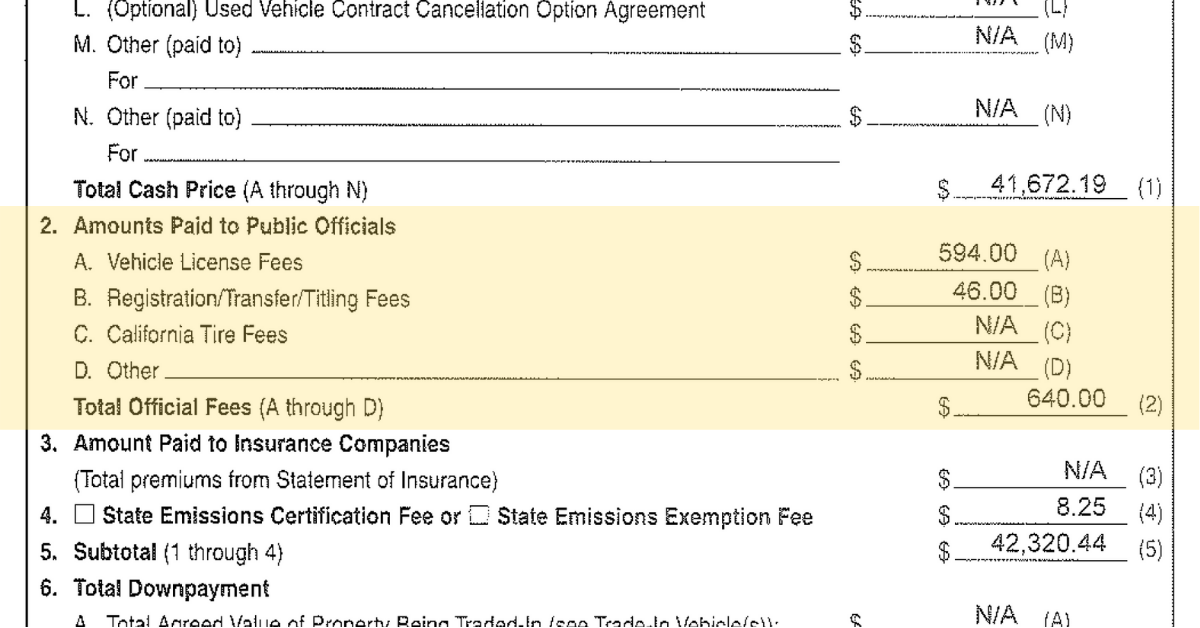
When you register a vehicle in California, you’re not paying a single flat fee. Instead, the total cost is an aggregation of several individual charges, each serving a specific purpose, from funding state services to supporting environmental initiatives. Recognizing these core components is the first step toward understanding your overall financial obligation.
The Base Registration Fee
Every vehicle registered in California is subject to a base registration fee. This is a fixed amount that contributes to the general fund of the state and supports various government operations. While this fee is relatively consistent for most standard vehicles, it’s the foundation upon which all other charges are built. Currently, this fee stands at $58. While seemingly modest on its own, it’s just the starting point. This fee is non-negotiable and applies to all passenger vehicles, motorcycles, and commercial vehicles. It covers the administrative costs associated with maintaining vehicle records and issuing registration cards and license plates.
Vehicle License Fee (VLF)
The Vehicle License Fee, or VLF, is often the most significant component of your annual registration cost. Unlike the base registration fee, the VLF is not a fixed amount; it is calculated based on a percentage of your vehicle’s market value. Specifically, it’s 0.65% of the vehicle’s value. The DMV determines this value by taking the manufacturer’s suggested retail price (MSRP) of the vehicle, reducing it by a depreciation schedule over 11 years. Newer, more expensive vehicles will naturally incur a higher VLF than older, less valuable ones. This fee is collected in lieu of a personal property tax on vehicles and is primarily allocated to local governments to fund services like police and fire protection, road maintenance, and public health initiatives. This is where the price tag of your car, whether it’s a luxury sedan you drive through Beverly Hills or a reliable SUV for family trips to Disneyland, truly begins to impact your annual costs.
Weight Fees and Commercial Vehicles
For commercial vehicles and certain non-commercial vehicles weighing over a specific threshold, additional weight fees apply. These fees are designed to offset the increased wear and tear that heavier vehicles inflict on roads and infrastructure. If you own a truck, a large SUV, or any vehicle used for commercial purposes (even if it’s primarily for personal use but classified as commercial due to its gross vehicle weight rating), you’ll likely face these extra charges. The fee structure is progressive, meaning the heavier the vehicle, the higher the fee. This is a critical consideration for small business owners in places like Silicon Valley or those in agricultural regions, as well as for those planning extended road trips across the state with larger recreational vehicles (RVs) to destinations like Lake Tahoe or Death Valley National Park. These fees ensure that the burden of maintaining roads is equitably distributed among all vehicle owners.
Supplemental Fees: Air Quality and Transportation Initiatives
California is renowned for its commitment to environmental protection and improving infrastructure. As such, several supplemental fees are included in your registration to support these initiatives. These often include:
- Transportation Improvement Fee (TIF): This fee varies based on the value of your vehicle and helps fund repairs and improvements to the state’s transportation infrastructure, including roads, bridges, and public transit. It can range from $25 to $175 annually, depending on your car’s valuation.
- California Highway Patrol (CHP) Fee: A fixed fee of $29 dedicated to funding the operations of the California Highway Patrol, ensuring road safety throughout the state.
- County/District Fees: Depending on where your vehicle is primarily garaged, you might pay additional fees for local programs, such as air quality management districts, vehicle theft deterrence programs, or specific transportation projects in your county (e.g., in the Bay Area or Orange County). These fees are typically smaller, often in the range of $1-$20, but they add to the total.
- Smog Abatement Fee (if applicable): For certain vehicles exempt from smog checks (e.g., newer vehicles), an annual smog abatement fee of $20 may be charged instead.
These supplemental fees reflect California’s proactive approach to addressing environmental challenges and maintaining a robust infrastructure, making them a significant, albeit often overlooked, part of your annual registration bill.
Beyond the Basics: Additional Costs and Considerations
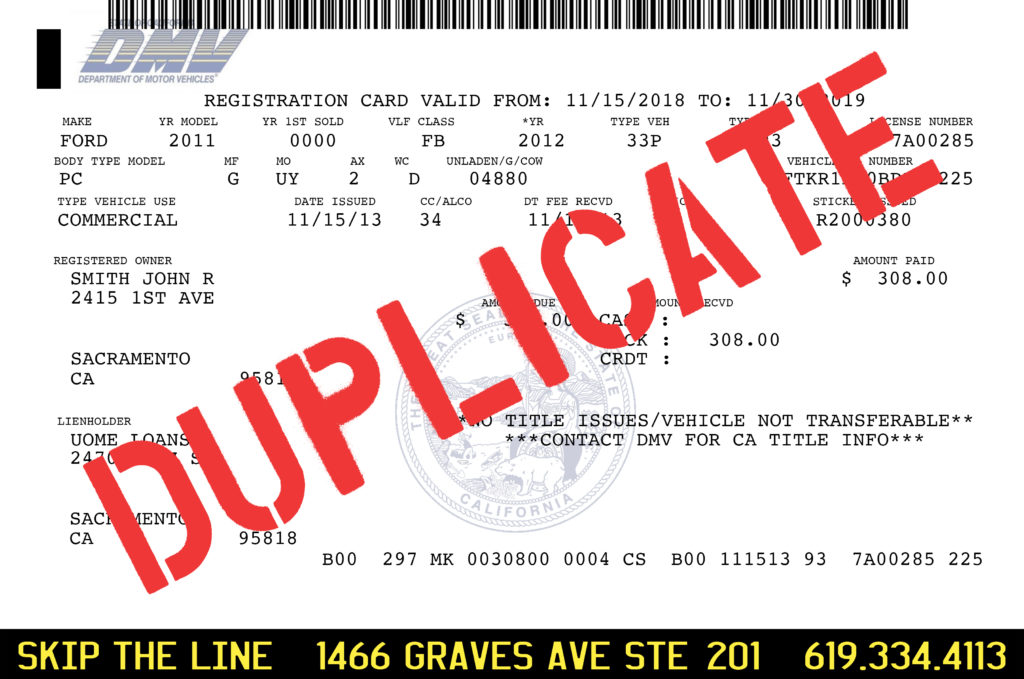
While the core components form the bulk of your registration costs, there are other potential expenses and factors that can influence your total outlay. Being aware of these additional considerations is crucial for comprehensive financial planning, especially when contemplating a move or purchasing a vehicle in California.
Smog Checks: Environmental Compliance
California has some of the strictest emission standards in the nation, and regular smog checks are a cornerstone of its air quality efforts. Most vehicles registered in the state are required to undergo a smog inspection every two years, or when being sold, or when brought into the state from another state. Newer vehicles (usually six years old or newer, excluding hybrids and electric vehicles) are generally exempt from the biennial smog check but pay an annual smog abatement fee. The cost of a smog check itself is paid directly to a licensed smog station and typically ranges from $30 to $80, depending on the station and the type of vehicle. This isn’t a DMV fee, but it’s a mandatory expense directly linked to maintaining your vehicle’s legal status on California roads. Failing a smog check can lead to additional repair costs, further impacting your budget. This is particularly important for residents in urban centers like Sacramento, where air quality initiatives are often highly emphasized.
Late Penalties: The Cost of Procrastination
The DMV is quite strict about timely renewals. If you fail to renew your vehicle registration before its expiration date, you will incur late penalties. These penalties accrue rapidly and can significantly increase your overall cost. The late penalty includes a percentage of the VLF, the CHP fee, and a base penalty fee. For instance, a delay of even one day can result in a penalty that continues to grow with each passing month. It’s a costly oversight that can easily be avoided by setting reminders and renewing promptly, whether online, by mail, or in person at a DMV office. The exact penalty structure involves adding a percentage of the VLF and CHP fees, plus a flat late fee that increases the longer the registration is overdue. For example, a delay of 1-9 days might add $10 and 10% of the VLF/CHP fees, while a delay of 1 year or more could add $100 and 100% of the VLF/CHP fees.
Special Plates and Personalized Options
For those who wish to add a personal touch to their vehicle, California offers a variety of special license plates, including personalized plates, organizational plates (e.g., supporting veterans, arts, or environmental causes), and historical plates. While these can certainly express your individuality, they come with additional costs. Personalized plates typically have an initial fee of around $53 and an annual renewal fee of about $43. Special interest plates also have initial and annual renewal fees, usually ranging from $50 to $100, with a portion often benefiting the specific cause. While these are optional expenses, they are a common choice for many California drivers and should be factored into the budget if you plan to customize your vehicle’s appearance.
Sales Tax and Out-of-State Transfers
When purchasing a vehicle in California, you’ll also pay state sales tax on the purchase price. This is not strictly a registration fee but is a significant upfront cost tied to vehicle ownership. The statewide sales tax rate is currently 7.25%, but local district taxes can push this higher, reaching over 10% in some areas like Santa Monica or Napa Valley. If you’re bringing a vehicle from out of state, you might be subject to a “use tax” if you haven’t paid sales tax in another state, or if the tax paid was less than what California would charge. Additionally, out-of-state vehicles require a physical inspection by the DMV or a certified inspector to verify the Vehicle Identification Number (VIN) and ensure it meets California emission standards. This process can sometimes uncover issues that require repairs before registration can be completed, adding unexpected expenses.
How to Calculate Your California Car Registration Costs
Estimating your car registration costs in California doesn’t have to be a guessing game. The DMV provides tools and resources, and understanding the influencing factors can help you arrive at a fairly accurate estimate.
Online Tools and Resources: The DMV Calculator
The most reliable way to estimate your registration fees is by using the official California DMV online fee calculator. This tool allows you to input details about your vehicle (such as type, make, model, year, and estimated value) and your location to generate a personalized estimate. It’s especially useful for new residents or those considering purchasing a new or used car, as it factors in the various components, including the VLF depreciation schedule and applicable district fees. While it provides an estimate, it is typically very close to the actual amount you will owe.
Factors Influencing Your Total: Age, Value, and Location
As discussed, several key factors significantly influence your total registration cost:
- Vehicle Age: Older vehicles generally have lower VLF due to depreciation.
- Vehicle Value: The higher the MSRP and current market value, the higher the VLF.
- Vehicle Type: Commercial vehicles and large trucks incur weight fees, increasing costs. Electric vehicles (EVs) may have different fees or exemptions for certain charges, but they still pay the base registration and TIF.
- County of Residence: District-specific fees vary by county. For example, a resident in the Bay Area might pay slightly different district fees than someone in rural Northern California.
Example Scenarios: From a Compact Car to an RV
Let’s consider a few hypothetical scenarios to illustrate the range of costs:
-
Scenario 1: 5-year-old Honda Civic (Estimated Value $15,000)
- Base Registration Fee: $58
- VLF (0.65% of depreciated value): ~$70
- CHP Fee: $29
- TIF (for a vehicle valued $15,000-$24,999): $100
- District Fees (e.g., Los Angeles County): ~$20
- Total Estimated Annual Registration: ~$277 (not including smog check every two years)
-
Scenario 2: New Tesla Model 3 (Estimated Value $45,000)
- Base Registration Fee: $58
- VLF (0.65% of new value): ~$292
- CHP Fee: $29
- TIF (for a vehicle valued $35,000-$49,999): $150
- Smog Abatement Fee (as new EV is exempt from biennial smog): $20
- District Fees: ~$20
- Total Estimated Annual Registration: ~$569
-
Scenario 3: 10-year-old F-250 Pickup Truck (Estimated Value $20,000, Commercial use)
- Base Registration Fee: $58
- VLF (0.65% of depreciated value): ~$90
- CHP Fee: $29
- TIF (for a vehicle valued $15,000-$24,999): $100
- Weight Fees (e.g., for 10,000 lbs Gross Vehicle Weight): ~$300-$500 (highly variable)
- District Fees: ~$20
- Total Estimated Annual Registration: ~$597 – $797 (not including smog check)
These examples highlight the significant variation, primarily driven by the vehicle’s value and type, and underscore the importance of using the DMV calculator for a precise figure.
Streamlining Your Renewal Process and Saving Money
Once you understand the costs, the next step is to efficiently manage the renewal process and, where possible, identify strategies to minimize your expenses. This proactive approach ensures a smoother experience, leaving you more time to enjoy all that California has to offer.
Essential Documents and Preparation
When it comes time to renew your registration, having the correct documents ready can save you time and hassle. Typically, you will need:
- Your renewal notice from the DMV.
- Proof of financial responsibility (auto insurance).
- A valid smog certificate (if required for your vehicle and due this year).
- Payment for the fees.
If you’ve recently moved, ensure your address is updated with the DMV to receive your renewal notice in a timely manner. Keeping an organized folder with all your vehicle-related documents is a simple yet effective way to streamline the renewal process.
Renewal Options: Online, Mail, or In-Person
The California DMV offers several convenient ways to renew your registration:
- Online: This is often the quickest and easiest method. You can renew through the official DMV website using your renewal notice information.
- Mail: You can mail your renewal notice and payment to the address provided on the form. Allow ample time for processing to avoid late penalties.
- In-Person: Visit a DMV field office. While this option can involve longer wait times, it’s necessary if you have complex issues or prefer direct assistance. Appointments are highly recommended for in-person visits to locations like the Sacramento DMV or offices in Orange County.
- Third-Party Providers: Many licensed vehicle registration services can also process renewals, often for a small convenience fee, which can be a time-saver.

Strategies for Minimizing Registration Expenses
While many fees are mandatory, there are a few ways to potentially keep your costs down:
- Consider vehicle value: When purchasing a car, remember that its MSRP will directly impact your VLF. A slightly older or less luxurious model can lead to significant savings over time.
- Maintain your vehicle: Regularly servicing your car can help it pass smog checks on the first attempt, avoiding costly retests and repairs.
- Renew on time: This is perhaps the easiest way to save. Set calendar reminders or sign up for DMV email alerts to ensure you never miss a renewal deadline and incur late penalties.
- Explore vehicle-specific benefits: Keep an eye on any potential legislative changes that might offer fee reductions or exemptions for certain vehicle types, such as electric vehicles or low-emission vehicles, although these are subject to change.
Connecting Car Registration to Your California Lifestyle and Travel Plans
Understanding car registration costs is more than just a bureaucratic hurdle; it’s an integral part of experiencing the California lifestyle. Whether you’re planning a scenic road trip along Big Sur, commuting to work in Silicon Valley, or simply enjoying the local attractions in Hollywood, having your vehicle legally registered and budgeted for ensures peace of mind. For those considering long-term accommodation or even a permanent move to the Golden State, these costs are a recurring expense that should be factored into your overall cost of living. From exploring the vibrant culture of San Francisco to relaxing on the beaches of Santa Monica, your vehicle is your key to unlocking the full potential of this incredible state. By being informed and prepared, you can navigate the financial aspects of vehicle ownership efficiently, leaving you free to focus on the unforgettable experiences that await you in California.
LifeOutOfTheBox is a participant in the Amazon Services LLC Associates Program, an affiliate advertising program designed to provide a means for sites to earn advertising fees by advertising and linking to Amazon.com. Amazon, the Amazon logo, AmazonSupply, and the AmazonSupply logo are trademarks of Amazon.com, Inc. or its affiliates. As an Amazon Associate we earn affiliate commissions from qualifying purchases.