
The humble “Boston butt,” a term that conjures images of smoky kitchens and slow-cooked perfection, is more than just a cut of pork. It’s a cornerstone of Southern barbecue, a versatile ingredient for home cooks, and a key player in the economics of butcher shops and grocery stores. Understanding its value requires a journey into its origins, its culinary applications, and the market forces that dictate its price.
The Anatomy of a Boston Butt
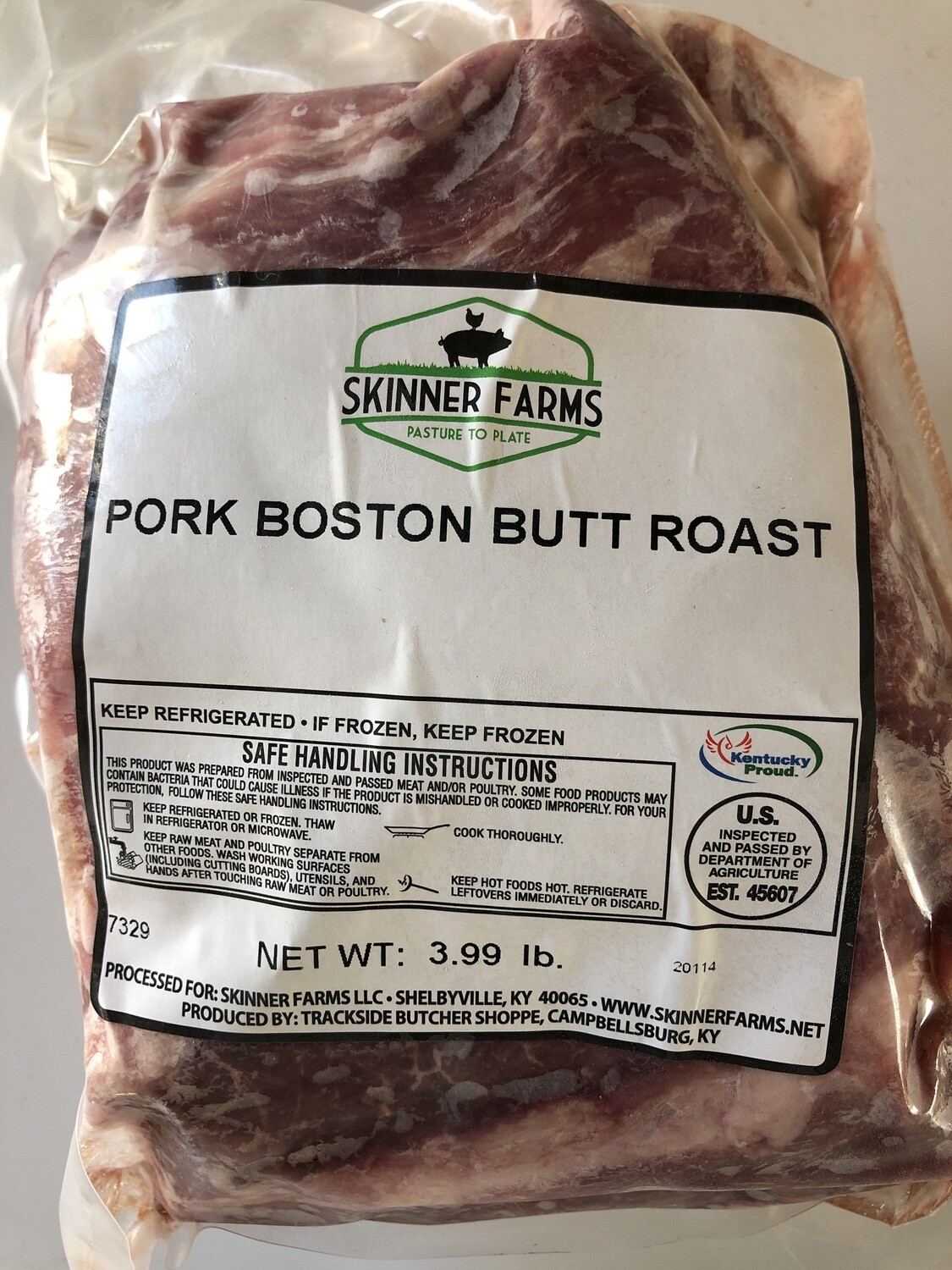
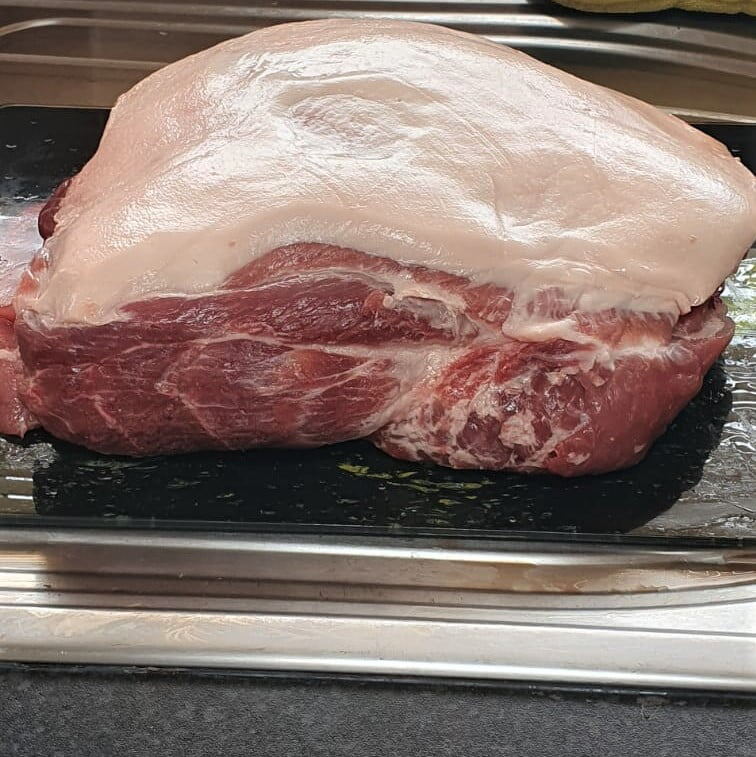
To truly appreciate the cost of a Boston butt, we must first understand what it is. Despite its name, a Boston butt has nothing to do with the city of Boston or the animal’s actual hindquarters. Instead, it is a primal cut from the upper portion of the pig’s shoulder, specifically the section behind the head and above the front leg. This area is characterized by a significant amount of intramuscular fat, or marbling, and connective tissue. It also typically includes the Boston shoulder blade.
What’s in a Name? A Brief Etymology
The name “Boston butt” is believed to have originated during colonial times. Butchers in New England would pack excess pork shoulder into barrels for preservation and transport. These barrels were referred to as “butts,” and the pork shoulder packed within them became known as “Boston butts.” While this explanation is widely accepted, some culinary historians suggest alternative theories, adding a layer of intrigue to this familiar cut.
The Cut’s Characteristics and Culinary Implications
The rich marbling and abundant connective tissue are precisely what make the Boston butt so desirable for slow and low cooking methods like smoking and braising. As these tissues break down over extended periods, they render fat and collagen, resulting in incredibly tender, moist, and flavorful meat. This transformation is what elevates a tough cut into a barbecue masterpiece. The bone-in variety, often containing the shoulder blade, adds even more flavor and moisture during the cooking process. The boneless version offers convenience and easier portioning.
Factors Influencing the Price of a Boston Butt
The cost of a Boston butt is not static; it fluctuates based on a complex interplay of several factors. From the farm to the consumer’s plate, each stage of the supply chain contributes to its final retail price.
Livestock Market Dynamics
The foundational element of pork pricing is the health and economics of the livestock market. The cost of feed (corn and soybeans being primary components), the prevalence of animal diseases like African Swine Fever, and the overall supply of market-ready hogs directly impact the price farmers receive for their animals. When hog supplies are tight or feed costs are high, the cost of pork, including Boston butts, inevitably rises. Conversely, an oversupply of hogs can lead to lower prices.
Processing and Distribution Costs
Once pigs are processed, the costs associated with breaking down the carcasses into primal cuts like the Boston butt add to the overall expense. This includes labor, energy for refrigeration, packaging materials, and transportation to distribution centers and then to retailers. The efficiency of the processing plant and the distance from the processing facility to the point of sale can significantly influence these costs.
Retailer Markup and Location
Supermarkets and butcher shops add their own markups to cover operational expenses, staff wages, marketing, and profit margins. These markups can vary considerably. A high-end butcher shop specializing in artisanal meats might command a higher price for a premium Boston butt than a large chain supermarket. Furthermore, geographic location plays a role. For instance, prices in expensive urban areas like New York City might be higher than in more rural or lower-cost-of-living regions.
Quality and Type of Cut
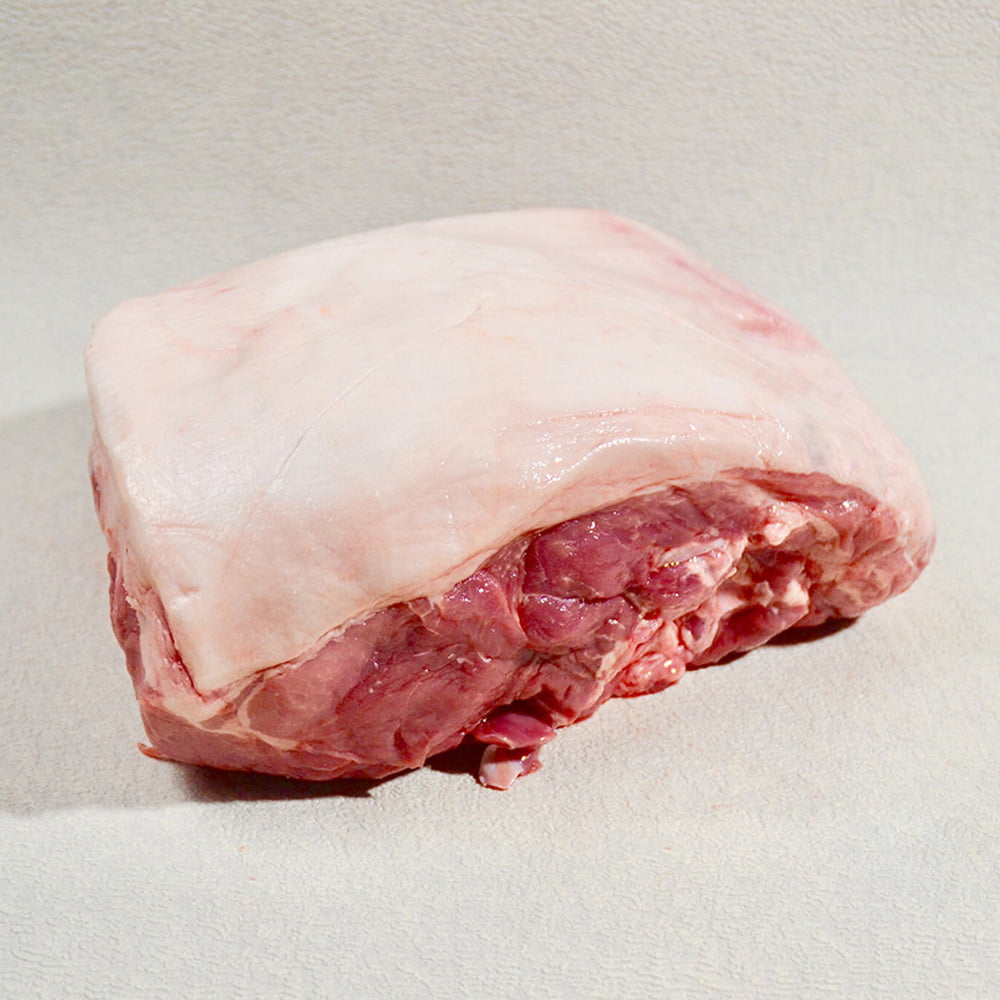
The specific quality of the pork can also affect the price. Options like heritage breeds, organic, or free-range pork will generally come with a higher price tag due to the premium nature of their production. Similarly, whether the Boston butt is sold bone-in or boneless can impact the price per pound. Boneless cuts often command a slightly higher price because they are more convenient for consumers and require less trimming by the retailer.
Seasonal Demand and Promotions
While pork is available year-round, certain times of the year may see increased demand for Boston butts, especially around holidays like Memorial Day and the Fourth of July, which are prime barbecue seasons. Retailers may also run promotions and sales, leading to temporary price reductions.
Typical Pricing and Where to Buy
Pinpointing an exact price for a Boston butt is challenging due to the variables mentioned above. However, a general range can be established. On average, consumers can expect to pay anywhere from $1.99 to $4.99 per pound for a conventional Boston butt. Prices for premium, organic, or specialty varieties can easily exceed this range, sometimes reaching $6.00 to $8.00 per pound or more.
Grocery Stores
Major grocery store chains such as Kroger, Safeway, and Walmart are common places to find Boston butts. Prices here are typically competitive, with frequent sales and loyalty program discounts. Shoppers can usually find both bone-in and boneless options, with prices varying by brand and any ongoing promotions.
Local Butchers and Specialty Meat Markets
For a potentially higher quality cut and more personalized service, local butchers and specialty meat markets are excellent options. While prices might be slightly higher than at large supermarkets, the quality of the meat and the expertise of the butcher can be well worth the investment. These establishments may also carry specific breeds or ethically sourced pork, further influencing the price.
Warehouse Clubs
Clubs like Costco and Sam’s Club often sell Boston butts in larger, bulk packages. While the per-pound price may be lower, the commitment to purchasing a larger quantity is a consideration for budget-conscious shoppers who have the storage space.
Maximizing Value: Tips for Purchasing and Cooking
Once you’ve found your Boston butt, a few strategies can help you make the most of your purchase and ensure a delicious outcome.
Buying Smart
- Shop Sales: Keep an eye on weekly ads from your local grocery stores. Boston butts are frequently featured in barbecue-themed promotions.
- Consider Bone-In: While boneless offers convenience, bone-in Boston butts are often less expensive per pound and yield more flavor. The bone can be easily removed after cooking if desired.
- Buy in Bulk: If you have ample freezer space, purchasing larger Boston butts or multiple butts when they are on sale can offer significant savings.
- Know Your Cuts: Understand the difference between a Boston butt and a pork picnic shoulder (also from the shoulder, but a lower section). While both are good for smoking, the butt typically has better marbling.
Cooking for Flavor and Tenderness
- Low and Slow is Key: The magic of the Boston butt lies in slow cooking. Whether smoking, braising, or slow-cooking in an oven or slow cooker, give it ample time at a low temperature (around 225-275°F for smoking).
- Season Generously: A good rub is essential. Apply it liberally hours, or even a day, before cooking to allow the flavors to penetrate the meat.
- Resting is Crucial: After cooking, allow the Boston butt to rest for at least 30 minutes, and up to an hour, before shredding or slicing. This allows the juices to redistribute throughout the meat, ensuring maximum moistness and tenderness.
- Utilize the Fat: Don’t discard all the rendered fat. It can be a fantastic flavor enhancer for sauces, gravies, or even for crisping up the shredded pork.
The price of a Boston butt is a reflection of its journey from farm to fork, influenced by market conditions, processing, retail strategies, and its inherent culinary value. By understanding these factors, consumers can make informed purchasing decisions and unlock the full, delicious potential of this iconic cut of pork. Whether you’re a seasoned pitmaster or a novice cook, the Boston butt offers an accessible and rewarding culinary experience, proving that sometimes, the most valuable cuts come with the most flavorful stories.
LifeOutOfTheBox is a participant in the Amazon Services LLC Associates Program, an affiliate advertising program designed to provide a means for sites to earn advertising fees by advertising and linking to Amazon.com. Amazon, the Amazon logo, AmazonSupply, and the AmazonSupply logo are trademarks of Amazon.com, Inc. or its affiliates. As an Amazon Associate we earn affiliate commissions from qualifying purchases.