
Understanding the standard checkout times at hotels is crucial for a seamless travel experience. Whether you’re a seasoned globetrotter or embarking on your first major trip, knowing when you need to vacate your room can prevent last-minute rushes, unexpected fees, and unnecessary stress. This guide delves into the common practices, influencing factors, and tips for managing your hotel checkout.
The Standard Hotel Checkout Time
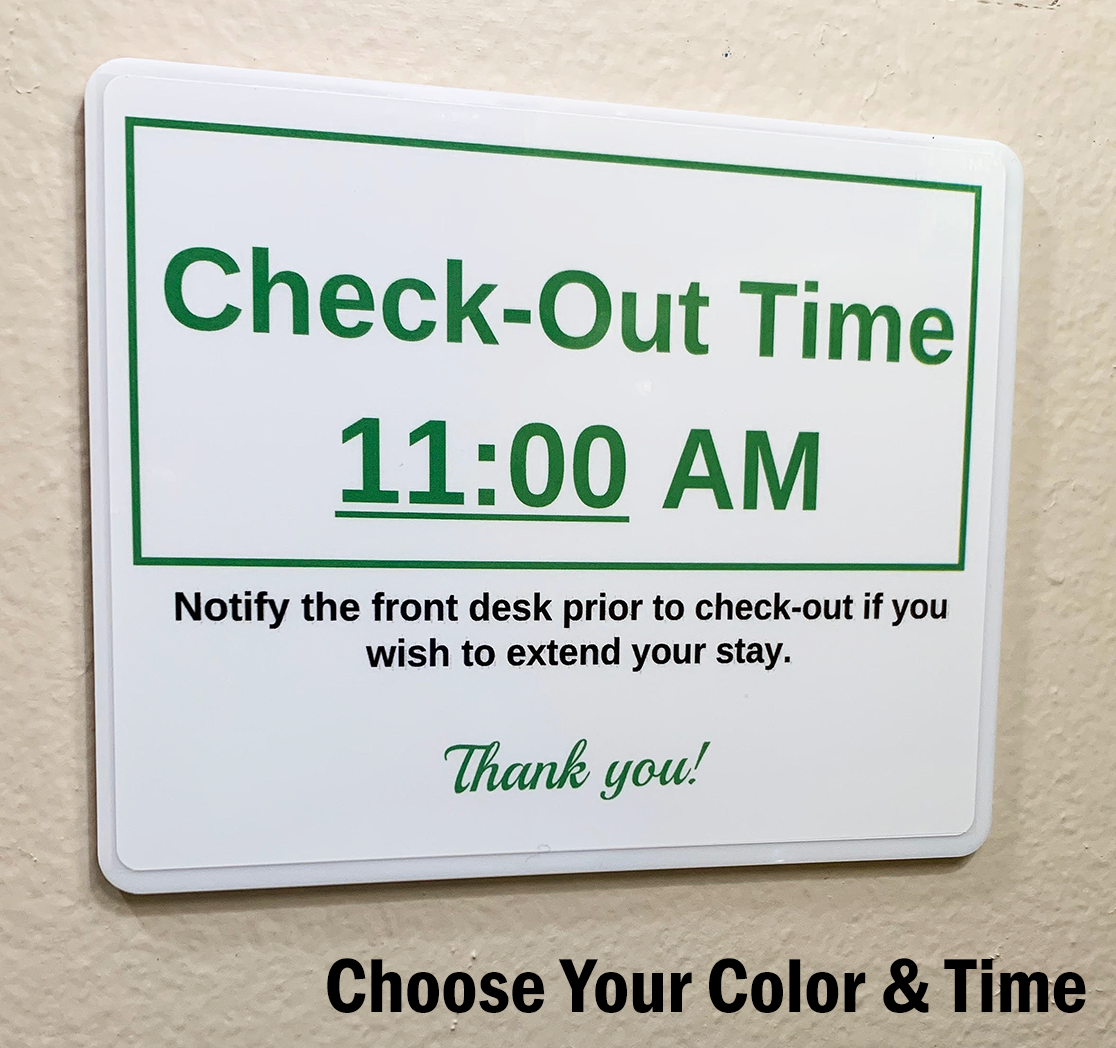
The vast majority of hotels operate on a standardized checkout time, typically set between 10:00 AM and 12:00 PM (noon). This timeframe is not arbitrary; it serves a practical purpose for hotel operations.
Why This Timeframe?
The late morning checkout window is designed to allow ample time for the hotel’s housekeeping and maintenance staff to prepare the room for the next incoming guest. After a guest departs, the room needs to be thoroughly cleaned, inspected, and restocked with amenities. This process can take several hours, especially for larger properties or during peak occupancy. A checkout time of 11:00 AM or 12:00 PM provides a buffer that allows for efficient turnaround without compromising the quality of the room for the next guest.
Hotel Type Variations
While the 10:00 AM to 12:00 PM window is common, some hotel types might have slightly different timings:
- Budget Hotels and Hostels: These establishments might have earlier checkout times, sometimes as early as 9:00 AM or 10:00 AM, to facilitate quicker room turnover.
- Luxury Hotels and Resorts: Conversely, high-end establishments, particularly resorts and properties catering to a more leisurely clientele, may offer later checkout times, often extending to 1:00 PM or even 2:00 PM. This is part of the enhanced service and flexibility expected at these venues.
- Boutique Hotels: These often offer a more personalized experience and may have more flexible checkout policies, sometimes allowing for slightly later departures depending on availability.
- Extended Stay Hotels and Aparthotels: For longer stays, the concept of a strict checkout time might be less rigid, especially if you are extending your reservation. However, standard daily operations usually still adhere to a defined checkout period.
Impact on Travel Itineraries
Knowing the checkout time is fundamental when planning your departure day.
- Early Departures: If your flight or onward journey is scheduled for early in the day, an earlier checkout time is beneficial. It allows you to pack and leave without feeling rushed.
- Late Departures: If you have a late flight or plan to explore more of your destination, like the Louvre Museum in Paris, having a later checkout time (or the option to request one) is highly advantageous.
Factors Influencing Checkout Times
Beyond the standard, several factors can influence the specific checkout time at a hotel and your ability to deviate from it.
Hotel Policies and Operational Needs
Each hotel sets its own internal policies regarding checkout times, which are primarily driven by their operational capacity. Factors like the size of the property, the number of rooms, the staffing levels for housekeeping, and the average occupancy rate all play a role. A hotel operating at 95% capacity will likely be stricter with checkout times than one at 50% capacity.
Guest Occupancy Levels
During peak travel seasons or major events in a city like New York City, hotels are often fully booked. In such scenarios, adherence to standard checkout times becomes critical to ensure that incoming guests can check in promptly. Conversely, during the off-season or periods of lower demand, hotels may be more amenable to accommodating late departures.
Room Type and Availability
The specific room you booked can sometimes influence checkout flexibility. For instance, a standard room might have a more rigid checkout time than a suite or a room that is not immediately booked for the following night. The hotel’s booking calendar is the ultimate determinant.
Strategies for Managing Your Hotel Checkout
To ensure a smooth departure, consider these practical strategies.
Plan Your Departure Day
- Check Your Reservation: Before you even arrive, note the checkout time stated in your booking confirmation. Many booking sites and hotel websites clearly display this information.
- Set Reminders: Use your phone or other devices to set a reminder for yourself a couple of hours before the checkout time. This prevents you from getting engrossed in activities and forgetting.
- Pack in Advance: Pack your bags the night before your checkout. This significantly reduces the time you need in the morning. Leave out only essential items for your morning routine.
Requesting a Late Checkout
If your schedule requires it, requesting a late checkout is often possible, though not guaranteed.

How to Request a Late Checkout
- Early Notification: The earlier you request it, the better your chances. Speak to the front desk upon arrival or at least the evening before your scheduled checkout.
- Be Polite and Flexible: Approach the front desk staff with courtesy. Understand that they are bound by hotel policy and operational constraints.
- Explain Your Reason (Briefly): A brief, polite explanation of why you need a late checkout (e.g., a late flight, a prior commitment) can sometimes help.
- Inquire About Fees: Be prepared for the possibility that late checkout might incur an additional charge. Many hotels offer late checkout for a fee, often calculated hourly or as a half-day rate. Some luxury hotels might offer complimentary late checkout as a loyalty perk or for certain room types.
- Check for Alternatives: If a full late checkout isn’t possible, ask if you can store your luggage with the bell desk. This allows you to continue enjoying the hotel’s facilities or explore the city of Rome without being burdened by your bags. You might also be able to use common areas like lounges or business centers.
Utilizing Hotel Amenities Before Departure
Even if you have to check out by the standard time, you can often still make use of the hotel’s amenities.
- Luggage Storage: Most hotels offer complimentary luggage storage after checkout. This is a lifesaver if you have several hours before your departure. You can leave your bags securely with the concierge or bell desk and continue your explorations.
- Hotel Facilities: Depending on the hotel, you might still be able to use facilities like the swimming pool, gym, or lounge areas. This is especially common in resorts and larger hotels. For example, after checking out from a hotel in Maui, you could spend a few more hours at the beach or by the pool.
- Dining Options: Many hotels have restaurants or cafes where you can have a leisurely breakfast or lunch before heading out.
The Checkout Process Itself
The physical act of checking out is usually straightforward.
In-Person Checkout
This is the traditional method. You approach the front desk, inform them you are checking out, and settle any outstanding charges.
- Review Your Bill: Before paying, take a moment to review your bill carefully. Check for any unexpected charges, such as mini-bar items you didn’t consume or room service you didn’t order. Don’t hesitate to ask for clarification if something seems amiss.
- Payment: Settle the bill using your preferred payment method.
- Key Return: Hand in your room key or key card.
Express Checkout
Many hotels offer express checkout options for added convenience, especially for guests who have prepaid or used a credit card on file.
- Checkout Envelopes: You might find checkout envelopes in your room or at the front desk. You can fill these out with your room number and drop them in a designated box, often located in the lobby. Your bill will typically be emailed to you.
- Mobile Checkout: Increasingly, hotels are offering mobile checkout via their apps. This allows you to review and approve your bill and check out directly from your smartphone. This is particularly useful if you’re in a hurry or prefer a contactless experience.
Handling Incidental Charges
Incidental charges are items beyond the room rate, such as restaurant bills, spa treatments, or purchases from the hotel gift shop.
- Pre-Authorization: Hotels often place a pre-authorization hold on your credit card upon check-in to cover potential incidental charges. This amount is separate from the room rate.
- Bill Reconciliation: During checkout, these charges are reconciled against the pre-authorization. Any unspent portion of the pre-authorization will be released back to your card. The time it takes for this to appear on your statement can vary depending on your bank.
Late Checkout Fees and Policies
Understanding potential late checkout fees is important to avoid surprises.
When Fees Apply
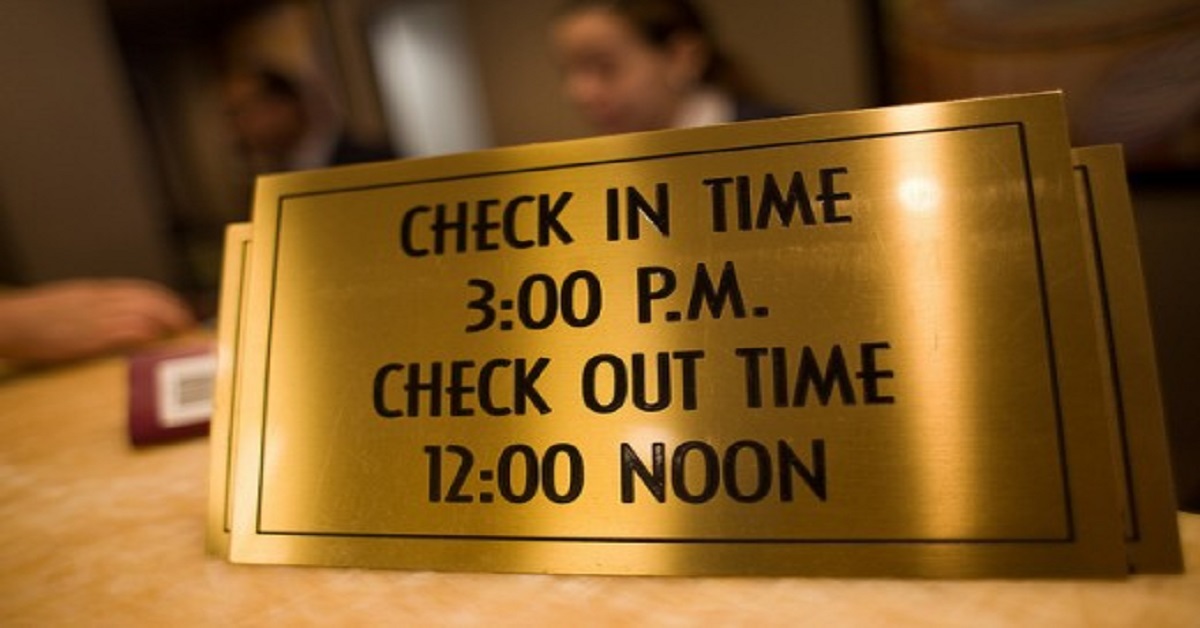
Fees typically apply if you remain in the room beyond the standard checkout time without prior arrangement or if your request for a late checkout is not granted.
- Beyond Standard Time: Staying past the designated checkout time can trigger charges. These might be hourly, a flat rate for a few extra hours, or a full night’s charge if you stay exceptionally late.
- No Prior Agreement: If you simply oversleep or are delayed without contacting the hotel, you are more likely to incur fees.
How Fees Are Determined
- Hourly Rates: Some hotels charge an hourly fee for every hour you exceed the checkout time.
- Half-Day or Full-Day Rates: For extended stays beyond a few hours, hotels might charge a half-day or even a full night’s rate. The specific policy varies widely.
- Hotel Tier: Luxury hotels might have more lenient policies or offer a grace period, while budget accommodations might be stricter.
Tips to Avoid Late Checkout Fees
- Be Proactive: As mentioned, communicate with the front desk well in advance.
- Understand the Grace Period: Some hotels may offer a short grace period (e.g., 15-30 minutes) beyond the official checkout time. It’s worth politely inquiring about this.
- Consider Luggage Storage: If you can’t get a late checkout, the best strategy is to pack, check out on time, and then use the hotel’s luggage storage facilities. This is almost always a complimentary service.
By understanding the standard checkout times, the factors that influence them, and employing smart strategies, you can ensure your hotel departure is as smooth and stress-free as your arrival, allowing you to maximize your time at your destination, whether it’s exploring the historic sites of London or enjoying the beaches of Cancun.
LifeOutOfTheBox is a participant in the Amazon Services LLC Associates Program, an affiliate advertising program designed to provide a means for sites to earn advertising fees by advertising and linking to Amazon.com. Amazon, the Amazon logo, AmazonSupply, and the AmazonSupply logo are trademarks of Amazon.com, Inc. or its affiliates. As an Amazon Associate we earn affiliate commissions from qualifying purchases.