
Demystifying the “California Passport”: Understanding Your Travel Document
When residents of California inquire about a “California Passport,” they are often referring to the standard travel document issued by the United States government that allows its citizens to travel internationally: the U.S. Passport. It’s a common misconception that individual states issue their own passports. In reality, whether you reside in California, New York, or Texas, the passport you obtain for international travel is universally a U.S. Passport. Understanding this distinction is the first crucial step in planning any international journey from the Golden State.

No Separate “California Passport” Exists
To be crystal clear, there is no distinct document officially recognized as a “California Passport” for international travel. All citizens of the United States, regardless of their state of residence, apply for and receive the same national passport. This unified system ensures consistent international recognition and adherence to global travel regulations. The document serves as proof of your U.S. citizenship and identity when traveling abroad. Its design, security features, and validity are standardized across the nation by the Department of State.
The U.S. Passport for California Residents
For California residents, securing a U.S. Passport is essential for any travel outside the borders of the United States. This includes air travel to Mexico or Canada, cruises to the Caribbean, or extended trips to Europe, Asia, Africa, South America, or Central America. The passport book is the most common form, allowing entry to all countries that accept U.S. citizens. There is also the Passport Card, which offers limited international travel capabilities, primarily for land and sea travel to Canada, Mexico, the Caribbean, and Bermuda. Understanding these options and their associated costs is vital for comprehensive travel planning.
Breaking Down the Costs: What to Expect
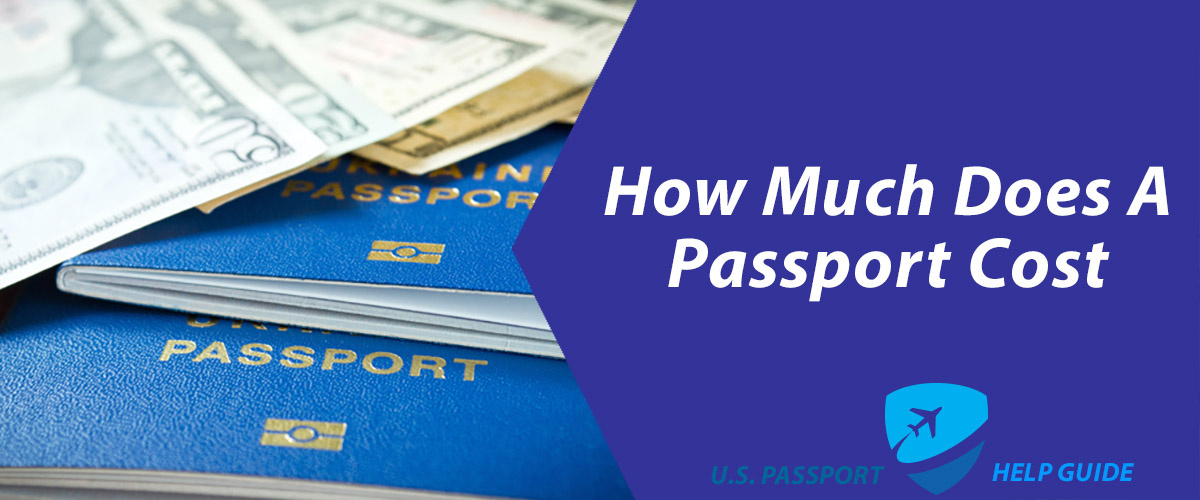
The cost of obtaining a U.S. Passport for California residents is standardized nationally. The total expense comprises a non-refundable application fee paid to the Department of State and, for first-time applicants, an execution fee paid to the acceptance facility. These fees are subject to change, so it’s always best to check the official Department of State website for the most current information.
Standard Passport Book Fees
As of the last update, the fees for a standard passport book are as follows:
- Application Fee (Passport Book): For adults (age 16 and older), this fee is typically $130. For minors (under 16), it is $100. This fee is paid directly to the Department of State and covers the processing and issuance of the passport book.
- Execution Fee (Acceptance Facility Fee): This fee, currently $35, is required for all first-time applicants and those renewing a passport that was issued when they were a minor, or if the previous passport was lost or stolen. It is paid to the Passport Acceptance Facilities (e.g., post offices, county clerks) for processing your application. Renewals by mail typically do not incur this fee, provided you meet the eligibility criteria for mail renewal.
Therefore, a first-time adult applicant in California can expect to pay a total of $165 for a standard passport book ($130 application fee + $35 execution fee).
The Passport Card Option
For travelers who primarily plan land and sea excursions to neighboring countries or regions like Canada, Mexico, and the Caribbean, the Passport Card offers a more economical alternative.
- Application Fee (Passport Card): For adults, the fee is generally $30. For minors, it is $15.
- Execution Fee (Acceptance Facility Fee): The $35 execution fee also applies to first-time applicants for the Passport Card.
If you apply for both a passport book and a Passport Card at the same time, you will only pay the execution fee once. For example, an adult applying for both concurrently would pay ($130 book + $30 card) + $35 execution fee = $195.
Expedited Processing and Related Charges
For those with urgent travel plans, expedited processing is available for an additional fee.
- Expedited Service Fee: An extra $60 is typically charged for expedited processing, significantly reducing the waiting time for your passport. This fee is paid to the Department of State.
- 1-2 Day Delivery (Optional): If you need your passport delivered quickly once it’s issued, you can opt for 1-2 day delivery for an additional cost, usually around $19.53. This is applicable for the return of your completed passport book from the Department of State to your address.
Considering these additional costs, an adult in California needing an expedited passport book would pay approximately $244.53 ($130 application + $35 execution + $60 expedite + $19.53 delivery).
Optional Services and Additional Costs
Beyond the core fees, travelers should budget for a few other potential expenses:
- Passport Photos: You will need one recent, color photograph that meets specific requirements. These typically cost around $15-$20 at pharmacies, post offices, or dedicated photo services in California cities like San Francisco, Los Angeles, or San Diego.
- Copy Services: While not always necessary, if you forget to bring copies of your supporting documents (like your birth certificate or driver’s license), the acceptance facility might charge a small fee for copying them.
- Travel Visas: The cost of your passport is separate from any potential visa fees required by your destination country. Researching visa requirements for your specific destination is an essential part of your pre-travel budget.
The Application Process: A Step-by-Step Guide for California Travelers
The application process for a U.S. Passport is straightforward, though it requires careful attention to detail and specific documentation. For California residents, the steps are identical to those for citizens in any other state.
Gathering Required Documents
Before visiting an acceptance facility, ensure you have all necessary items:
- Proof of U.S. Citizenship: This is typically your original birth certificate (with a raised seal), previous undamaged U.S. Passport, Certificate of Naturalization, or Consular Report of Birth Abroad. A photocopy of this document is also required.
- Proof of Identity: A valid driver’s license, state-issued identification card, or military ID. Again, a photocopy (front and back) is required.
- Recent Color Passport Photo: One photo, taken within the last six months, meeting the strict Department of State guidelines (2×2 inches, white background, no glasses, neutral expression, etc.).
- Completed Form DS-11 (Application for a U.S. Passport): This form can be filled out online at the Department of State website and then printed, but do not sign it until you are instructed to do so by the acceptance agent.
- Payment for Fees: Two separate payments are usually required: one for the application fee (payable to the “U.S. Department of State”) and one for the execution fee (payable to the acceptance facility). Check acceptable payment methods beforehand; often, checks or money orders are preferred for the Department of State fee, while cash, check, or credit card may be accepted for the execution fee.
Finding an Acceptance Facility in California
There are hundreds of Passport Acceptance Facilities located throughout California, typically found in post offices, public libraries, and county clerk’s offices. You can use the Department of State’s online search tool to find the closest facility to you, whether you’re in Sacramento, Los Angeles, or a smaller town. Appointments are often required, so it’s wise to call ahead. During your visit, an acceptance agent will review your documents, verify your identity, witness your signature on Form DS-11, and collect your fees.
Renewal vs. First-Time Applications
The process differs significantly for renewals:
- First-Time Applicants (Form DS-11): This applies if you’ve never had a U.S. Passport before, if your previous passport was issued when you were under 16, or if your last passport was lost, stolen, or severely damaged. You must appear in person at an acceptance facility.
- Renewals by Mail (Form DS-82): You may be eligible to renew by mail if your most recent passport is undamaged, was issued when you were 16 or older, was issued within the last 15 years, and you can submit it with your application. This is a simpler process as it avoids the execution fee and an in-person visit.
Regardless of whether you are a first-time applicant or renewing, always allow ample time for processing. Standard processing times can range from 6-8 weeks, and expedited processing can take 2-3 weeks. Unexpected delays can occur, making early application a critical component of stress-free travel planning.
Planning Your Trip Beyond the Passport: California Travel Insights
Once you have your U.S. Passport in hand, a world of travel opportunities opens up. However, the passport is just one piece of the puzzle for California residents eager to explore. Thoughtful planning extends beyond documentation to encompass destination research, visa requirements, and domestic travel considerations.
Domestic Travel vs. International Travel
It’s crucial to distinguish between domestic and international travel requirements. For travel within the United States (e.g., flying from Los Angeles to New York), a U.S. Passport is generally not required for U.S. citizens. A state-issued driver’s license or identification card is usually sufficient for identity verification by the Transportation Security Administration (TSA). However, for any journey that crosses U.S. borders, even for a short trip to Tijuana or a cruise to Alaska with foreign port stops, your U.S. Passport or Passport Card becomes indispensable.
Essential Travel Planning Tips for California Residents
With your passport secured, here are some additional tips for California travelers:
- Research Visa Requirements: Many countries require a separate travel visa in addition to a passport. These vary widely by destination and your nationality. Check the embassy or consulate website of your destination country well in advance.
- Travel Insurance: Consider comprehensive travel insurance to protect against unexpected events such as trip cancellations, medical emergencies abroad, or lost luggage.
- Health Preparations: Consult your doctor about recommended vaccinations for your destination. Pack any necessary prescription medications in their original containers.
- Financial Planning: Inform your bank and credit card companies of your travel dates to prevent holds on your accounts due to unusual activity. Have a mix of payment methods, including local currency.
- Register with STEP: The Smart Traveler Enrollment Program (STEP) allows U.S. citizens and nationals traveling abroad to enroll their trip with the nearest U.S. Embassy or Consulate. This service provides important safety information and helps the embassy contact you in an emergency.

REAL ID and Domestic Air Travel
For purely domestic air travel within the United States, California residents should also be aware of the REAL ID requirements. As of May 7, 2025 (latest extension), every air traveler 18 years of age and older will need a REAL ID compliant driver’s license or identification card, or another acceptable form of identification, such as a U.S. Passport, to fly within the United States. A U.S. Passport is always an acceptable form of identification for domestic flights, negating the need for a separate REAL ID if you possess one. If you only have a standard California driver’s license (non-REAL ID), you will eventually need to upgrade it at the California Department of Motor Vehicles or use your passport for domestic flights. Understanding these nuances ensures seamless travel, whether your journey takes you across the state or around the globe.
LifeOutOfTheBox is a participant in the Amazon Services LLC Associates Program, an affiliate advertising program designed to provide a means for sites to earn advertising fees by advertising and linking to Amazon.com. Amazon, the Amazon logo, AmazonSupply, and the AmazonSupply logo are trademarks of Amazon.com, Inc. or its affiliates. As an Amazon Associate we earn affiliate commissions from qualifying purchases.