
Understanding the financial commitment required to obtain a Commercial Driver’s License (CDL) in Florida is a crucial first step for anyone aspiring to a career in the trucking or transportation industry. The costs associated with earning a CDL can vary significantly, influenced by several factors including the type of CDL you need, the training program you choose, and any associated fees. This guide aims to provide a comprehensive overview of these expenses, helping prospective drivers budget effectively for their new profession.
Understanding CDL Classifications and Their Impact on Cost
In Florida, Commercial Driver’s Licenses are categorized into three main classes: Class A, Class B, and Class C. Each class permits the operation of different types of vehicles, and the training and testing requirements, which directly influence the cost, differ accordingly.
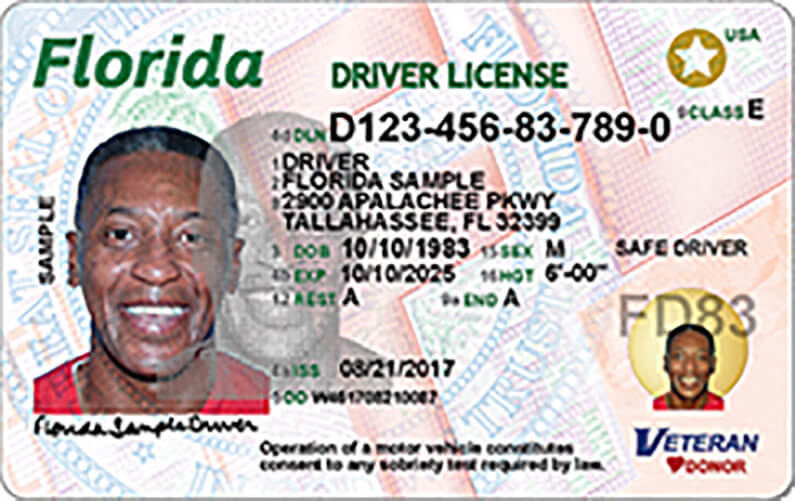
Class A CDL
A Class A CDL is required for individuals who intend to drive any combination of vehicles with a gross vehicle weight rating (GVWR) of 26,001 pounds or more, provided the GVWR of the vehicle(s) being towed is in excess of 10,000 pounds. This typically includes large tractor-trailers and the most extensive range of commercial vehicles.
Training and Testing for Class A:
The training for a Class A CDL is generally the most comprehensive and, consequently, the most expensive. It involves extensive instruction on operating large, articulated vehicles, mastering techniques for maneuvering, backing, and ensuring safe passage on various road conditions. The testing process also requires a higher level of proficiency.
Estimated Costs for Class A:
Due to the extended training and complexity, Class A CDL programs can range from $3,000 to $7,000 or more. This figure usually encompasses tuition for a certified CDL school, study materials, and sometimes even the use of training vehicles for the practical exams. Some schools may offer payment plans or financing options to make the investment more manageable.
Class B CDL
A Class B CDL is necessary for drivers operating a single vehicle with a GVWR of 26,001 pounds or more, or any vehicle towing a trailer with a GVWR of 10,000 pounds or less. This class covers a variety of vehicles, such as straight trucks, delivery trucks, and larger buses.
Training and Testing for Class B:
The training for a Class B CDL is typically less intensive than for a Class A. While still comprehensive, it focuses on the specific skills needed to operate single-unit heavy vehicles. The testing requirements reflect this scope.
Estimated Costs for Class B:
Consequently, Class B CDL training programs are generally more affordable than Class A programs. Costs can typically range from $2,000 to $5,000. As with Class A, these costs usually include tuition and access to training vehicles.
Class C CDL
A Class C CDL is for vehicles that do not meet the definitions of Class A or Class B but are designed to transport 16 or more passengers (including the driver), or are placarded for hazardous materials. This often applies to smaller buses, passenger vans, and vehicles carrying specific regulated goods.
Training and Testing for Class C:
The training for a Class C CDL varies depending on whether it’s for passenger endorsement or hazardous materials endorsement. Passenger endorsement training focuses on safe passenger transport, while hazardous materials training covers the specific regulations and handling procedures for dangerous goods.
Estimated Costs for Class C:
The cost for a Class C CDL can be more variable. If obtained with just a passenger endorsement, it might be on the lower end, potentially similar to or slightly less than a Class B program. If hazardous materials training and endorsements are included, the cost could increase. Generally, expect costs to be in the range of $1,500 to $4,000, depending on the specific endorsements and training provider.
Additional Fees and Expenses
Beyond the tuition for formal CDL training programs, aspiring drivers in Florida should be aware of several other fees that contribute to the overall cost of obtaining a CDL. These are often mandated by the Florida Department of Highway Safety and Motor Vehicles (FLHSMV) and testing facilities.
State Testing Fees
The Florida Department of Highway Safety and Motor Vehicles (FLHSMV) charges fees for the knowledge and skills tests required to obtain a CDL. These fees are typically modest but are a necessary part of the process.
- Knowledge Tests: There are usually separate fees for the general knowledge test and any endorsements knowledge tests (e.g., for air brakes, hazardous materials, passenger transport).
- Skills Tests: The actual driving tests, which include pre-trip inspections, basic vehicle control, and on-road driving, also incur fees. These are often administered by third-party examiners at authorized testing sites.
The exact amounts for these state testing fees can change, so it’s advisable to check the official FLHSMV website or inquire directly with your chosen training provider for the most current figures.
Medical Examination Fees
Before you can even begin the CDL testing process, you must pass a Department of Transportation (DOT) medical examination. This exam ensures you meet the physical and mental health standards required to safely operate a commercial vehicle.
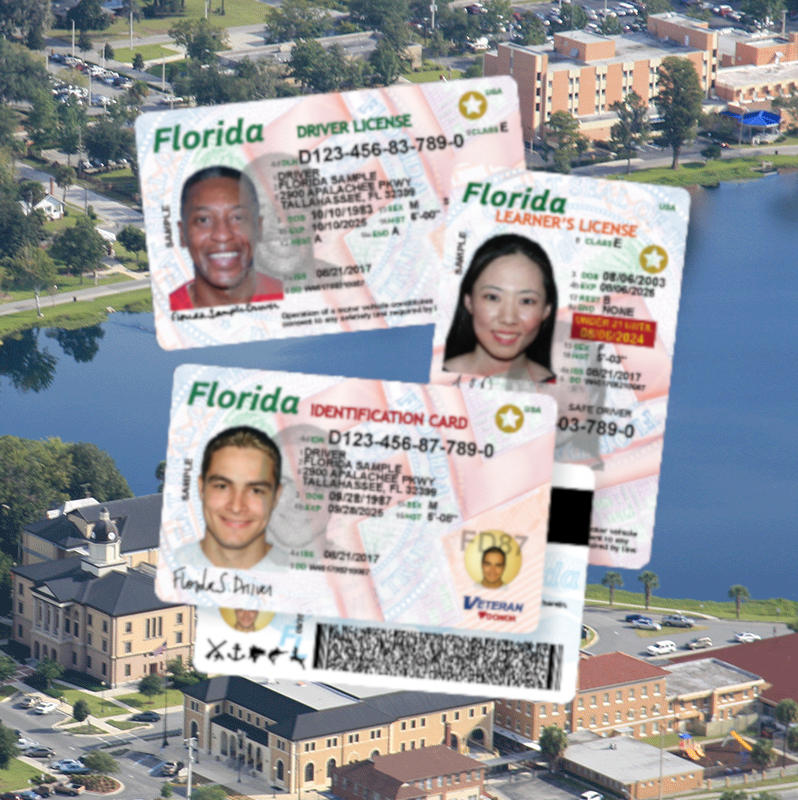
- Medical Examiner Fees: The cost of this examination can vary depending on the healthcare provider. Expect to pay anywhere from $75 to $200 for a DOT physical. It’s important to use a certified Medical Examiner listed on the Federal Motor Carrier Safety Administration (FMCSA) National Registry.
Endorsement Fees
If you plan to operate certain types of commercial vehicles or transport specific cargo, you will need additional endorsements on your CDL. Each endorsement typically requires passing a separate knowledge test and may involve additional training.
- Common Endorsements and Associated Costs:
- Hazardous Materials (H): Requires a background check and fingerprinting, which adds to the cost. The endorsement fee itself is usually a few dollars, but the background check can add $50-$100 or more.
- Passenger (P): This endorsement requires specialized training and a skills test focused on passenger safety.
- School Bus (S): Similar to passenger endorsements, this requires specific training and testing.
- Tank Vehicle (N): For vehicles designed to transport liquids or gaseous materials in bulk.
- Double/Triple Trailers (T): For operating combinations of three or more trailers.
The fees for these endorsements are generally low, typically just a few dollars per endorsement added to your license. However, the training required for some endorsements, particularly hazardous materials, can increase the overall cost.
CDL School Tuition
As discussed previously, the most significant expense is the tuition for a CDL training school. These schools provide the necessary classroom instruction and behind-the-wheel training to prepare you for the CDL exams.
- Types of Schools:
- Proprietary CDL Schools: These are specialized institutions dedicated solely to CDL training. They offer structured curricula and often have strong connections with trucking companies for job placement. Prices can be higher, but the quality of training and support is often excellent.
- Community Colleges: Many community colleges offer CDL programs, which can sometimes be more affordable than proprietary schools.
- Trucking Company Training Programs: Some large trucking companies offer their own CDL training programs, sometimes even sponsoring aspiring drivers. This can significantly reduce or eliminate upfront training costs, though it often comes with a commitment to drive for that company for a specified period.
When comparing CDL schools, look beyond just the price. Consider factors like the student-to-instructor ratio, the age and condition of the training vehicles, the curriculum’s thoroughness, and job placement assistance.
Factors Influencing Overall CDL Costs
Several variables can influence the total amount you’ll spend to acquire your CDL in Florida. Understanding these can help you make informed decisions and potentially find more cost-effective options.
Training Program Choice
The type and duration of the training program you select will have the most substantial impact on cost. Full-time, intensive programs that offer comprehensive training for all aspects of CDL operation will naturally be more expensive than part-time or shorter courses that might focus on specific endorsements.
- Program Length: Longer programs generally offer more in-depth training and practice time, leading to higher costs. A typical CDL program can range from 4 to 12 weeks, depending on the class of license and the school’s curriculum.
- Curriculum Content: Programs that include extensive simulator training, advanced maneuvering practice, and thorough coverage of regulations will command higher prices.
Location and Provider
The cost of CDL training can also vary based on the specific school and its geographical location within Florida. Schools in metropolitan areas might have higher overheads, which can be reflected in their tuition fees. It’s always wise to get quotes from multiple reputable CDL schools in your preferred region.
Prior Experience
While not directly a cost factor for obtaining the license itself, any prior driving experience in heavy vehicles might influence the type of training you need. If you have extensive experience with large trucks, you might require less time with a training provider, potentially reducing overall costs. However, formal training is still essential to learn the specific requirements for the CDL exams.
Study Materials and Resources
Some CDL schools may include all study materials in their tuition, while others might charge separately for manuals, practice tests, or online resources. Factor in the potential cost of these supplementary materials if they are not included.
Re-testing Fees
It’s important to budget for the possibility of needing to retake a knowledge or skills test. While dedicated training aims to ensure you pass on the first attempt, unexpected circumstances can arise. Each re-test incurs additional fees from the testing facility and potentially from your training school if you require additional practice or instruction.
Conclusion
Obtaining a Commercial Driver’s License in Florida is an investment in a rewarding and in-demand career. The total cost can range broadly, typically from around $2,000 for a basic Class B license from a more affordable provider to upwards of $7,000 or more for a comprehensive Class A program at a premium school, plus associated state and medical fees. By understanding the various components of these costs – from tuition and testing fees to medical exams and endorsements – prospective CDL holders can better prepare financially and select the training program that best suits their needs and budget. Thorough research into reputable CDL schools, careful consideration of the required license class and endorsements, and awareness of all potential fees will pave the way for a smooth and successful entry into the commercial driving profession.
LifeOutOfTheBox is a participant in the Amazon Services LLC Associates Program, an affiliate advertising program designed to provide a means for sites to earn advertising fees by advertising and linking to Amazon.com. Amazon, the Amazon logo, AmazonSupply, and the AmazonSupply logo are trademarks of Amazon.com, Inc. or its affiliates. As an Amazon Associate we earn affiliate commissions from qualifying purchases.