
The question of who commands the huddle for the Chicago Bears is a perennial topic of discussion for fans in Chicago and across the league. The quarterback position is arguably the most crucial in American football, a lynchpin around which offensive schemes are built and a primary determinant of a team’s success. For a storied franchise like the Bears, with a rich history steeped in defensive prowess and iconic offensive players, the search for a consistent, game-changing quarterback has been a quest that has spanned decades. Understanding the current quarterback situation, along with the historical context, provides valuable insight into the team’s trajectory and the broader landscape of NFL quarterbacking.
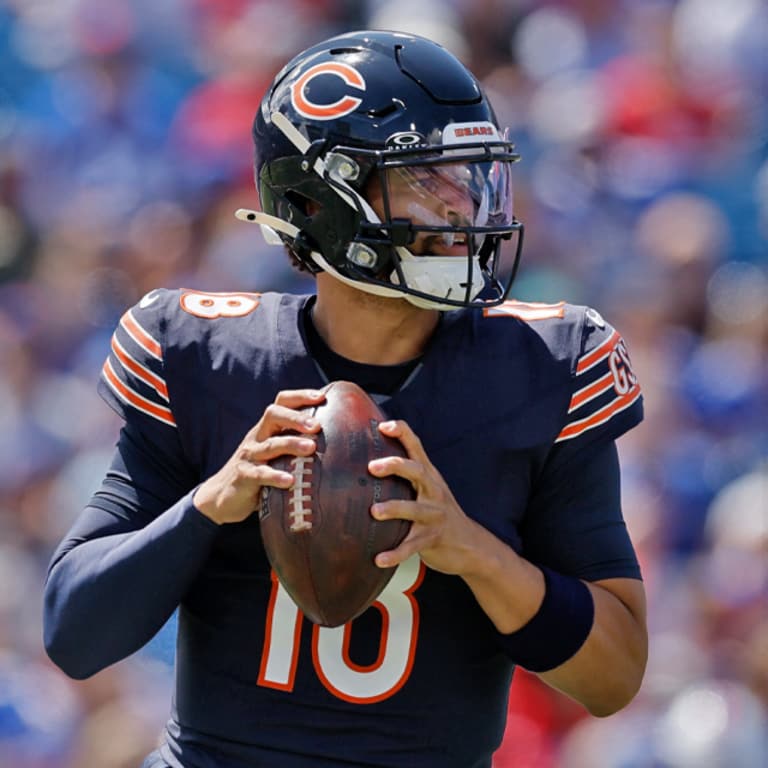
The Evolving Landscape of Bears Quarterbacks
The Chicago Bears have a quarterback lineage that, while legendary at times, has also experienced periods of significant transition and challenge. From the iconic figures of eras past to the hopeful prospects of today, the team has seen a diverse array of talent under center. This evolution reflects the changing demands of the game itself, with a greater emphasis now placed on passing game efficiency, mobility, and strategic decision-making.
Historical Stalwarts and Modern Challenges
The annals of Chicago Bears history are graced by names that resonate deeply with fans. Think of the grit and determination of Sid Luckman in the 1940s, a Hall of Fame quarterback who led the Bears to multiple championships. Decades later, Jim McMahon brought a charismatic swagger and Super Bowl XX victory to Chicago in the mid-1980s. Even more recently, Jay Cutler represented a significant era, known for his strong arm and polarizing play.
However, the modern NFL demands an unprecedented level of consistency and adaptability. Teams are constantly searching for quarterbacks who can not only execute complex offensive schemes but also elevate the play of those around them. The Bears have, at various points, grappled with finding that singular talent. This search often involves difficult draft decisions, strategic free-agent acquisitions, and player development that can take years to bear fruit. The pressure to find a franchise quarterback is immense, as it directly impacts ticket sales at Soldier Field, fan engagement, and the overall competitive standing of the team.
The Importance of the Quarterback in Team Success
In contemporary football, the quarterback is the offensive general, responsible for calling plays, reading defenses, and making split-second decisions that can dictate the outcome of a possession, a game, and even a season. A strong quarterback can mask deficiencies elsewhere on the roster, while a weak or inconsistent one can undermine even the most talented supporting cast. This is why the conversation surrounding the Chicago Bears quarterback is never far from the forefront of sports analysis, especially for those following NFL news and team performance.
The impact of a quarterback extends beyond the field of play. For a city like Chicago, with a passionate and deeply invested fanbase, the quarterback often becomes a symbol of hope and a focal point for community pride. Victories led by a star quarterback can galvanize the city, leading to increased tourism and economic activity around Soldier Field and the surrounding areas. Conversely, struggles at the quarterback position can lead to frustration and a dip in fan enthusiasm, affecting everything from attendance at games to the popularity of team merchandise.
The Current Quarterback Situation for the Chicago Bears
The search for the definitive answer to “Who’s The Quarterback For The Chicago Bears?” is a dynamic one, often subject to recent performance, injuries, and strategic team decisions. As of the most recent NFL seasons, the Bears have been in a period of considerable transition at the most important position on the field. This has involved both the development of young talent and the exploration of veteran options.
Recent Quarterback Selections and Development
The Chicago Bears have made significant investments in the quarterback position through the NFL Draft. The selection of Justin Fields in the first round of the 2021 Draft was a major move, signaling the team’s commitment to building around a young, dynamic passer. Fields, known for his athleticism and playmaking ability, represented a potential cornerstone for the franchise. His development became a central narrative for the Bears, with fans and analysts closely watching his progress, learning the intricacies of the NFL game, and adapting to the professional level.
The team’s strategy often involves providing opportunities for their drafted quarterbacks to gain experience and refine their skills. This can include extended periods as a starter, even through challenging seasons, in the belief that consistent reps are vital for long-term growth. The coaching staff, led by offensive coordinators and head coaches, plays a critical role in this development, designing schemes that play to the quarterback’s strengths while also pushing them to improve in areas of weakness. The goal is to cultivate a quarterback who can consistently lead the offense and compete for championships.

Strategic Acquisitions and Depth
Beyond draft picks, the Chicago Bears have also explored the free agency market and trade possibilities to bolster their quarterback room. This can involve bringing in veteran quarterbacks to provide competition, mentorship, or a reliable backup option. The decision to pursue veteran leadership is often a strategic one, aiming to provide stability while a younger quarterback develops, or to offer a proven commodity if the team believes it is on the cusp of contention.
The depth of the quarterback position is also crucial. Injuries are an unfortunate reality of the NFL, and having capable backups ready to step in is paramount. The Bears, like all teams, must carefully manage their quarterback depth chart, ensuring that they have players who can effectively step into the starting role if needed, without a significant drop-off in performance. This strategic planning is essential for navigating the rigors of a long season and competing for a playoff spot.
The Impact of Quarterback Play on Chicago’s Sports Scene
The performance of the Chicago Bears quarterback has a ripple effect that extends far beyond the confines of Soldier Field. In a city renowned for its passionate sports culture, the quarterback often becomes a public figure whose fortunes are intertwined with the city’s collective mood.
Fan Engagement and Expectations
When the Chicago Bears have a dynamic and successful quarterback, the city buzzes with excitement. Games become major social events, drawing large crowds to Soldier Field and filling sports bars across the city. Season ticket sales soar, and merchandise, from jerseys to hats, becomes highly sought after. Conversely, periods of struggle at the quarterback position can lead to a palpable sense of disappointment among the fanbase. However, even in challenging times, the unwavering spirit of Chicago sports fans often means that hope, and the search for the next great signal-caller, continues unabated. This deep emotional connection highlights the unique role the quarterback plays in the identity of the team and the city.
The Broader Impact on Tourism and Local Business
A winning Chicago Bears team, spearheaded by a star quarterback, can significantly boost Chicago’s tourism industry. Visitors are drawn to the city not only for its world-class attractions like Millennium Park and the Art Institute of Chicago, but also for the chance to experience the energy of a home game at Soldier Field. Hotels in the vicinity of the stadium often see increased bookings, and local restaurants and bars benefit from the influx of fans. The excitement generated by a successful team can create a positive feedback loop, encouraging repeat visits and contributing to the city’s vibrant economy. The quarterback, as the face of the team, is central to this phenomenon.
Looking Ahead: The Future of the Bears Quarterback Position
The question of “Who’s The Quarterback For The Chicago Bears?” is perpetually in flux, driven by the dynamic nature of the NFL and the continuous pursuit of championship contention. The team’s front office and coaching staff are constantly evaluating talent, analyzing game film, and strategizing for the future.
Draft Strategy and Player Development
The NFL Draft remains a cornerstone of team building, and the Chicago Bears will undoubtedly continue to scout and target potential franchise quarterbacks. The ability to identify and develop talent from college to the professional level is a critical skill for any successful organization. This involves not only recognizing raw talent but also assessing a player’s mental fortitude, leadership qualities, and potential to thrive under pressure. The long-term success of the Bears hinges on their ability to consistently make astute decisions in the draft and to foster an environment where young quarterbacks can grow and succeed.
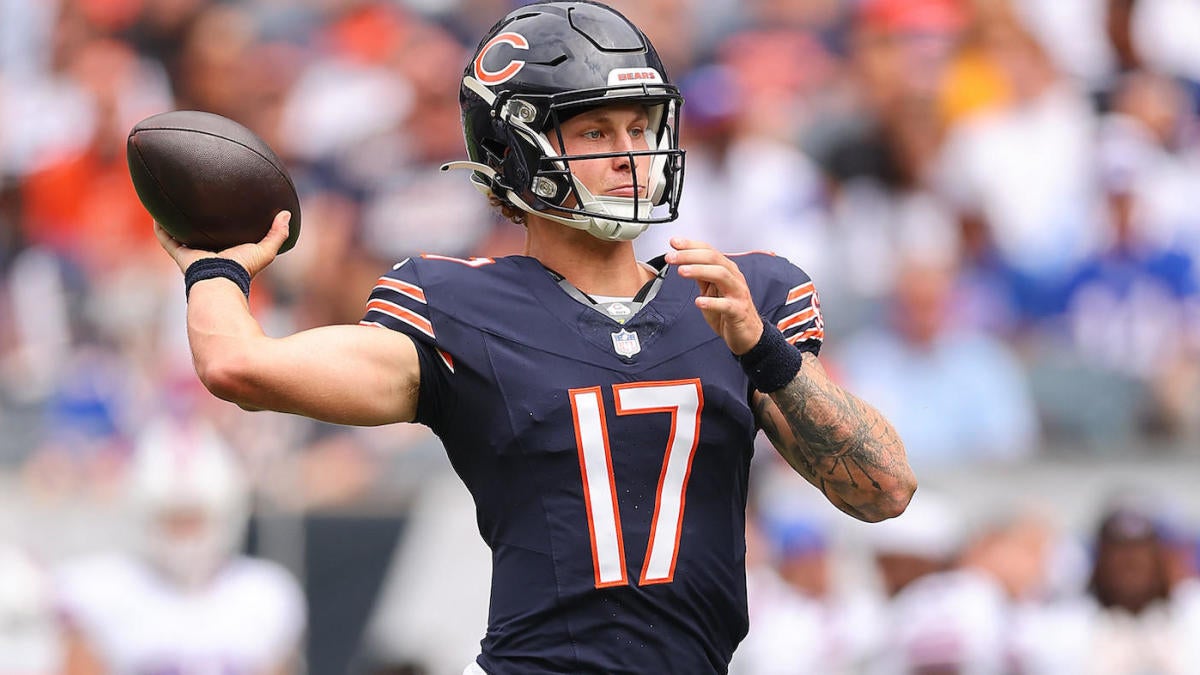
Free Agency and Trade Market Considerations
While the draft is crucial, the free agency and trade markets also offer pathways to acquiring quarterback talent. The Chicago Bears will need to weigh the potential benefits and risks of acquiring veteran quarterbacks, balancing immediate impact with long-term financial implications and roster building. Strategic acquisitions in free agency can fill immediate needs or provide experienced leadership, while savvy trades can bring in players who fit the team’s offensive scheme and timeline. The team’s approach will be shaped by their overall roster construction, salary cap situation, and their assessment of the available talent on the open market. The ultimate goal is to secure a quarterback who can lead the team to sustained success, bringing pride and championships back to Chicago.
LifeOutOfTheBox is a participant in the Amazon Services LLC Associates Program, an affiliate advertising program designed to provide a means for sites to earn advertising fees by advertising and linking to Amazon.com. Amazon, the Amazon logo, AmazonSupply, and the AmazonSupply logo are trademarks of Amazon.com, Inc. or its affiliates. As an Amazon Associate we earn affiliate commissions from qualifying purchases.