
The allure of Texas is undeniable. From the sprawling ranches and vibrant cityscapes to its rich history and distinct culture, the Lone Star State offers a unique lifestyle that attracts people from all walks of life. Whether you’re dreaming of a charming bungalow in a historic district, a modern dwelling in a bustling metropolis, or a sprawling estate with acreage to spare, understanding the real estate market is crucial. This comprehensive guide delves into the question: “How much is a house in Texas?”, exploring the factors that influence prices and providing insights for potential homeowners and investors alike.
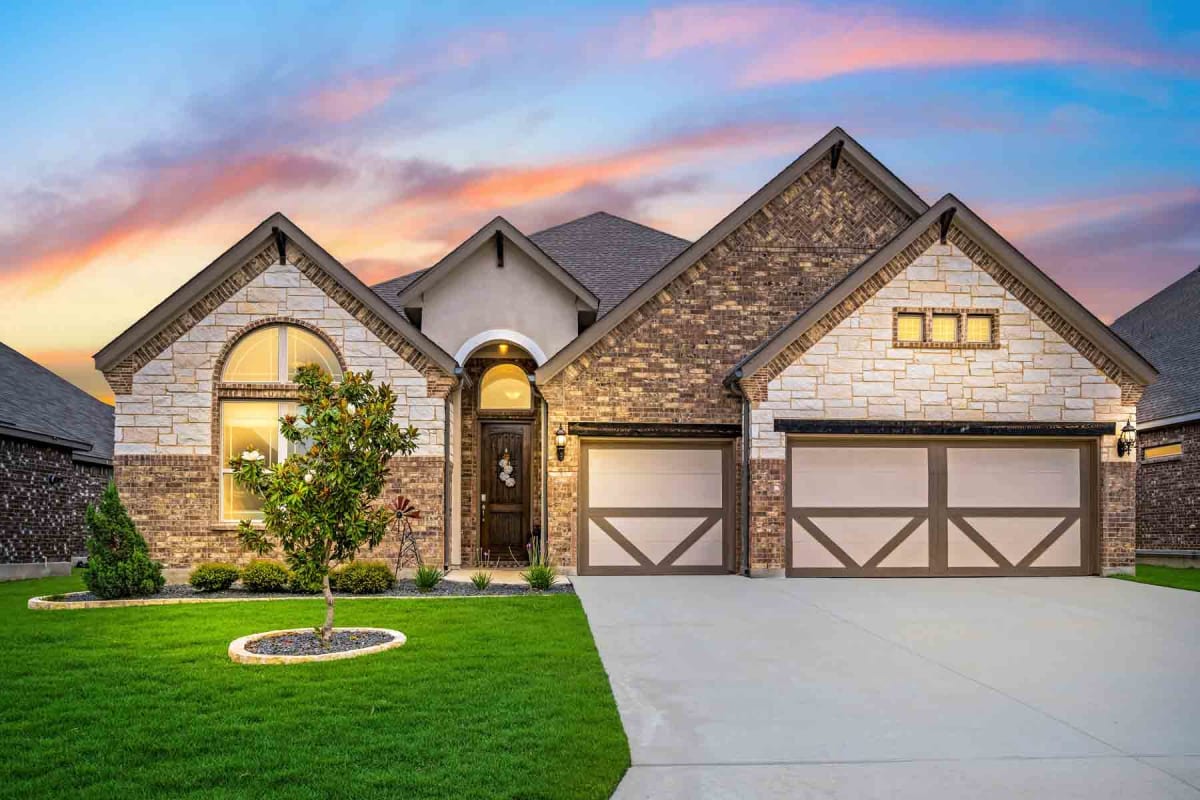
The Texas real estate landscape is as diverse as its geography. From the piney woods of East Texas to the desert vistas of West Texas, and the major metropolitan hubs like Houston, Dallas, Austin, and San Antonio, property values can vary dramatically. Several key elements contribute to these variations, including location, property type, size, condition, and local market trends.
Understanding the Texas Real Estate Market Landscape
When considering the cost of a house in Texas, it’s essential to grasp the broad strokes of its real estate market. Texas has consistently been a popular destination for relocation, fueled by its strong economy, relatively low cost of living compared to some other states, and a business-friendly environment. This sustained demand naturally impacts housing prices.
Key Drivers of Home Prices in Texas
Several fundamental factors dictate the price tag on a Texas home:
- Location, Location, Location: This age-old real estate mantra holds particularly true in Texas. A home in a desirable neighborhood within a major city, close to amenities, good schools, and employment centers, will command a higher price than a similar property in a more remote or less sought-after area. For instance, the median home price in Austin, known for its booming tech industry and vibrant lifestyle, is significantly higher than in smaller, rural towns. Similarly, prime locations in established neighborhoods of Dallas or Houston will see premium pricing.
- Property Type and Size: The type of home you’re looking for plays a significant role. A single-family detached home will generally be more expensive than a townhome or condominium of comparable size and location. The square footage of the property is a primary determinant of price, but so is the layout and functionality. Larger homes, especially those with more bedrooms and bathrooms, naturally come with a higher cost.
- Condition and Age of the Property: A newly constructed home with modern finishes and energy-efficient features will typically fetch a higher price than an older home that may require renovations. The condition of the roof, HVAC system, plumbing, and electrical systems are all critical considerations. Homes that have been recently updated or are in move-in ready condition will command a premium.
- Local Market Dynamics: Supply and demand are powerful forces in any real estate market. In areas experiencing rapid population growth and limited housing inventory, prices tend to escalate quickly. Conversely, in areas with ample supply and slower demand, prices may remain more stable or even decline. Economic indicators, such as job growth and interest rates, also influence market activity and pricing.
The Texas Housing Market: A Closer Look
The Texas real estate market is not monolithic. It’s a collection of diverse local markets, each with its own price trends and characteristics.
Major Metropolitan Areas: High Demand, Higher Prices
The major metropolitan areas of Texas – Houston, Dallas, Austin, and San Antonio – are the economic engines of the state and, consequently, often the most expensive housing markets.
- Austin: Often hailed as the “Live Music Capital of the World,” Austin has experienced explosive growth in recent years, driven by its thriving tech sector and attractive lifestyle. This surge in popularity has led to a significant increase in home prices. The median home price in Austin can be considerably higher than the state average, especially in desirable neighborhoods like South Congress or Barton Hills. While the average price can fluctuate, it’s not uncommon to see figures well into the $500,000s and beyond for single-family homes. The Hyatt Centric of Austin or a stylish apartment in the Rainey Street district reflect the city’s premium appeal.
- Dallas-Fort Worth Metroplex: This vast metropolitan area offers a wide range of housing options and price points. Dallas, with its strong corporate presence and cultural attractions, and Fort Worth, with its Western heritage and growing economy, together form a dynamic market. Within Dallas, neighborhoods like Highland Park are among the most affluent in the nation. In Plano, Frisco, and other suburban cities, you’ll find a mix of family-friendly communities and executive homes. Prices here can range from the low $200,000s for starter homes in outer suburbs to upwards of $1 million for luxury properties in prime Dallas locations. Consider exploring options like The Adolphus Hotel in Dallas for a taste of luxury.
- Houston: As the most populous city in Texas and a global hub for the energy industry, Houston offers a diverse housing market. While some areas, like The Heights or River Oaks, are known for their higher price tags, Houston generally offers a more affordable entry point into homeownership compared to Austin or parts of Dallas. You can find well-appointed single-family homes in the $300,000s and $400,000s, with luxury estates reaching several million dollars. The city also boasts a wide array of apartment complexes and townhomes. For those seeking an upscale stay, The Post Oak Hotel at Uptown Houston is a prime example.
- San Antonio: Rich in history and culture, San Antonio offers a more relaxed pace of life and generally more affordable housing than the other major Texas cities. The median home price here typically falls below the state average. You can find charming homes in historic districts like King William or family-friendly neighborhoods throughout the city at competitive prices. The average home price might hover in the $250,000s to $350,000s, making it an attractive option for many. Exploring accommodations like the Hotel Emma provides a glimpse into San Antonio‘s unique character.
Emerging Markets and Smaller Cities: Value and Growth Potential
Beyond the major hubs, Texas has numerous smaller cities and burgeoning suburban areas that offer attractive housing values and potential for growth. Cities like Killeen, Waco, College Station (home to Texas A&M University), and parts of East Texas can offer significantly lower median home prices. These areas often appeal to those seeking a more affordable lifestyle, a quieter environment, or an investment opportunity with potential for appreciation.
For example, in Waco, you might find a comfortable family home for well under $250,000, while in College Station, the market is influenced by the university population, offering a range of rental and purchase options.
Factors Influencing Your Texas Home Purchase

Beyond the general market trends, several specific factors will directly impact how much you pay for a house in Texas.
Property Features and Amenities
The specific features and amenities of a home can significantly add to its value.
- Square Footage and Layout: As mentioned, more space generally means a higher price. However, the layout is also crucial. Open-concept living areas, multiple en-suite bathrooms, and dedicated home offices are increasingly desirable and can command higher prices.
- Lot Size and Outdoor Space: In Texas, outdoor living is a significant part of the lifestyle. A larger lot, a well-maintained backyard with a pool, a patio, or an outdoor kitchen can add considerable value. Ranch-style properties or homes on several acres will naturally be priced higher due to the land value.
- Upgrades and Finishes: High-end finishes, such as granite countertops, stainless steel appliances, hardwood floors, custom cabinetry, and updated bathrooms, can significantly increase a home’s market value. Buyers are often willing to pay a premium for homes that require less immediate renovation.
- Energy Efficiency: With Texas summers being notoriously hot, energy-efficient features like good insulation, double-paned windows, and efficient HVAC systems are increasingly valued by buyers and can contribute to a higher sale price.
Neighborhood Desirability and Local Amenities
The neighborhood in which a house is situated plays a pivotal role in its price.
- School Districts: For families, the quality of the local school district is a paramount consideration. Homes zoned to highly-rated public schools often carry a premium.
- Proximity to Employment Centers: Homes located close to major employment hubs, business districts, or thriving industries will generally be more expensive due to the convenience factor.
- Access to Transportation and Highways: Easy access to major highways and public transportation can also increase a property’s value, especially in larger metropolitan areas.
- Local Attractions and Lifestyle: Neighborhoods near popular attractions, parks, recreational areas, vibrant entertainment districts, or dining hotspots often see higher demand and, consequently, higher prices. For example, living near the San Antonio Riverwalk or the cultural scene in downtown Austin can impact property values.
- Safety and Community: A safe and welcoming community with low crime rates is a significant draw for homebuyers and can positively influence property values.
Navigating the Texas Housing Market: Tips for Buyers
Purchasing a home in Texas is a significant investment. Here are some tips to help you navigate the market effectively:
Research and Due Diligence
- Understand Local Market Data: Before you even start looking at houses, research median home prices, average days on market, and recent sales in your target areas. Real estate websites, local real estate agents, and county appraisal district websites are excellent resources.
- Get Pre-Approved for a Mortgage: Knowing your budget is crucial. Getting pre-approved for a mortgage will give you a clear understanding of how much you can afford and will make you a more attractive buyer to sellers.
- Work with a Local Real Estate Agent: A knowledgeable local agent can provide invaluable insights into the market, help you find suitable properties, negotiate on your behalf, and guide you through the complex closing process.
Consider Your Long-Term Goals
- Future Appreciation: If you’re buying with an eye on investment, research areas with strong job growth and infrastructure development that indicate potential for future appreciation.
- Lifestyle Fit: Texas offers diverse lifestyles. Whether you’re drawn to the urban energy of Houston, the outdoor adventures near Big Bend National Park, the cultural richness of San Antonio, or the burgeoning tech scene in Austin, ensure the location aligns with your personal preferences. For those seeking a serene escape, a vacation rental or a long-term stay in a resort town like Galveston might be appealing.
- Resale Value: Even if you don’t plan to sell soon, consider the resale potential of any property you consider. Factors like school districts, neighborhood desirability, and the home’s condition will impact its future marketability.

Understanding the Costs Beyond the Purchase Price
Remember that the price of the house is not the only cost. You’ll also need to factor in:
- Closing Costs: These typically include appraisal fees, title insurance, attorney fees, loan origination fees, and recording fees.
- Property Taxes: Texas has relatively high property taxes compared to some other states, so factor this into your monthly housing expenses.
- Homeowners Insurance: Essential for protecting your investment.
- Potential Renovation or Repair Costs: Especially if you’re buying an older home.
- Moving Expenses: The cost of relocating your belongings.
The question of “How much is a house in Texas?” doesn’t have a single, simple answer. It’s a complex interplay of location, property characteristics, market forces, and individual needs. By conducting thorough research, understanding the diverse markets within the state, and working with trusted professionals, you can confidently navigate the Texas real estate landscape and find the home that best suits your dreams and your budget. Whether you’re drawn to the vibrant energy of Austin, the vast opportunities in Dallas, the cultural heritage of San Antonio, or the economic powerhouse of Houston, Texas offers a compelling proposition for homeowners.
LifeOutOfTheBox is a participant in the Amazon Services LLC Associates Program, an affiliate advertising program designed to provide a means for sites to earn advertising fees by advertising and linking to Amazon.com. Amazon, the Amazon logo, AmazonSupply, and the AmazonSupply logo are trademarks of Amazon.com, Inc. or its affiliates. As an Amazon Associate we earn affiliate commissions from qualifying purchases.