
The sunshine state of Florida, renowned today for its vibrant tourism, pristine beaches, and unique ecosystems, possesses a history as rich and diverse as its landscape. Before it became a magnet for travelers and a bustling hub of commerce, Florida endured centuries of colonial rule, territorial disputes, and the complex machinations of geopolitical power. The journey to statehood was not a simple progression but a convoluted narrative shaped by indigenous heritage, European conquest, and American expansionist ambitions. Understanding the year Florida officially joined the United States as a sovereign state requires delving into these layers of history, appreciating the profound transformation that led to its ultimate integration into the American Union.
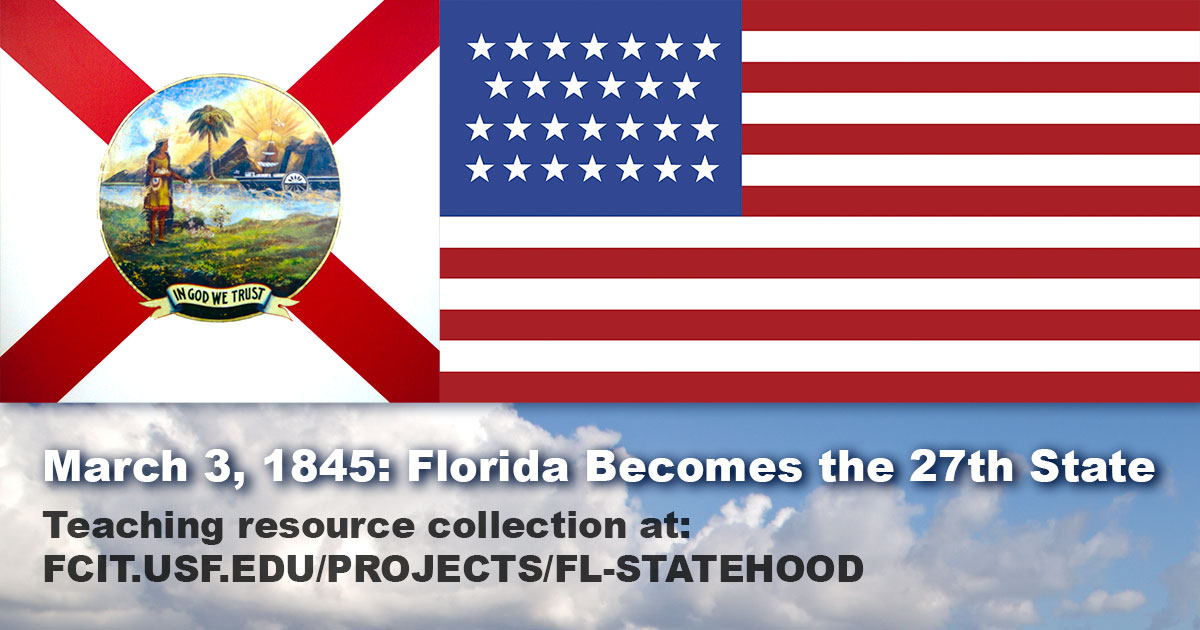
On March 3, 1845, Florida officially became the 27th state of the United States. This date marks a pivotal moment, not only for the peninsula itself but for the broader narrative of American westward expansion and the delicate balance of power that characterized the antebellum period. This article explores the intricate historical tapestry that culminated in Florida’s statehood, examining the various forces and events that sculpted its identity long before it became the modern destination we know today.
The Road to Statehood: A Complex Tapestry of Ownership
Florida’s unique geographical position, acting as a gateway between the Atlantic Ocean and the Gulf of Mexico, made it a coveted prize for European powers for centuries. Its history is a testament to shifting allegiances, imperial ambitions, and the enduring resilience of its native inhabitants.
Early European Claims and Indigenous Heritage
Before any European set foot on its shores, Florida was home to a diverse array of indigenous peoples, including the Timucua, Calusa, Tequesta, Apalachee, and later the Creek and Miccosukee peoples, who would eventually form the core of the Seminole nation. Their vibrant cultures thrived for thousands of years, shaping the land and its resources long before the arrival of outsiders.
The European chapter began in 1513 when Juan Ponce de León, a Spanish explorer, landed on the peninsula, naming it “La Florida” in honor of the Easter Pascua Florida (Festival of Flowers). This marked the beginning of Spain’s enduring, albeit often tenuous, claim over the territory. For over 200 years, Florida remained largely under Spanish control, though its grip was frequently challenged by French and British interests. Settlements like St. Augustine, founded in 1565, became crucial outposts, representing the oldest continuously inhabited European-established settlement in the United States.
Spanish Colonial Rule and Cession to the United States
The eighteenth century saw Florida become a pawn in larger European conflicts. Following the French and Indian War (1754-1763), Spain ceded Florida to Great Britain in exchange for Havana, Cuba. The British divided the territory into East Florida (with its capital in St. Augustine) and West Florida (with its capital in Pensacola), introducing new administrative structures and encouraging settlement. However, British rule was relatively short-lived. During the American Revolutionary War, Spain, allied with France, reconquered parts of Florida and, through the Treaty of Paris in 1783, regained the entire colony.
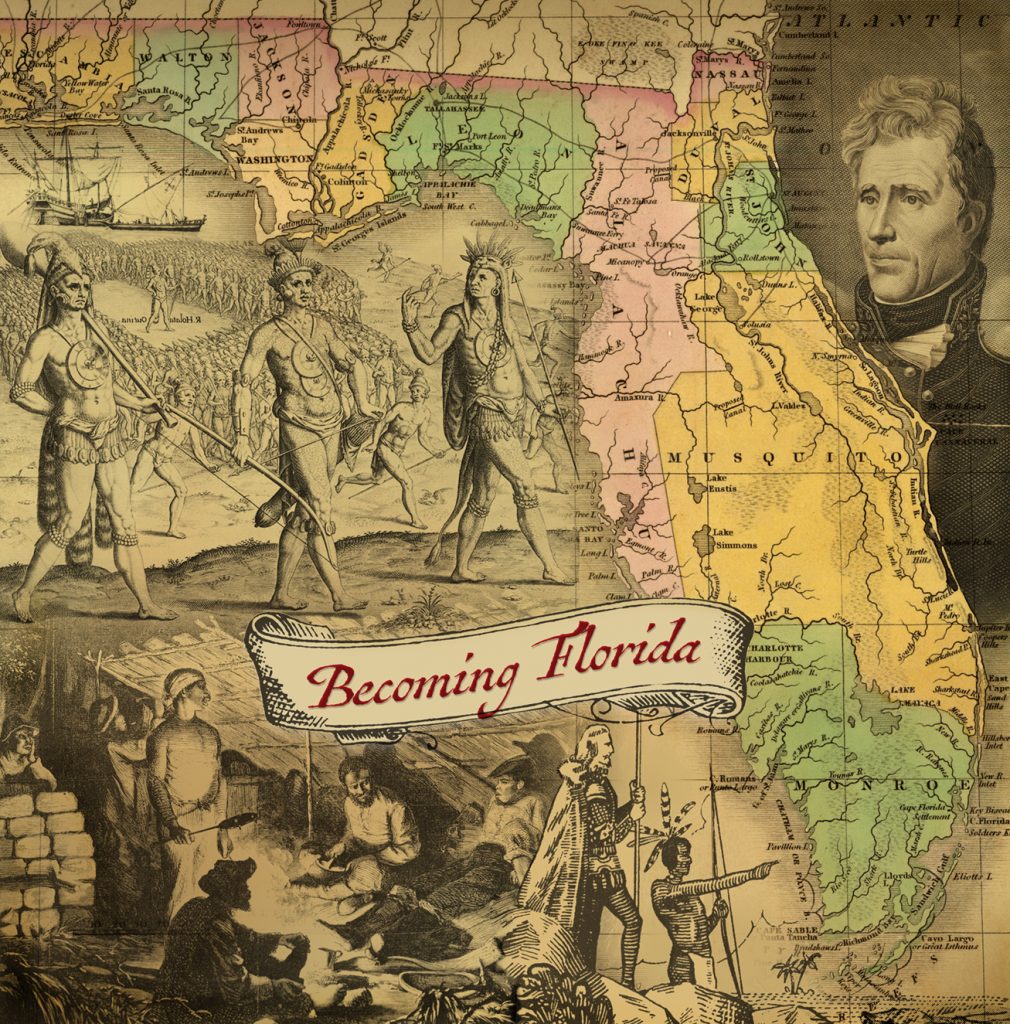
Spanish re-acquisition, however, coincided with the rise of the independent United States. American settlers, driven by expansionist fervor and drawn by fertile lands, began to encroach upon Florida’s borders. The territory became a sanctuary for runaway slaves and a base for various indigenous groups who resisted American expansion, leading to border disputes and military incursions by the United States military. The First Seminole War (1816-1819), spearheaded by General Andrew Jackson, effectively weakened Spanish control.
Recognizing the impracticality and cost of maintaining a distant and vulnerable colony, Spain ultimately decided to cede Florida to the United States. This historic transaction occurred with the signing of the Adams-Onís Treaty (also known as the Transcontinental Treaty) in 1819, though it was not ratified until 1821. Under the terms of the treaty, Spain relinquished all claims to Florida in exchange for $5 million in claims against Spain and the formalization of the western boundary of the Louisiana Purchase. This marked the end of over 300 years of European colonial rule and ushered in a new era for the peninsula.
Establishing the Florida Territory
Upon its acquisition, Florida became an organized territory of the United States, embarking on a journey that would consolidate its identity and lay the groundwork for statehood.
Governance and Early Development
On March 30, 1822, the United States Congress officially established the Florida Territory. General Andrew Jackson, a prominent figure in the acquisition, was appointed as its first military governor, though his tenure was brief. The newly formed territory needed a central capital, as the existing major towns, St. Augustine and Pensacola, were far apart and represented distinct cultural legacies. A site roughly equidistant between them was chosen, and by 1824, Tallahassee was established as the territorial capital, a decision that symbolically united East and West Florida.
Early territorial governance focused on establishing legal frameworks, surveying lands, and encouraging settlement. The territory adopted a legislative council, initially appointed by the President but eventually becoming elective. Land grants were offered to encourage migration, primarily from the southern United States, leading to a significant demographic shift and the expansion of cotton and sugar cane plantations.
Population Growth and Frontier Challenges
The territorial period was characterized by rapid population growth, albeit one fraught with conflict. The influx of American settlers inevitably led to increased pressure on the lands held by the indigenous Seminole people. This tension escalated into the Second Seminole War (1835-1842), one of the longest and costliest Indian wars in American history. The conflict resulted in the forced removal of most Seminole people to Indian Territory (present-day Oklahoma), though a small, resilient group famously evaded capture and continues to reside in Florida to this day.
Despite these challenges, or perhaps in part because of the perceived availability of new lands after the removal of Native Americans, the territory continued to grow. By the 1830s, the population, including a substantial enslaved African American population crucial to the agricultural economy, had reached a point where calls for statehood became increasingly vocal. Proponents argued that statehood would grant Florida greater self-governance, more direct representation in the United States Congress, and access to federal resources for infrastructure development.
The Critical Date: March 3, 1845
The clamor for statehood reached a crescendo in the early 1840s, setting the stage for the formal admission of Florida into the United States.
The Admission Act and Its Context
The drive for Florida’s statehood was deeply intertwined with the contentious issue of slavery and the delicate balance of power in the United States Congress. At this time, the admission of new states was often paired – one slave state with one free state – to maintain equilibrium in the Senate. Florida sought admission as a slave state, a stance that required finding a counterpart to ensure congressional approval.
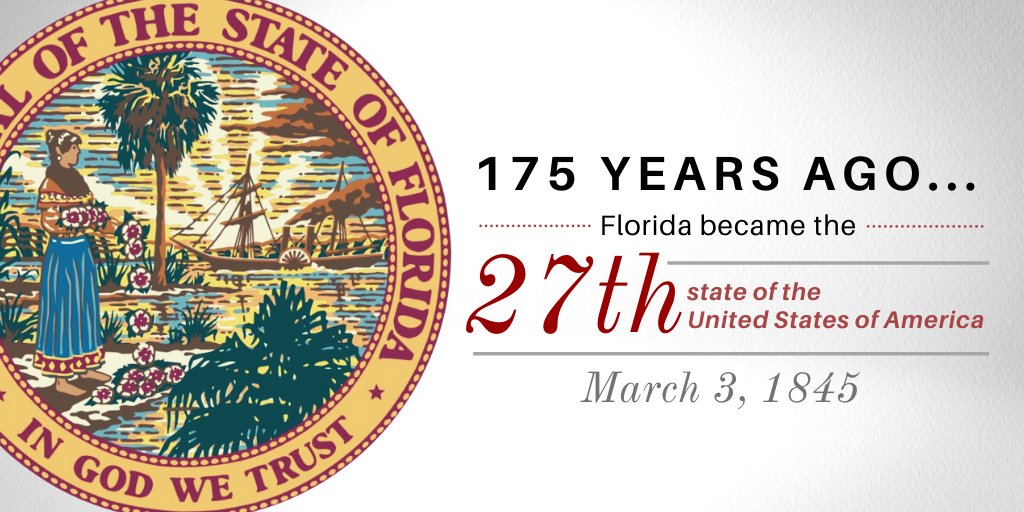
The perfect pairing came in 1845 with Iowa, which was seeking admission as a free state. On March 3, 1845, President John Tyler signed the bill that simultaneously admitted Florida as the 27th state and Iowa as the 29th state. (The 28th state, Texas, was admitted later that year, but its path was distinct and involved annexation rather than territorial evolution.) This legislative maneuver reflected the political realities of the era, where the expansion of the nation was perpetually shadowed by the looming conflict over slavery.
Florida’s Unique Position as the 27th State
Upon achieving statehood, Florida formally adopted a constitution that had been drafted and approved by a convention in 1838-1839. This constitution largely mirrored those of other southern states, solidifying its identity as a slaveholding agricultural economy. The state’s immediate focus shifted to developing its nascent infrastructure, establishing a more robust governmental structure, and integrating more fully into the national economy.
Florida’s strategic location, with extensive coastlines on both the Atlantic and Gulf sides, immediately enhanced the United States’ maritime presence and defensive capabilities. Its natural resources, particularly timber and agricultural potential, promised economic growth. However, the legacy of the Seminole Wars and the continued presence of indigenous resistance in the Everglades would remain a complex issue for years to come.
The Legacy of Statehood: Shaping Modern Florida
The act of statehood on March 3, 1845, was not merely a ceremonial gesture; it was a foundational moment that profoundly shaped Florida’s trajectory and continues to define its character today.
Economic and Social Transformation
Statehood provided Florida with the framework necessary for significant economic and social development. While its early economy remained heavily reliant on agriculture, particularly cotton and citrus, state control over land policies and infrastructure projects allowed for more systematic growth. The establishment of internal improvements, such as roads and rudimentary canals, began to connect the disparate parts of the state.
Post-Civil War, and especially during the late 19th and early 20th centuries, Florida underwent massive transformation. Visionaries like Henry Flagler invested heavily in railroad development and luxury resorts, effectively opening up the state’s Atlantic coast and pioneering its tourism industry. This period saw the rise of iconic destinations like Miami, Palm Beach, and St. Petersburg, turning what was once a frontier into a sought-after playground.
Enduring Historical Significance
Today, the historical narrative of Florida’s statehood is more than just a date; it’s a critical landmark in the state’s identity. It represents the culmination of centuries of cultural intermingling, territorial struggles, and the inexorable march of American expansion. Understanding 1845 helps us appreciate the diverse influences that have shaped Florida – from its Spanish colonial architecture in St. Augustine and Pensacola to the remnants of its plantation past, and the enduring presence of its Seminole and Miccosukee communities.
The state’s history is a living tapestry, influencing everything from its unique blend of cultures to its political landscape. It provides context for the diverse communities, the vibrant festivals, and the very character of its people. The challenges faced during the territorial period, the economic drivers of statehood, and the subsequent growth into a major national and international destination are all rooted in this pivotal moment.
Exploring Florida’s Historical Landmarks Today
While Florida is widely celebrated for its modern attractions like Walt Disney World Resort and the Kennedy Space Center, its historical landmarks offer a profound connection to its past, allowing visitors to walk through the very events that led to its statehood.
Sites Commemorating Statehood
For those interested in delving deeper into Florida’s journey to statehood, numerous sites across the state offer insightful experiences. The historic districts of St. Augustine and Pensacola are living museums, with colonial forts, preserved homes, and museums that tell the story of Spanish, British, and early American influences. The Historic St. Augustine Colonial Quarter or the Fort Barrancas in Pensacola provide tangible links to the pre-statehood era.
In Tallahassee, the state capital, the Old Florida State Capitol Building stands as a monument to the legislative processes that shaped the territory and led to its admission. It houses a museum that chronicles Florida’s political history, offering insights into the debates and decisions that defined its early years as a state. Additionally, various state parks and historical sites across Florida preserve the memory of the Seminole Wars and the indigenous cultures that resisted American expansion, reminding us of the human cost and complex narratives behind territorial growth.
The Continuing Narrative
These landmarks are not merely static relics; they are vibrant spaces that continue to educate and engage. They underscore the fact that Florida’s history is an ongoing narrative, one that constantly interacts with its present. From the efforts to preserve historic architecture to the educational programs in museums, the legacy of 1845 continues to inform how we understand and experience the state today. Visiting these sites offers an engaging way to grasp the significance of Florida’s statehood and its lasting impact on this remarkable part of the United States.
In conclusion, the answer to “What year did Florida become a state?” is 1845. However, this simple date belies a much grander and more intricate historical narrative. It is a story of conquest, cultural fusion, political maneuvering, and the enduring spirit of a land that has captured imaginations for centuries, ultimately becoming the vibrant, diverse state it is today.
LifeOutOfTheBox is a participant in the Amazon Services LLC Associates Program, an affiliate advertising program designed to provide a means for sites to earn advertising fees by advertising and linking to Amazon.com. Amazon, the Amazon logo, AmazonSupply, and the AmazonSupply logo are trademarks of Amazon.com, Inc. or its affiliates. As an Amazon Associate we earn affiliate commissions from qualifying purchases.