
Navigating the sprawling metropolis of New York City is an adventure in itself, a vibrant tapestry of iconic landmarks, diverse cultures, and endless opportunities for exploration. For anyone, whether a long-term resident, a new arrival, or a wide-eyed tourist, understanding the city’s intricate public transportation system is paramount to unlocking its full potential. At the heart of this system lies the MetroCard, your indispensable key to the subway and bus networks managed by the MTA (Metropolitan Transportation Authority). While single rides or weekly passes might suffice for shorter visits, the monthly MetroCard offers unparalleled freedom and cost-efficiency for those planning an extended stay or frequent travel throughout the five boroughs.
The question, “How much is a monthly MetroCard in New York?” is not just about a numerical value; it’s about the value it unlocks in terms of convenience, accessibility, and the sheer scope of experiences it puts within reach. From the bustling streets of Manhattan to the artistic enclaves of Brooklyn, the cultural melting pots of Queens, the historic charm of The Bronx, and the ferry-accessible beauty of Staten Island, the MetroCard connects every corner of this magnificent urban landscape. This guide delves into the precise cost of a monthly MetroCard, explores its advantages, compares it with other travel options, and illustrates how it integrates seamlessly into the daily life of New Yorkers and the itineraries of discerning travelers, all while considering its impact on accommodation choices and overall lifestyle in the city.
Understanding the MetroCard System: Your Gateway to New York City
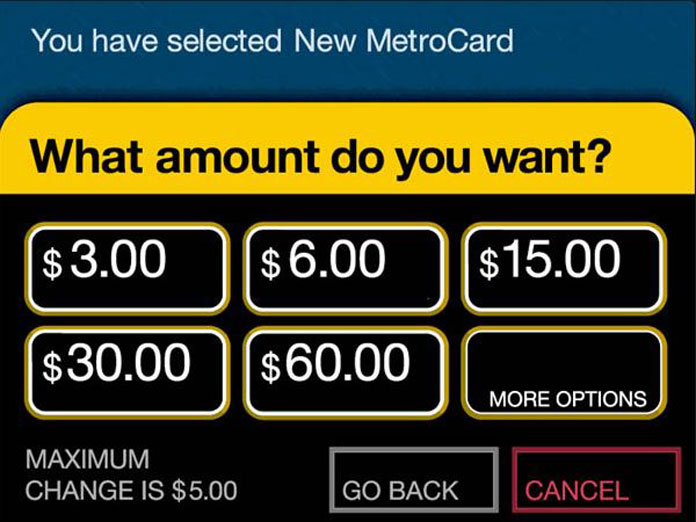
Before diving into the specifics of monthly pricing, it’s crucial to grasp the fundamentals of the MetroCard system. The MTA operates one of the most extensive public transportation networks in the world, serving millions of riders daily across its subway lines, local and express bus routes, and even the Staten Island Railway. The MetroCard is the primary fare payment method for these services, offering both pay-per-ride and unlimited ride options.
The Cost of a Monthly Unlimited Ride MetroCard
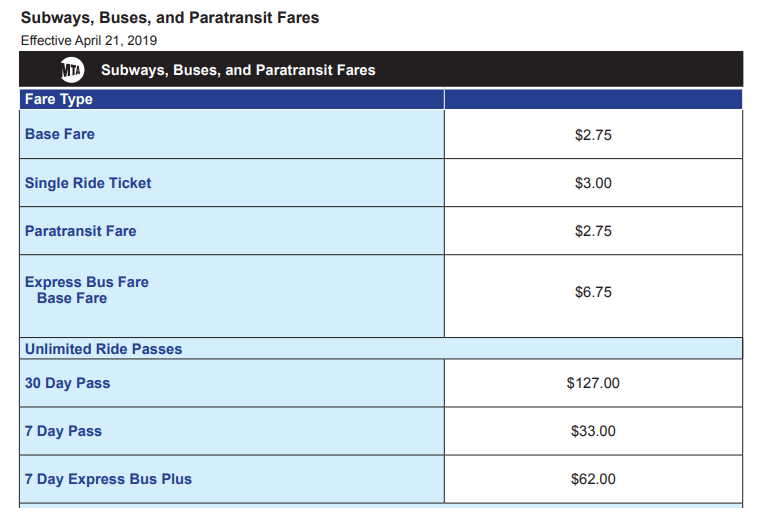
As of late 2023, the cost for a 30-Day Unlimited Ride MetroCard is $127.00. This flat fee grants you unlimited access to the entire subway and MTA local bus system for a full 30 consecutive days from its first use. For frequent travelers, commuters, or anyone planning an immersive, month-long exploration of New York City, this pass represents significant savings and unparalleled convenience. Consider that a single ride costs $2.90. If you take more than 44 rides within 30 days (44 rides * $2.90 = $127.60), the monthly pass becomes more economical than paying per ride. Given the city’s vastness and the myriad of destinations, reaching this threshold is easily achievable for most visitors and certainly for residents.
Other MetroCard Options: Flexibility for Every Traveler
While the 30-day pass is ideal for extensive use, the MTA offers other options to suit varying travel needs:
- Pay-Per-Ride MetroCard: This option allows you to load a dollar amount onto the card, and each ride costs $2.90, deducted from the balance. It’s suitable for infrequent travelers or those who prefer walking or using other modes of transport for most of their journeys. A new MetroCard itself costs $1.00, but this fee is waived if you refill an existing card.
- 7-Day Unlimited Ride MetroCard: Priced at $34.00, this pass provides unlimited rides for seven consecutive days. It’s an excellent choice for tourists spending a week in the city, offering a balance between cost-effectiveness and flexibility for intensive sightseeing without the longer commitment of a monthly pass.
- SingleCare Tickets: Available at subway station vending machines, these are paper tickets valid for a single ride and cost $3.25. They are generally not recommended due to their higher price and lack of transfer benefits, making them a last resort.
Where to Purchase Your MetroCard
Purchasing a MetroCard is straightforward. They can be acquired at:
- Subway Stations: Vending machines are available at every subway station. These machines accept cash, credit, and debit cards.
- MTA Buses: Some local bus drivers may sell single-ride cards or allow exact change.
- Authorized Retailers: Numerous convenience stores, newsstands, and pharmacies across the city are authorized to sell and refill MetroCards. Look for the “MetroCard” logo.
It’s worth noting that New York City is gradually transitioning to OMNY, a contactless fare payment system that allows riders to tap and go using their credit/debit cards or mobile wallets. While OMNY currently offers a “fare capping” feature where rides accumulate to the equivalent of a 7-day unlimited pass, a 30-day unlimited option is still in development for OMNY, making the physical MetroCard the go-to for monthly passes.
Navigating the Big Apple: The MetroCard as Your Essential Travel Companion
For visitors focused on tourism and experiencing the best of New York, the monthly MetroCard transforms from a simple fare card into an all-access pass to adventure. It’s not just about getting from point A to point B; it’s about the freedom to spontaneously explore, revisit favorite spots, and truly immerse oneself in the city’s rhythm without the constant worry of individual ride costs.
Reaching Iconic Landmarks and Attractions
Imagine a month-long itinerary packed with exploration. Your monthly MetroCard becomes the backbone of this journey, effortlessly connecting you to every major attraction:
- Midtown Manhattan: Ride the subway to Times Square for its dazzling billboards, ascend the Empire State Building for panoramic views, marvel at the architecture of Grand Central Terminal, or catch a show on Broadway. All are just a few subway stops away. The Museum of Modern Art and Rockefeller Center are equally accessible.
- Downtown Manhattan: Easily reach the Financial District to see Wall Street, the Charging Bull, and the One World Trade Center with its stunning Oculus. A short walk or a quick bus ride will get you to the ferry terminal for a visit to the Statue of Liberty and Ellis Island. Don’t forget to walk across the iconic Brooklyn Bridge, which can be accessed from multiple Manhattan subway stations.
- Uptown and Beyond: Explore the serene beauty of Central Park, wander through the galleries of the Metropolitan Museum of Art on the Upper East Side, or discover the cultural vibrancy of Harlem. Your MetroCard makes it all possible without hesitation.
- The Outer Boroughs: Don’t limit your exploration to Manhattan. Head to Brooklyn for a stroll through Williamsburg’s trendy shops, visit the botanical garden, or enjoy the seaside attractions of Coney Island. Catch a baseball game at Yankee Stadium in The Bronx or Citi Field in Queens. Each journey is covered by your monthly pass.
Exploring Diverse Neighborhoods and Culinary Delights
New York City is a mosaic of distinct neighborhoods, each offering a unique flavor and experience. With an unlimited MetroCard, you can hop on and off, savoring the local culture, cuisine, and atmosphere:
- Foodie Adventures: Indulge in authentic Italian food in Little Italy, dim sum in Chinatown, or trendy brunch spots in Greenwich Village. Your monthly pass encourages spontaneous food crawls across different boroughs.
- Shopping Sprees: From the high-end boutiques of SoHo to the vintage shops of the East Village, the MetroCard takes you there.
- Art and Culture: Discover hidden galleries in Chelsea, catch an independent film, or wander through historic districts like the Flatiron Building area.
The freedom to explore without the constant financial consideration of each ride enhances the travel experience, transforming it into a more immersive and less stressful adventure.
Connecting to Major Transport Hubs and Airports
While the MetroCard covers the subway and bus lines, it also facilitates connections to the city’s major transport hubs. For instance, you can use your MetroCard to reach Grand Central Terminal or Port Authority Bus Terminal for regional travel. For airport access, while the AirTrain to JFK Airport and Newark Liberty International Airport requires a separate fare, you can use your MetroCard to reach the Jamaica Station (for JFK AirTrain) or MTA subway stations that connect to New Jersey Transit (for Newark Liberty International Airport). For LaGuardia Airport, a MetroCard bus (like the M60 SBS) directly connects to various Manhattan subway lines, making airport transfers surprisingly affordable.
MetroCard vs. Other Transportation Options: A Cost-Benefit Analysis
Understanding the monthly MetroCard’s value requires comparing it against the backdrop of New York City’s other transportation alternatives. Each option presents its own set of advantages and disadvantages in terms of cost, convenience, and travel experience, directly impacting the overall lifestyle and budget travel strategy.
Taxis and Ride-Shares: Convenience at a Premium
Yellow cabs and ride-sharing services like Uber and Lyft offer undeniable convenience, door-to-door service, and comfort, especially late at night or when traveling with luggage. However, this comes at a significant financial cost. Even short rides can quickly add up, easily exceeding the daily cost of an unlimited MetroCard with just a couple of trips. Surge pricing during peak hours or bad weather can inflate fares dramatically. For a month-long stay, relying solely on these services would be astronomically expensive, far outweighing the $127.00 monthly MetroCard investment. While they have their place for specific situations, they are not a sustainable daily transportation solution for most.
Buses: The Surface-Level Alternative
The MTA bus system is extensive and offers a unique perspective of the city, allowing riders to see the streets and architecture rather than traveling underground. Bus fares are covered by the MetroCard, offering seamless transfers between bus and subway within a two-hour window. However, bus travel can be significantly slower than the subway, especially during peak traffic hours, making it less ideal for time-sensitive journeys. For leisurely exploration or reaching areas not directly served by the subway, the bus is an excellent, MetroCard-inclusive option.
Walking and Biking: For Shorter Distances and Scenic Routes
New York City is a fantastic city for walking, particularly within neighborhoods or for crossing short distances, for instance, from Times Square to Radio City Music Hall. It’s free, offers great opportunities for spontaneous discovery, and contributes to a healthy lifestyle. Citi Bike, the city’s bike-share program, is another option for active individuals, providing an efficient way to cover moderate distances, especially in areas like Central Park or along the High Line. While excellent for specific scenarios, neither walking nor biking are practical for covering the vast distances required to fully experience all of New York City’s offerings in a month-long trip. The monthly MetroCard complements these options by providing a reliable and rapid transit solution for longer journeys, allowing you to save your energy for exploring on foot once you’ve arrived at your destination.
Lifestyle and Accommodation: How Your MetroCard Influences Your New York Experience
The decision to purchase a monthly MetroCard extends beyond simple transportation costs; it deeply influences your choice of accommodation and the overall lifestyle you’ll experience in New York. For both temporary visitors seeking hotels or apartments and those considering a longer stay, proximity to reliable subway access becomes a critical factor.
Choosing Your Accommodation Wisely: Proximity to Subway Lines
When booking hotels or searching for long-term accommodation in New York City, the location’s accessibility to subway stations often trumps other amenities. A monthly MetroCard gives you the flexibility to consider more affordable hotels or vacation rentals in neighborhoods slightly further from Manhattan’s core, without sacrificing travel time or convenience.
For example, an apartment in Long Island City, Queens, or a hotel in Downtown Brooklyn might offer better value than a comparable option in Midtown. With a monthly MetroCard, a 15-20 minute subway ride from these areas can get you to Times Square or the Financial District just as quickly, if not quicker, than navigating Manhattan traffic. This expands your options significantly, allowing you to find accommodation that better fits your budget travel goals or preferred neighborhood vibe. Without the unlimited pass, each trip from these outer-borough locations would chip away at your travel budget.
Budget-Friendly Exploration for Travelers
For visitors on a budget travel plan, the monthly MetroCard is a game-changer. It allows for spontaneous decisions and repeated visits to favorite attractions or destinations without the financial penalty. Want to spend an entire afternoon at the Tenement Museum in the Lower East Side, then quickly zip uptown to walk through Washington Square Park and enjoy the evening in Greenwich Village? Your MetroCard facilitates these seamless transitions, encouraging deeper immersion rather than hurried, cost-conscious itineraries. This is particularly valuable for tourism experiences that involve exploring local culture, food, and activities far and wide.
The Commuter’s Lifeline and Daily Routine
For residents, the monthly MetroCard is more than just a convenience; it’s a lifeline. It’s an integral part of the daily commute, connecting homes in Brooklyn, Queens, or The Bronx to workplaces in Manhattan. The predictability of its cost helps New Yorkers manage their monthly expenses, making it a crucial element of their financial planning. Whether it’s for work, school, visiting friends, or simply running errands, the unlimited pass supports the high-mobility lifestyle that defines New York City living. It frees up mental bandwidth, allowing commuters to focus on their day rather than calculating fares. This is especially true for those utilizing commuter rail services like the Long Island Rail Road or Metro-North Railroad, where a MetroCard ride to the terminal is often the first leg of their journey.
Tips for Maximizing Your MetroCard Experience
To truly make the most of your monthly MetroCard and enhance your New York City experience, consider these practical tips:
Planning Your Routes Like a Local
- Download Subway Apps: Utilize apps like Citymapper or Google Maps, which provide real-time subway and bus schedules, delays, and the fastest routes. This is essential for navigating the complex system, especially during rush hour.
- Understand Express vs. Local: New York subway lines often have express and local trains. Express trains skip stops and are faster for longer distances, while local trains stop at every station. Knowing which to take can save considerable time.
- Off-Peak Travel: Whenever possible, travel during off-peak hours to avoid crowded trains and potential delays. Mid-day weekdays or weekends generally offer a more comfortable experience.
Staying Safe and Aware on the Subway
- Mind the Gap: Always be aware of the gap between the train and the platform edge when entering or exiting.
- Hold Onto Your Belongings: While generally safe, pickpocketing can occur in crowded areas. Keep bags closed and valuables secure.
- Use Common Sense: Be aware of your surroundings, especially late at night. In case of an emergency, use the intercom to contact the conductor or station agent.
Looking Ahead: The OMNY System
As mentioned, the MTA is transitioning to OMNY, a modern tap-and-go fare payment system. While the monthly unlimited option is still exclusive to the traditional MetroCard, it’s a good idea to stay informed about OMNY’s developments. For shorter visits, OMNY already offers convenient fare capping where, after a certain number of rides within a 7-day period, subsequent rides become free, mirroring the 7-day unlimited pass. However, for a full month of unlimited travel, the physical MetroCard remains the indispensable choice.
In conclusion, the monthly MetroCard in New York is far more than just a $127.00 expense; it’s an investment in unparalleled freedom, convenience, and a truly immersive New York City experience. Whether you’re a tourist exploring every facet of its rich culture and iconic landmarks, or a resident navigating its daily rhythm, this small plastic card is your unwavering companion, connecting you to every destination and shaping a comprehensive and unforgettable travel journey.
LifeOutOfTheBox is a participant in the Amazon Services LLC Associates Program, an affiliate advertising program designed to provide a means for sites to earn advertising fees by advertising and linking to Amazon.com. Amazon, the Amazon logo, AmazonSupply, and the AmazonSupply logo are trademarks of Amazon.com, Inc. or its affiliates. As an Amazon Associate we earn affiliate commissions from qualifying purchases.