
For both residents and visitors alike, observing the flag flying at half-staff in Texas can evoke a profound sense of solemnity and inquiry. It’s a powerful visual signal, a collective pause in the daily rhythm, signifying a period of mourning, respect, or remembrance. Whether you’re traveling through Austin, exploring the historic sites of San Antonio, or experiencing the vibrant city life of Houston and Dallas, the sight of a flag lowered to half-staff is a potent reminder of the shared human experience and the values that bind communities. This article delves into the various reasons behind these dignified directives, how they reflect the rich history and local culture of Texas, and what it means for those who witness it. Understanding these protocols offers a deeper appreciation for the state’s heritage and its people, making your travel experience more informed and meaningful.
The practice of lowering flags to half-staff is a long-standing tradition observed not just in the United States but in many nations worldwide, serving as a universal symbol of grief and honor. In Texas, this gesture is particularly poignant, reflecting a state deeply rooted in tradition, patriotism, and community spirit. From honoring fallen heroes to mourning significant figures or commemorating national tragedies, each half-staff order carries its own weight and story. For travelers interested in local culture, history, and the subtle nuances that define a destination, recognizing and understanding these moments provides invaluable insight into the soul of the Lone Star State. It connects you not just to the landmarks and attractions, but to the very heartbeat of its people.

The Symbolism and Protocol of Half-Staff Flags
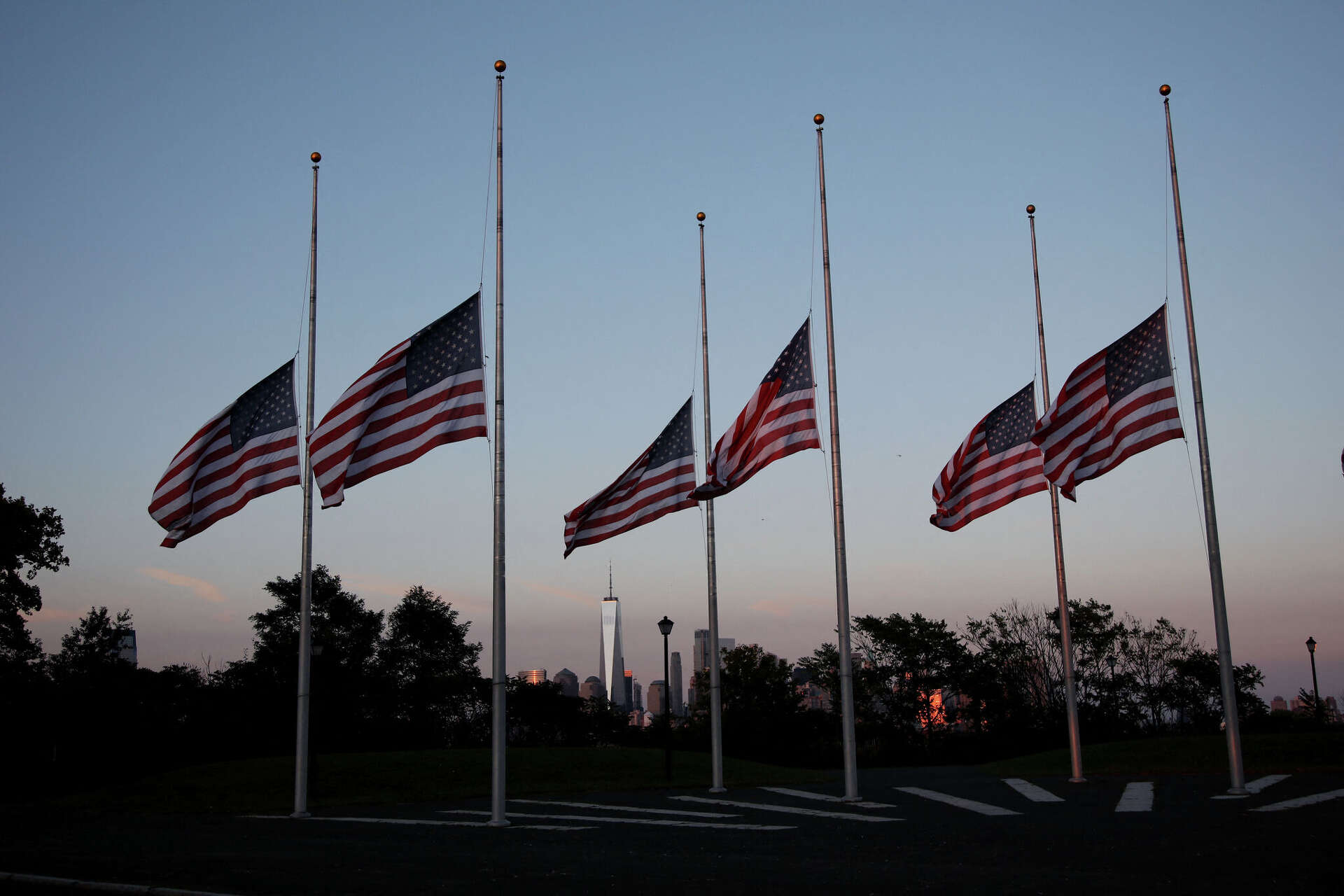
The act of flying a flag at half-staff (or half-mast for naval vessels) is a universally recognized symbol of mourning, respect, and tribute. It signifies that the nation or state is in a period of lament, acknowledging a profound loss or a significant solemn event. In the United States, and specifically within Texas, strict protocols govern when and why flags are lowered. These rules ensure that the gesture retains its gravitas and meaning, preventing its trivialization. Understanding these guidelines is key to appreciating the depth of emotion conveyed when flags across the state are seen at half-staff.
Federal law outlines the general guidelines for flying the United States flag at half-staff. Traditionally, the flag is first hoisted briskly to the peak for an instant, then slowly lowered to the half-staff position. When it is to be lowered for the day, it is again raised to the peak before being fully lowered. This meticulous process underscores the respect and reverence associated with the tradition. For the United States flag, the authority to order flags to half-staff typically rests with the President of the United States. This presidential prerogative is exercised for national tragedies, the passing of high-ranking government officials, or to commemorate significant national days of remembrance.
In Texas, the Governor of Texas holds the authority to issue similar proclamations for flags within the state. This can apply to both the United States flag and the Texas state flag, or often both simultaneously. The Governor of Texas’s orders typically pertain to events and individuals directly impacting the Lone Star State, from the death of prominent Texans to local tragedies that deeply affect communities. These state-level directives often complement or precede national orders, providing a more localized expression of grief and solidarity. The sight of flags at half-staff at the Texas State Capitol in Austin, or at various state buildings and monuments, serves as a powerful visual testament to the state’s collective sentiment. It’s a moment for reflection, a reminder of the fragility of life, and the enduring strength of community bonds. For visitors exploring Texas’s rich collection of landmarks and historical sites, recognizing this protocol enhances their understanding of the state’s cultural fabric and its deep respect for tradition and remembrance.
Common Reasons for Half-Staff Orders in Texas
The reasons for flags being lowered to half-staff in Texas are diverse, yet consistently rooted in a desire to honor, mourn, and reflect. These directives are not issued lightly and always signify an event or loss of significant impact. For those traveling through Texas, understanding these common triggers can offer a deeper insight into the state’s values, its history, and the resilience of its communities.
Honoring Fallen Heroes
One of the most frequent and profound reasons for flags to fly at half-staff is to honor fallen heroes. Texas has a deep-seated respect for service members and first responders, including police officers, firefighters, and emergency medical personnel. When one of these brave individuals loses their life in the line of duty, it sends ripples of grief across the state. The Governor of Texas will often issue a proclamation to lower flags, sometimes for several days, as a testament to their sacrifice and to offer condolences to their families and colleagues. These solemn observances are particularly noticeable in cities like Houston, Dallas, and San Antonio, where large police and fire departments are deeply integrated into the community. Visiting a local memorial or even just passing a fire station or police precinct during such a time highlights the strong community ties and the reverence for those who serve and protect. This aspect of local culture is critical for any traveler seeking an authentic Texas experience, underscoring the values that run deep within its population.
Memorializing Prominent Texans
Another significant occasion for half-staff orders is the passing of prominent Texans. This includes former governors, state senators, congress members, judges, or other influential figures who have made substantial contributions to the state’s political, cultural, or social landscape. When such an individual passes, the state mourns their loss and acknowledges their legacy. These directives serve as a collective moment of remembrance, allowing the public to reflect on the impact these individuals had on Texas and its trajectory. For instance, the passing of a beloved former Governor of Texas would undoubtedly trigger a statewide half-staff order, with flags lowered at the Texas State Capitol and other government buildings. Such events are part of the historical narrative of the state, reminding both residents and visitors of the figures who shaped the modern Texas we see today. Understanding these figures and their contributions enriches the experience of exploring Texas’s many historical landmarks and cultural institutions.
National Tragedies and Events
While the Governor of Texas has the authority to issue state-specific orders, flags in Texas are also lowered in observance of national directives. When the President of the United States orders flags to half-staff for national tragedies – such as a mass casualty event in another state, the passing of a former president (like George H.W. Bush, a proud Texan), or a national day of remembrance like Pearl Harbor Day – Texas dutifully follows suit. These moments highlight the state’s connection to the broader United States and its shared national identity, demonstrating solidarity in times of grief. For travelers, witnessing a half-staff flag during such an event underscores the unity of the nation, even as they explore the distinct cultural landscape of Texas. It’s a poignant reminder that while each state has its unique character, they are all bound by shared moments of sorrow and respect.
Local Tragedies and Community Mourning
Beyond state and national figures, flags in Texas are often lowered to honor victims of local tragedies or significant community losses. This can include devastating natural disasters like hurricanes or floods that impact entire regions, or tragic events such as school shootings that deeply wound a community. In these instances, the half-staff order serves as a visible expression of collective grief, support for the affected, and a call for remembrance. It’s a way for the state to acknowledge the suffering of its citizens and to foster a sense of unity in sorrow. These are often the most heartbreaking instances, as they directly impact everyday lives and places that travelers might frequent. For example, flags might be lowered in Uvalde after a school shooting or across the Texas coast after a devastating hurricane. Understanding this aspect of flag protocol provides insight into the immense empathy and community spirit that defines many parts of Texas. It reveals a side of travel that goes beyond typical attractions, connecting you to the very human experiences of the local population.

Where to Find Official Information on Flag Protocols
For those curious about the current flag status in Texas or seeking official information, several reliable sources exist. Staying informed about these protocols can enhance a traveler’s understanding of the local culture and current events, offering a respectful perspective during their visit.
The most authoritative source for flag directives in Texas is the Office of the Governor of Texas. The governor’s official website typically publishes executive orders and proclamations regarding flag status, detailing the reason for the half-staff order and the duration. This is the primary channel for state-level announcements. Similarly, for national directives, the official website of the President of the United States will provide proclamations for the United States flag.
In addition to official government websites, local and statewide news media outlets in Texas are excellent resources. Major news stations and newspapers in cities like Austin, Houston, Dallas, and San Antonio will report on flag directives, often providing context and background information on the individuals or events being honored. These reports can offer a deeper narrative, connecting the half-staff order to the people and stories that resonate with Texans. For travelers planning to visit specific landmarks or attractions, checking local news can offer insights into the mood and significant events impacting the community at that time.
Furthermore, some government entities, such as the General Services Commission (which manages state property), may provide public notices or guidelines regarding flag displays. While less common for general public inquiries about current half-staff orders, these agencies uphold the standards for flag protocol across state facilities. For individuals staying in hotels or resorts, the staff may also be aware of local observances and can provide guidance, which can be particularly helpful for international visitors. Understanding where to look for this information is part of immersing oneself in the local dynamics and respecting the customs of the destination.
Texas: A State of Rich History, Shared Values, and Profound Landmarks
The act of flying flags at half-staff in Texas is more than just a ceremonial gesture; it is a profound reflection of the state’s deep respect for its history, its people, and the shared values that define its character. For anyone exploring Texas – whether for travel, tourism, or an extended stay – these moments offer a unique window into the state’s soul, bridging the gap between its vibrant lifestyle and its solemn traditions.
The very landmarks and attractions that draw millions of visitors annually often become focal points during periods of mourning. The Texas State Capitol in Austin, a magnificent architectural marvel, is frequently among the first places where flags are lowered, serving as a powerful symbol of state-wide grief. Historical sites like The Alamo in San Antonio, already steeped in tales of sacrifice and remembrance, take on an even more somber significance when the flags overhead are at half-staff. Even the bustling urban centers, from the art districts of Dallas to the cultural centers of Houston, experience a collective hush, reminding everyone of the deeper bonds that exist beyond the daily hustle.
Understanding these flag protocols is an integral part of experiencing Texas’s local culture. It speaks to a collective consciousness that values life, service, and memory. For tourists, it’s an opportunity to move beyond superficial observations and engage with the authentic spirit of the place. It allows for a more respectful and empathetic engagement with communities, recognizing that behind every grand attraction lies a living, breathing society with its own joys and sorrows. Whether you’re staying in a luxury resort or a budget-friendly hotel, these shared moments transcend the typical accommodation experience, inviting a deeper connection with your surroundings.
This intersection of formal protocol and profound human emotion also touches upon the broader concept of lifestyle. Texas is often celebrated for its larger-than-life personality, its warm hospitality, and its diverse range of experiences – from thrilling rodeo events to serene nature escapes. Yet, beneath this vibrant surface lies a profound capacity for collective grief and respect. Observing a flag at half-staff offers a moment to pause and reflect on the values of community, sacrifice, and resilience that are woven into the very fabric of Texas. It enriches the travel experience, adding layers of historical and cultural context that make your visit to the Lone Star State truly unforgettable.
In conclusion, when you see flags at half-staff in Texas, know that it is a deliberate and meaningful act. It’s a visible manifestation of respect, an acknowledgment of loss, and a symbol of unity. It reflects the state’s reverence for its heroes, its leaders, and its communities in times of tragedy. For any traveler, this understanding transforms a simple observation into a poignant lesson in history, culture, and the enduring spirit of Texas.
LifeOutOfTheBox is a participant in the Amazon Services LLC Associates Program, an affiliate advertising program designed to provide a means for sites to earn advertising fees by advertising and linking to Amazon.com. Amazon, the Amazon logo, AmazonSupply, and the AmazonSupply logo are trademarks of Amazon.com, Inc. or its affiliates. As an Amazon Associate we earn affiliate commissions from qualifying purchases.