
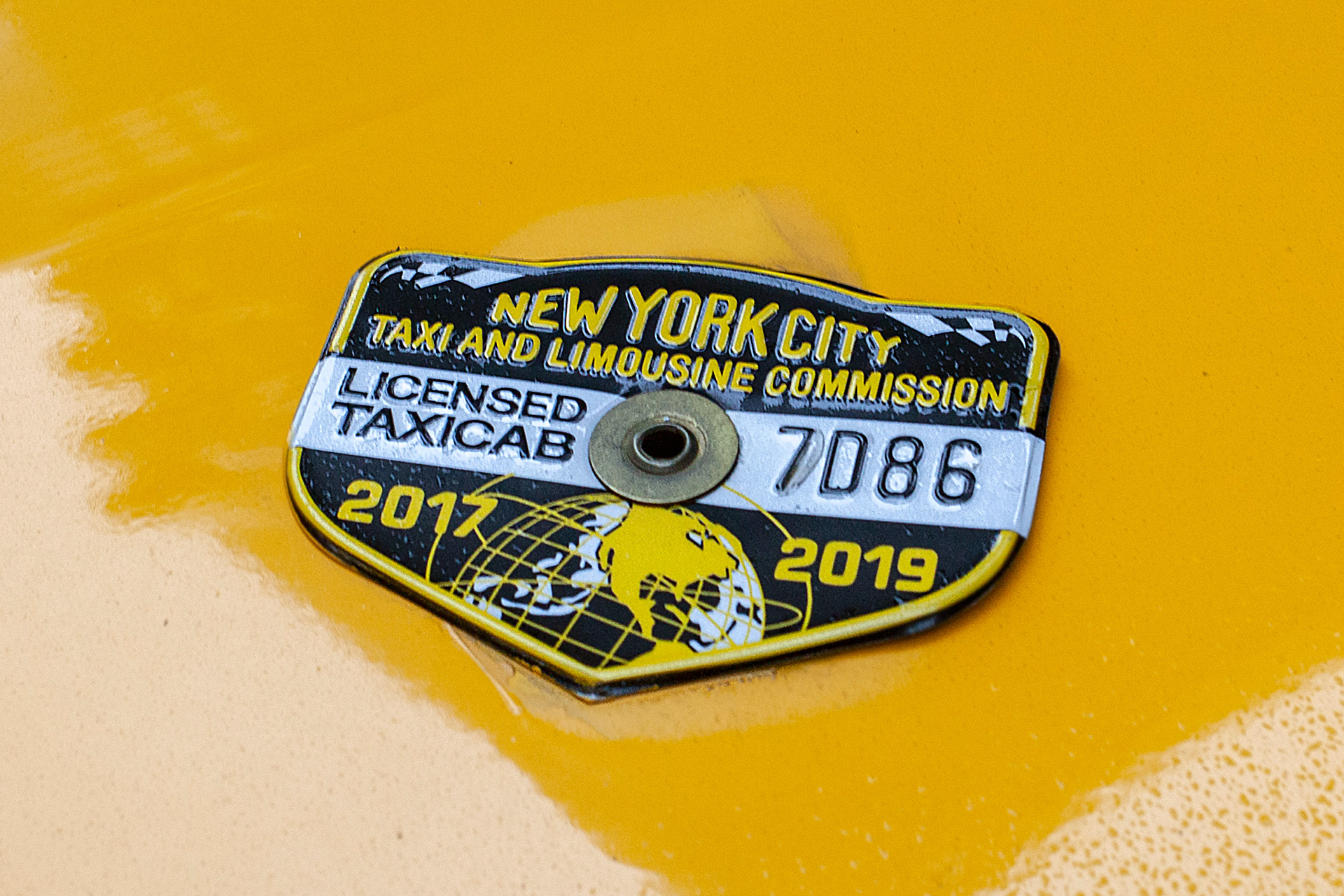
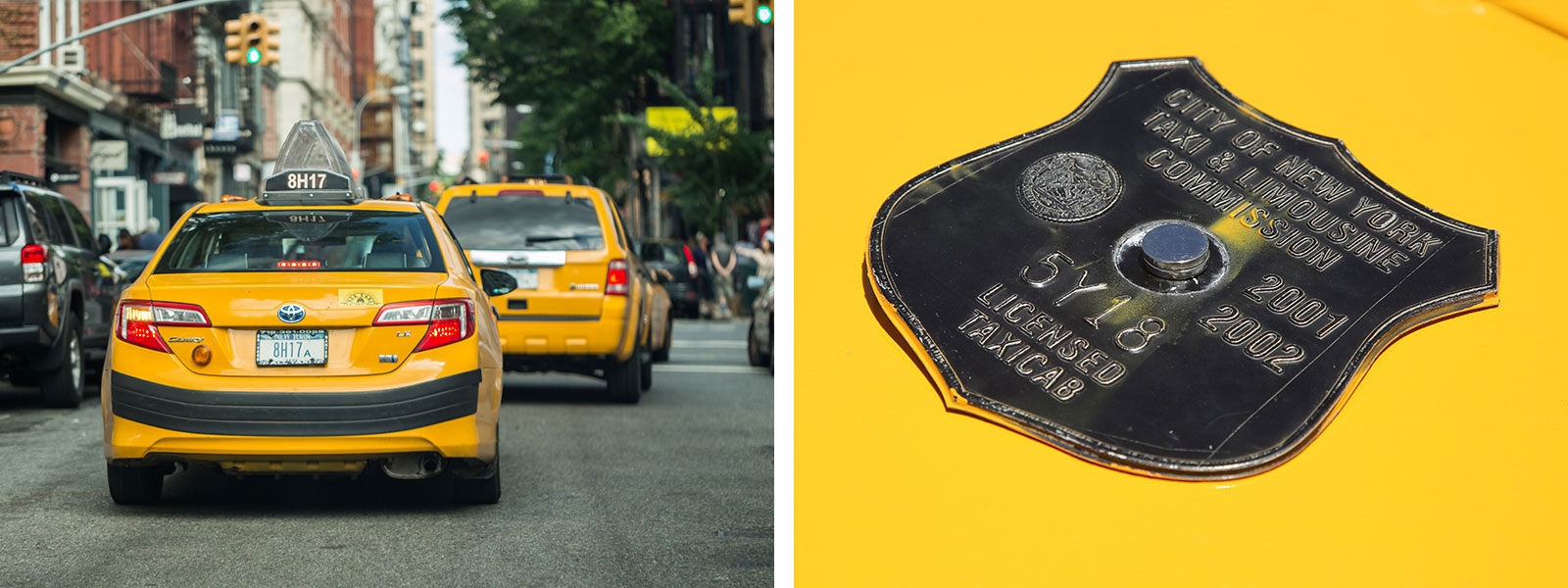
The iconic yellow New York City taxi, a symbol of the vibrant energy and relentless pace of Manhattan, is more than just a mode of transport; it’s a piece of New York history and a significant financial asset for its owner. The key to operating such a vehicle, and indeed to the taxi industry in the city, is the taxi medallion. These small, numbered discs, affixed to the windshield of every licensed yellow cab, represent the city’s authorization to operate as a for-hire vehicle. For decades, owning a medallion was akin to owning a golden ticket, a pathway to a lucrative and stable income. However, understanding the current value of a New York cab medallion requires delving into a complex market shaped by economic forces, technological disruption, and regulatory changes.
The Allure and History of the Medallion Market
The concept of taxi medallions was introduced in the early 20th century as a means to control the burgeoning taxi industry and ensure public safety and service quality. The Taxi and Limousine Commission (TLC) caps the number of medallions, creating a scarcity that has historically driven up their value. In their heyday, particularly in the early 2000s, medallions commanded astronomical prices. Owners could expect to earn a substantial income, often well into six figures annually, after accounting for operating expenses. This lucrative potential made medallions highly sought-after investments, with prices soaring into the millions of dollars by the early 2010s. Many drivers aspired to own their medallions, seeing it as the ultimate step towards financial independence and a secure retirement. The perceived stability and profitability of medallion ownership fostered a robust secondary market, where medallions were bought and sold, often with significant fanfare and speculation.
The Golden Age of Medallion Ownership
During the peak of the medallion market, owning one was considered a sound and highly profitable investment. The fixed supply, coupled with consistent demand for taxi services in a dense urban environment like New York City, created a unique market dynamic. Drivers who managed to acquire medallions often enjoyed a lifestyle that reflected their investment, affording comfortable living and a secure future. The average income for a medallion owner was substantial, making it a dream for many working in the transportation sector. This era was characterized by a belief in the enduring value of the medallion as a tangible asset, almost akin to real estate.
The Turning Tide: Factors Influencing Value
The landscape began to shift dramatically in the mid-2010s. Several converging factors contributed to a significant and sustained decline in medallion values. The most impactful disruption came with the advent of ride-sharing services like Uber and Lyft. These platforms introduced a new, flexible, and often cheaper alternative for consumers, directly siphoning off passengers and revenue from traditional yellow cabs. The ease of booking through a smartphone app, the often lower fares, and the perceived convenience chipped away at the established taxi market.
Furthermore, the economic realities of operating a taxi business became increasingly challenging. Rising fuel costs, insurance premiums, maintenance expenses, and the pressure to compete with ride-sharing services squeezed profit margins. Many medallion owners found themselves struggling to cover their operating costs, let alone generate the substantial returns they had once enjoyed. The sheer number of ride-sharing vehicles on the road also contributed to increased traffic congestion, further impacting the efficiency and profitability of traditional taxi operations. This created a ripple effect, with the falling profitability directly impacting the market value of medallions.
The Current Market Value of a New York Cab Medallion
Pinpointing an exact, definitive price for a New York cab medallion in the current market is an exercise in understanding a fluid and often opaque system. Unlike publicly traded stocks, medallion sales are not regularly reported in a centralized, easily accessible manner. Transactions occur through private sales, auctions, and brokers, making it challenging to establish a precise real-time valuation.

However, available data and market trends provide a clear picture of the dramatic shift from the peak values seen a decade ago. Medallion prices have plummeted from their all-time highs of over $1 million. Recent sales, while sporadic and subject to negotiation, have fallen into a much lower range. It is not uncommon to see individual medallion sales hovering in the $200,000 to $400,000 range, and in some instances, even lower. This represents a loss of significant value for many long-time owners. The market is no longer characterized by aggressive bidding wars and speculation; instead, it’s a more subdued environment where prices are dictated by the practical economics of operating a taxi in the current competitive landscape.
Factors Affecting Individual Sale Prices
Several variables can influence the final price of a medallion in a private sale:
- Condition and Age of the Vehicle: While the medallion itself is the primary asset, the associated vehicle’s condition, age, and features can play a role in the perceived overall value of the package being sold. A well-maintained, modern taxi might fetch a slightly higher price.
- Financing Availability: The ability for a buyer to secure financing for a medallion purchase can also impact its sale price. Lenders have become more cautious, and the terms of loans can influence what a buyer is willing or able to pay.
- Negotiation and Seller Motivation: As with any asset, the final price is heavily influenced by the negotiation between buyer and seller. A highly motivated seller, perhaps looking to exit the business due to financial strain, might accept a lower offer.
- Legal and Regulatory Environment: Any changes or proposed changes to TLC regulations, licensing requirements, or the competitive landscape can create uncertainty and affect buyer confidence, thereby influencing pricing.
The Impact of Legislation and Support Programs
Recognizing the severe financial distress experienced by many medallion owners, especially those who took out loans at peak prices, the New York City government has explored various avenues of support. These have included debt relief programs, loan restructuring initiatives, and studies into the long-term viability of the medallion system. The success and scope of these programs can indirectly influence market sentiment and, consequently, medallion values. However, the fundamental economic pressures from ride-sharing services remain the dominant force. The city has also considered measures to diversify the use of medallions or to compensate owners for the erosion of their asset’s value. The ongoing discussions and potential policy changes add another layer of complexity to the current market valuation.
The Future of Medallion Ownership and Value
The era of the medallion as a guaranteed, ever-increasing asset appears to be over. The future of medallion ownership is likely to be shaped by continued competition from ride-sharing platforms, evolving urban mobility solutions, and potential regulatory interventions. It is improbable that medallions will rebound to their former multi-million dollar valuations without a fundamental shift in the market dynamics.
Instead, the focus for potential buyers and current owners is likely to be on the realistic income potential of operating a taxi in the present day. This involves a careful assessment of operational costs, fares, and the sustained demand for traditional taxi services in specific areas or for particular customer segments. Some owners might shift towards operating their medallions more efficiently, perhaps by leveraging technology or forming cooperatives. Others may continue to hold them, hoping for a future market improvement or a beneficial government buy-out program.
Opportunities in a Transformed Market
While the challenges are significant, opportunities may still exist for those who approach the market with a clear understanding of its current realities. Smaller operators or those looking to enter the market might find that the reduced price of medallions makes ownership more accessible, provided they have a robust business plan that accounts for ongoing competition. The city’s efforts to regulate ride-sharing and potentially level the playing field could also influence future valuations.
For the average tourist or resident looking for a ride in New York, the dramatic drop in medallion values doesn’t necessarily translate to cheaper rides. Taxi fares are regulated by the TLC, and while increased competition might theoretically drive down prices, the fare structure is largely determined by mileage, time, and surcharges. The primary beneficiaries of the fallen medallion values are those who can acquire them at a significantly reduced cost and operate them profitably, or potentially, the city itself if it implements buy-back programs. The story of the New York cab medallion is a compelling case study in how technological innovation and market forces can radically transform even the most established industries.
LifeOutOfTheBox is a participant in the Amazon Services LLC Associates Program, an affiliate advertising program designed to provide a means for sites to earn advertising fees by advertising and linking to Amazon.com. Amazon, the Amazon logo, AmazonSupply, and the AmazonSupply logo are trademarks of Amazon.com, Inc. or its affiliates. As an Amazon Associate we earn affiliate commissions from qualifying purchases.