
The question of whether a Chevy Colorado is a full-size pickup truck is a common one, particularly among automotive enthusiasts and potential buyers trying to navigate the diverse landscape of trucks available today. While the Chevy Colorado is undoubtedly a capable and versatile vehicle, its classification within the pickup truck segment requires a closer look at industry standards and the distinctions between different truck sizes. Understanding these nuances is crucial for making an informed decision, whether you’re looking for a workhorse for demanding jobs, a comfortable cruiser for weekend adventures, or a vehicle that strikes a balance between maneuverability and utility.
Understanding Pickup Truck Segments
The automotive industry categorizes pickup trucks into distinct segments based primarily on their dimensions, payload capacity, towing capability, and intended use. These segments have evolved over time, but generally, they can be divided into the following broad categories:
Compact Pickup Trucks
Historically, compact pickup trucks were a popular choice for their fuel efficiency and ease of maneuverability in urban environments. They offered a good balance for individuals who needed a truck bed for occasional hauling or light-duty tasks but preferred a smaller footprint than traditional full-size trucks. However, the market for truly “compact” trucks has largely diminished in recent years, with many manufacturers phasing out these models or reclassifying them into the mid-size segment as they grew in size and capability.
Mid-Size Pickup Trucks
This is where the Chevy Colorado firmly resides. Mid-size pickup trucks represent a sweet spot for many consumers, offering a compromise between the smaller, more nimble compact trucks and the larger, more powerful full-size models. They typically feature a more manageable exterior size, making them easier to park and navigate through crowded streets compared to their larger counterparts. Despite their smaller stature, modern mid-size trucks are equipped with significant towing and hauling capabilities, often sufficient for many common tasks, from hauling gardening supplies for a weekend project to towing a small boat for a trip to Lake Mead.
Key characteristics of mid-size trucks include:
- Dimensions: Generally shorter in overall length and width than full-size trucks, contributing to better maneuverability.
- Payload Capacity: While less than full-size trucks, mid-size options can typically handle several hundred to over a thousand pounds in their beds.
- Towing Capacity: Modern mid-size trucks can often tow between 5,000 and 7,000 pounds, sometimes even more with specific configurations.
- Engine Options: Often offer a range of engine choices, from more fuel-efficient four-cylinder or V6 engines to potent turbocharged options, balancing power and economy.
Full-Size Pickup Trucks
Full-size pickup trucks, often referred to as “heavy-duty” or “half-ton” trucks (though this distinction can get blurry), are the largest and most powerful trucks in the consumer market. They are engineered for maximum towing and hauling capabilities, making them the go-to choice for demanding commercial applications, serious off-roading, and those who frequently tow large trailers, campers, or boats.
Distinguishing features of full-size trucks include:
- Dimensions: Significantly larger in length, width, and height, requiring more space for parking and maneuvering.
- Payload Capacity: Typically offer payloads ranging from around 1,500 pounds to well over 3,000 pounds.
- Towing Capacity: Capable of towing loads exceeding 10,000 pounds, with many models exceeding 15,000 pounds and even approaching 20,000 pounds in some configurations.
- Engine Options: Almost exclusively feature V8 engines or powerful turbocharged V6/diesel options designed for brute force and sustained heavy work.
The Chevy Colorado’s Place in the Hierarchy
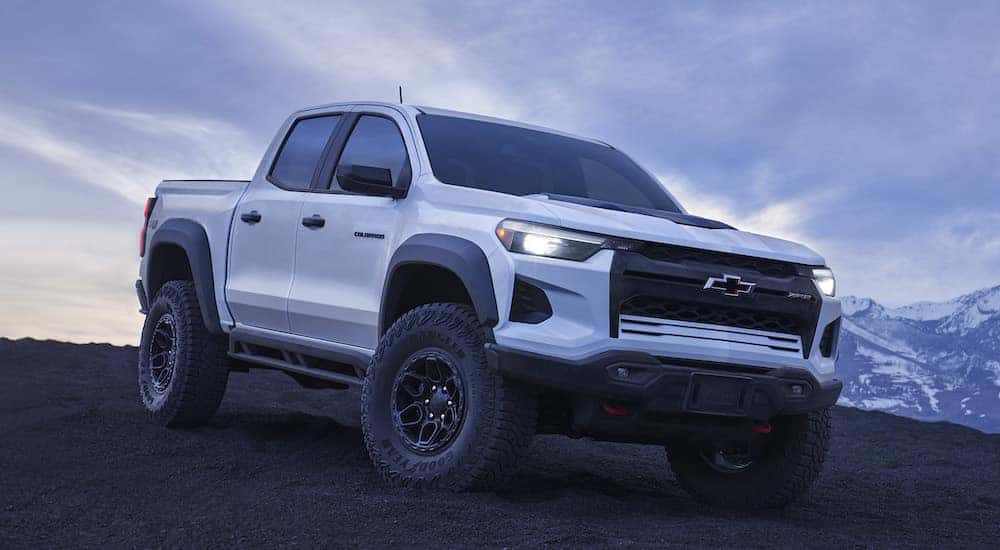
The Chevy Colorado, throughout its various generations, has consistently been positioned by General Motors as a mid-size pickup truck. This classification is not arbitrary; it’s based on its physical dimensions, its engineering for a specific range of tasks, and its place within the Chevrolet lineup relative to other truck models.

To illustrate this point, let’s compare the Chevy Colorado to its larger sibling, the Chevrolet Silverado, which is a full-size pickup truck.
Size and Proportions
When parked side-by-side, the difference in size is immediately apparent. The Chevrolet Silverado is noticeably longer, wider, and taller than the Chevy Colorado. This difference in scale translates directly into practicality for everyday use. The Chevy Colorado offers a more approachable driving experience in urban settings, fitting more easily into parking spots and navigating tighter roads, which is a significant consideration for many drivers who don’t require the absolute maximum in cargo space or towing.
Capability Metrics
While the Chevy Colorado is a very capable truck, its maximum payload and towing figures generally fall below those of the full-size Chevrolet Silverado. For instance, a properly equipped Chevy Colorado might have a maximum towing capacity around 7,700 pounds, whereas a Chevrolet Silverado can often tow 10,000 pounds or more, with some configurations exceeding 13,000 pounds. Similarly, payload capacities are also greater for the full-size model. This distinction is a primary factor in how manufacturers and consumers categorize these vehicles.
Target Audience and Intended Use
The Chevy Colorado is designed to appeal to a broader audience than just those needing extreme hauling power. It’s an excellent choice for:
- Everyday Drivers: Who want the utility of a truck bed for errands, home improvement projects, or hauling recreational gear but prefer a more car-like driving experience and better fuel economy.
- Outdoor Enthusiasts: Who need to transport kayaks, bikes, camping equipment, or tow smaller trailers for weekend getaways to places like Yellowstone National Park.
- Light Commercial Use: Small business owners or tradespeople who don’t regularly require the heavy-duty capabilities of a full-size truck but need a reliable vehicle for hauling tools and materials.
- Off-Road Adventures: With its ZR2 trim, the Chevy Colorado offers impressive off-road prowess, often rivaling or exceeding the capabilities of some full-size trucks in challenging terrain due to its more manageable size.
The Chevrolet Silverado, conversely, is primarily aimed at those who consistently need the highest towing and hauling capacities for heavy-duty work, large trailers, or demanding commercial applications.
Historical Context and Market Evolution
The classification of pickup trucks has also been influenced by market trends and the evolution of vehicle designs. In the early days of pickup trucks, the lines between “compact,” “standard,” and “heavy-duty” were perhaps more clearly defined. However, as consumer expectations and technological advancements have progressed, even mid-size trucks have grown in size and capability, blurring some of these distinctions.
The term “full-size” itself has become somewhat fluid. For many years, the Ford F-150, Chevrolet Silverado 1500, and Ram 1500 were the archetypal full-size trucks. Trucks smaller than these were considered mid-size or compact. The Chevy Colorado has always occupied the space below the Silverado in Chevrolet’s truck portfolio.
Furthermore, the resurgence of the mid-size segment in recent years, with models like the Ford Ranger and the Jeep Gladiator, has solidified the definition of this category. These trucks are distinct from the larger, more imposing full-size offerings from the same manufacturers.
Conclusion: The Mid-Size Identity
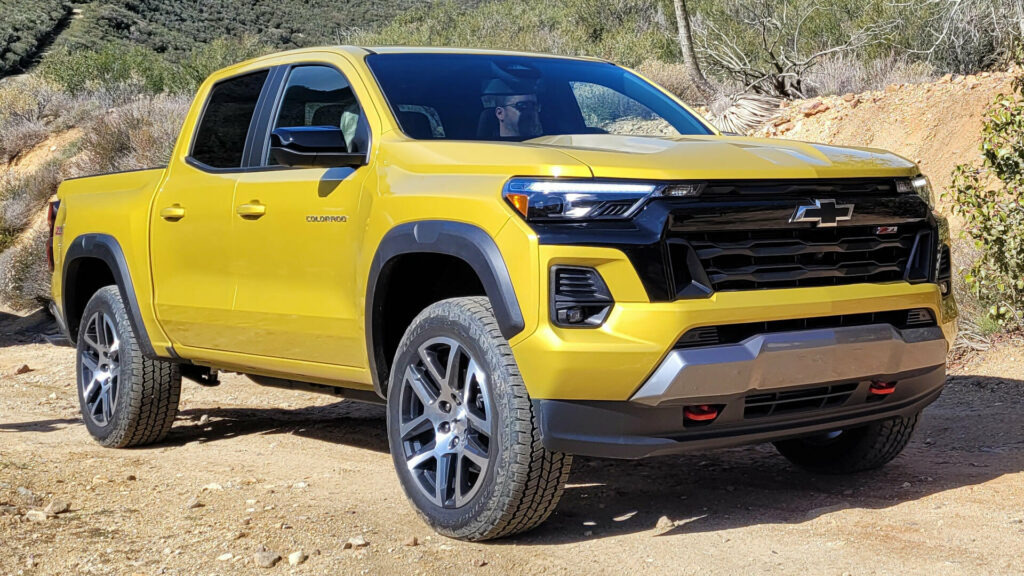
In conclusion, the Chevy Colorado is unequivocally a mid-size pickup truck. It is not a full-size pickup. This classification is based on its dimensions, its payload and towing capabilities relative to industry standards, and its strategic positioning within the Chevrolet product line.
While it offers substantial utility and can handle many tasks that might traditionally be associated with larger trucks, it does not possess the sheer size or maximum capacity of a full-size model like the Chevrolet Silverado. For many consumers, this mid-size classification is a significant advantage, providing a practical, maneuverable, and efficient option that balances capability with everyday drivability, making it an ideal choice for a wide range of lifestyles and needs, from navigating the streets of New York City to exploring off-road trails near Moab.
LifeOutOfTheBox is a participant in the Amazon Services LLC Associates Program, an affiliate advertising program designed to provide a means for sites to earn advertising fees by advertising and linking to Amazon.com. Amazon, the Amazon logo, AmazonSupply, and the AmazonSupply logo are trademarks of Amazon.com, Inc. or its affiliates. As an Amazon Associate we earn affiliate commissions from qualifying purchases.