
The name Theodore Bundy is synonymous with some of the most chilling crimes of the 20th century. While his spree of terror spanned multiple states, the legal battles that ultimately led to his conviction, and subsequent execution, had significant chapters in Florida. For those interested in the historical and legal landscape of the Sunshine State, understanding where these pivotal trials took place offers a unique lens through which to view a dark period in American history, and the meticulous workings of the justice system.
The Shadow of Crimes and the Search for Justice
Theodore Bundy’s criminal activity began in the late 1970s. After a period of evasion and escape, he was eventually apprehended and brought to trial for his horrific acts. The state of Florida became the stage for two of his most prominent and impactful trials. These were not just legal proceedings; they were events that captivated the nation, highlighting the persistence of evil and the unwavering pursuit of justice by law enforcement and the judicial system.

The decision to try Bundy in Florida was driven by the geographical location of some of his most egregious crimes, particularly the murders of young women in Lake City and the brutal attack at the Chi Omega sorority house at Florida State University in Tallahassee. The gravity of these offenses, coupled with substantial evidence, necessitated a robust legal response within the state’s jurisdiction.
The First Florida Trial: Miami
The initial legal proceedings against Theodore Bundy in Florida took place in Miami-Dade County, specifically in the city of Miami. Here, Bundy faced charges related to the murder of Carole Ann Boone, although this case ultimately did not proceed to a full trial in Miami due to various legal maneuvers and the subsequent focus on other, more compelling cases.
However, the legal machinations surrounding these early charges in Miami were significant. They represented the state of Florida’s determined effort to hold Bundy accountable for his crimes. The courtrooms in Miami became a focal point of national attention as prosecutors built their cases against a man who was increasingly becoming the face of predatory evil. The complexity of the evidence and the need for thorough investigation meant that these early stages were crucial in setting the stage for the later, more definitive trials.
The legal teams involved, including prosecutors and defense attorneys, navigated a complex web of evidence and legal precedent. The early stages in Miami served to underscore the seriousness of the charges and the commitment of the Florida justice system to addressing the crimes.

The Landmark Trial: Tallahassee
The most significant and widely publicized trial of Theodore Bundy in Florida occurred in Tallahassee, the state capital. This trial, held in Leon County, specifically addressed the brutal murders at the Chi Omega sorority house at Florida State University and the murder of Kimberly Leach in Lake City. This was where Bundy was ultimately convicted of multiple murders and sentenced to death.
The trial proceedings in Tallahassee were historic for several reasons. It was one of the first times that forensic odontology, the study of teeth and bite marks, played a crucial role in a major criminal trial. Bite mark evidence found on the victims was presented and compared to Bundy’s teeth, forming a critical piece of the prosecution’s case. The courtroom was packed with journalists, legal professionals, and concerned citizens, all eager to witness the unfolding of justice.
The courtroom itself, located within the Leon County Courthouse, became a stage for intense legal strategy. Prosecutors, led by Assistant State Attorney Vance Rawl, presented a compelling case, meticulously detailing the evidence that linked Bundy to the crimes. The defense, under the direction of Bundy himself (who elected to represent himself for a period), employed various tactics, but ultimately could not overcome the weight of the evidence.
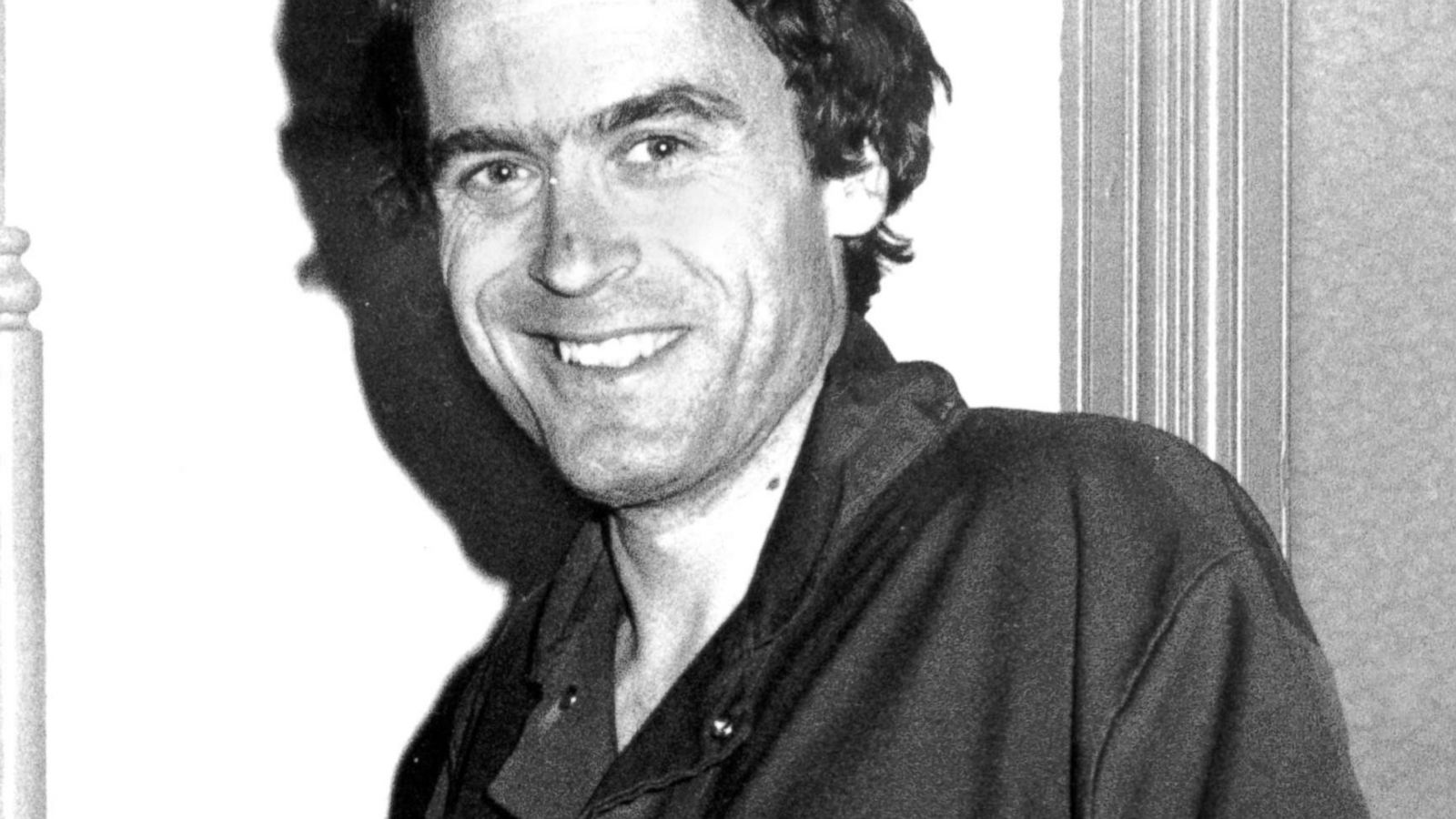
The Impact and Legacy of the Florida Trials
The trials in Florida, particularly the one in Tallahassee, had a profound and lasting impact. They brought closure to the families of the victims and sent a clear message that heinous crimes would not go unpunished. The legal precedents set and the innovative use of forensic evidence in these trials influenced future criminal investigations and court proceedings across the nation.
For those interested in the history of crime and justice in the United States, the locations of these trials are significant historical landmarks. The Leon County Courthouse in Tallahassee, though a functional government building, carries the weight of these pivotal legal battles. Visitors to Tallahassee can visit the area, contemplating the gravity of the events that transpired within its legal system.
The trials also highlighted the psychological and sociological aspects of criminal behavior. Bundy’s ability to maintain a facade of normalcy while committing such atrocities fascinated and disturbed many, contributing to a deeper understanding of psychopathy and its manifestations. The media coverage of these trials was extensive, shaping public perception and contributing to the notoriety of both Bundy and the locations where he was brought to justice.
The story of Theodore Bundy’s trials in Florida is a testament to the resilience of the legal system and the human drive for accountability. While the crimes themselves are a dark stain, the process of seeking justice within the state’s judicial framework offers a compelling narrative of courage, determination, and the pursuit of truth. The places where these trials occurred are more than just geographical points; they are sites of significant historical and legal importance, reminding us of the enduring struggle between order and chaos, and the unwavering commitment of society to uphold justice.
LifeOutOfTheBox is a participant in the Amazon Services LLC Associates Program, an affiliate advertising program designed to provide a means for sites to earn advertising fees by advertising and linking to Amazon.com. Amazon, the Amazon logo, AmazonSupply, and the AmazonSupply logo are trademarks of Amazon.com, Inc. or its affiliates. As an Amazon Associate we earn affiliate commissions from qualifying purchases.