
For anyone considering a road trip through the picturesque landscapes of the Empire State, planning a long-term stay in a bustling metropolis like New York City, or simply navigating daily life as a resident, understanding the requirements and costs associated with a New York State Inspection is absolutely essential. This isn’t just a bureaucratic hurdle; it’s a critical component of vehicle safety and environmental protection that impacts every driver on the roads of New York. From the serene Finger Lakes region to the vibrant streets of Manhattan, adherence to these regulations ensures a safer and cleaner environment for everyone. For travelers, it’s a detail that, if overlooked, can turn an exciting adventure into an unexpected headache, potentially affecting your travel budget and schedule. For residents, it’s an annual responsibility that contributes to the overall well-being of the community. This comprehensive guide will break down everything you need to know about the cost, process, and implications of a New York State Inspection, ensuring your journey through or stay in New York is as smooth as possible.
Navigating Vehicle Inspections in the Empire State
The New York State vehicle inspection program is a rigorous system designed to ensure that all registered vehicles meet specific safety and emission standards. This annual check is not merely a formality but a vital public safety measure, aiming to reduce accidents caused by mechanical failures and to curb air pollution. Whether you’re driving a compact car through the urban canyons of Brooklyn or a robust SUV through the challenging terrain of the Adirondacks, your vehicle must pass this inspection to remain legally registered and insured. Understanding its purpose and scope is the first step towards a hassle-free experience.
Understanding the Mandate: Why Your Vehicle Needs a Check-Up
The core reasons behind the mandatory annual New York State Inspection are twofold: safety and environmental protection. From a safety perspective, the inspection meticulously examines critical components that could lead to accidents if faulty. This includes brakes, steering, suspension, tires, lights, and windshield wipers. A malfunctioning brake system, for instance, poses an immediate danger not just to the occupants of the vehicle but to everyone else on the road. Similarly, worn tires can significantly increase stopping distances and reduce handling, especially in adverse weather conditions that are common across New York State from winter snows to summer downpours.
On the environmental front, the emissions inspection component is crucial for maintaining air quality, particularly in densely populated areas like Queens and Long Island. Vehicles that emit excessive pollutants contribute to smog and other respiratory issues, impacting public health. The emissions test ensures that your vehicle’s exhaust system and catalytic converter are functioning correctly, helping New York meet its stringent clean air targets. The New York Department of Motor Vehicles (DMV) oversees these regulations, ensuring consistent application across all vehicle types and regions, from the bustling capital of Albany to the scenic routes surrounding Syracuse. Ignoring these requirements can lead to fines, penalties, and even the suspension of your vehicle’s registration, creating significant disruptions for both residents and visitors alike.
What the Inspection Covers: More Than Just a Quick Glance
A New York State Inspection is a comprehensive multi-point check that goes far beyond a cursory look. It’s designed to identify any potential issues that could compromise safety or environmental standards. The safety inspection encompasses a thorough examination of:
- Brakes: Including brake pads, rotors, calipers, lines, and the parking brake.
- Steering and Suspension: Checking for loose components, worn ball joints, tie rod ends, shocks, and struts.
- Tires: Assessing tread depth, condition, and proper inflation.
- Lights: Verifying the functionality of headlights (high and low beams), tail lights, brake lights, turn signals, and hazard lights.
- Windshield and Wipers: Ensuring clear visibility, checking for cracks or damage, and confirming wiper effectiveness.
- Horn: Testing for proper operation.
- Seatbelts: Inspecting all seatbelts for damage and proper functionality.
- Exhaust System: Checking for leaks and excessive noise.
- Mirrors: Ensuring proper condition and adjustment.
For vehicles registered in designated emission inspection areas, which primarily include the New York City metropolitan area and other highly populated regions, an emissions test is also mandatory. This often involves connecting to the vehicle’s On-Board Diagnostics (OBD-II) system to read emission-related fault codes. For older vehicles, a tailpipe emissions test might be conducted. This dual approach ensures that vehicles are both safe to drive and environmentally sound, reflecting New York State’s commitment to its citizens’ well-being and natural resources, from the Catskills to Staten Island.
The Financial Landscape: Unpacking the Cost of a NYS Inspection
Understanding the cost of a New York State Inspection is crucial for budgeting, especially for travelers on extended stays or new residents. While the fee itself is relatively modest, potential repair costs can sometimes turn a routine inspection into a more significant financial outlay. Being prepared for these possibilities ensures that your travel budget for exploring wonders like Niagara Falls or your living expenses in Buffalo or Rochester remain on track.
Standard Costs: Breaking Down the Fees
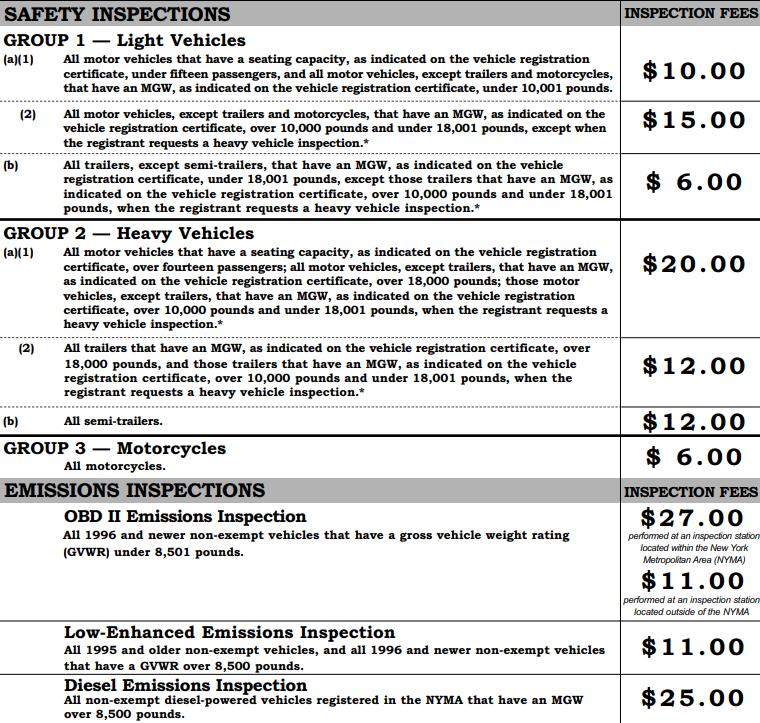
The fee for a New York State Inspection is set by the state, but there can be slight variations depending on the type of vehicle and whether an emissions test is required. Generally, the state sets a maximum charge that inspection stations can apply.
- Most Passenger Vehicles: For typical gasoline-powered cars and light trucks, the inspection fee usually ranges from $21 to $37. This often includes both the safety and emissions components. The exact price can vary slightly by county and the specific inspection station. For instance, an inspection in a rural area of Upstate New York might be at the lower end, while a station in The Bronx might charge closer to the maximum allowed.
- Motorcycles: The inspection fee for motorcycles is typically lower, often around $6 to $10, as they do not require an emissions test and have fewer safety components to examine.
- Diesel Vehicles: Diesel vehicles, depending on their model year and weight, may also be subject to an inspection, though the specific emissions test procedures differ from gasoline engines. The cost generally falls within the standard range for passenger vehicles.
It’s important to note that these are the fees for the inspection itself, not for any repairs that might be needed to pass. Always confirm the exact price with the authorized inspection station before they begin the service. Many garages will clearly display the state-mandated inspection fees.
Potential Additional Expenses: What to Budget For
While the inspection fee itself is fixed, the true financial impact can extend beyond this initial cost if your vehicle fails to meet the required standards. This is where budgeting becomes critical, especially if you’re planning a tight travel budget for your visit to New York or managing monthly expenses as a new resident.
- Repair Costs: The most significant potential additional expense comes from necessary repairs. If your vehicle fails either the safety or emissions portion, you will need to have the issues resolved by a certified mechanic. The cost of these repairs can vary wildly, from a few dollars for a burnt-out light bulb to hundreds or even thousands for major brake work, suspension components, or catalytic converter replacement. It’s wise to have an emergency fund set aside for unexpected vehicle maintenance, especially when owning a car in a new state.
- Re-inspection Fees: After repairs are completed, your vehicle will need to undergo a re-inspection. In New York State, if the re-inspection is performed at the same station within 30 days of the initial failed inspection, and only the failed items are re-checked, there may be no additional charge or a reduced fee. However, if you go to a different station, or if more than 30 days pass, you will likely have to pay the full inspection fee again. This highlights the importance of addressing issues promptly.
- Diagnostic Fees: Sometimes, an inspection station might charge a diagnostic fee to pinpoint the exact cause of an emissions failure, especially if the check engine light is on. While this isn’t part of the inspection fee itself, it’s a related cost you might encounter.
For travelers, considering a car rental for shorter trips might be more economical than dealing with potential inspection issues for a personally owned vehicle. For those looking at longer stays or permanent relocation, factoring in these potential costs is as important as budgeting for accommodation and daily expenses.
The Inspection Process: What to Expect and How to Prepare
Knowing what happens during the inspection and how to prepare can significantly streamline the process, saving you time and potential re-inspection hassles. Whether you’re stopping at a local garage on Long Island or a dealership in Albany, the core procedure remains consistent.
Locating an Authorized Inspection Station
Finding an authorized inspection station is usually straightforward. The New York Department of Motor Vehicles licenses thousands of facilities across the state.
- Gas Stations and Service Centers: Many gas stations that also offer automotive services are authorized inspection stations. These are convenient for quick drop-offs.
- Independent Repair Shops: Most independent mechanic shops are licensed to perform inspections. If you have a trusted mechanic, this is often a good option.
- Dealerships: Car dealerships for various brands also offer inspection services, especially for vehicles of their specific make.
- Online Search: The New York DMV website provides a search tool to find authorized inspection stations near your current location, whether you are visiting Rochester or commuting in New York City. Look for signs displaying the “Official New York State Inspection Station” emblem.
It’s advisable to call ahead to schedule an appointment, especially during peak times, to avoid long waits. Some stations offer a “while-you-wait” service, which is helpful if you’re on a tight schedule exploring New York’s attractions.
A Smooth Ride: Tips for a Successful Inspection
Preparing your vehicle before the inspection can greatly increase your chances of passing on the first attempt, saving you time, money, and stress. This is particularly important for anyone new to the state or those managing a vehicle while enjoying a travel experience.
- Check Your Lights: Walk around your vehicle and ensure all exterior lights are working: headlights (high and low beams), tail lights, brake lights, turn signals, and license plate lights. Replace any burnt-out bulbs.
- Wipers and Washer Fluid: Check that your windshield wipers clear the glass effectively and that your washer fluid reservoir is full. Visibility is paramount for safety.
- Tire Condition: Visually inspect your tires for adequate tread depth (the minimum is 2/32 inch), any visible damage like bulges or cracks, and ensure they are properly inflated according to your vehicle’s specifications.
- Brakes: While you can’t fully inspect your brakes yourself, listen for any squealing, grinding, or pulsations when braking. These are signs that your brake system may need attention.
- Horn: Give your horn a quick test to ensure it sounds properly.
- Seatbelts: Check all seatbelts for fraying or damage and ensure they latch and retract correctly.
- Dashboard Lights: Pay attention to any warning lights on your dashboard, especially the “Check Engine” light. If this light is on, your vehicle will automatically fail the emissions inspection. Have the issue diagnosed and repaired before your inspection.
- Documentation: Bring your vehicle’s registration and insurance card, as the inspection station will need to verify this information.
- Clear the Vehicle: Remove any unnecessary clutter from your vehicle, especially items that might obstruct the technician’s access to controls or seatbelts.
By taking these proactive steps, you can help ensure that your vehicle is in good working order and minimize the chances of a failed inspection, allowing you to get back to enjoying your New York adventure or daily routine without unnecessary delays.
Implications for Travelers and Residents
The New York State Inspection program has distinct implications for different groups, particularly those who are just visiting or relocating. Understanding these nuances can prevent legal issues and unexpected costs, ensuring a seamless experience whether you’re exploring the scenic beauty of Upstate New York or settling into a new home in New York City.
Planning Your New York Road Trip: What Drivers Should Know
For travelers embarking on a road trip through New York in their own vehicle, the annual inspection typically doesn’t directly apply unless you are a resident. Out-of-state vehicles are generally subject to the inspection laws of their home state. However, if you are planning an extended stay—for instance, living in New York for several months for work or leisure—you might eventually be required to register your vehicle in New York State, which would then trigger the inspection requirement.
- Temporary Stays: For typical tourist visits, even for a few weeks, your vehicle’s existing registration and inspection from your home state are usually sufficient.
- Long-Term Engagements: If you become a New York resident, or if you establish residency (e.g., getting a New York driver’s license, registering to vote, enrolling children in school), you generally have 30 days to register your vehicle with the New York Department of Motor Vehicles from the date residency is established. Once registered in New York, your vehicle will immediately become subject to the annual New York State Inspection requirement.
- Renting vs. Owning: For shorter visits or even medium-term stays, renting a car might be a more practical and stress-free option. Rental car companies handle all the inspection and maintenance requirements, freeing you to focus on your travel itinerary and enjoy attractions like Niagara Falls or the vibrant culture of Buffalo.
Relocating to the State: Vehicle Registration and Inspection Essentials
For individuals and families relocating to New York State, understanding the vehicle registration and inspection process is a critical part of settling in.
- Establishing Residency: As mentioned, once you establish residency in New York, you have 30 days to register your out-of-state vehicle with the New York DMV.
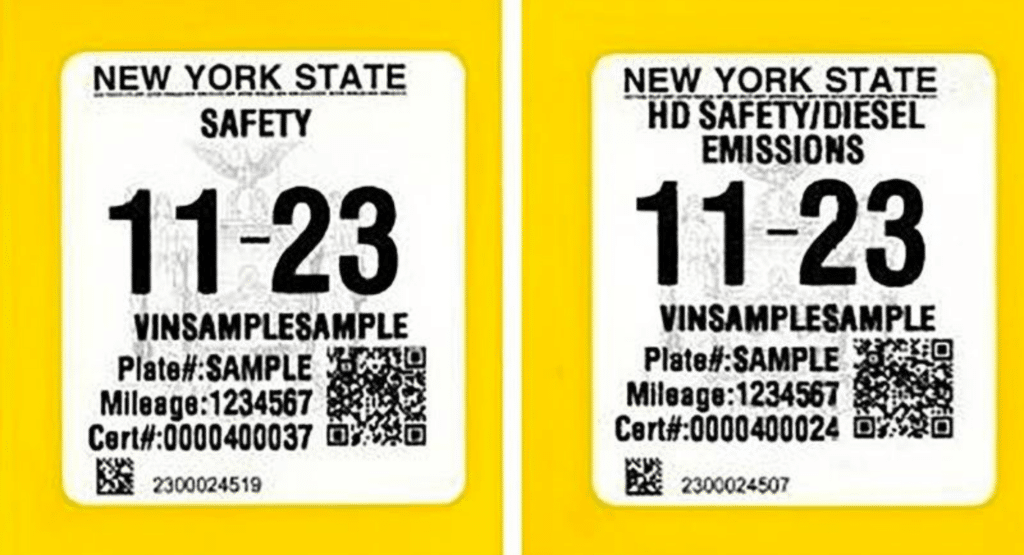
- Proof of Inspection: Before you can register your vehicle, it must pass a New York State Inspection. This means you’ll need to get your vehicle inspected shortly after arriving but before you head to the DMV to complete registration. The inspection station will issue a sticker and an inspection report, which you will need for registration.
- Title and Odometer Statement: In addition to the inspection report, you’ll need your vehicle’s out-of-state title, proof of New York auto insurance, an odometer disclosure statement, and forms of identification to complete the registration process.
- Emissions Requirements: Be aware that New York’s emissions standards are generally quite strict. If your vehicle is older or has had issues in your previous state, it might be worth having a mechanic in New York pre-check it for potential emissions problems before the official inspection.
Navigating these requirements efficiently will ensure your transition to life in New York is smooth, allowing you to focus on exploring your new surroundings, from the cultural richness of Syracuse to the natural beauty of the Adirondacks.
The Cost of Neglect: Penalties for Non-Compliance
Ignoring the New York State Inspection requirements can lead to significant financial penalties and legal repercussions that far outweigh the cost of the inspection itself. For both residents and those who establish residency, compliance is non-negotiable.
- Fines: Driving a vehicle with an expired inspection sticker or no sticker at all can result in fines. These tickets can be costly, often starting at around $50 and increasing significantly with additional penalties and surcharges.
- Registration Suspension: The New York DMV can suspend your vehicle’s registration if it does not have a valid inspection. Driving with a suspended registration is a serious offense that can lead to further fines, impoundment of your vehicle, and even more severe legal consequences.
- Insurance Issues: In the event of an accident, an expired inspection could potentially complicate insurance claims, as it demonstrates a failure to maintain the vehicle in a roadworthy condition as required by state law. This could put you in a precarious financial situation.
- Safety Risks: Beyond the legal and financial penalties, the most significant “cost of neglect” is the increased risk of a vehicle malfunction that could lead to an accident, endangering yourself and others. The inspection is designed to catch these issues before they become critical.
Ensuring your vehicle is always current with its New York State Inspection is not just about avoiding fines; it’s about responsible vehicle ownership, contributing to road safety, and maintaining the environmental integrity of the beautiful Empire State.
Beyond the Basics: Long-Term Vehicle Care and Lifestyle in New York
For those living in New York, vehicle ownership is a significant aspect of daily lifestyle. Proactive maintenance and careful budgeting are key to enjoying the freedom and convenience a car offers, without the stress of unexpected costs or legal issues related to inspections. This is especially true for residents navigating diverse environments, from the dense traffic of New York City to the rural roads of Upstate New York.
Proactive Maintenance: Keeping Your Vehicle Road-Trip Ready
A successful New York State Inspection starts long before you pull into the inspection bay. Regular, proactive maintenance not only helps you pass the annual check but also prolongs the life of your vehicle and ensures its reliability for all your travel and daily needs.
- Regular Servicing: Adhere to your manufacturer’s recommended service schedule for oil changes, tire rotations, and fluid checks. This keeps all components running smoothly.
- Brake Checks: Have your brakes inspected periodically by a qualified mechanic, not just when you hear noises. Regular checks can catch wear early, preventing more costly repairs down the line.
- Tire Care: Regularly check tire pressure and rotate them as recommended to ensure even wear. Replace tires before they reach the minimum tread depth.
- Fluid Levels: Keep an eye on engine oil, coolant, brake fluid, and power steering fluid levels. Low fluid levels can indicate leaks or other issues.
- Seasonal Preparations: New York experiences all four seasons, often with extreme weather. Ensure your vehicle is ready for winter with appropriate tires and a functioning heating system, and for summer with a well-maintained cooling system.
- Address Warning Lights Promptly: Never ignore a “Check Engine” light or any other warning indicator. These are your vehicle’s way of communicating a problem that needs attention. Addressing them quickly can prevent minor issues from becoming major, expensive repairs.
By staying on top of your vehicle’s maintenance, you not only make the annual inspection a non-event but also ensure that your car is always ready for a spontaneous weekend getaway to the Catskills or a crucial commute in Long Island, reflecting a smart and responsible lifestyle.

Budgeting for Vehicle Ownership in NY: A Lifestyle Consideration
Owning a vehicle in New York State involves more than just the purchase price and the annual inspection fee. It’s a significant lifestyle investment that requires careful financial planning.
- Insurance: New York has mandatory no-fault insurance laws, and insurance rates, particularly in metropolitan areas like New York City, can be among the highest in the country. This should be a major consideration in your budget.
- Fuel Costs: Gasoline prices fluctuate, but they are a constant expense. Consider your daily commute and typical travel patterns.
- Parking: In cities like Manhattan or Brooklyn, parking can be incredibly expensive, whether it’s hourly garage rates or monthly rental spots. Even in smaller cities like Buffalo or Rochester, parking costs can add up.
- Tolls: New York has numerous toll roads, bridges, and tunnels, particularly in the downstate region. An EZ-Pass is a common solution, but the costs must be factored into your travel and living expenses.
- Maintenance and Repairs: As discussed, beyond the inspection, regular maintenance and potential unexpected repairs are an ongoing cost.
- Registration and Licensing Fees: Annual registration renewal fees with the New York DMV are also part of vehicle ownership.
Integrating these costs into your overall lifestyle budget for living or traveling in New York is crucial. While the annual New York State Inspection itself is a relatively small fixed cost, it acts as a gateway to ensuring your vehicle is compliant and safe, impacting all other aspects of vehicle ownership. By being prepared and proactive, you can ensure that your car remains a reliable asset that enhances your New York experience, rather than a source of financial strain or unexpected complications. Whether you’re a long-term resident or considering a move, a clear understanding of these responsibilities is key to a smooth journey in the Empire State.
LifeOutOfTheBox is a participant in the Amazon Services LLC Associates Program, an affiliate advertising program designed to provide a means for sites to earn advertising fees by advertising and linking to Amazon.com. Amazon, the Amazon logo, AmazonSupply, and the AmazonSupply logo are trademarks of Amazon.com, Inc. or its affiliates. As an Amazon Associate we earn affiliate commissions from qualifying purchases.