
The question “Is New York City in New England?” is one that occasionally sparks confusion among travelers and geography enthusiasts alike. Despite its proximity to some of the New England states and its deep colonial roots, the unequivocal answer is no. New York City is not part of New England. Instead, this iconic metropolis firmly anchors the state of New York and is a centerpiece of the Mid-Atlantic region of the United States.
Understanding why this distinction is important goes beyond mere geography. It delves into the rich tapestry of American history, distinct cultural identities, and varied travel experiences. For anyone planning a trip, choosing between the vibrant, cosmopolitan energy of New York City and the charming, historic, and often nature-focused allure of New England represents two very different, yet equally captivating, adventures. This article will unravel the geographical, historical, and cultural nuances that separate these two remarkable destinations, providing insights into what makes each region uniquely appealing for travelers seeking diverse experiences in North America.

Defining the Regions: New York City and New England
To fully appreciate the differences, it’s essential to first establish clear geographical and historical boundaries for both New York City and New England. This foundational understanding will illuminate why they are distinct entities.
The Geographic Truth
Geographically, New York City is situated at the southeastern tip of the state of New York, where the Hudson River meets the Atlantic Ocean. The state of New York borders two of the six New England states—Connecticut and Massachusetts—but remains separate from the region itself. The Mid-Atlantic region typically includes New York, New Jersey, Pennsylvania, Delaware, and Maryland, characterized by its bustling urban centers, diverse landscapes, and crucial historical significance.
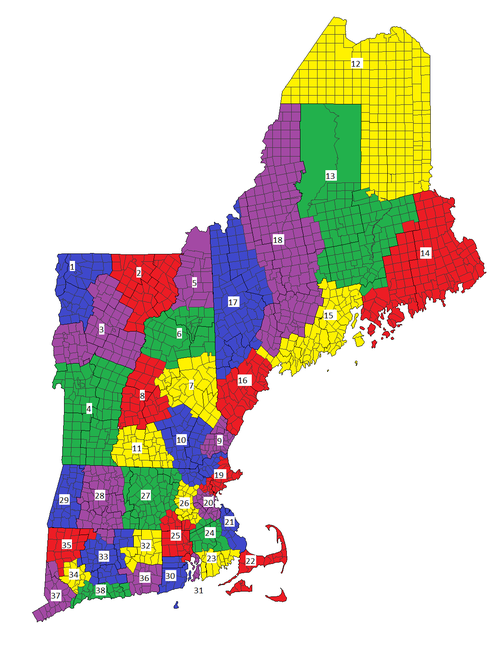
New England, on the other hand, is a clearly defined geographical and cultural region comprising six states: Maine, Vermont, New Hampshire, Massachusetts, Connecticut, and Rhode Island. These states share a collective identity rooted in their Puritan heritage, maritime industries, and a distinctive landscape of rolling hills, dramatic coastlines, and quaint towns.
Historical Roots and Distinct Identities
The historical narratives of New York City and New England diverged almost from their very beginnings, shaping their distinct identities. New England’s story began in the early 17th century with the arrival of the Pilgrims in 1620, establishing the Plymouth Colony, followed by Puritans founding the Massachusetts Bay Colony. This region was characterized by strong religious convictions, community governance, and a focus on trade, fishing, and agriculture. Cities like Boston quickly became centers of intellectual thought and revolutionary fervor, deeply influencing the formation of the United States.
Conversely, New York City traces its origins to 1624 when the Dutch established a trading post and settlement called New Amsterdam on Manhattan Island. This early settlement was driven by commerce and became a diverse melting pot almost from its inception, welcoming people from various European backgrounds. When the British took control in 1664 and renamed it New York, the city continued its trajectory as a major port and commercial hub. Its identity was forged in trade, immigration, and an open, sometimes gritty, urban dynamism that contrasted with the more homogeneous and religiously conservative character of early New England. This difference in founding principles laid the groundwork for the unique cultural landscapes we see today.
Beyond Geography: Cultural and Lifestyle Contrasts
The separation between New York City and New England is most vividly experienced through their vastly different cultures and lifestyles, which profoundly impact travel experiences.
Iconic Landmarks and Urban Experiences vs. Quaint Charms and Natural Beauty
When it comes to landmarks and attractions, New York City offers an unparalleled urban spectacle. Its skyline is instantly recognizable, adorned with architectural marvels like the Empire State Building, Chrysler Building, and the modern marvels of One World Trade Center. Visitors flock to the Statue of Liberty and Ellis Island for a taste of history, immerse themselves in the dazzling lights and energy of Times Square, or find solace in the sprawling green expanse of Central Park. The city is a global epicenter for arts and culture, home to Broadway theaters, world-class museums like the Metropolitan Museum of Art and the Museum of Modern Art, and diverse neighborhoods like Greenwich Village, SoHo, and the Upper East Side, each with its own distinct character. The sheer volume of experiences, from shopping on Fifth Avenue to exploring the vibrant markets of Brooklyn, makes New York City a destination of endless discovery.
New England, by contrast, offers a captivating blend of historical quaintness and breathtaking natural beauty. Its landmarks often tell tales of early colonial life and the American Revolution. In Boston, the Freedom Trail guides visitors through pivotal historical sites like Paul Revere’s House and Faneuil Hall. Beyond urban centers, the region is renowned for its picturesque landscapes: the rugged coastlines of Maine, including the stunning Acadia National Park; the charming beaches and affluent enclaves of Cape Cod, Martha’s Vineyard, and Nantucket in Massachusetts; the serene Green Mountains of Vermont; and the majestic White Mountains of New Hampshire, home to Mount Washington. New England is a prime destination for outdoor activities, from skiing and hiking to whale watching and leaf-peeping during its world-famous fall foliage season. Towns like Newport, Rhode Island, with its Gilded Age mansions, and the historic battlefields of Lexington and Concord, Massachusetts, add layers of charm and historical depth that contrast sharply with New York City’s modern dynamism.
Culinary Delights and Local Flavors
The culinary scenes in New York City and New England are as diverse as their landscapes. New York City is a global gastronomic powerhouse, offering an astonishing array of international cuisines from every corner of the world. From Michelin-starred restaurants to iconic street food vendors, visitors can indulge in everything from authentic New York-style pizza and bagels to gourmet dining experiences and a dizzying variety of ethnic eateries. Food is an integral part of the New York City lifestyle, reflecting its multicultural population.
New England’s cuisine, while also diverse, is deeply rooted in its regional heritage and natural bounty. Seafood reigns supreme, with classic dishes like New England clam chowder, lobster rolls, steamed mussels, and fresh oysters being quintessential experiences. The region is also famous for its agricultural products, including maple syrup from Vermont, cranberries from Massachusetts, and apple cider. Traditional New England fare often evokes a sense of comfort and history, served in cozy inns and seaside restaurants, a stark contrast to the sleek, modern dining establishments of New York City.
Travel and Accommodation: A Tale of Two Styles
The approach to travel and accommodation also differs significantly between New York City and New England, catering to varied preferences and budgets.
Hotels, Resorts, and Unique Stays
In New York City, accommodation options range from ultra-luxury hotels like The Plaza and Mandarin Oriental to stylish boutique hotels, extended-stay apartments, and budget-friendly hostels. The focus is often on convenience, amenities, and maximizing space in a densely populated urban environment. Many hotels offer stunning city views, rooftop bars, and proximity to major attractions. Booking in New York City often involves navigating a competitive market, where location and access to public transport are key considerations for travelers. For longer stays or a more local experience, serviced apartments are a popular choice, providing more space and the flexibility of a kitchen.
New England presents a different landscape of accommodation. While cities like Boston and Providence offer modern hotels and suites, the region truly shines with its charming historic inns, bed & breakfasts, and cozy lakeside cabins. Coastal towns boast elegant resorts and villas, perfect for a seaside escape. In Vermont and New Hampshire, ski resorts offer comprehensive amenities for winter sports enthusiasts. The emphasis here is often on character, personal touches, and integration with the natural surroundings. Travelers might seek out a historic lighthouse keeper’s cottage or a rustic retreat in the mountains, offering experiences deeply connected to the local culture and landscape. Comparison of options often focuses on charm, unique experiences, and access to outdoor activities.
Lifestyle and Travel Experiences
The lifestyle of travel in each region also tells a distinct story. A trip to New York City is typically a fast-paced, immersive urban experience. It’s about vibrant nightlife, world-class entertainment, endless shopping, and cultural exploration. Whether it’s a luxury trip enjoying haute cuisine and private tours, a budget-conscious adventure exploring diverse neighborhoods and free attractions, or a family trip taking in museums and parks, the city caters to every lifestyle. Business travelers find themselves in a global hub of finance and innovation, with top-tier conference facilities and corporate accommodations.
Traveling through New England often suggests a more relaxed, scenic pace. It’s ideal for road trips, historical tours, outdoor adventures, and romantic getaways. Family trips might involve apple picking in the fall or exploring maritime museums. Budget travel can be achieved through camping, staying in smaller towns, and enjoying natural attractions. Luxury travel in New England might mean staying in opulent coastal mansions in Newport or exclusive ski resorts, savoring gourmet farm-to-table dining, and indulging in spa treatments amidst serene landscapes. The region encourages exploration of its picturesque towns, national parks, and winding coastal roads, offering a profound sense of history and connection to nature that contrasts with New York City’s metropolitan buzz.
Why the Confusion and How to Experience Both
The recurring confusion about New York City’s regional identity likely stems from a few factors. Its location, bordering two New England states, makes it geographically proximate. Furthermore, both regions share a common colonial past and were instrumental in the formation of the United States, leading to some shared historical threads, albeit with distinct cultural evolutions. The term “Northeastern United States” is often used as a broader geographical umbrella that encompasses both New York and New England, contributing to the blurring of lines for those unfamiliar with the specific regional definitions.
For travelers who wish to experience the best of both worlds, it is entirely feasible to combine a trip to New York City with an exploration of New England. Excellent transportation links, including trains and buses, connect New York City with major New England cities like Boston and Providence. One could begin with a few days immersed in the urban energy of Manhattan, taking in the landmarks, shows, and culinary scene. Following this, a scenic drive or train journey into New England could lead to historic Boston, the charming coastal towns of Connecticut or Rhode Island, or further north into the mountains of Vermont or New Hampshire for a completely different pace and array of activities. This dual approach offers a comprehensive travel experience, showcasing the incredible diversity of culture, history, and natural beauty found within a relatively compact region of the United States.

Conclusion: Embracing Distinct Destinations
In conclusion, while geographically close and historically intertwined in the broader narrative of early America, New York City and New England are distinct entities, each offering a unique and compelling travel experience. New York City, with its Dutch roots and perpetual reinvention, stands as a global beacon of urban dynamism, cultural diversity, and groundbreaking innovation. Its fast pace, iconic landmarks, and endless opportunities for entertainment and exploration define its allure.
New England, born from Puritan ideals and shaped by its maritime heritage and stunning natural landscapes, offers a journey through quintessential American history, quaint charm, and breathtaking seasonal beauty. From its historic towns and vibrant fall foliage to its delicious seafood and outdoor adventures, New England provides a more tranquil yet equally enriching alternative.
For travelers, understanding this distinction is key to crafting the perfect itinerary, whether seeking the exhilarating pulse of a global metropolis or the serene beauty and historical depth of a classic American region. Both destinations promise unforgettable memories, rich insights, and a true taste of the diverse wonders awaiting exploration in the Northeastern United States.
LifeOutOfTheBox is a participant in the Amazon Services LLC Associates Program, an affiliate advertising program designed to provide a means for sites to earn advertising fees by advertising and linking to Amazon.com. Amazon, the Amazon logo, AmazonSupply, and the AmazonSupply logo are trademarks of Amazon.com, Inc. or its affiliates. As an Amazon Associate we earn affiliate commissions from qualifying purchases.