
New York City, a global epicenter of culture, commerce, and innovation, is an undeniably captivating destination. From the glittering billboards of Times Square to the tranquil paths of Central Park, the city offers an unparalleled array of experiences for every type of traveler. However, navigating this sprawling metropolis efficiently and affordably is key to a successful visit. For millions of residents and tourists alike, the New York Subway stands as the undisputed champion of urban transit. An intricate web of lines and stations, it’s not just a means of getting around; it’s an immersive part of the New York experience itself, a subterranean ballet of human endeavor connecting the city’s diverse boroughs and vibrant neighborhoods.
Understanding the cost of a New York Subway ride is fundamental to budgeting for any trip to the Big Apple. Whether you’re planning a luxurious weekend getaway or a budget-friendly adventure, transportation expenses can quickly add up. This comprehensive guide will break down the current fare structure, explain various payment methods, reveal strategies for saving money, and offer practical tips to ensure your subway journeys are as smooth and economical as possible. By demystifying the fare system, we aim to empower you to explore New York City’s iconic landmarks, hidden gems, and local culture with confidence and ease, integrating seamlessly with your travel plans, accommodation choices, and overall lifestyle preferences.
Navigating the NYC Subway: Fares and Payment Options
The New York Subway system, operated by the Metropolitan Transportation Authority (MTA), is a vast network serving Manhattan, Brooklyn, Queens, and The Bronx. Staten Island has its own separate railway system, the Staten Island Railway, which is also operated by the MTA but generally does not accept MetroCard fares interchangeably with the subway and buses. For most visitors, understanding the primary subway fare is the crucial first step.
The Standard Single Ride and the MetroCard System
At the heart of the NYC Subway fare system, the standard single ride costs $2.90. This flat fare allows you to travel anywhere within the subway network for one continuous journey, regardless of distance or the number of transfers between subway lines. However, a crucial distinction exists: you cannot simply insert cash into a turnstile for a single ride. You need a payment method compatible with the system.
Historically, the primary method has been the MetroCard. These reloadable plastic cards are essential for entry into the subway system. If you don’t already have one, you’ll need to purchase a new MetroCard for a non-refundable fee of $1.00 at any subway station vending machine or authorized retailer. Once you have the card, you can load it with value (Pay-Per-Ride) or an unlimited pass.
When using a Pay-Per-Ride MetroCard, each tap at a turnstile deducts the $2.90 fare. An added benefit of Pay-Per-Ride is the free transfer: you can transfer between subway lines, or between a subway and an MTA local bus, within two hours of your initial swipe without incurring an additional charge. This flexibility is incredibly valuable for tourists exploring various neighborhoods, from the historic streets of Greenwich Village to the bustling markets of Chinatown. For those planning to use the subway more than a few times during their stay, loading at least $10-$20 onto a MetroCard initially is a sensible approach.
OMNY: The Future of Contactless Payments
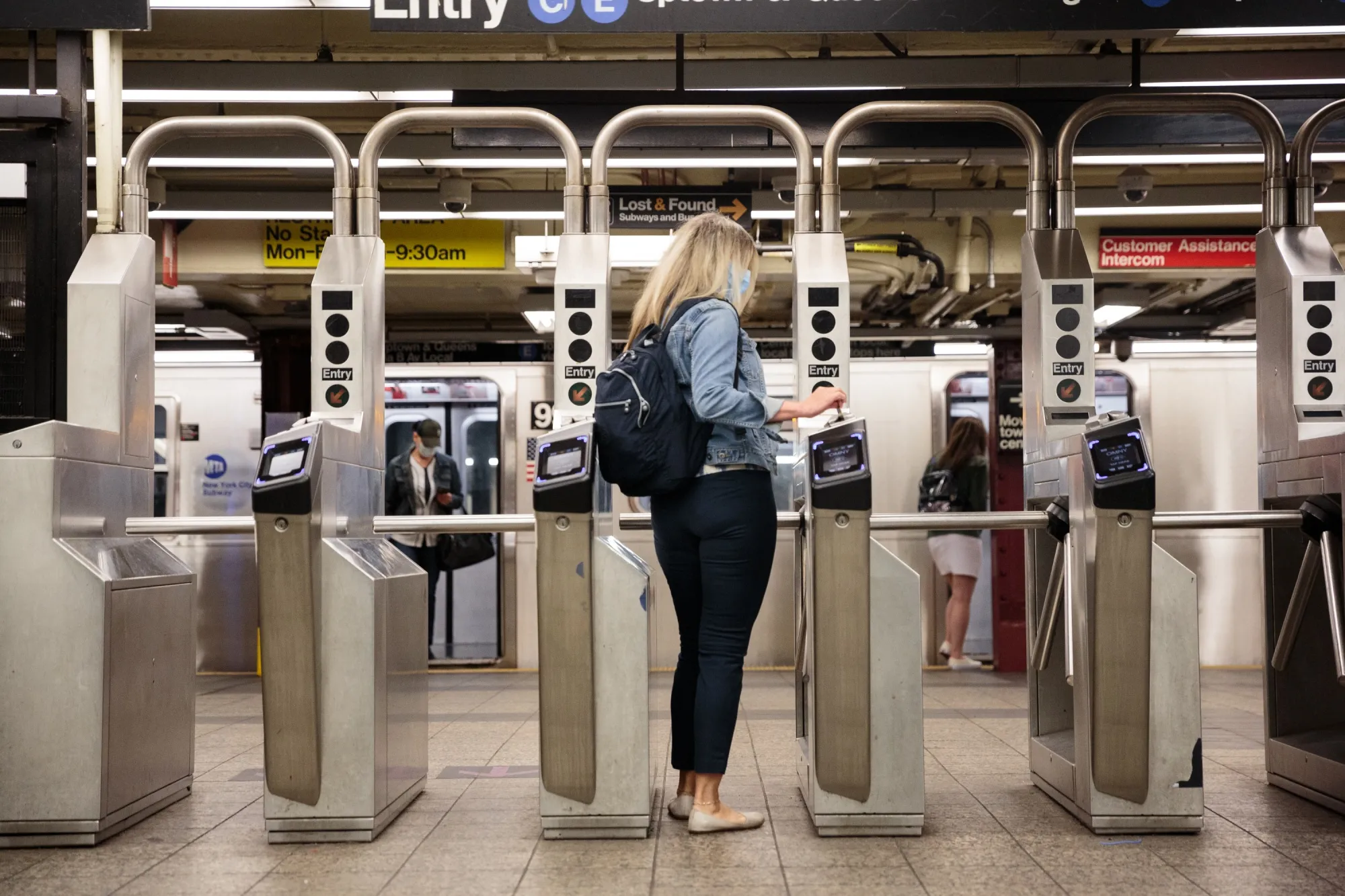
In a significant move towards modernization, the MTA has introduced OMNY (One MTA New York), a contactless payment system. OMNY allows riders to pay their fares by simply tapping a credit or debit card, smartphone, or wearable device directly at the turnstile. This system has been rolled out across all subway stations and MTA buses, making it an incredibly convenient option for tourists and residents alike.
The standard fare with OMNY is also $2.90 per ride. The beauty of OMNY lies in its simplicity: there’s no need to purchase a separate card or worry about a $1.00 fee. You use what you already have in your pocket. Furthermore, OMNY automatically caps your fares. Once you’ve paid for 12 rides (equivalent to $34.80) using the same payment method within a seven-day period (Monday to Sunday), all subsequent rides for the remainder of that week are free. This essentially functions as a built-in 7-day unlimited pass, without the upfront commitment, making it an ideal choice for many travelers who might not be sure how often they’ll use the subway. For visitors, especially those on shorter trips or seeking a hassle-free experience, OMNY is often the most recommended payment method, streamlining your travel experience and allowing you more time to immerse yourself in the city’s vibrant tourism scene.
Maximizing Value: Unlimited Ride Passes and Budgeting Strategies
For visitors planning extended stays or anticipating frequent use of the subway and local buses, unlimited ride passes offer significant cost savings and unparalleled convenience. These passes can be loaded onto a MetroCard at any station vending machine.
7-Day Unlimited Pass
The 7-Day Unlimited Pass is priced at $34.00. This pass allows for unlimited rides on the subway and local MTA buses for a full seven consecutive days from the first swipe. For many tourists, especially those staying for 3 to 7 days, this is an excellent investment. To break even on a 7-day pass, you would need to take approximately 12 rides (12 rides x $2.90/ride = $34.80). If you plan to use the subway at least twice a day for a few days, plus additional rides for sightseeing or exploring different neighborhoods like SoHo or DUMBO, this pass quickly pays for itself.
Consider a typical tourist itinerary: arriving from JFK International Airport via the AirTrain JFK and subway, then exploring popular attractions like the Empire State Building, the Museum of Modern Art, a Broadway show, and perhaps a day trip to Coney Island. Each of these activities likely involves at least two subway rides. Over five to seven days, taking 3-4 rides daily is common, easily pushing you past the break-even point. The peace of mind that comes with unlimited travel, without constantly calculating fares or reloading your card, enhances the overall travel experience, aligning perfectly with a relaxed lifestyle approach to exploring a new city.
30-Day Unlimited Pass
For longer stays, business trips, or those who truly want to live like a local for an extended period, the 30-Day Unlimited Pass costs $132.00. This pass is typically more suited for residents or individuals on extended assignments in New York City, as it requires around 46 rides to break even (46 rides x $2.90/ride = $133.40). While less common for short-term tourists, it’s an option for digital nomads or those considering long-term accommodation.
When to Choose Which Option: A Lifestyle Perspective
The choice between Pay-Per-Ride (MetroCard or OMNY’s fare capping) and an Unlimited Pass depends heavily on your travel style, length of stay, and planned itinerary.
- Casual Explorers / Short Stays (1-3 days): OMNY is often the most convenient. Pay as you go with your existing credit card, and if you unexpectedly travel a lot, the system will automatically cap your spending. This offers the ultimate flexibility, fitting well with a spontaneous travel style.
- Active Tourists / Mid-Length Stays (4-7 days): The 7-Day Unlimited Pass loaded onto a MetroCard is usually the most economical and hassle-free. For a trip centered around visiting multiple landmarks and cultural sites daily, this pass provides unlimited freedom without financial worries, allowing for maximum enjoyment of New York City’s diverse attractions.
- Extended Stays / Budget-Conscious: If you find yourself in the city for weeks or months, the OMNY fare capping offers a great alternative to the 30-Day Pass if you anticipate variable usage. For predictable, daily commuting, the 30-Day Pass remains a solid choice for consistent budgeting.

Remember, regardless of your choice, the initial $1.00 MetroCard fee applies only when purchasing a new card, not when reloading an existing one. Holding onto your MetroCard for future trips or passing it on to another traveler can be a small but helpful tip.
Beyond the Subway: Other Transit Costs and Considerations
While the New York Subway is the backbone of urban transit, visitors often encounter other transportation systems with different fare structures. Understanding these distinctions is crucial for seamless travel, especially when arriving at airports or venturing beyond the immediate city core.
Airport Connections
Getting to and from New York City’s airports involves additional costs that are separate from standard subway fares.
- JFK International Airport: The most common and economical way to reach Manhattan or Brooklyn from JFK is via the AirTrain JFK combined with the subway. The AirTrain fare is currently $8.25, payable by MetroCard (value only, not unlimited passes) or OMNY. After paying for the AirTrain, you’ll transfer to the subway, incurring an additional standard subway fare of $2.90. Total estimated cost: $11.15.
- LaGuardia Airport: LaGuardia is served by MTA buses that connect to subway stations. Standard bus fares apply ($2.90), payable by MetroCard (value or unlimited pass) or OMNY. There is no dedicated AirTrain for LaGuardia, making it slightly cheaper but potentially longer depending on bus-to-subway transfers.
- Newark Liberty International Airport: Newark Airport is located in New Jersey, requiring travel on NJ Transit trains (or Amtrak) to Penn Station in Manhattan. This involves purchasing a separate train ticket, which can range from $15-$20, plus the AirTrain Newark fee. Unlimited MTA passes are not valid for NJ Transit.
Commuter Rail and Interstate Transit
For those wishing to explore beyond New York City into the greater New York metropolitan area, or even New Jersey and Connecticut, other transit systems come into play.
- Long Island Rail Road (LIRR) and Metro-North Railroad: These commuter rail lines, also operated by the MTA, serve Long Island and the northern suburbs, respectively. Fares are zone-based and significantly higher than a standard subway ride. They require separate tickets and are not covered by unlimited subway passes.
- PATH (Port Authority Trans-Hudson): The PATH train connects Manhattan with various cities in New Jersey, including Jersey City and Hoboken. A single PATH ride typically costs around $2.75. While it accepts MetroCard value, MTA unlimited passes are NOT valid on the PATH. OMNY is also accepted.
- Ferry Services: For unique perspectives and often scenic journeys, New York City offers several ferry services. The Staten Island Ferry is famously free and offers stunning views of the Statue of Liberty and the Manhattan skyline. The NYC Ferry system provides service along the East River and other routes for a flat fee (similar to a subway ride, but not covered by MTA passes). There’s also the Roosevelt Island Tramway, which uses MetroCard fares and provides aerial views.
When planning your itinerary and accommodation, factor in these diverse transportation costs. Staying in a hotel near a major subway hub can minimize connections and travel time, while choosing a resort in a less central borough might necessitate more reliance on commuter rails or PATH, impacting your overall travel budget.
Practical Tips for Seamless Subway Travel
Navigating the New York Subway can seem daunting at first, but with a few pointers, you’ll be riding like a local in no time. These tips will enhance your tourism experience, ensure safety, and contribute to a smoother journey around the city’s countless attractions.
Planning Your Journey and Using Technology
- Download Subway Apps: Essential for tourists, apps like Citymapper, Google Maps, or the official MTA app provide real-time train schedules, service changes, and optimal routes. They can calculate travel times, suggest alternative lines, and even guide you through complex stations like Fulton Center or Grand Central Terminal.
- Understand Express vs. Local Trains: Most subway lines have both express and local services. Express trains (often indicated by a diamond symbol or specific letters/numbers) skip several stops, making them faster for longer distances. Local trains (circular symbol or distinct letters/numbers) stop at every station. Knowing which to take can save considerable time, especially when traveling from areas like Harlem to Lower Manhattan.
- Northbound/Southbound, Uptown/Downtown: Pay close attention to the direction. Platforms are usually marked “Uptown & The Bronx” or “Downtown & Brooklyn/Queens.” Missing your desired direction can lead to delays as you navigate to the correct platform, sometimes requiring exiting and re-entering the station (and potentially using another fare if you don’t get a free transfer).
Safety and Etiquette on the Subway
- Mind the Gap: A classic warning, “Mind the Gap” reminds riders to be careful when stepping between the platform and the train.
- Stand Clear of the Closing Doors: Don’t try to force your way onto a closing train. It’s dangerous and delays everyone. Another train will be along shortly.
- Offer Seats to Those in Need: New Yorkers appreciate it when younger or able-bodied riders offer their seats to seniors, pregnant individuals, or those with disabilities.
- Keep to Yourself: While New Yorkers are generally friendly, the subway is typically a space for personal quiet. Avoid loud conversations, playing music without headphones, or taking up more space than necessary, especially during rush hour.
- Be Aware of Your Surroundings: Like any major city, pickpocketing can occur. Keep your valuables secure and be vigilant, particularly in crowded stations or trains.
- Emergency Intercoms: In case of an emergency, use the intercoms located inside each train car to contact the conductor.
Accessibility and Luggage
- Accessible Stations: While the MTA is working to improve accessibility, not all stations have elevators or ramps. If you require an accessible route, check the MTA website or subway apps for accessible station information. This is particularly important for family trips with strollers or travelers with mobility challenges.
- Luggage: Try to travel light, especially during peak hours. Large suitcases can be cumbersome on crowded platforms and staircases. If arriving with significant luggage, consider alternative transportation like taxis or ride-shares, especially from LaGuardia Airport where subway access requires a bus transfer.
These practical tips, combined with a clear understanding of the fare system, will empower you to navigate the New York Subway with confidence, transforming what might seem like a complex system into an exciting and efficient tool for exploring every facet of New York City’s dynamic landscape. From iconic landmarks like the 9/11 Memorial & Museum and Rockefeller Center to charming neighborhoods like Little Italy and Chelsea, the subway is your gateway to an unforgettable New York adventure.

Conclusion: Mastering NYC Transit for an Unforgettable Journey
Understanding “How Much Is A New York Subway Ride?” is far more than just knowing a dollar amount; it’s about unlocking the freedom to explore one of the world’s most incredible cities. The New York Subway is not merely a transportation system; it is the pulsating artery of New York City, a testament to its ceaseless energy and a vital component of the local lifestyle. Whether you opt for the convenience of contactless OMNY, the cost-effectiveness of a 7-Day Unlimited MetroCard, or the flexibility of Pay-Per-Ride, having a clear strategy for your transit expenses will significantly enhance your travel experience.
As you plan your next adventure, consider how seamless subway travel can connect you to diverse attractions, from historic Wall Street to the vibrant nightlife of Greenwich Village. It enables exploration of different boroughs, allowing you to experience the cultural richness of Brooklyn’s neighborhoods or the culinary delights of Queens, without the added stress of navigating traffic or incurring hefty taxi fares. Your choice of accommodation can also be influenced; opting for a hotel slightly outside central Manhattan might be more affordable, with the subway providing a quick and easy link to all the major sights.
Embrace the rhythm of the subway, and you’ll find yourself seamlessly integrated into the urban fabric, moving with millions of others who call this dynamic city home. By mastering the art of subway travel and budgeting wisely for your rides, you’re not just saving money; you’re investing in a more authentic, efficient, and ultimately unforgettable New York City experience. So, tap your card, grab a pole, and get ready to discover everything this magnificent city has to offer.
LifeOutOfTheBox is a participant in the Amazon Services LLC Associates Program, an affiliate advertising program designed to provide a means for sites to earn advertising fees by advertising and linking to Amazon.com. Amazon, the Amazon logo, AmazonSupply, and the AmazonSupply logo are trademarks of Amazon.com, Inc. or its affiliates. As an Amazon Associate we earn affiliate commissions from qualifying purchases.