
Las Vegas, the “Entertainment Capital of the World,” is a city that truly comes alive when the sun goes down. Its dazzling lights, world-class entertainment, and vibrant nightlife are legendary, drawing millions of visitors each year from across the globe. For anyone planning a trip to this iconic Nevada destination, understanding when darkness descends isn’t just a matter of curiosity; it’s a crucial element for optimizing travel itineraries, capturing breathtaking photographs, and ensuring every evening experience, from a gourmet dinner to a thrilling show, is perfectly timed.
Unlike many cities where sunset signals a winding down, in Las Vegas, it marks the spectacular beginning of another unforgettable night. The transition from twilight to full darkness here is often an event in itself, with the desert sky painting a canvas of fiery oranges and purples before the city’s artificial glow takes over, creating a stark yet beautiful contrast. Whether you’re a first-time visitor eager to experience the famous Las Vegas Strip at its most luminous, a photographer seeking the perfect golden hour shot, or simply looking to schedule your dinner reservations and show tickets, knowing the general sunset times throughout the year is invaluable. This guide will delve into the factors influencing sunset in Las Vegas, provide seasonal estimates, and offer tips to help you make the most of your evenings in this extraordinary city.
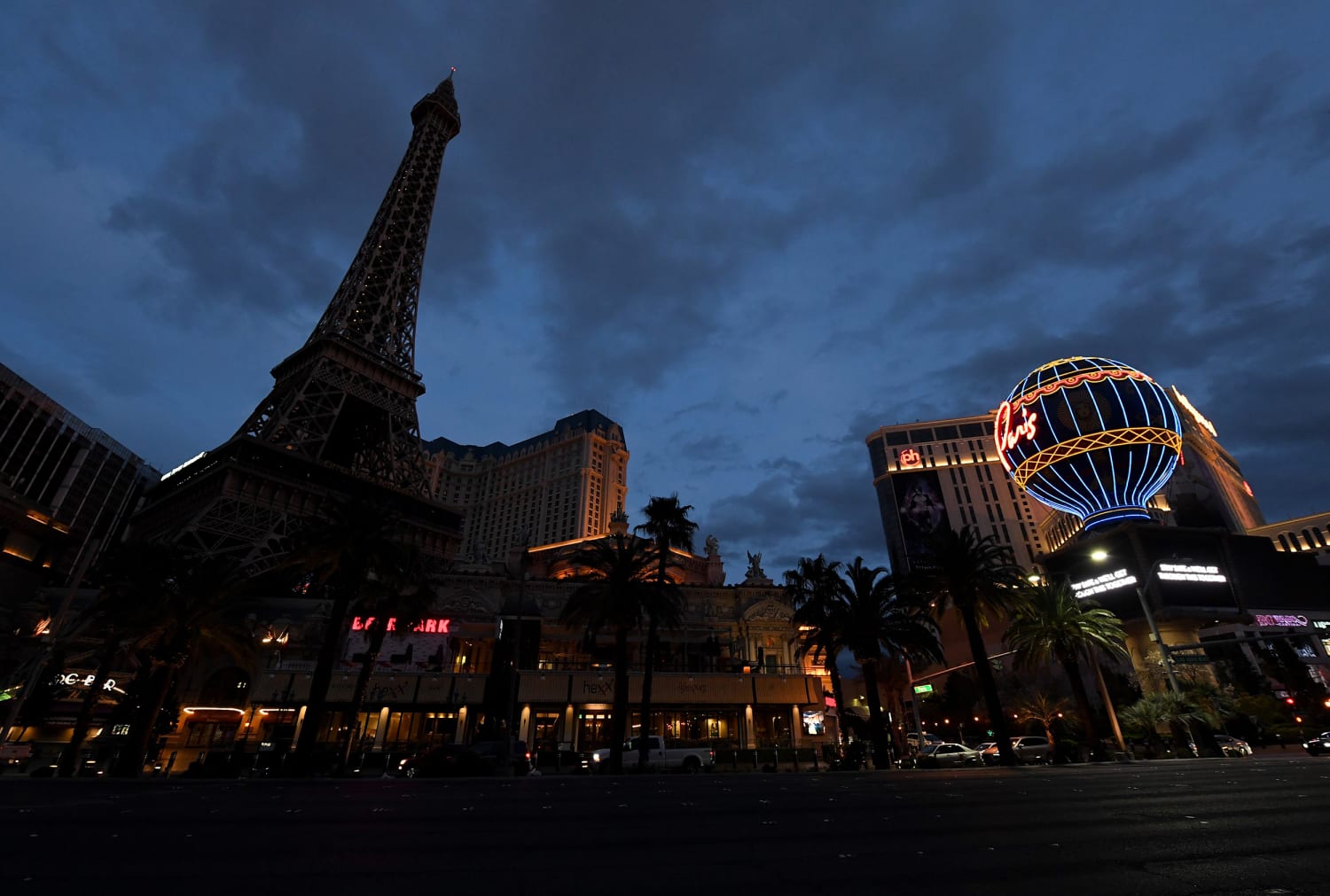
Understanding Sunset in the Mojave Desert: Factors Influencing Darkness
The precise moment the sun dips below the horizon in Las Vegas is influenced by a combination of geographical, astronomical, and temporal factors. Being situated in the heart of the Mojave Desert within the United States of North America, the city experiences unique atmospheric conditions that affect how we perceive dusk and the onset of night. Understanding these elements can help visitors better predict and appreciate the spectacular transition from day to night.
Geographic Location and Time Zones
Las Vegas is located in the southwestern United States, specifically in the state of Nevada, at approximately 36.1699° N latitude and 115.1398° W longitude. This position places it firmly within the Pacific Time Zone (PST/PDT). The closer a location is to the western edge of its time zone, the later the observed sunset times, and Las Vegas sits fairly west within the Pacific Time Zone. This geographical advantage often means slightly later sunsets compared to cities further east in the same time zone. Furthermore, the arid climate of the Mojave Desert typically results in clear skies with low humidity. This lack of atmospheric moisture and cloud cover allows for vibrant, unobstructed sunsets, where the sun’s rays can illuminate the sky for longer, creating a prolonged “golden hour” and “blue hour” before true darkness sets in. The absence of light pollution from clouds also means that once the city lights take over, the stars can be surprisingly visible just a short drive outside the urban core.
The Impact of Daylight Saving Time
Like most of the United States, Las Vegas observes Daylight Saving Time. This annual practice, where clocks are adjusted forward by one hour in the spring and back in the fall, significantly impacts the perceived sunset times. From early March to early November, when Daylight Saving Time (PDT) is in effect, sunset occurs an hour later by the clock. This means longer daylight hours into the evening, which is particularly noticeable during the summer months. For visitors, this translates to more daylight for exploring attractions, enjoying outdoor activities, or simply soaking up the sun by a resort pool before the city’s nocturnal transformation begins. Conversely, during the standard time (PST) period from November to March, sunsets occur earlier, signaling the start of the evening festivities earlier in the day. Planning your schedule around these shifts is key to maximizing your Las Vegas experience, whether you’re aiming for an early dinner show or a late-night adventure.
Seasonal Variations
The most significant factor influencing sunset times is the time of year, due to the Earth’s axial tilt and its orbit around the sun. Las Vegas experiences considerable seasonal variation in its sunset schedule:
- Winter (December – February): Sunsets are earliest during these months. In December, the sun can set as early as 4:30 PM PST, gradually shifting to around 5:30 PM PST by late February. This means the city lights begin to glow earlier, making for spectacular views shortly after afternoon activities conclude.
- Spring (March – May): With the arrival of Daylight Saving Time in March, sunset times jump forward by an hour. By March, sunsets are typically around 6:30 PM PDT, extending to approximately 7:30 PM PDT by May. Spring offers pleasant weather for evening strolls and outdoor dining as the sky transitions.
- Summer (June – August): These months boast the latest sunsets of the year, often pushing past 8:00 PM PDT in June and July. Even in August, sunset typically remains after 7:30 PM PDT. The long summer evenings are perfect for enjoying outdoor pools, rooftop bars, and twilight adventures before the full darkness and vibrant nightlife take hold.
- Fall (September – November): Sunset times gradually recede throughout the fall. In September, you can expect sunsets around 7:00 PM PDT, moving to about 6:00 PM PDT by October. When Daylight Saving Time ends in early November, there’s another hour shift back, leading to sunsets closer to 4:30 PM PST by late November. Fall evenings offer comfortable temperatures for exploring the city.
It’s always advisable to check a reliable local weather app or website for the precise sunset time on the specific day of your visit, as these are general estimates.
Planning Your Las Vegas Evenings: Maximizing the Twilight Hours
The magic of Las Vegas truly unfolds during the twilight hours, as the natural light fades and the city’s artificial glow begins to dominate. This transition period, often referred to as the “golden hour” and “blue hour,” offers some of the most spectacular visual experiences and sets the stage for the legendary Las Vegas nightlife. Strategic planning around these times can elevate your entire trip, from capturing stunning photographs to securing the best seats for a memorable evening.
Iconic Sunset Viewing Spots
Las Vegas offers a plethora of incredible locations to witness the sunset, each providing a unique perspective of the city or its surrounding natural beauty.
- The Stratosphere Tower: As the tallest freestanding observation tower in the United States, the Stratosphere Tower (now STRAT Hotel, Casino & Skypod) offers unparalleled 360-degree views of the entire Las Vegas valley. Watching the sun set over the distant mountains while the Strip lights flicker to life below is an unforgettable experience. The Top of the World restaurant slowly rotates, providing dynamic vistas throughout your meal.
- High Roller Observation Wheel: Located at The LINQ Promenade, a ride on the High Roller Observation Wheel during sunset is highly recommended. The 30-minute rotation in an enclosed cabin provides a moving panorama of the Las Vegas Strip and the desert beyond, perfect for capturing the transition from day to night.
- Eiffel Tower Experience at Paris Las Vegas: For a romantic and iconic view, ascend to the observation deck of the Eiffel Tower Experience at Paris Las Vegas. From here, you get a direct, eye-level view of the Bellagio Fountains and the vibrant heart of the Strip as the sky changes colors and the city illuminates.
- Valley of Fire State Park: A short drive northeast of Las Vegas, this stunning natural landmark boasts vibrant red sandstone formations that appear to glow intensely as the sun descends. It’s an incredible spot for nature photography and a peaceful escape from the city’s bustle, offering a truly different kind of Nevada sunset experience.
- Red Rock Canyon National Conservation Area: To the west, the majestic cliffs of Red Rock Canyon National Conservation Area also provide a dramatic backdrop for sunset. The changing light brings out the rich textures and colors of the rocks, offering a serene and beautiful contrast to the urban landscape.
From Dusk Till Dawn: Las Vegas Nightlife Begins
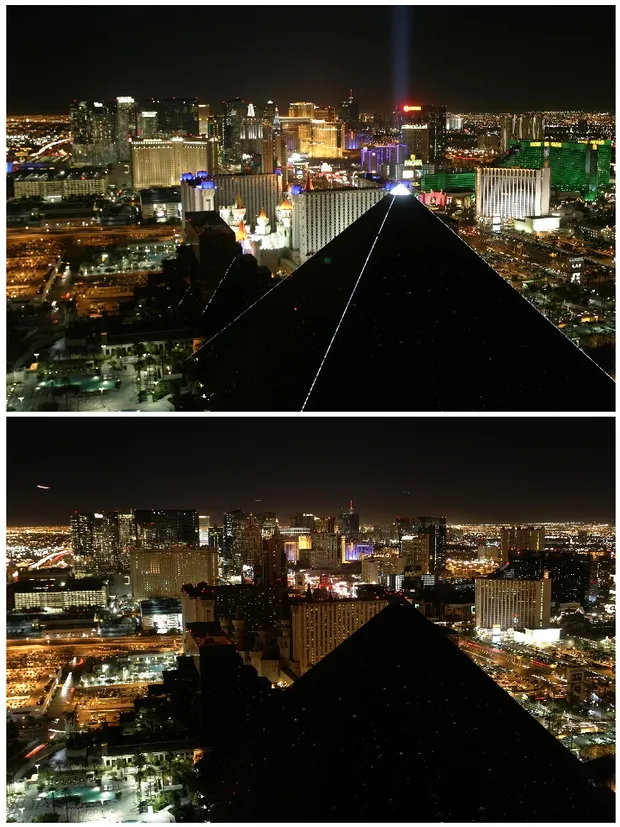
As the last rays of sunlight fade and the desert sky deepens to indigo, Las Vegas transforms into its most iconic self. This is when the city truly shines, quite literally. The transition from dusk to full darkness is the cue for the legendary Las Vegas nightlife to begin its nightly performance, captivating visitors with an overwhelming array of entertainment options.
The Las Vegas Strip becomes a river of light, with every casino, resort, and attraction vying for attention. The neon signs blaze, digital billboards flicker with vibrant animations, and themed resorts like Caesars Palace and The Venetian Resort Las Vegas unveil their intricate lighting schemes. Walking the Strip after sunset is an attraction in itself, a sensory overload that epitomizes the city’s flamboyant spirit. Spectacles like the Bellagio Fountains begin their frequent shows, synchronized to music and illuminated against the darkening sky, attracting crowds of onlookers.
Beyond the Strip, Downtown Las Vegas offers a different, yet equally electrifying, nocturnal experience. The Fremont Street Experience comes alive with its massive LED canopy light shows, live music on multiple stages, and a buzzing atmosphere. This pedestrian mall provides a more vintage Vegas feel, enhanced by the surrounding historic casinos.
Dinner reservations at upscale restaurants, renowned for their culinary excellence and often boasting panoramic views, are best timed just as the sun sets, allowing diners to witness the changing cityscape from their tables. The city’s multitude of world-class shows, from elaborate Cirque du Soleil productions to magic acts and musical extravaganzas, kick off their first performances around 7:00 PM or 7:30 PM, perfectly aligning with the post-sunset glow. Nightclubs and lounges, a cornerstone of the Las Vegas lifestyle, also start filling up after dinner, offering pulsating music and sophisticated cocktails well into the early morning hours. For tourists, this means that while daytime adventures might focus on pools, shopping, or day trips, the evening is when the true essence of Las Vegas reveals itself, beckoning with endless possibilities for entertainment and revelry.
Practical Tips for Las Vegas Visitors: Embracing the Night
Successfully navigating your Las Vegas trip, especially when it comes to experiencing its iconic evenings, requires a bit of practical foresight. From checking precise times to maximizing photographic opportunities and securing reservations, a few simple tips can significantly enhance your enjoyment of the city’s spectacular transition from day to night.
Checking Daily Sunset Times
While seasonal estimates provide a good general idea, the exact sunset time can vary by a few minutes each day. For precise planning, especially if you’re aiming for a specific sunset activity or photography session, it’s essential to consult reliable sources. Most smartphone weather applications, like those built into iOS or Android, provide exact sunrise and sunset times for your current location. Dedicated weather websites or online calendars also offer this information readily. Simply search for “sunset time Las Vegas [date]” to get the most accurate local time. Keeping an eye on the weather forecast is also wise, as unexpected cloud cover, though rare in the Mojave Desert, can impact the visibility and vibrancy of a sunset. A clear forecast ensures the best possible views.
Photography Opportunities
The moments around sunset in Las Vegas present unparalleled photography opportunities. The “golden hour,” the period shortly after sunrise or before sunset, bathes everything in a soft, warm light that is incredibly flattering for portraits and landscapes. In Las Vegas, this means capturing the Strip with a beautiful natural glow before the artificial lights fully take over. Following the golden hour is the “blue hour,” a brief window when the sky turns a deep, rich blue, contrasting beautifully with the emerging city lights. This is the ideal time to photograph the neon signs, illuminated fountains, and architectural marvels of resorts like the Bellagio Hotel & Casino, ARIA Resort & Casino, or The Cosmopolitan of Las Vegas. To make the most of these precious moments, arrive at your chosen vantage point (such as the High Roller or a rooftop bar) about 30-45 minutes before the official sunset time. This gives you ample time to set up your camera, compose your shots, and capture the full spectrum of colors as the light changes. Don’t forget a tripod if you plan on shooting in low light to ensure sharp images of the twinkling city.
Dining and Entertainment Reservations
Timing is everything when it comes to evening plans in Las Vegas. If you dream of a romantic dinner with a sunset view, make reservations at restaurants known for their panoramic vistas well in advance. Consider places like the Top of the World at the STRAT Hotel, Casino & Skypod, Lakeside or SW Steakhouse at Wynn Las Vegas, or the Eiffel Tower Restaurant at Paris Las Vegas, and request a window seat if available. Aim to book your dinner reservation to start approximately 30-45 minutes before sunset, allowing you to enjoy cocktails and appetizers as the sun descends, and your main course as the city lights illuminate.
Similarly, if you plan to attend a major show, be aware of their start times, which are typically between 7:00 PM and 9:00 PM. Booking an early show allows you to experience the sunset beforehand, while a later show might enable a leisurely dinner with twilight views. For those interested in nightlife, rooftop bars and lounges often open their doors in the late afternoon, offering early patrons the chance to watch the sunset with a cocktail in hand before the crowds arrive. Popular choices include Foundation Room at Mandalay Bay Resort and Casino or Legacy Club at Circa Resort & Casino. Always book reservations for high-demand experiences, especially during peak travel seasons, to avoid disappointment and secure your desired sunset experience.

Beyond the Strip: Stargazing in the Nevada Desert
While the dazzling artificial lights of the Las Vegas Strip are a spectacle unto themselves, drawing countless visitors to marvel at their brilliance, there’s another, equally profound, form of darkness that beckons just beyond the city limits: the pristine, star-filled skies of the Nevada desert. This stark contrast offers a unique dimension to any Las Vegas travel experience, appealing to those seeking a moment of tranquility or an unforgettable celestial display.
The intense light pollution from Las Vegas makes serious stargazing virtually impossible within the city proper. However, a relatively short drive – often less than an hour – can transport you to areas of profound natural darkness. Places like the Red Rock Canyon National Conservation Area, accessible directly from the city, are excellent choices. While the park generally closes to vehicle traffic shortly after sunset, its proximity means that even from areas just outside its main entrance or along its scenic loop, the number of visible stars dramatically increases. Imagine the sun dipping below the crimson peaks of Red Rock Canyon, followed by the slow reveal of countless stars and even the Milky Way on a moonless night.
Further afield, but still within a reasonable day-trip or evening excursion distance, are locations renowned for their dark skies. The Lake Mead National Recreation Area, spanning parts of Nevada and Arizona, offers numerous secluded coves and overlooks that become prime stargazing spots once the sun has completely set and the Las Vegas glow becomes a distant memory. The vast, open spaces and minimal development around Lake Mead provide an unobstructed view of the night sky, often rated as Class 3 or 4 on the Bortle Scale (where 1 is the darkest possible sky).
For the most dedicated astronomy enthusiasts, even more remote options like areas surrounding Death Valley National Park (about a two-hour drive) or parts of the Grand Canyon (South Rim is about 4.5 hours away) offer truly dark sky experiences, often designated as International Dark Sky Parks. While these might require an overnight stay, the sight of the cosmos undisturbed by urban illumination is an awe-inspiring experience that perfectly complements the daytime grandeur of these landmarks.
Incorporating a stargazing adventure into your Las Vegas trip is a fantastic way to blend the city’s unique entertainment lifestyle with the raw, natural beauty of the Mojave Desert. It’s an opportunity to pause, look up, and appreciate the immense scale of the universe after being immersed in the focused energy of the Strip. Remember to bring warm clothing, a blanket, and perhaps a pair of binoculars for an enhanced viewing experience.
In essence, whether your ideal evening involves the electric buzz of the Las Vegas Strip or the serene majesty of a starlit desert sky, knowing when darkness falls is your first step to crafting an unforgettable experience. The dynamic sunsets in Las Vegas are not merely a daily occurrence; they are the dramatic prelude to the city’s legendary nocturnal symphony, inviting every traveler to discover their own perfect Vegas night.
LifeOutOfTheBox is a participant in the Amazon Services LLC Associates Program, an affiliate advertising program designed to provide a means for sites to earn advertising fees by advertising and linking to Amazon.com. Amazon, the Amazon logo, AmazonSupply, and the AmazonSupply logo are trademarks of Amazon.com, Inc. or its affiliates. As an Amazon Associate we earn affiliate commissions from qualifying purchases.