
Navigating the intricacies of obtaining permits in New York City can often feel like deciphering an ancient map, filled with cryptic symbols and winding paths. For any individual or business looking to undertake a project, host an event, or even make minor alterations, understanding the associated costs and processes is paramount. This guide aims to demystify the world of New York City permits, offering a comprehensive overview of what to expect in terms of fees, timelines, and crucial considerations. While a universal price tag doesn’t exist, as costs are highly project-dependent, this exploration will equip you with the knowledge to anticipate expenses and approach the permitting process with confidence.
Understanding the Permit Landscape in New York City
The sheer volume and diversity of activities that require permits in New York City necessitate a robust and multifaceted permitting system. From minor home renovations to large-scale commercial developments, each endeavor falls under the purview of specific city agencies, each with its own fee structure and application procedures. The cost of a permit is not a flat fee; rather, it is typically calculated based on a variety of factors, including the scope of the work, the estimated cost of the project, the type of activity, and the potential impact on public safety and the environment.
Factors Influencing Permit Costs
Several key elements contribute to the final cost of a permit in New York City. Understanding these factors will help you estimate your potential expenses more accurately.
Scope and Scale of the Project
The most significant determinant of permit cost is the size and complexity of the undertaking. A simple interior alteration in a private residence will incur substantially less in permit fees than the construction of a new commercial building or a major infrastructure project. For instance, the Department of Buildings (DOB) bases its permit fees for construction and alteration work on the declared cost of the project. The higher the estimated cost of materials and labor, the higher the permit fee will be. This system is designed to ensure that projects with a greater potential impact and investment are subject to a commensurate level of review and oversight.
Type of Permit and Agency Jurisdiction
New York City is comprised of numerous agencies, each responsible for regulating different aspects of urban life. The permit you require will depend entirely on the nature of your project. For example:
- Department of Buildings (DOB): Governs all construction, alteration, demolition, and plumbing work. Permit fees here are often calculated as a percentage of the estimated construction cost, with different rates for different types of work.
- Fire Department (FDNY): Issues permits for activities involving hazardous materials, pyrotechnics, or the installation of fire suppression systems. Fees can vary based on the type of inspection or approval required.
- Department of Transportation (DOT): Manages permits for sidewalk sheds, street openings, curb cuts, and temporary obstructions on public streets. Fees are often flat rates for specific activities or calculated based on the duration of the obstruction.
- Department of Parks and Recreation: Issues permits for events, concessions, or any use of parkland. Fees are typically based on the type of event, the number of attendees, and the duration of use.
- Department of Health and Mental Hygiene (DOHMH): Regulates permits for food establishments, public swimming pools, and other health-related activities. Fees are generally based on the type of facility and the scope of operations.
- Landmarks Preservation Commission: While not directly issuing permits in the same vein as other agencies, their approvals are often required for alterations to designated historic buildings, which then necessitates a DOB permit. The review process itself doesn’t have a direct fee, but the subsequent DOB permits will be influenced by the project scope.
Estimated Project Cost
As mentioned, for construction and alteration permits issued by the DOB, a significant portion of the fee is tied to the declared cost of the project. This estimated cost should be a realistic representation of the anticipated expenses for labor, materials, and professional services. Underestimating this figure can lead to penalties and delays. Conversely, overestimating might result in paying more than necessary. It is advisable to obtain quotes from contractors and suppliers to establish a sound basis for this estimate.
Duration of Activity
For temporary permits, such as those for street closures for filming or special events, the duration of the activity is a primary factor in determining the cost. Longer periods of closure or occupation of public space generally translate to higher fees. This reflects the ongoing impact on public access, traffic flow, and the city’s resources.
Common Permit Types and Associated Costs
While a definitive price list is impractical given the vast array of permits, we can explore some common categories and provide a general understanding of their cost structures.
Construction and Alteration Permits (Department of Buildings)
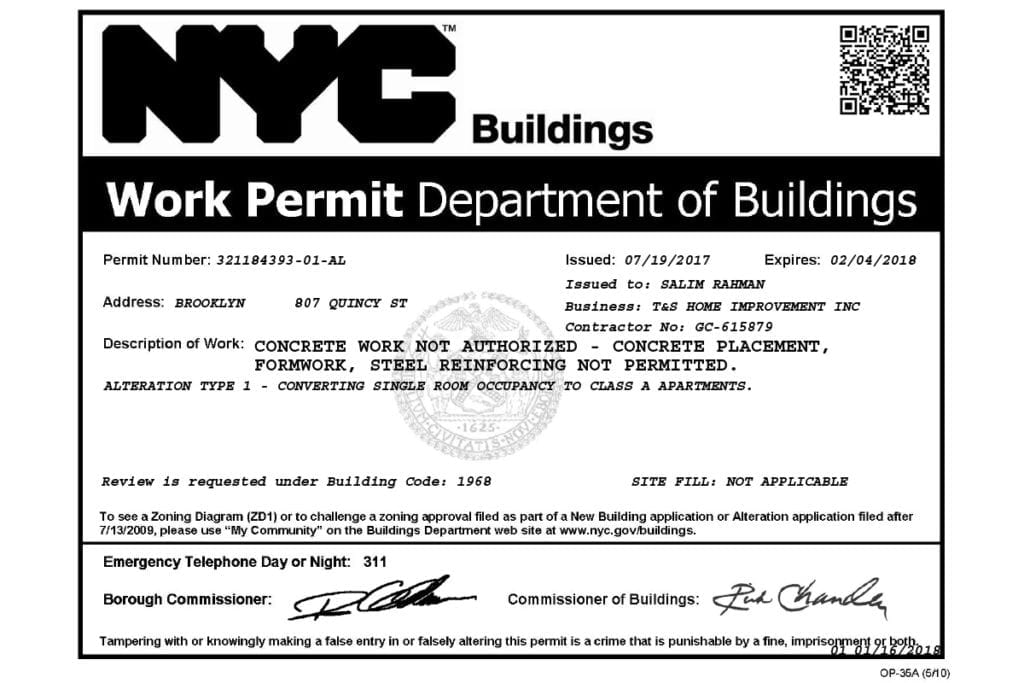
These are among the most frequently sought permits for homeowners and businesses undertaking renovations or new construction. The fee structure for DOB permits is primarily driven by the Estimated Cost of Work (ECW).
Residential Alteration Permits
For alterations to existing residential buildings, the DOB has a tiered fee system. Generally, permit fees are a percentage of the ECW. For instance, minor alterations might have a lower percentage rate than more extensive renovations. The exact percentage can fluctuate, and it’s crucial to consult the official DOB fee schedule for the most up-to-date information.
- Small Home Improvement Projects: These might include interior renovations like kitchen or bathroom remodels. Fees could range from a few hundred dollars to a few thousand, depending heavily on the ECW.
- Major Renovations and Additions: Expanding a home, adding a new story, or undertaking a gut renovation will naturally have higher ECW, resulting in significantly higher permit fees, potentially tens of thousands of dollars for very large projects.
Commercial Construction and Alteration Permits
Permits for commercial spaces, including new construction, significant renovations, and change of use applications, are also based on the ECW. The rates are often comparable to residential permits but can sometimes be higher depending on the complexity and the specific trade classifications involved. A new commercial building project, for example, will have a substantial ECW and consequently, a substantial DOB permit fee.
Plumbing, Electrical, and Mechanical Permits
Often, these specialized permits are issued in conjunction with a larger alteration or construction permit. However, they can also be obtained independently. The fees for these are typically based on the number of fixtures, the size of the installation, or a flat fee per system. For example, installing a new boiler or a large HVAC system will have associated permit costs.
Special Event Permits
New York City is a global hub for events, from parades and festivals to street fairs and film shoots. The Mayor’s Office of Media and Entertainment (MOME) often plays a role in coordinating film permits, while the Department of Parks and Recreation and the Department of Transportation handle permits for events on parkland or public streets, respectively.
Street Fairs and Block Parties
Permits for these community-oriented events are typically issued by the Department of Consumer and Worker Protection or local community boards. Fees are usually modest, often a few hundred dollars, and are designed to cover administrative costs and ensure public safety.
Outdoor Concerts and Festivals
Larger-scale events held in public spaces, such as parks or plazas, will incur higher permit fees. These are determined by factors like the expected attendance, the duration of the event, the need for security, sanitation, and the use of park facilities. Fees can range from several thousand to tens of thousands of dollars.
Film and Television Production Permits
The Mayor’s Office of Media and Entertainment (MOME) is the primary agency for issuing film permits. The cost depends on the specific needs of the production, such as street closures, the use of public spaces, and the number of filming days. While there are base fees, additional costs may arise for police assistance, traffic control, and other city services. Fees can range from a few hundred dollars for small shoots to tens of thousands for complex productions requiring extensive street closures.
Sidewalk Sheds and Construction Fencing
The Department of Buildings requires permits for the installation of sidewalk sheds and construction fencing to protect pedestrians from falling debris. The fees for these permits are generally based on the linear footage of the sidewalk or street frontage being covered and the duration for which the shed or fence will be in place. These fees contribute to the city’s efforts to maintain public safety during construction.
Other Notable Permit Categories
- Department of Transportation (DOT) Permits: These can include permits for curb cuts (driveways), sidewalk repairs, utility work, and even the placement of temporary structures like scaffolding that are not directly related to a building permit. Fees vary widely, from a few hundred dollars for a simple curb cut to several thousand for extensive street openings.
- Fire Department (FDNY) Permits: Permits for hazardous materials storage, special amusement devices, or the installation of certain fire safety equipment will have their own fee structures, often tied to inspection and certification processes.
Navigating the Application Process and Minimizing Costs
Understanding the cost is only one part of the permitting puzzle. Efficiently navigating the application process can help you avoid unnecessary delays and potential additional fees.
Pre-Application Consultation and Planning
Before submitting any application, it is highly recommended to engage in pre-application consultations with the relevant city agencies. Many agencies offer dedicated customer service lines or in-person appointments to discuss your project and understand the specific requirements and potential costs. This proactive step can save significant time and resources by identifying potential issues early on.
Accurate Project Cost Estimation
As emphasized, providing an accurate Estimated Cost of Work is crucial for DOB permits. Work with licensed contractors and architects to develop a detailed and realistic budget. This not only ensures that your permit fees are calculated correctly but also helps you manage your project’s finances effectively.
Thorough Documentation
Most permit applications require extensive documentation, including architectural plans, engineering reports, and detailed project descriptions. Ensuring that all submitted documents are complete, accurate, and comply with city regulations will streamline the review process and minimize the chances of your application being rejected or requiring resubmission, which can incur additional fees and significant delays.
Engaging Professionals
For complex projects, consider hiring an experienced architect, engineer, or permit expediter. These professionals have a deep understanding of the city’s permitting processes and can navigate the system on your behalf, often saving you money in the long run by avoiding costly mistakes and ensuring a smoother approval process. They are familiar with agencies like the Landmarks Preservation Commission and can ensure that your project aligns with their guidelines, preventing future complications.
Understanding Fee Waivers and Reductions
In certain circumstances, some permit fees might be waived or reduced. This is more common for non-profit organizations, affordable housing projects, or work undertaken by city agencies themselves. It is always worth inquiring about any potential eligibility for fee concessions, although these are typically not available for standard private development or event permits.
Conclusion: Budgeting for Your New York City Venture
Obtaining permits in New York City is an essential, albeit sometimes costly, part of bringing a project to life. The expenses associated with permits are not arbitrary; they are designed to fund the city’s oversight, ensure public safety, and manage the impact of various activities on its infrastructure and residents. By understanding the factors that influence permit costs, researching the specific requirements for your project, and engaging in proactive planning, you can effectively budget for these necessary expenditures. Always refer to the official websites of the relevant New York City agencies for the most current fee schedules and application procedures, as these can change. A well-planned approach to permitting will contribute significantly to the successful and compliant completion of your endeavor in the bustling metropolis.
LifeOutOfTheBox is a participant in the Amazon Services LLC Associates Program, an affiliate advertising program designed to provide a means for sites to earn advertising fees by advertising and linking to Amazon.com. Amazon, the Amazon logo, AmazonSupply, and the AmazonSupply logo are trademarks of Amazon.com, Inc. or its affiliates. As an Amazon Associate we earn affiliate commissions from qualifying purchases.