
For many 15-year-olds, the thought of earning their own money, gaining independence, and building valuable life skills is an exciting prospect. Florida, with its vibrant economy, diverse industries, and constant influx of tourism, offers a surprising array of opportunities for young individuals ready to enter the workforce. While the allure of the Sunshine State’s beaches and theme parks is strong, the chance to contribute to a household budget, save for future goals, or simply enjoy a taste of financial autonomy is equally compelling. However, navigating the world of youth employment requires a clear understanding of legal guidelines, available job sectors, and effective job search strategies. This comprehensive guide will illuminate the path for 15-year-olds in Florida eager to embark on their professional journey, offering insights into where they can work, what to expect, and how to succeed.
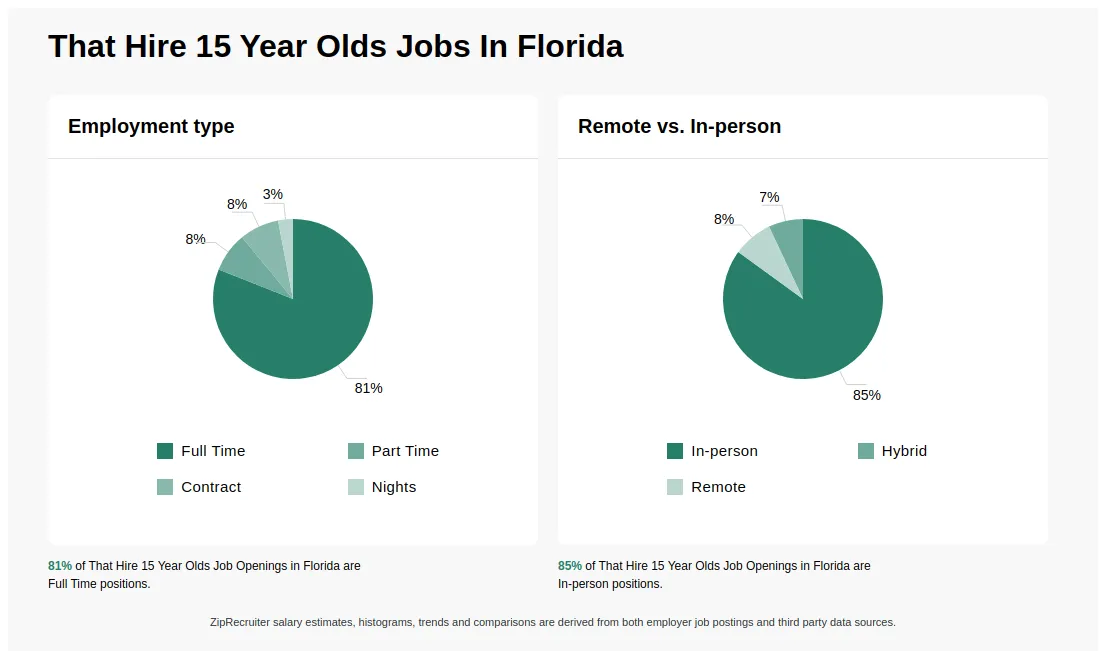
Understanding Florida’s Youth Employment Laws
Before diving into specific job opportunities, it’s crucial for both aspiring young workers and their parents to understand the legal framework governing youth employment in Florida. These laws are designed to protect minors, ensuring their work experience is safe, educational, and doesn’t interfere with their schooling or well-being. Florida adheres to both state and federal child labor laws, with the stricter of the two generally taking precedence.
Age Restrictions and Work Permits
While the article title specifically addresses 15-year-olds, it’s worth noting that in Florida, individuals as young as 14 can work, provided they comply with specific regulations. For 15-year-olds, the general rule is that a work permit is not typically required by the state of Florida itself. However, some employers, particularly larger corporations or those operating in specific industries, may still request one as part of their internal hiring process or to align with federal guidelines. It’s always advisable for a young applicant to inquire about any such requirements with potential employers. Parental consent is almost always a prerequisite for hiring a minor, regardless of a formal permit requirement.
Permitted Work Hours
The most significant restrictions for 15-year-olds revolve around work hours, particularly during school weeks. The intent is to prioritize education and prevent overwork.
- During School Weeks: A 15-year-old can work a maximum of 3 hours on a school day and up to 15 hours in total during a school week. They generally cannot work before 7:00 AM or after 7:00 PM.
- During Non-School Weeks (Summers, Holidays): The restrictions are significantly relaxed. A 15-year-old can work up to 8 hours a day and a maximum of 40 hours per week. During these periods, they can work until 9:00 PM.
It’s important to remember that these hours are strictly enforced, and employers are legally obligated to comply. Breaks are also mandated, with a 30-minute uninterrupted meal break required after four continuous hours of work.
Restricted Occupations
Certain occupations are deemed too hazardous or detrimental for minors, and 15-year-olds are prohibited from working in them. These restrictions are in place to ensure safety and prevent exposure to dangerous environments. Examples of restricted jobs include:
- Manufacturing, mining, or processing occupations.
- Operating power-driven machinery (e.g., meat slicers, bakery machinery).
- Work involving exposure to radioactive substances or dangerous chemicals.
- Occupations in roofing or excavation.
- Driving a motor vehicle for work purposes.
- Most jobs involving public exposure to alcohol, such as bartending.
However, there are exceptions for apprenticeships and student-learner programs that are carefully regulated. Understanding these limitations helps narrow down the search to appropriate and safe roles.
Popular Industries and Job Roles for 15-Year-Olds
Florida’s diverse economy, heavily influenced by its robust tourism sector and growing urban centers, provides a variety of entry-level positions suitable for 15-year-olds. These roles often emphasize customer service, light physical tasks, and teamwork, offering excellent foundational experience.
Retail and Customer Service
The retail sector is a perennial strong employer of young workers. From clothing boutiques to grocery stores, hardware shops to gift emporiums, there’s a constant need for assistance.
- Grocery Stores: Common roles include baggers, stock clerks (restocking shelves), and cart attendants. These positions offer a glimpse into inventory management and customer interaction.
- Department and Specialty Stores: Many offer roles as sales associates (assisting customers, tidying displays) or stockroom assistants. These jobs help develop communication and organizational skills.
- Convenience Stores: While restricted from selling age-restricted products, 15-year-olds can work as stockers, cleaners, or assist with general store upkeep.
Food Service and Hospitality
Given Florida’s reputation as a tourist destination, the food service and hospitality industries are ripe with opportunities, especially in cities like Orlando, Miami, and Tampa.
- Restaurants and Cafes: Acceptable roles include buspersons (clearing tables, setting up), dishwashers, hosts/hostesses (greeting guests, managing waitlists), and food runners (delivering food from kitchen to table). They generally cannot work as servers handling cash transactions involving alcohol or operate dangerous kitchen equipment.
- Fast Food Establishments: Many chains hire 15-year-olds for counter service, drive-thru order taking, food preparation (non-hazardous), and cleaning duties.
- Hotels and Resorts: While direct guest-facing roles might be limited, 15-year-olds can often find work in laundry services, as pool attendants (monitoring safety, not lifeguarding), or in groundskeeping.
Recreation and Entertainment
Florida’s numerous attractions, from theme parks to local recreation centers, frequently seek young, energetic staff.
- Theme Parks (e.g., Walt Disney World, Universal Orlando Resort, Busch Gardens Tampa Bay, LEGOLAND Florida Resort): Positions can include ride attendants (operating simple rides, ensuring safety), concession stand workers, park clean-up crews, or guest services assistants. These are particularly popular in high-tourism areas like Orlando.
- Water Parks and Pools: Roles such as towel attendants, locker room attendants, or concession workers are common.
- Movie Theaters and Arcades: Ushers, concession workers, and game attendants are frequently hired.
- Summer Camps and Community Centers: Counselors-in-training, activity assistants, or general support staff are often needed, especially during peak seasons.
Niche and Entrepreneurial Opportunities
Beyond traditional employment, 15-year-olds can explore more independent or specialized avenues.
- Tutoring/Childcare: With a knack for academics or experience with younger siblings, tutoring or babysitting can be a flexible way to earn money.
- Pet Sitting/Dog Walking: Animal lovers can offer services to neighbors and local residents.
- Lawn Care/Yard Work: Simple landscaping tasks like mowing, weeding, and raking are always in demand.
- Social Media Assistant: For tech-savvy teens, assisting small local businesses with their social media presence can be a valuable, flexible gig.
These roles often require initiative, good time management, and the ability to market one’s own skills.
Navigating the Job Search as a Young Applicant
Securing a first job, especially at 15, can seem daunting. However, with the right approach and preparation, young applicants can present themselves professionally and increase their chances of success.
Crafting a Compelling Application
Even without extensive work history, a 15-year-old can create an impressive application.
- Resume Development: Focus on academic achievements, volunteer experience, extracurricular activities, and any relevant skills (e.g., leadership roles, sports team participation, computer literacy). Highlight soft skills like teamwork, reliability, and eagerness to learn.
- Cover Letter: A well-written cover letter tailored to the specific job can make a strong impression. It should express enthusiasm for the role, explain why the applicant is a good fit, and demonstrate an understanding of the company’s mission.
- References: Include non-family references, such as teachers, coaches, or mentors, who can speak to the applicant’s character, work ethic, and responsibility. Always ask for permission before listing someone as a reference.
Acing the Interview
The interview is often the most critical step. Preparation is key to confidence.
- Research the Company: Understand what the business does, its values, and the specific role being applied for.
- Practice Common Questions: Prepare answers for questions like “Tell me about yourself,” “Why do you want to work here?” “What are your strengths/weaknesses?” and “How do you handle challenging situations?”
- Professionalism: Dress appropriately (business casual), arrive on time, maintain eye contact, and offer a firm handshake. Follow up with a thank-you note or email after the interview.
- Enthusiasm and Eagerness: Show genuine interest in learning and contributing. Employers often value a positive attitude and strong work ethic in young applicants.
Leveraging Personal Networks and Online Resources
The job search isn’t solely about formal applications.
- Word of Mouth: Let friends, family, and neighbors know you’re looking for work. Many first jobs come through personal connections.
- Local Businesses: Don’t hesitate to visit local establishments directly with a resume in hand. Many small businesses prefer in-person applications.
- Online Job Boards: Websites like Indeed, Glassdoor, and specific company career pages often list entry-level positions. Filter searches by age or “no experience necessary.”
- School Resources: Guidance counselors or career services at high schools can provide valuable leads and assistance with resume building.
Benefits Beyond the Paycheck
While earning money is often the primary motivation for a 15-year-old seeking employment, the advantages of early work experience extend far beyond financial remuneration. These benefits are foundational to personal and professional development.
Gaining Valuable Work Experience
Every job, regardless of its simplicity, offers transferable skills and real-world experience. A 15-year-old’s first job teaches the fundamentals of the workplace environment, including reporting to a manager, understanding company policies, and contributing to a team. This experience builds a resume for future, more advanced opportunities and provides concrete examples of responsibility and reliability that can be referenced in college applications or subsequent job interviews. It’s a stepping stone that demystifies the professional world.
Developing Essential Life Skills
Workplace environments are rich training grounds for critical life skills.
- Time Management: Balancing work, school, and social life demands excellent organizational and time management abilities.
- Communication: Interacting with colleagues, supervisors, and customers hones verbal and non-verbal communication skills.
- Problem-Solving: Encountering and resolving minor workplace challenges builds critical thinking and adaptability.
- Teamwork: Collaborating with others towards a common goal teaches the importance of cooperation and mutual support.
- Responsibility and Accountability: Learning to be punctual, complete tasks diligently, and take ownership of one’s duties are invaluable lessons.
Fostering Financial Literacy and Independence
Earning money directly introduces a 15-year-old to the practicalities of financial management.
- Budgeting: Managing earnings, deciding on savings versus spending, and understanding taxes and deductions fosters early financial literacy.
- Savings Goals: Working towards specific goals, whether it’s a new gadget, a college fund, or a car, teaches the value of deferred gratification and goal setting.
- Independence: Financial independence, even in small measures, can boost self-esteem and provide a sense of autonomy. It teaches the value of hard work and the satisfaction of earning one’s own way.
Regional Opportunities Across Florida
Florida’s diverse geography and economy mean that job opportunities for 15-year-olds can vary significantly from one region to another. Understanding these regional nuances can help tailor a job search.
Orlando and Theme Park Hubs
Orlando, often dubbed the “Theme Park Capital of the World,” offers a unique concentration of jobs within the entertainment and hospitality sectors. Major employers like Walt Disney World, Universal Orlando Resort, and LEGOLAND Florida Resort frequently hire young workers for roles such as ride operators (for simpler rides), concession stand attendants, park cleaners, and guest services support. Beyond the big parks, the surrounding areas teem with hotels, restaurants, and retail outlets catering to tourists, providing numerous additional entry-level opportunities. These jobs often come with the benefit of working in a dynamic, high-energy environment.
Coastal Cities and Tourism-Dependent Roles
Cities like Miami, Tampa, Jacksonville, and other popular coastal towns thrive on tourism, creating a demand for young workers in related fields.
- Miami & South Florida: With its bustling beaches, hotels, and diverse culinary scene, Miami offers roles in beachfront concessions, hotel support staff, and various retail outlets catering to visitors. The demand here can be seasonal, with peaks during spring break and winter months.
- Tampa Bay Area: Home to attractions like Busch Gardens Tampa Bay and a vibrant downtown, Tampa provides opportunities similar to Orlando in entertainment, alongside significant retail and food service roles supporting its growing population.
- Jacksonville & North Florida: While also benefiting from coastal tourism, Jacksonville’s larger metropolitan area offers a broader mix of retail, grocery, and general service industry jobs, often less reliant on seasonal tourist influx compared to the more resort-centric areas.

Smaller Towns and Community-Based Jobs
In Florida’s smaller towns and rural areas, opportunities might be more focused on local community needs and independent businesses.
- Local Businesses: Small restaurants, family-owned shops, and independent grocery stores are often willing to hire young, enthusiastic locals.
- Recreation Centers: Community pools, parks, and youth sports organizations frequently seek assistants or support staff.
- Agricultural Roles: In certain agricultural areas, supervised farm work (e.g., picking, packing, light animal care) might be available, though strict adherence to child labor laws regarding hazardous tasks is paramount.
- Neighborly Services: Babysitting, pet sitting, lawn care, and tutoring remain popular and accessible options, relying on local reputation and word-of-mouth referrals.
Working at 15 in Florida is more than just a way to earn spending money; it’s an invaluable opportunity to gain early professional experience, develop essential life skills, and build a foundation for future success. By understanding the legal landscape, exploring diverse industries, and approaching the job search with preparedness and enthusiasm, young Floridians can embark on a rewarding journey into the world of work, enriching their lifestyle and paving the way for greater independence.
LifeOutOfTheBox is a participant in the Amazon Services LLC Associates Program, an affiliate advertising program designed to provide a means for sites to earn advertising fees by advertising and linking to Amazon.com. Amazon, the Amazon logo, AmazonSupply, and the AmazonSupply logo are trademarks of Amazon.com, Inc. or its affiliates. As an Amazon Associate we earn affiliate commissions from qualifying purchases.