
Dreaming of a Hawaiian escape? The allure of its pristine beaches, vibrant culture, and breathtaking landscapes makes Hawaii a top-tier destination for travelers worldwide. From the moment you imagine yourself surfing the waves of Waikiki Beach or hiking through the volcanic terrains of the Big Island, one question invariably arises: “How much is a plane ticket to Hawaii?” While there’s no single fixed price, understanding the various factors that influence airfare is the first step towards transforming that dream into a tangible itinerary. This comprehensive guide will break down the costs, share insider tips for finding the best deals, and help you budget for an unforgettable Hawaiian adventure.
Decoding the Cost: Factors Influencing Your Hawaiian Airfare
The price of a plane ticket to Hawaii is a dynamic figure, fluctuating based on several key variables. Being aware of these elements can empower you to make informed decisions and potentially save hundreds of dollars.
The Impact of Your Departure City
Your journey’s starting point significantly affects the cost of your flight. Generally, travelers departing from the West Coast of the United States will find more affordable and direct flights to Hawaii. Major hubs like Los Angeles, San Francisco, and Seattle in states like California, Oregon, and Washington often serve as primary gateways, offering competitive pricing due to higher flight frequency and shorter distances.
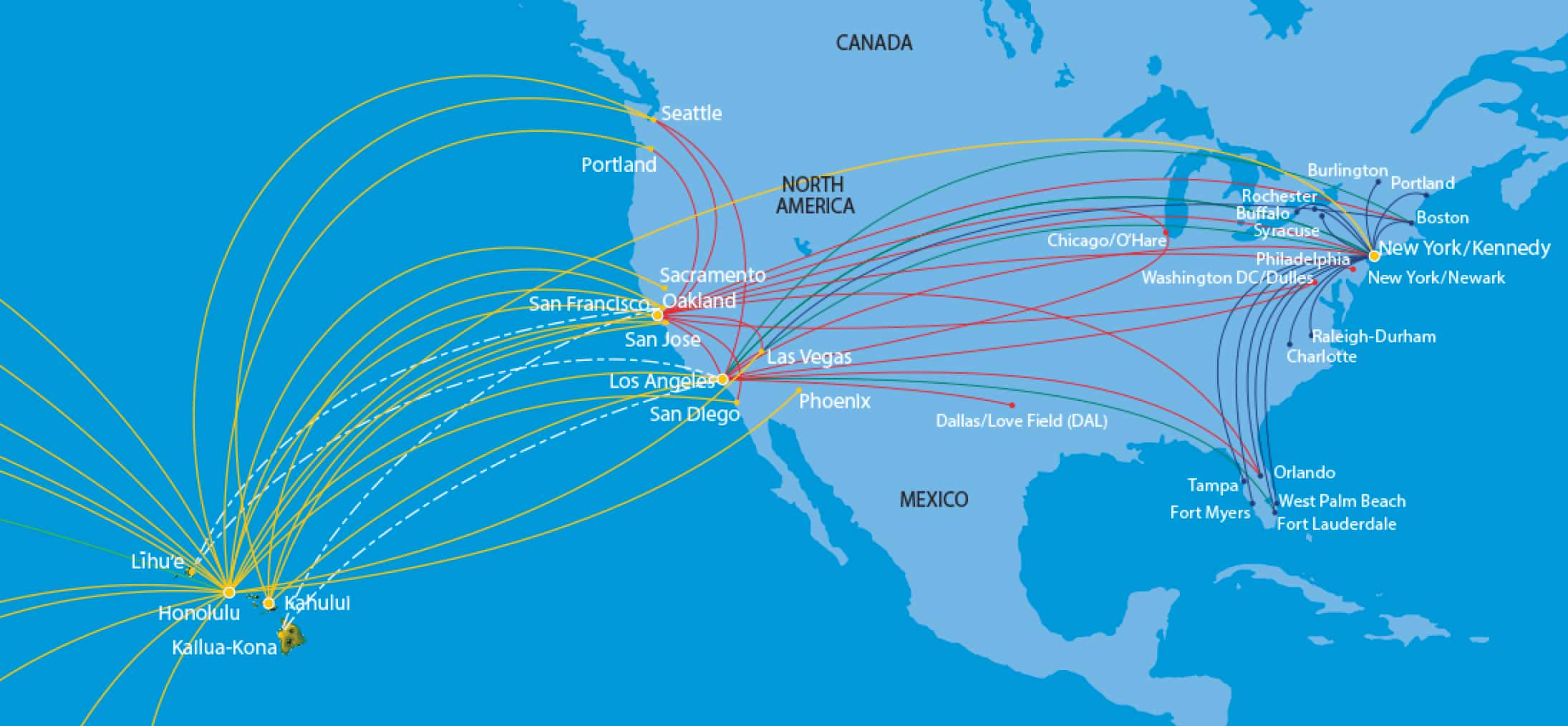
Conversely, travelers from the Midwest or East Coast, hailing from cities like New York City, Miami, Chicago, or Boston, can expect higher fares. These routes typically involve longer flight times and often include layovers, increasing the overall cost. Even within the West Coast, prices can vary; flying from a smaller regional airport versus a major international hub can impact your fare.
Timing is Everything: Peak, Shoulder, and Off-Peak Seasons
When you choose to visit Hawaii is arguably the most crucial factor determining your flight price. The islands experience distinct travel seasons, each with its own pricing trends:
- Peak Season: Expect the highest prices from December through April (especially around Christmas, New Year’s, and Spring Break) and again from June through August (summer vacation). During these times, demand is at its peak, driven by holidays and school breaks. Flights are often fully booked, and deals are scarce.
- Shoulder Season: This period offers a sweet spot, balancing pleasant weather with fewer crowds and more reasonable prices. The shoulder seasons typically fall in April to May and September to November. You’ll still enjoy beautiful weather without the intense competition for flights and accommodations.
- Off-Peak Season: For the absolute cheapest flights, target the periods from mid-January to early March, late April to early June, and September to mid-December (excluding major holidays like Thanksgiving). These are the times when demand is lowest, and airlines often release sales to fill seats. Flexibility with your travel dates, even by a few days, can unlock significant savings during these times. Flying mid-week (Tuesday, Wednesday, Thursday) is also generally cheaper than weekend travel.
Booking Smart: When to Snag the Best Deals
The adage “the early bird gets the worm” often holds true for international flights, but there’s a delicate balance. Booking too early might mean missing out on last-minute sales, while booking too late will almost certainly result in higher prices. For flights to Hawaii, the general consensus suggests booking your tickets 2 to 6 months in advance for the optimal balance of price and availability.
This window allows you to monitor price fluctuations, set up alerts, and capitalize on any promotions released by airlines. If you’re planning a trip during peak season, leaning towards the earlier end of this window (4-6 months out) is advisable, especially if you have rigid travel dates. Last-minute deals to Hawaii are rare and unreliable, especially for popular routes.
Airline Choices and Flexibility
The airline you choose also plays a significant role in your ticket price. Major carriers like Hawaiian Airlines, United Airlines, Delta Air Lines, and American Airlines often offer more direct routes, better amenities, and more flexible change policies, but these conveniences can come with a higher price tag.
On the other hand, budget airlines such as Southwest Airlines and Allegiant Air (from select cities) can provide significantly cheaper fares. However, be mindful of their policies regarding baggage fees, seat selection, and change fees, as these can quickly add up and negate initial savings if you’re not careful. Canadian travelers might find competitive fares with WestJet and Air Canada.
Being flexible with your exact travel dates and times, considering flights with layovers, and even flying into a different Hawaiian island and taking an inter-island flight can open up more affordable options. Sometimes, flying into Honolulu (Oahu) and then connecting to another island like Maui or Kauai might be cheaper than a direct flight to your final destination.
Averages and Avenues for Savings: What to Expect and How to Pay Less
Now that we understand the influencing factors, let’s delve into some typical costs and actionable strategies to reduce your airfare.
Typical Round-Trip Fares from Key Regions
While prices are subject to change, here’s a general idea of what you might expect for a round-trip ticket to Hawaii from various regions of the United States, Canada, and Mexico:
- West Coast (California, Oregon, Washington, Arizona, Nevada): Expect to pay anywhere from $300-$600+ USD, with deals occasionally dropping below $300, especially from major hubs like Los Angeles or San Francisco. Many find fares in the $400-$500 range to be quite common.
- Midwest (Colorado, Texas, etc.): Fares typically range from $500-$900+ USD. Direct flights are less common, and prices often reflect the longer distance and potential layovers. Cities like Denver, Houston, or Dallas fall into this category.
- East Coast (New York, Florida, etc.): Be prepared for prices from $700-$1000+ USD. Flights from New York City, Orlando, or Miami involve significant travel time and multiple connections, contributing to higher costs.
- Alaska: Similar to the West Coast, with prices often in the $400-$700 USD range, often via Seattle.
- Canada: From major Canadian cities like Vancouver or Toronto, expect CAD$500-$800+.
- Mexico: From cities like Mexico City or Cancun, fares could range from MXN$8,000-$15,000, roughly $400-$750 USD.
These figures represent a general baseline, and exceptional deals or last-minute bookings during peak times could deviate significantly.
Strategic Moves to Reduce Airfare Costs
Finding a good deal on a flight to Hawaii requires a proactive and strategic approach. Here are some proven methods:
- Be Flexible with Dates and Times: As mentioned, flying mid-week or during off-peak seasons can lead to substantial savings. Even shifting your departure or return date by a single day can sometimes reveal a cheaper fare.
- Utilize Flight Comparison Websites: Tools like Google Flights, Skyscanner, and Kayak are invaluable for comparing prices across multiple airlines and finding the cheapest days to fly. They often have calendar views that highlight the most affordable dates.
- Set Price Alerts: Most flight comparison sites allow you to set up alerts that notify you when prices for your desired route drop. This is a passive yet effective way to catch a deal without constantly checking manually.
- Consider Layovers: Direct flights are convenient but often pricier. Opting for a flight with one or more layovers can significantly reduce the cost, especially for travelers coming from the Midwest or East Coast.
- Fly from Major Hubs: If you live near a smaller airport, consider the cost-benefit of driving to a larger international airport (e.g., Phoenix instead of Flagstaff, Las Vegas instead of Reno). The savings on the Hawaiian flight might outweigh the extra travel to the hub.
- Look for Package Deals: Sometimes, booking your flight and accommodation together as a package deal can offer greater savings than booking each component separately. Travel agencies and online travel sites frequently offer these bundles.
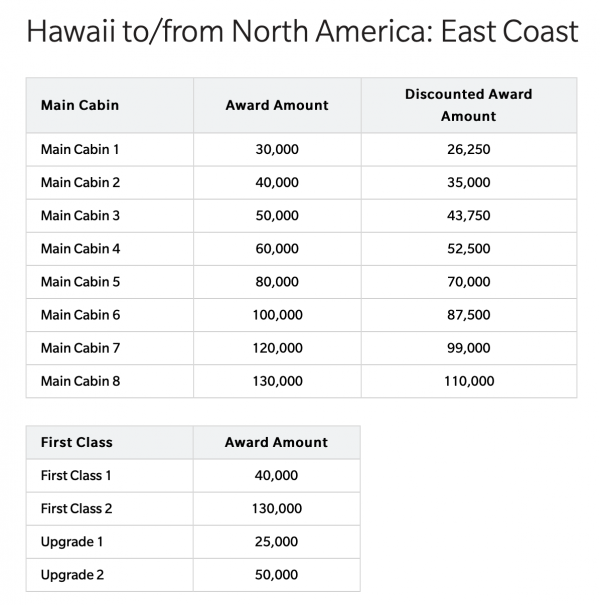
- Leverage Airline Miles and Credit Card Points: If you’re a frequent flyer or a savvy credit card user, redeeming miles or points for your flight to Hawaii can reduce your out-of-pocket expense to almost zero, save for taxes and fees.
Harnessing the Power of Budget Airlines and Price Alerts
Southwest Airlines has become a popular choice for budget-conscious travelers to Hawaii, particularly from West Coast cities. While their fares are competitive, remember their unique boarding process and generally stricter luggage policies compared to full-service carriers. Always factor in potential additional costs like checked bags when comparing total prices. Allegiant Air also offers limited routes to Hawaii from specific mainland cities, catering to the ultra-budget traveler.
Setting up price alerts is perhaps one of the most effective passive strategies. Once you know your ideal travel window and target airports (e.g., Honolulu (HNL), Kahului (OGG) for Maui, Lihue (LIH) for Kauai, or Kona (KOA) / Hilo (ITO) for the Big Island), let the technology do the work. You’ll receive email notifications when the price changes, allowing you to jump on a good deal as soon as it appears.
Beyond the Airfare: Budgeting for Your Full Hawaiian Experience
While the flight is often the biggest upfront cost, Hawaii is generally considered an expensive destination overall. To avoid sticker shock, it’s crucial to budget for the entire trip. A recommended stay of 7-10 days provides ample time to explore without feeling rushed, but it also means extended costs for accommodation, food, transportation, and activities.
Navigating Accommodation Costs
Accommodation will likely be your next largest expense. Hawaii offers a wide range of options, from luxurious resorts and hotels to more budget-friendly vacation rentals, condos, and guesthouses.
- Book Early: Like flights, booking your accommodation several months in advance can secure better rates and a wider selection, especially during peak season.
- Consider Alternatives: Opting for a vacation rental with a kitchen can significantly cut down on food costs. Condos often provide more space and amenities for families.
- Location Matters: Staying directly on Waikiki Beach or at a prime resort on Kaanapali Beach will be pricier. Looking slightly off the main tourist strips can offer better value.
- Travel During Off-Peak: Accommodation prices also drop during the shoulder and off-peak seasons, aligning with cheaper airfare.
Getting Around the Islands
Transportation on the islands needs to be factored in.
- Rental Cars: For most islands, renting a car is highly recommended for flexibility and to explore beyond resort areas. Prices can range from $40-$100+ per day, depending on the season and vehicle type. Book in advance, as demand can be high.
- Public Transportation: Oahu has an excellent public bus system, TheBus, which can be a very economical way to get around Honolulu and surrounding areas. Other islands have more limited public transport.
- Rideshares and Taxis: Services like Uber and Lyft are available in major tourist areas, particularly on Oahu and Maui, but can add up quickly for frequent use.
- Inter-island Flights: If you plan to visit multiple islands, budget for inter-island flights, typically ranging from $50-$150+ per segment on carriers like Hawaiian Airlines or Southwest Airlines.
Dining and Activities on a Hawaiian Budget
Food and activities can quickly consume your budget if not planned.
- Dining: Eating out at restaurants, especially resort dining, is expensive. To save money, consider:
- Cooking Meals: If your accommodation has a kitchen, stock up on groceries.
- Local Eateries & Food Trucks: Seek out local spots and food trucks for authentic and more affordable meals.
- Happy Hour: Many restaurants offer happy hour specials on food and drinks.
- Activities: Hawaii offers a mix of free and paid activities.
- Free Activities: Enjoying the stunning beaches (Lanikai Beach, Makena Beach), hiking (e.g., Diamond Head on Oahu), snorkeling in calm bays, and exploring local towns are mostly free.
- Paid Excursions: Budget for popular paid activities like luaus, surfing lessons, helicopter tours, submarine rides, or entry fees to attractions like Volcanoes National Park on the Big Island or whale watching tours during season.

Crafting Your Ideal Hawaiian Adventure: Island Hopping and First-Timer Tips
With your budget in mind, the next step is to choose your island (or islands) and fine-tune your itinerary. Each Hawaiian island offers a unique flavor and set of experiences.
Choosing Your Island Paradise
For first-time visitors, selecting the right island is key to a fulfilling trip. Here’s a brief overview:
- Oahu: The Gathering Place
- Best for: First-timers, those seeking a balance of city life and natural beauty, history buffs, and surfing enthusiasts.
- Highlights: Honolulu (the state capital), Waikiki Beach, Pearl Harbor, Diamond Head crater hike, vibrant nightlife, and diverse dining options.
- Maui: The Valley Isle
- Best for: Romantic getaways, luxury resort experiences, scenic drives, and outdoor adventures.
- Highlights: Driving the iconic Hana Highway, sunrise at Haleakala volcano, beautiful beaches like Kaanapali Beach and Makena Beach, and world-class snorkeling.
- Kauai: The Garden Isle
- Best for: Nature lovers, hikers, those seeking a more tranquil and rugged experience.
- Highlights: The dramatic cliffs of the Na Pali Coast, the “Grand Canyon of the Pacific” (Waimea Canyon), lush rainforests, and numerous waterfalls.
- Big Island (Hawaii Island): The Orchid Isle
- Best for: Adventure seekers, those interested in volcanoes, diverse landscapes from black sand beaches to snow-capped peaks.
- Highlights: Exploring Volcanoes National Park, stargazing from Mauna Kea, snorkeling with manta rays, and visiting coffee farms.
- Lanai and Molokai: For those seeking extreme solitude and a deeper dive into Hawaiian culture, these smaller islands offer a more untouched experience.
Essential Planning Advice for an Unforgettable Trip
Regardless of your chosen island, a few general tips will enhance your Hawaiian vacation:
- Book Everything in Advance: Especially during peak seasons, popular flights, accommodations, rental cars, and sought-after activities can sell out months ahead. Proactive booking ensures you get your preferred choices and often better rates.
- Pack Smart: Bring essentials like reef-safe sunscreen, comfortable walking shoes, swimwear, and light clothing. Don’t overpack; you can always buy necessities on the islands.
- Embrace Aloha Spirit: Hawaii has a unique culture. Be respectful of local customs, the environment, and sacred sites. Learn a few Hawaiian phrases!
- Stay Hydrated and Sun Safe: The Hawaiian sun is potent. Drink plenty of water and reapply sunscreen regularly.
- Allow for Downtime: While it’s tempting to pack your itinerary, remember that Hawaii is also about relaxation. Leave some unscheduled time to simply enjoy the beaches, watch a sunset, or savor the tranquility.
In conclusion, while the question “How much is a plane ticket to Hawaii?” might seem daunting at first, a little research and strategic planning can make your dream trip a reality. By understanding the factors that drive prices, utilizing smart booking techniques, and budgeting wisely for your on-island expenses, you can ensure your journey to paradise is as smooth and enjoyable as the islands themselves. Start planning now, and prepare to say “Aloha” to an incredible adventure!