
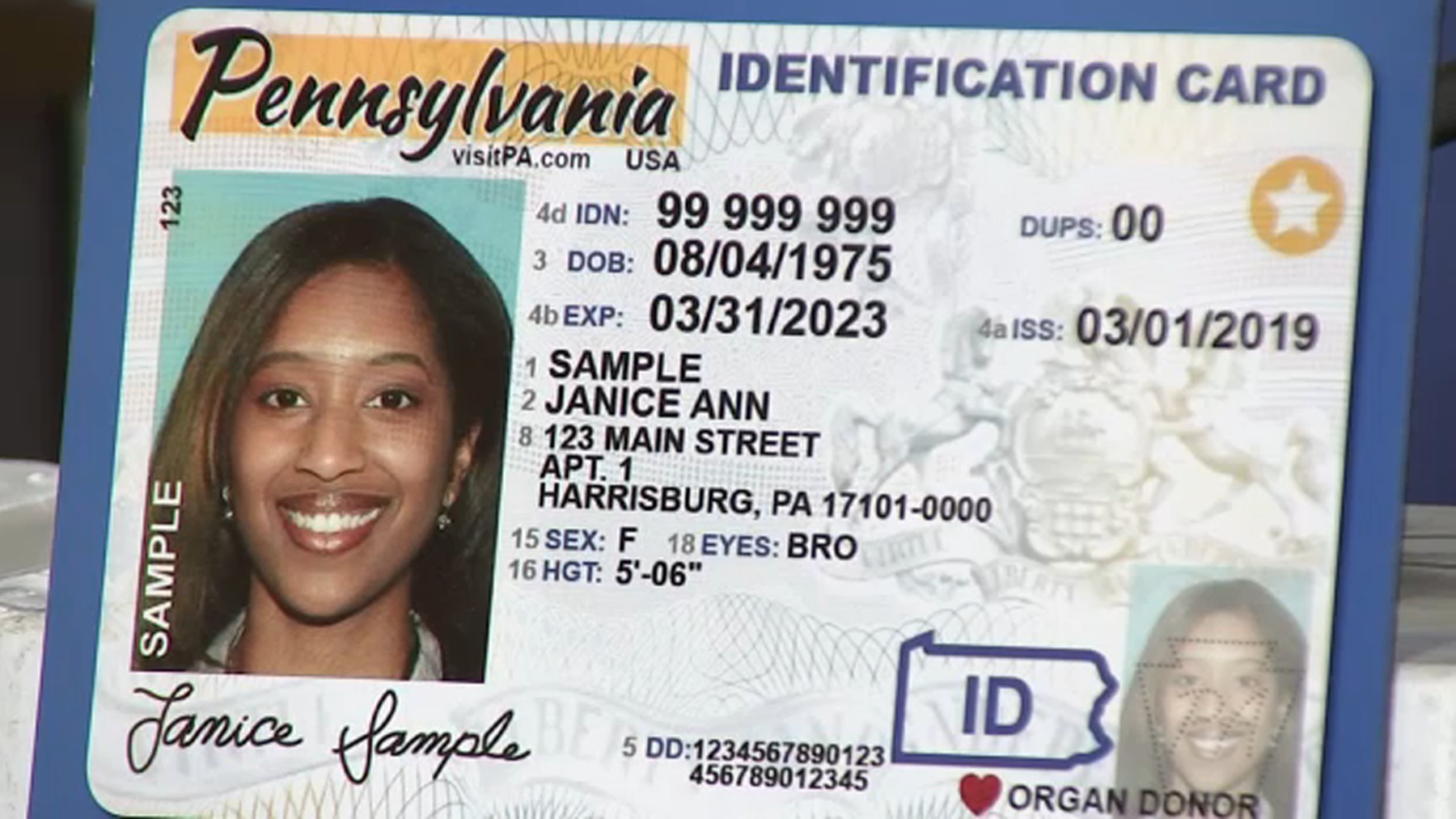
For residents and travelers alike, understanding the nuances of identification documents in the United States is increasingly crucial, especially when it comes to domestic air travel. In California, obtaining a REAL ID is a significant step towards seamless travel and enhanced security. This enhanced form of identification, distinguishable by a golden bear with a star, or a star cutout on the card, signifies compliance with federal security standards. It’s not just a fancy new driver’s license; it’s a vital tool for navigating the modern travel landscape, particularly for anyone planning to board a domestic flight.
The question of “how much” a REAL ID costs in California is straightforward in terms of its direct fee, but its value extends far beyond that. It represents an investment in hassle-free experiences, from passing through TSA checkpoints at major airports like Los Angeles International Airport or San Francisco International Airport, to accessing federal facilities. The financial outlay for a REAL ID in California is consistent with the fees for a standard driver’s license or identification card, currently set at $39 for a non-commercial driver’s license and $34 for an identification card. While these figures cover the official document, the true cost often involves time, preparation, and understanding the intricate application process. This article will delve into the specific fees, the application journey, required documentation, and the broader impact of a REAL ID on your travel and lifestyle in the Golden State, connecting it all to the vibrant tourism and accommodation sectors that define California’s appeal.
Understanding the REAL ID: More Than Just a Driver’s License
The concept of a REAL ID emerged from the REAL ID Act of 2005, a federal law passed by Congress following the September 11, 2001, terrorist attacks. This act established minimum security standards for state-issued driver’s licenses and identification cards, effectively aiming to enhance the security of travel documents across the nation. For years, states have been working to comply with these standards, and California has been at the forefront, encouraging its residents to transition to this more secure form of identification.
Why is it important for travel? The primary driver for many Californians to obtain a REAL ID is its necessity for domestic air travel. As of May 7, 2025, the Transportation Security Administration (TSA) will require a REAL ID-compliant license or identification card, or another acceptable form of identification (like a U.S. passport or military ID), for passengers 18 years and older to board federally regulated commercial flights. Without it, travelers risk being denied entry at TSA checkpoints, leading to missed flights and disrupted travel plans, whether for a business trip to Silicon Valley or a family vacation to Disneyland.
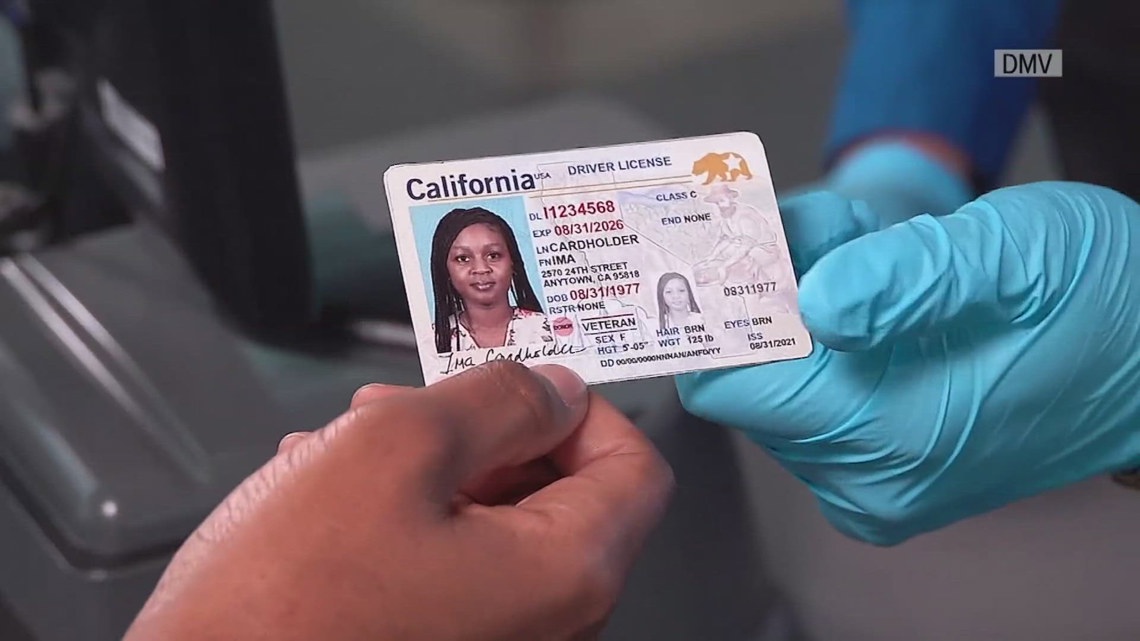
Beyond air travel, a REAL ID is also required for accessing certain federal facilities, such as military bases, federal courthouses, and other secure government installations. While most daily activities like driving, voting, or purchasing age-restricted items do not necessitate a REAL ID, its federal compliance makes it a more versatile and universally accepted form of identification.
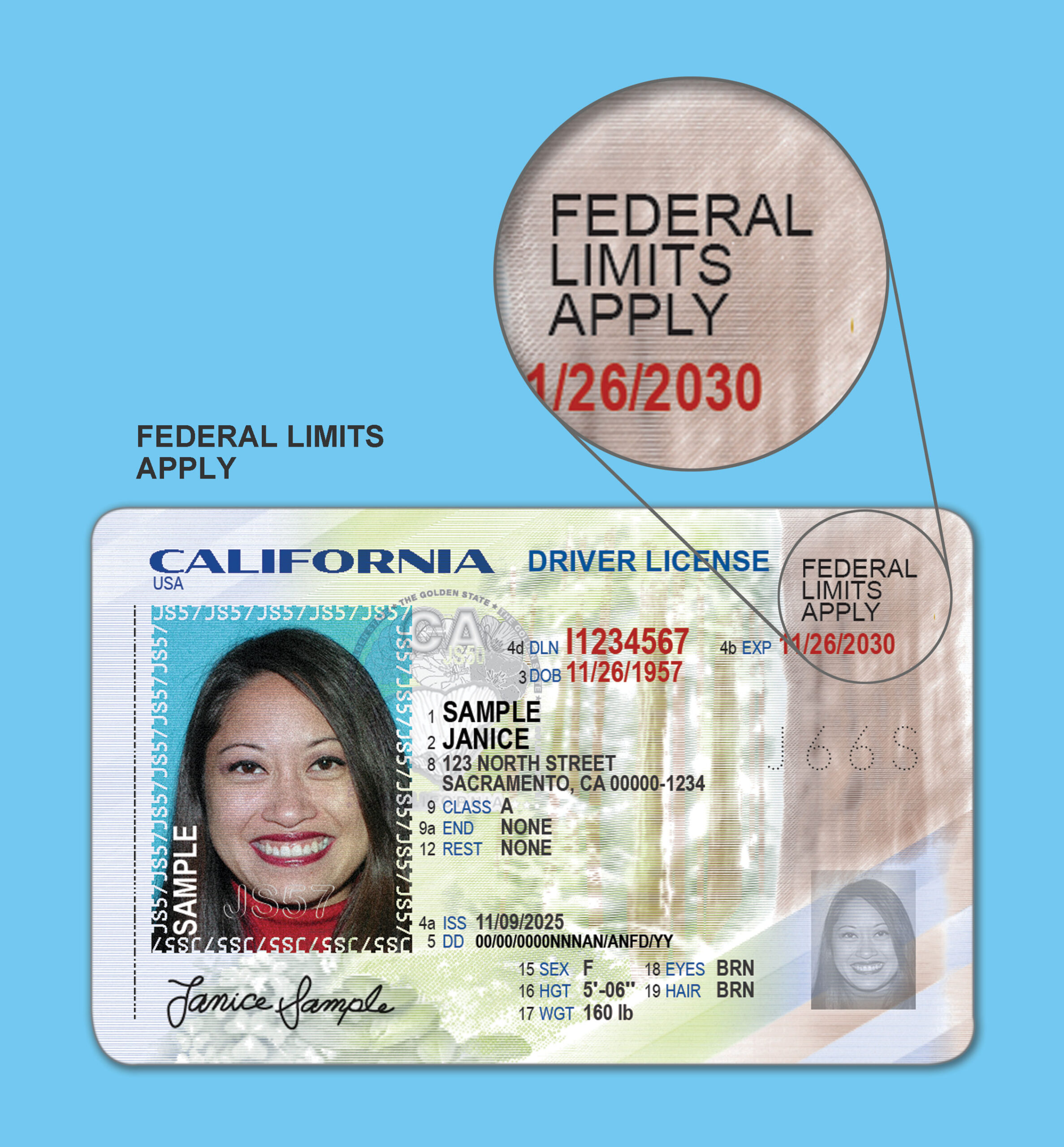
It’s crucial to understand the distinction between a REAL ID, a standard driver’s license, and an identification card marked “federal limits apply.” A standard California driver’s license or ID card issued before the REAL ID program, or one issued after that is not REAL ID compliant, will typically bear the phrase “FEDERAL LIMITS APPLY” or “NOT FOR FEDERAL IDENTIFICATION.” These documents are still valid for driving and state-level identification purposes, but they will not be accepted for domestic air travel or access to federal facilities after the enforcement deadline. The REAL ID, conversely, is easily identifiable by the aforementioned star symbol, signifying its federal compliance. Making this switch proactively can save a lot of headaches and ensure uninterrupted travel experiences across California and beyond.
The Core Cost: California’s REAL ID Fees
When planning to obtain a REAL ID in California, the direct financial costs are relatively transparent and aligned with existing Department of Motor Vehicles (DMV) fees. There isn’t an additional premium specifically for the “REAL ID” designation itself; rather, it’s an option chosen when applying for a new or renewed driver’s license or identification card.
- New REAL ID Driver’s License Fee: For individuals applying for their first REAL ID compliant non-commercial driver’s license, or upgrading from a standard license, the fee is $39. This fee covers the application, the necessary tests, and the issuance of the new card. This is the same fee as a standard California driver’s license.
- New REAL ID Identification Card Fee: If you do not require a driver’s license but need a federally compliant identification card, the fee for a new REAL ID identification card is $34. This option is popular for non-drivers or those who already hold a foreign driver’s license but need a U.S. compliant ID for domestic air travel.
- Renewal Fees: The fees for renewing a REAL ID compliant driver’s license or identification card are the same as the initial application fees: $39 for a driver’s license and $34 for an ID card. Renewals are typically required every five years. It’s important to keep track of your expiration date to avoid last-minute rushes, especially if you have upcoming travel plans.
- Replacement Fees: In the unfortunate event that your REAL ID driver’s license or identification card is lost, stolen, or damaged, you will need to apply for a replacement. The fee for a replacement card is $35 for a driver’s license and $31 for an identification card. While a replacement typically doesn’t require reapplying with all original documents, it’s wise to carry a secondary form of identification, like a U.S. passport, until your new card arrives, particularly if you anticipate any domestic air travel.
- Payment Methods: The California DMV generally accepts various payment methods at their offices, including cash, checks, money orders, and debit/credit cards. When conducting transactions online, credit or debit card payments are standard. It’s always a good idea to check the DMV website or call ahead to confirm accepted payment types, particularly before visiting an office in a bustling city like San Francisco or San Diego.
While these fees are the direct costs, applicants should also factor in potential indirect costs such as time off work for DMV visits, transportation costs, and the expense of obtaining certified copies of necessary documents if they don’t already possess them. Considering the peace of mind and travel convenience a REAL ID provides, these costs are generally considered a worthwhile investment for most California residents.
Navigating the Application Process for Your California REAL ID
The application process for a REAL ID in California can seem daunting due to the requirement of specific documents, but by following a structured approach, it becomes manageable. The California DMV has streamlined parts of the process, particularly through its online portal, to make it more efficient for residents.
Step-by-Step Guide:
- Gathering Documents: This is arguably the most critical step. Before you even think about visiting a DMV office, you must have all your required documents in hand. These include proof of identity, proof of Social Security number, and two proofs of California residency. We will detail these in the next section, but a good rule of thumb is to bring more documents than you think you need, especially if there are any complexities like name changes.
- Completing the Online Application: The California DMV strongly recommends starting your REAL ID application online. This involves filling out the application form on the DMV website, which can save a significant amount of time during your in-person visit. You’ll input your personal information and indicate your intention to apply for a REAL ID. Upon completion, you’ll receive a confirmation code that you’ll need to bring to your appointment.
- Scheduling an Appointment: While walk-ins are technically possible, they are highly discouraged due to potentially long wait times, particularly at busy DMV locations in urban centers. Scheduling an appointment online or by phone is the most efficient way to ensure a relatively swift visit. Aim to book your appointment well in advance, especially if you have an upcoming trip.
- Visiting the DMV Office: On the day of your appointment, arrive punctually at your chosen DMV office in California. You’ll check in, present your confirmation code, and proceed through the necessary steps. This typically includes:
- Document Verification: A DMV representative will carefully review all your original documents to ensure they meet the REAL ID requirements.
- Photo: Your photo will be taken for the card. It’s wise to dress appropriately and avoid busy patterns.
- Fingerprinting: You will provide a thumbprint.
- Signature: You’ll sign your name electronically.
- Vision Test: If you’re applying for a driver’s license, a vision test is mandatory.
- Payment: You’ll pay the applicable fee at this stage.
- Receiving Your Card: After successfully completing the process at the DMV, you will typically receive a temporary paper REAL ID. Your permanent, hard-plastic card will then be mailed to your address within a few weeks. It’s vital to ensure your mailing address is current and accurate to avoid delays.
Common Pitfalls and How to Avoid Them:
- Missing or Incorrect Documents: This is the most common reason for application delays or rejections. Double-check the list of required documents and bring the original versions, not photocopies. Use the DMV’s interactive document checklist online tool.
- Not Making an Appointment: As mentioned, trying to walk in can lead to hours of waiting, especially at popular DMV branches such as those near San Jose or Orange County. Plan ahead and schedule.
- Expired or Inaccurate Information: Ensure all your current identification and proof of residency documents are up-to-date and reflect your current name and address. Discrepancies can cause issues.
- Last-Minute Rush: Don’t wait until weeks before a flight to apply. The processing and mailing of the permanent card take time. Allow several months before the May 2025 deadline, or any significant travel plans, to complete the process smoothly.
Essential Documents for Your REAL ID Application
The cornerstone of a successful REAL ID application in California is providing the correct and complete set of documents. The DMV requires original documents or certified copies (photocopies are generally not accepted unless specified). It’s always best to bring more than requested, especially if your situation is unique (e.g., multiple name changes, complex residency).
-
Proof of Identity (One Document Required): This document must prove your legal name and date of birth. Examples include:
- Original or Certified Copy of your U.S. Birth Certificate
- Valid, unexpired U.S. Passport or U.S. Passport Card
- Permanent Resident Card (Form I-551)
- Unexpired foreign passport with a valid U.S. visa and approved I-94 form
- Employment Authorization Document (EAD) (Form I-766)
- Certificate of Naturalization (Form N-550 or N-570)
- Certificate of U.S. Citizenship (Form N-560 or N-561)
-
Proof of Social Security (One Document Required): This document verifies your Social Security Number (SSN).
- Social Security Card (must be original, not laminated or a metal copy)
- W-2 Form
- SSA-1099 Form
- Non-SSA-1099 Form
- Pay stub with your name and full SSN
-
Proof of Residency (Two Different Documents Required): These documents must show your current physical address in California. They must be different types of documents.
- Utility bills (gas, electric, water, trash, cell phone, landline phone)
- Rental agreement or lease with the signature of the landlord and tenant
- Mortgage bill
- Homeowner’s insurance policy
- Bank statements (checking, savings, money market)
- Medical documents
- Employment documents
- School documents (e.g., transcripts)
- California vehicle or boat registration
- DMV change of address confirmation
-
Name Change Documents (If Applicable): If the name on your identity document (e.g., birth certificate or passport) does not match your current legal name, you must provide documents to prove the legal name change.
- Marriage certificate
- Divorce decree
- Court order for a name change
- Certificate of Domestic Partnership
It’s highly recommended to use the California DMV’s online REAL ID checklist tool, which guides you through selecting your specific documents and even allows you to upload them virtually before your appointment. This significantly reduces the chance of errors and ensures a smoother experience at the DMV.
The REAL ID’s Impact on Travel and Lifestyle in California
Beyond the application fees and document gathering, the REAL ID holds significant implications for how California residents and visitors interact with the world, particularly within the realms of travel, tourism, and everyday lifestyle.
Seamless Travel Experiences
For many, the most compelling reason to get a REAL ID is the promise of seamless domestic travel.
- Domestic Flights: Once the May 7, 2025, deadline arrives, a REAL ID will be essential for passing through TSA checkpoints for domestic flights. Imagine planning a dream trip to Yosemite National Park or a bustling city break in San Francisco. The last thing you want is to be turned away at the airport because your ID isn’t compliant. With a REAL ID, travelers can breeze through security, minimizing stress and maximizing time enjoying their journey. This is particularly relevant for those who frequently fly between California’s major cities like Los Angeles, San Francisco, and San Diego, or to other states for leisure or business.
- Federal Facilities: Access to federal buildings, military bases, and nuclear power plants also requires a REAL ID or other accepted federal identification. While not a daily concern for most, it is crucial for individuals who work in or need to visit these facilities.
- Avoiding Delays: Proactive acquisition of a REAL ID ensures that future travel plans, whether spontaneous weekend getaways to Napa Valley’s wine country or meticulously planned family vacations to the beaches of Southern California, remain uninterrupted. The thought of potential delays at the airport can inject anxiety into any travel itinerary. A REAL ID acts as an insurance policy against such worries, allowing travelers to focus on the joy of their destination.
Beyond Travel: Daily Life and Convenience
While travel is a primary motivator, the convenience of a REAL ID extends to everyday life:
- General Identification Needs: Having a federally compliant ID provides a robust form of identification for various situations, from banking and financial transactions to interactions with law enforcement. It simplifies processes where a strong proof of identity is required.
- Peace of Mind: Knowing you possess the most widely accepted form of state-issued identification in the U.S. offers a certain level of peace of mind. It eliminates the need to carry multiple forms of ID for different purposes and streamlines identification checks.
Connecting to California’s Tourism Landscape
California is a global magnet for tourism, offering an unparalleled diversity of experiences, from the majestic redwoods of Northern California to the sun-drenched deserts and vibrant cities. A REAL ID plays a subtle yet critical role in supporting this thriving tourism industry:
- Facilitating Exploration: For domestic tourists flying into California, a REAL ID makes their entry into the state and subsequent travel within it much smoother. This ease encourages more visitors, whether they’re coming to explore iconic landmarks like the Golden Gate Bridge, immerse themselves in the culture of Hollywood, or seek adventure in national parks.
- Supporting Accommodation and Lifestyle: The tourism ecosystem, which includes hotels, resorts, vacation rentals, and a plethora of lifestyle activities, directly benefits from streamlined travel. When travelers can confidently arrive and move around, they are more likely to spend on accommodation, dining, attractions, and local experiences, boosting California’s economy. From luxury stays in Beverly Hills to budget-friendly options along the Pacific Coast Highway, the REAL ID facilitates access for all types of travelers.
- Enhancing the Visitor Experience: By minimizing travel friction, the REAL ID indirectly contributes to a more positive visitor experience. Tourists who feel secure and unburdened by identification concerns are more likely to enjoy California’s hospitality, recommend it to others, and plan return visits.
In essence, while the REAL ID might seem like a bureaucratic requirement, it is an integral part of modern travel and identification. Its cost is nominal compared to the value it provides in ensuring smooth journeys and hassle-free access across California and the broader United States.
In conclusion, the direct cost of a REAL ID in California is a reasonable $39 for a driver’s license and $34 for an identification card. However, the true value lies in the convenience, security, and peace of mind it offers for travel and daily life. Given the impending federal enforcement deadline for domestic air travel, prioritizing the acquisition of your REAL ID is a smart move for any California resident. By understanding the fees, meticulously gathering the required documents, and following the clear application steps, you can ensure your future travels, whether for business or leisure to explore California’s diverse destinations, remain as smooth and enjoyable as possible.
LifeOutOfTheBox is a participant in the Amazon Services LLC Associates Program, an affiliate advertising program designed to provide a means for sites to earn advertising fees by advertising and linking to Amazon.com. Amazon, the Amazon logo, AmazonSupply, and the AmazonSupply logo are trademarks of Amazon.com, Inc. or its affiliates. As an Amazon Associate we earn affiliate commissions from qualifying purchases.