
California, a land of unparalleled natural beauty, vibrant cities, and diverse landscapes, is also a region increasingly grappling with the devastating impacts of wildfires. From the towering redwoods of the north to the sun-drenched beaches of the south, the golden state’s allure is undeniable, attracting millions of visitors annually to destinations like Yosemite National Park, San Francisco, and Los Angeles. However, beneath this picturesque veneer lies a complex interplay of natural conditions and human activities that render much of the state highly susceptible to infernos, particularly during its prolonged dry seasons. For both residents and those planning an unforgettable California adventure, understanding the root causes of these fires is paramount – not only for personal safety but also for appreciating the delicate balance of this remarkable ecosystem and the resilience of its communities.
This comprehensive guide delves into the multifaceted origins of California’s wildfires, exploring everything from the state’s unique climate and challenging topography to the direct and indirect roles played by human activity. We will also touch upon the profound implications these fires have on California’s thriving tourism sector, the safety of its accommodations, and the preservation of its iconic landmarks, offering insights into how travelers and locals alike can navigate and contribute to a more fire-resilient future.
The Perfect Storm: California’s Natural Predisposition to Fire
California’s very geography and climate, which contribute so much to its appeal as a global travel destination, also conspire to create an environment naturally prone to fire. This inherent susceptibility is a critical first step in understanding “What Causes California Wildfires?”.
A Mediterranean Climate and Prolonged Droughts
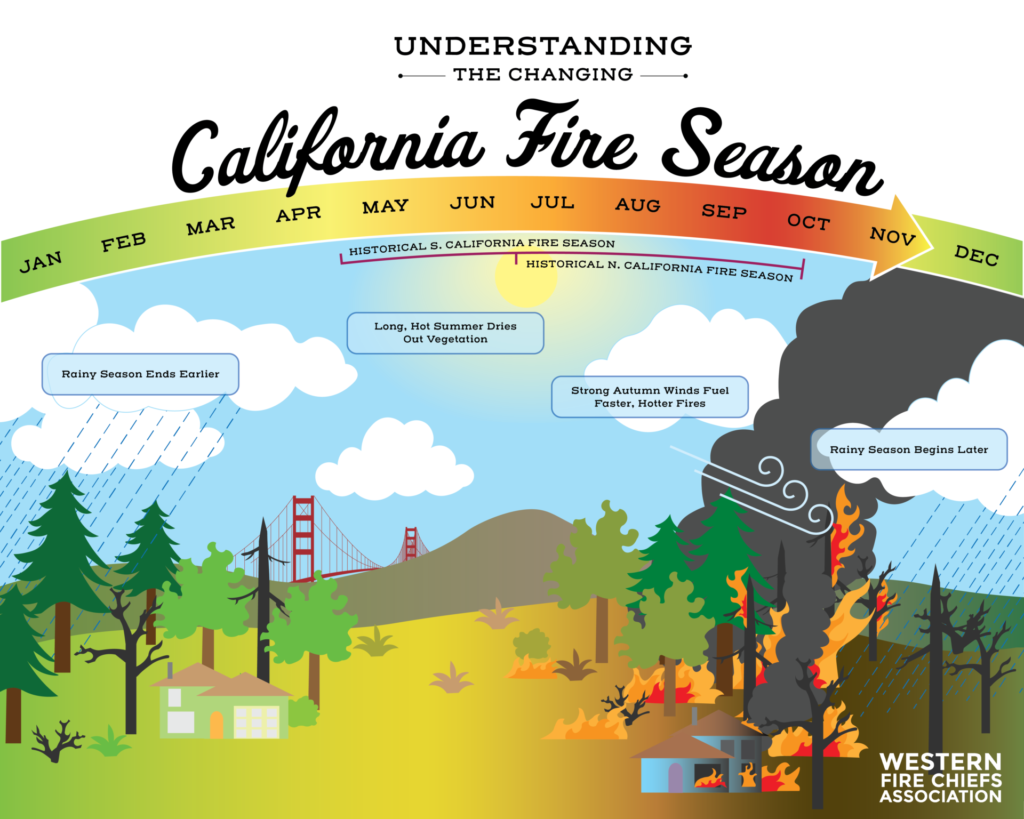
At the heart of California’s fire problem is its distinctive Mediterranean climate. Characterized by hot, dry summers and mild, wet winters, this pattern creates a seasonal cycle where vegetation grows vigorously during the cooler, wetter months, only to dry out and become highly combustible fuel during the summer and fall. This natural cycle is increasingly exacerbated by climate change, which has led to more frequent and intense droughts across the state.
These prolonged periods of insufficient rainfall mean that the moisture content in soils and plants plummets, turning lush landscapes into tinderboxes. When a drought takes hold, the accumulated vegetation – from dense chaparral to towering trees in forests like those found near Lake Tahoe or within the Sierra Nevada mountain range – becomes exceedingly dry. This condition, known as “fuel aridity,” is a primary predictor of large, severe wildfires. The impact is felt throughout the state, affecting everything from the agricultural heartland in the Central Valley to the beloved redwood forests of Northern California, impacting both local lifestyle and the natural attractions that draw visitors.
Diablo and Santa Ana Winds: Nature’s Accelerants
Another critical natural factor is the presence of specific wind events. In Northern California, the infamous Diablo Winds sweep down from the northeast, funneling dry air over the North Bay hills and into areas like Napa Valley and Sonoma County. These hot, powerful gusts can transform a small spark into a rapidly spreading inferno, carrying embers for miles and igniting new fires far from the original blaze. These winds were tragically implicated in the devastating fires that swept through wine country in recent years, impacting countless vineyards, luxury resorts, and boutique hotels in these world-renowned travel destinations.
Further south, the Santa Ana Winds perform a similar, destructive dance. Originating from high-pressure systems over the Great Basin, they descend through canyons and passes into Southern California, bringing extremely low humidity and high temperatures. These strong, erratic winds are notorious for driving fires through coastal mountain ranges, threatening communities from Malibu to San Diego. The combination of desiccated vegetation and these powerful, dry winds creates an explosive environment, making containment incredibly challenging for firefighters and posing immense risks to residential areas and popular attractions alike. Travelers often monitor these wind advisories, as they can lead to closures of parks and even evacuations from scenic routes like Highway 1 along Big Sur.
Flammable Landscapes and Rugged Topography
California’s diverse ecosystems, while beautiful, are also inherently combustible. Vast expanses of chaparral, highly flammable shrubland, dominate the hillsides of Southern California. These plants are well-adapted to fire, often regenerating quickly after a blaze, but their dense, oil-rich foliage acts as potent fuel. Similarly, the majestic forests of the Sierra Nevada, home to iconic giants like the Giant Sequoias in Sequoia National Park and Kings Canyon National Park, contain vast amounts of fuel in the form of dead trees, fallen branches, and dense undergrowth – a legacy of past fire suppression policies and insect infestations.
The rugged topography of the state further complicates matters. Steep canyons and hillsides act like natural chimneys, channeling winds and accelerating fire spread uphill. This makes it incredibly difficult for firefighters to access and control blazes, especially in remote areas or those with limited road infrastructure. The dramatic cliffs and valleys that contribute to California’s stunning scenic drives and hiking trails also inadvertently become pathways for destruction when fires ignite. The interaction between these elements – dry fuels, strong winds, and challenging terrain – creates a potent recipe for the destructive wildfires that have become an increasing concern for anyone considering a visit or a long-term stay in the region.
Human Footprint: Ignitions and the Wildland-Urban Interface
While natural conditions set the stage, human activities are overwhelmingly the direct cause of ignition for the majority of California’s wildfires. Furthermore, the way human populations have developed and expanded across the state significantly amplifies the risk and the potential for catastrophe.
Accidental Ignitions: The Unintended Spark
The vast majority of wildfires in California are ignited by human activity, often unintentionally. These sources range from simple carelessness to critical infrastructure failures. Common causes include:
- Vehicle Malfunctions: Sparks from a hot catalytic converter, trailer chains dragging on asphalt, or tires blowing out can all throw sparks into dry vegetation along roadsides. This is a particular concern on busy highways and rural roads, where people travel to explore California’s many attractions.
- Equipment Use: Sparks from power tools, lawnmowers, grinding equipment, or welding can easily ignite dry grass. Agricultural operations, construction projects, and even routine home maintenance can become ignition sources if not conducted with extreme caution, especially during red flag warnings.
- Campfires and Recreational Activities: Unattended campfires, carelessly discarded cigarettes, fireworks, target shooting, or even hot exhaust pipes from off-road vehicles can provide the critical spark. As tourism thrives in California’s national and state parks, promoting responsible recreation and adhering to fire restrictions becomes paramount for visitors exploring sites like Big Bear Lake or the Angeles National Forest.
- Arson: While a smaller percentage, intentional acts of arson do contribute to the wildfire problem, often with devastating consequences for communities and landscapes.
Utility Infrastructure and Power Lines
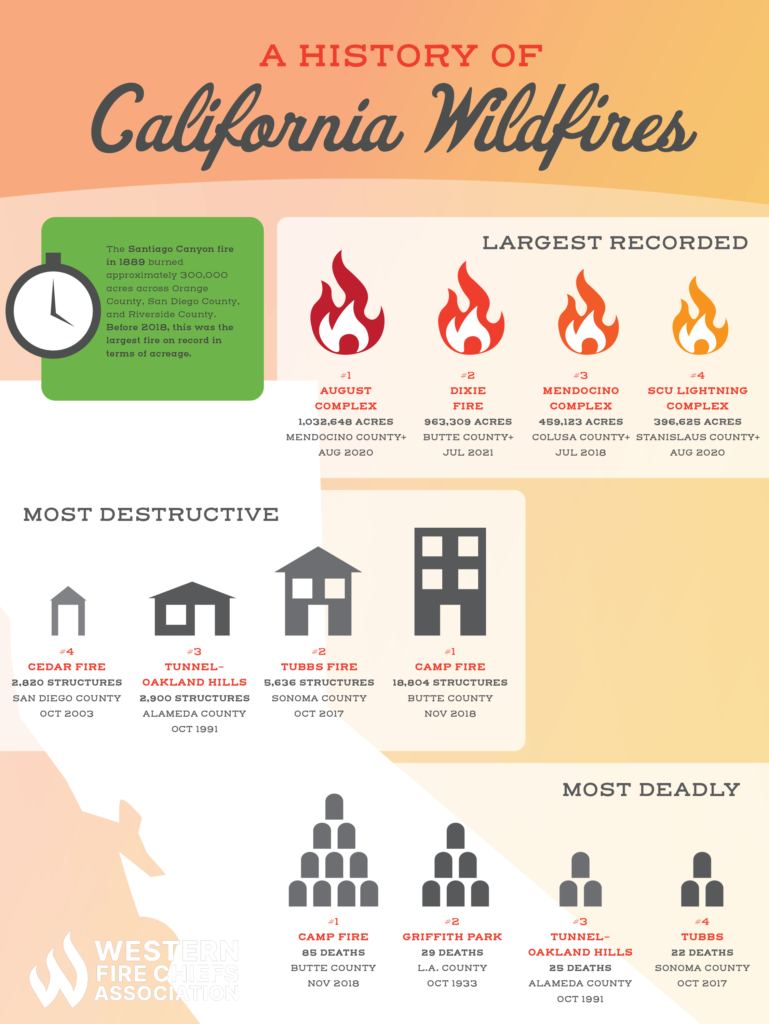
A particularly significant and often catastrophic source of ignitions in recent years has been aging and vulnerable utility infrastructure, particularly power lines. Strong winds can cause power lines to sway, touch, or break, sending sparks onto dry vegetation below. In some cases, overloaded transformers or electrical equipment malfunctions can also ignite fires. Major utility companies like Pacific Gas and Electric Company (PG&E) in Northern California and Southern California Edison (SCE) in the south have faced immense scrutiny and legal battles over their role in sparking some of the state’s most destructive fires, including the 2018 Camp Fire which largely destroyed the town of Paradise.
Efforts are underway to mitigate this risk, including undergrounding power lines, hardening existing infrastructure, and implementing Public Safety Power Shutoffs (PSPS) during high-wind, high-fire-risk conditions. While PSPS events can be inconvenient for residents and travelers staying at hotels or resorts, they are a critical preventative measure aimed at saving lives and property. Understanding these measures is key for any visitor or resident, particularly in regions like the Gold Country or the Santa Cruz Mountains, where such infrastructure is prevalent.
The Wildland-Urban Interface (WUI) and Community Vulnerability
Perhaps the most challenging aspect of California’s wildfire crisis is the rapid expansion of the Wildland-Urban Interface (WUI). This is the zone where developed areas, including homes, businesses, and tourist accommodations, directly abut wildland vegetation. As the state’s population grows and people seek to live amidst nature – from the scenic foothills of the Sierra Nevada to the coastal canyons of Marin County – more and more structures are being built in fire-prone areas.
This expansion dramatically increases the stakes when a wildfire ignites. Not only does it put more lives and homes at risk, but it also provides more potential ignition sources and complicates fire suppression efforts. Firefighters must divert resources from purely wildland firefighting to protecting structures, often in challenging terrain. For the tourism industry, the WUI poses direct threats to resorts, hotels, and vacation rentals, particularly in desirable natural settings like Palm Springs or the vineyards of Napa Valley. Ensuring defensible space around properties, using fire-resistant building materials, and implementing community-wide evacuation plans become crucial elements of a fire-resilient lifestyle and a safe environment for visitors.
The Ripple Effect: Impacts on Travel, Tourism, and Lifestyle
The direct causes of California wildfires lead to a cascade of effects that profoundly influence not just the state’s natural environment, but also its vibrant tourism industry, the safety and availability of accommodation, the preservation of its iconic landmarks, and the everyday lifestyle of its residents and visitors.
Disruption to Travel and Tourism Experiences
When wildfires ignite, the immediate impact on travel and tourism is often severe. Popular destinations such as Yosemite National Park, Joshua Tree National Park, and Redwood National and State Parks may face closures, either entirely or in specific areas, to ensure public safety and allow firefighting operations. Major scenic routes, like sections of Highway 1 along the Big Sur coast or mountain passes in the Sierra Nevada, can be shut down, forcing travelers to reroute or cancel their plans.
Beyond direct closures, smoke from wildfires can spread hundreds of miles, causing poor air quality that deters outdoor activities, even in areas not directly threatened by flames. Imagine planning a relaxing hike in San Luis Obispo or a wine-tasting tour in Santa Barbara, only to find the skies hazy and the air difficult to breathe. This can significantly diminish the quality of a travel experience, leading to cancellations and impacting local businesses, from small cafes to large resorts. The economic toll on local economies heavily reliant on tourism, such as those in Mendocino County or the Julian apple-pie country, can be substantial and long-lasting.
Threats to Accommodation and Landmarks
Hotels, resorts, vacation rentals, and campsites are on the front lines when fires strike. Many luxurious accommodations and charming boutique hotels are nestled in scenic, wildland-adjacent areas, making them vulnerable. Evacuation orders can force guests to cut short their stays, leading to significant revenue losses for properties and disruption for travelers. In the worst-case scenarios, entire properties can be destroyed, as seen with some establishments in Napa Valley or Malibu during past fires. For those seeking accommodation, especially during peak fire season, it’s crucial to check local conditions, have travel insurance, and understand cancellation policies.
Iconic landmarks, both natural and historical, are also gravely threatened. Ancient Giant Sequoias in national parks, historically significant buildings in old mining towns of the Gold Country, or the unique ecosystems of coastal preserves – all face the risk of irreversible damage or complete destruction. The loss of these irreplaceable treasures represents a loss not only for California but for the world. Efforts to protect these sites, such as strategic prescribed burns or wrapping trees in fire-resistant materials, highlight the urgency of the situation.
Adapting Lifestyles and Promoting Fire-Resilient Tourism
Living with wildfires has become an unfortunate reality for many Californians, necessitating significant adaptations to lifestyle. This includes creating “defensible space” around homes, using fire-resistant landscaping, and being constantly aware of fire weather conditions. For travelers, adopting a fire-resilient mindset means being informed, prepared, and responsible. This involves:
- Checking Fire Risk Levels: Before embarking on any outdoor activity, especially camping or hiking, check the local fire danger index.
- Adhering to Restrictions: Strictly follow any fire bans, campfire restrictions, or park closures.
- Practicing Fire Safety: Never discard cigarettes, ensure campfires are fully extinguished, and be mindful of sparks from vehicles or equipment.
- Having an Evacuation Plan: If staying in a high-risk area, understand the local evacuation routes and emergency communication systems.
- Supporting Recovery Efforts: After fires, supporting affected communities by visiting when safe to do so, staying in local accommodations, and purchasing local goods helps with economic recovery.
The future of travel and lifestyle in California is intrinsically linked to its ability to manage and adapt to wildfires. Through collective efforts in prevention, preparedness, and responsible action, both residents and visitors can continue to enjoy the golden state’s unparalleled beauty while fostering a culture of resilience against its most devastating natural threat.
Towards a Fire-Resilient Future: Mitigation and Adaptation Strategies
Understanding “What Causes California Wildfires?” is merely the first step; the ongoing challenge lies in mitigating these risks and adapting to a future where fires may be more frequent and intense. California is actively implementing a multi-pronged approach that involves forest management, community preparedness, and technological innovation.
Proactive Forest and Land Management
Historically, a century of aggressive fire suppression policies led to an unnatural accumulation of dense undergrowth and dead trees in California’s forests. This excessive “fuel load” now exacerbates the intensity and spread of wildfires. Modern land management strategies aim to reverse this trend:
- Prescribed Burns: Controlled burns, conducted under specific weather conditions, intentionally clear out excess vegetation and create natural firebreaks. This ancient practice, once used by indigenous populations, is crucial for restoring forest health and reducing the risk of catastrophic mega-fires in areas like the Tahoe National Forest or the Shasta-Trinity National Forest.
- Forest Thinning and Fuel Reduction: Mechanical thinning and manual removal of smaller trees, brush, and deadfall help reduce fuel density. These projects are often focused around communities and critical infrastructure, safeguarding popular tourist routes and natural areas such as those surrounding Lake Shasta.
- Ecological Restoration: Efforts to plant fire-adapted native species and restore natural fire regimes aim to create healthier, more resilient ecosystems that can better withstand and recover from fire.
Hardening Communities and Infrastructure
Protecting the Wildland-Urban Interface (WUI) is paramount. This involves a combination of individual responsibility and community-wide initiatives:
- Defensible Space: Homeowners and property managers (including hotels and resorts) are encouraged, and often legally required, to create “defensible space” by clearing flammable vegetation a certain distance around structures. This acts as a buffer zone, slowing down advancing flames and giving firefighters a safer area to operate.
- Fire-Resistant Building Materials: New construction and retrofits in high-risk areas increasingly use materials like stucco, tile roofs, and multi-pane windows that are less susceptible to ignition from embers. This is especially important for properties in fire-prone regions like Pasadena‘s foothills or San Luis Obispo’s wine country.
- Utility Infrastructure Upgrades: Utility companies are investing billions in hardening their systems, including undergrounding power lines, replacing wooden poles with steel, and deploying advanced sensor technology to detect faults. These measures are designed to drastically reduce ignitions linked to electrical equipment, particularly during extreme weather events.
Advanced Technologies and Early Warning Systems
Technological advancements are playing an increasingly vital role in fire detection, monitoring, and response:
- AI and Satellite Monitoring: Artificial intelligence is being used to analyze satellite imagery and sensor data to detect new ignitions rapidly, often before they become large, uncontrollable blazes.
- Remote Sensing and Drone Technology: Drones equipped with infrared cameras can provide real-time information on fire behavior, helping incident commanders make more informed decisions and enhancing safety for ground crews.
- Community Alert Systems: Enhanced public warning systems, including reverse 911 calls, text alerts, and emergency broadcast messages, ensure that residents and visitors receive timely evacuation orders and critical information. Visitors staying in local accommodations should inquire about these systems upon check-in.
- Weather Forecasting: Hyper-local weather forecasting models, focusing on wind patterns, humidity, and temperature, provide crucial insights for predicting fire behavior and issuing red flag warnings, informing both residents and the tourism sector of potential dangers.
By integrating these strategies, California aims to reduce the frequency and intensity of catastrophic wildfires, protect its communities and treasured landmarks, and ensure that its stunning natural beauty remains a draw for travelers for generations to come. While the challenge is immense, a concerted effort from government, industry, communities, and individuals is paving the way for a more fire-resilient future.
Conclusion
The question “What Causes California Wildfires?” unravels a complex tapestry woven from natural predispositions and profound human influences. From the state’s iconic Mediterranean climate, with its cycle of growth and desiccation, amplified by relentless droughts and ferocious Diablo Winds and Santa Ana Winds, to the undeniable impact of human carelessness, aging infrastructure, and the expansion into the Wildland-Urban Interface, the factors are numerous and interconnected.
These infernos not only scar the landscape but also send ripples through every facet of California life – threatening beloved natural landmarks, disrupting carefully planned travel itineraries, and challenging the very lifestyle of those who call this beautiful state home. Yet, amidst the devastation, there is a powerful narrative of resilience, innovation, and adaptation emerging. Through proactive forest management, the hardening of communities and critical infrastructure, and the deployment of cutting-edge technologies, California is actively striving to build a more fire-resilient future.
For travelers, understanding these dynamics means embracing responsible tourism, staying informed, and respecting the natural environment. For residents, it means a continuous commitment to preparedness and community action. California’s allure as a destination remains undimmed, but its future, for both its natural wonders and its human endeavors, lies in a shared commitment to mitigating the risks of wildfire and learning to coexist with fire in this magnificent, yet challenging, landscape.
