
Navigating the roads of Florida offers a gateway to stunning beaches, vibrant cities, and unique attractions. However, for both residents and visitors, understanding local traffic laws, particularly those enforced by red light cameras, is crucial to ensure a smooth and enjoyable journey. A momentary lapse in judgment or an unfamiliarity with intersection layouts can quickly lead to an unexpected financial penalty. Florida has specific regulations regarding automated red light enforcement, and knowing the potential costs and procedures associated with a red light camera ticket can help tourists better manage their travel budget and avoid unnecessary stress.
The Cost of a Red Light Camera Ticket in Florida
The immediate question for anyone encountering a red light camera flash is, “How much will this cost me?” In Florida, the financial implications of a red light camera violation are distinct from traditional officer-issued citations. When a red light camera detects a violation, the initial notice you receive is typically a Notice of Violation. This notice is usually mailed to the registered owner of the vehicle and outlines the alleged infraction, often including photographic or video evidence.
The standard civil penalty for a red light camera violation in Florida is $158. This amount is set by state statute under the Mark Wandall Traffic Safety Program and is consistent across all jurisdictions that operate these cameras, such as major cities like Miami, Orlando, Tampa, and Jacksonville. It’s important to understand that this is a civil penalty, meaning it does not typically result in points on your driver’s license, nor does it get reported to your insurance company, as long as it is paid in a timely manner.
However, the $158 fee is for the initial Notice of Violation. If this notice is not paid or addressed within the specified timeframe (usually 30 or 60 days), the penalty can escalate significantly. Failure to pay can lead to the issuance of a Uniform Traffic Citation, which carries higher fines and potential additional consequences. Once a Uniform Traffic Citation is issued, the fine can increase to approximately $262 or more, depending on the county. Furthermore, this type of citation can result in points being assessed against your driver’s license, which could impact your insurance rates. For out-of-state drivers, points assessed in Florida may be transferred to their home state’s driving record depending on interstate agreements, a process governed by the Driver License Compact. This emphasizes the importance of promptly addressing any Notice of Violation received while visiting the Sunshine State.
Understanding Florida’s Red Light Camera Program
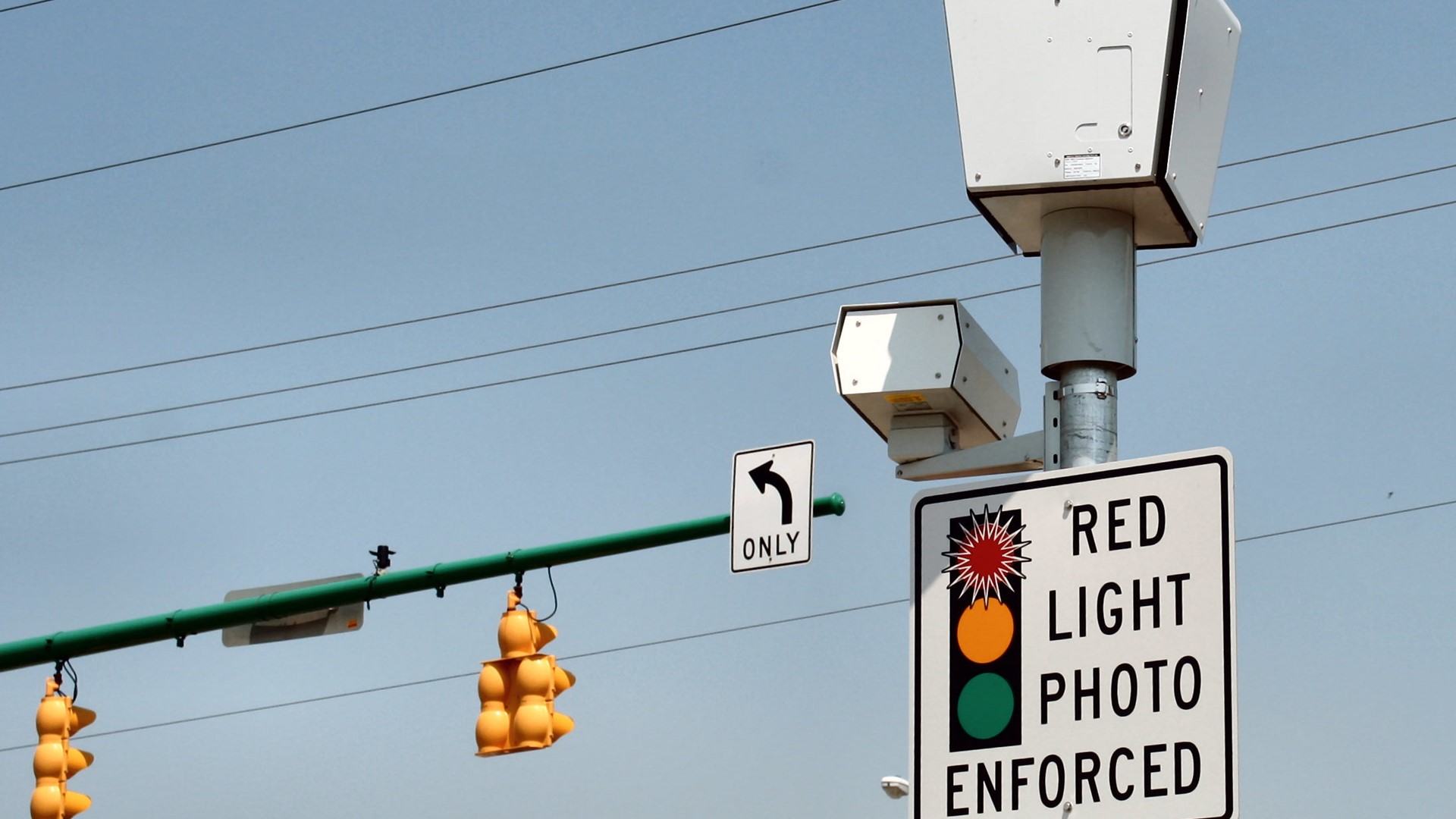
Florida’s use of red light cameras is primarily regulated by the Mark Wandall Traffic Safety Program, enacted through Florida Statute 316.0083. This legislation permits local governments to use automated enforcement systems at intersections to detect violations of traffic control signals. The stated goal of these programs is to enhance public safety by reducing the number of red light running incidents, which often lead to severe angle collisions.
The cameras typically operate by detecting vehicles that enter an intersection after the traffic signal has turned red. Sensors embedded in the pavement or radar technology trigger the camera system. When a potential violation occurs, the system captures multiple images or a short video clip. These typically include:
- An image of the vehicle before it enters the intersection with the red light clearly visible.
- An image of the vehicle in the middle of the intersection with the red light still visible.
- A close-up image of the vehicle’s license plate.
- A video segment showing the entire incident.
This evidence is then reviewed by a law enforcement officer or a designated civilian employee under the supervision of a law enforcement agency before a Notice of Violation is mailed out. It’s crucial for visitors to Florida to understand that these cameras are typically installed at high-traffic intersections known for a high incidence of collisions or violations. While the primary intent is safety, the revenue generated also supports the program’s administration and contributes to state and local funds. Tourists renting vehicles should be aware that the rental car company will receive the initial Notice of Violation, and they will likely charge your credit card for the fine, often with an additional administrative fee.
What Happens If You Get a Ticket (Especially for Tourists)
Receiving a red light camera ticket while traveling can be a confusing and frustrating experience, particularly for visitors unfamiliar with Florida’s specific procedures. The process generally unfolds in stages, each requiring a timely response to avoid increased penalties.
Receiving the Notice of Violation
As mentioned, the first communication you’ll receive is a Notice of Violation, mailed to the registered owner of the vehicle. If you’re driving a rental car, this notice will go to the rental company. The rental company will then typically forward the notice to you, often after adding an administrative fee, and charge the amount to the credit card on file. This notice will contain detailed information about the alleged violation, including the date, time, location of the incident, and photographic/video evidence. It will also specify the initial civil penalty amount and the deadline for payment.
Payment Options and Deadlines
The Notice of Violation will provide instructions on how to pay the $158 civil penalty. This usually involves online payment portals, mailing a check, or paying in person at a designated county clerk’s office. It is critical to adhere to the payment deadline. Missing this deadline will trigger the next, more severe, stage of the process.
Escalation to a Uniform Traffic Citation
If the Notice of Violation is not paid by the due date, the issuing authority will escalate the violation to a Uniform Traffic Citation. This is a significant change, as a Uniform Traffic Citation is treated more like a standard traffic ticket issued by an officer. The fine increases, typically to $262 or more, and the violation now carries the potential for points to be assessed against your driver’s license. For out-of-state drivers, this means the violation may be reported to your home state’s Department of Motor Vehicles (DMV) and could appear on your driving record, potentially affecting insurance rates.
Consequences for Out-of-State Drivers
Out-of-state drivers often wonder how a Florida red light camera ticket affects them. As long as you pay the initial Notice of Violation, it remains a civil penalty, and it typically does not result in points or reporting to your home state. However, if the violation escalates to a Uniform Traffic Citation, the situation changes. Most states are part of the Driver License Compact, an agreement to exchange information regarding traffic violations. This means a point-eligible Uniform Traffic Citation from Florida could be reported to your home state and result in points on your license there. Ignoring a Uniform Traffic Citation can lead to further complications, including potential holds on your driver’s license renewal in your home state until the Florida citation is resolved. Therefore, taking prompt action is always advisable.
Navigating the Legalities: Your Options
Upon receiving a red light camera ticket, whether it’s the initial Notice of Violation or an escalated Uniform Traffic Citation, you have specific legal options. Understanding these can empower you to make an informed decision, especially if you believe the violation was issued in error or circumstances warrant a challenge.
Paying the Penalty
The simplest and most common option is to pay the penalty. For a Notice of Violation, this means paying the $158 civil penalty within the specified timeframe. By doing so, you acknowledge the violation, and the matter is concluded without points on your license or impact on your insurance. This is often the most practical choice for tourists who prefer to resolve the issue quickly and avoid any lingering complications after their trip.
Requesting a Hearing
If you believe you were wrongly accused or have mitigating circumstances, you have the right to request a hearing to contest the Notice of Violation. This request must be made within the deadline specified on the notice. When you request a hearing, the civil penalty transforms into a Uniform Traffic Citation. This means that if the judge rules against you, you will be responsible for the higher fine (approximately $262 or more) and the violation may result in points on your driver’s license. During the hearing, you will have the opportunity to present your case, including any evidence or explanations. The officer who reviewed the camera footage may also be present, or a representative from the traffic enforcement agency.
Common grounds for contesting a red light camera ticket include:
- Mistaken Identity: The vehicle in the photo is not yours.
- Emergency Vehicle: You were yielding to an emergency vehicle.
- Mechanical Failure: A documented mechanical issue (e.g., brake failure) prevented you from stopping safely.
- Right Turn on Red: You made a legal right turn on red after a complete stop, but the camera system incorrectly flagged it as a violation. Florida law permits right turns on red after stopping, unless otherwise posted. The camera must capture clear evidence that the vehicle failed to come to a complete stop before turning.
Seeking Legal Counsel
For more complex situations, or if you are an out-of-state driver concerned about the impact on your driving record, consulting a Florida traffic attorney can be beneficial. An attorney can review the evidence, advise you on the strength of your case, and represent you in court. While this incurs legal fees, it might be a worthwhile investment if the escalated Uniform Traffic Citation carries significant consequences for your driving record or insurance premiums. They can often negotiate for a reduced fine or dismissal, especially if there are technical flaws in the evidence or procedural errors in issuing the ticket.

Practical Tips for Avoiding Red Light Camera Tickets
The best way to deal with a red light camera ticket is to avoid getting one in the first place. For tourists exploring Florida, adopting defensive driving habits and staying alert can significantly reduce the risk of encountering these automated enforcers.
- Be Aware of Your Surroundings: Many intersections with red light cameras are clearly marked with signs indicating their presence. Pay attention to these signs, especially in unfamiliar cities like Orlando, Fort Lauderdale, or Miami.
- Anticipate Yellow Lights: Don’t speed up to “beat” a yellow light. Yellow lights are designed to provide sufficient time to safely clear an intersection or come to a stop before the light turns red. Maintain a safe following distance, allowing you more time to react to changing signals.
- Come to a Complete Stop on Right Turns: If you’re making a right turn on red where permitted (and not prohibited by a “No Turn on Red” sign), ensure you come to a complete stop before the white stop line. Red light cameras are particularly sensitive to rolling stops, even if you eventually yield.
- Avoid Distracted Driving: Texting, navigating complex GPS systems, or engaging in other distractions can cause you to miss a changing light. Keep your focus on the road and traffic signals.
- Understand the “Dilemma Zone”: This is the area just before an intersection where it’s too late to safely stop and too late to safely proceed through a yellow light. Red light cameras are designed to catch violations, so maintaining a safe speed and awareness can help you avoid being caught in this zone.
By staying informed about Florida’s red light camera policies and practicing vigilant driving, tourists can enjoy all that the state has to offer without the unwelcome surprise of a traffic violation. A little preparedness goes a long way in ensuring a stress-free Florida vacation.
LifeOutOfTheBox is a participant in the Amazon Services LLC Associates Program, an affiliate advertising program designed to provide a means for sites to earn advertising fees by advertising and linking to Amazon.com. Amazon, the Amazon logo, AmazonSupply, and the AmazonSupply logo are trademarks of Amazon.com, Inc. or its affiliates. As an Amazon Associate we earn affiliate commissions from qualifying purchases.