
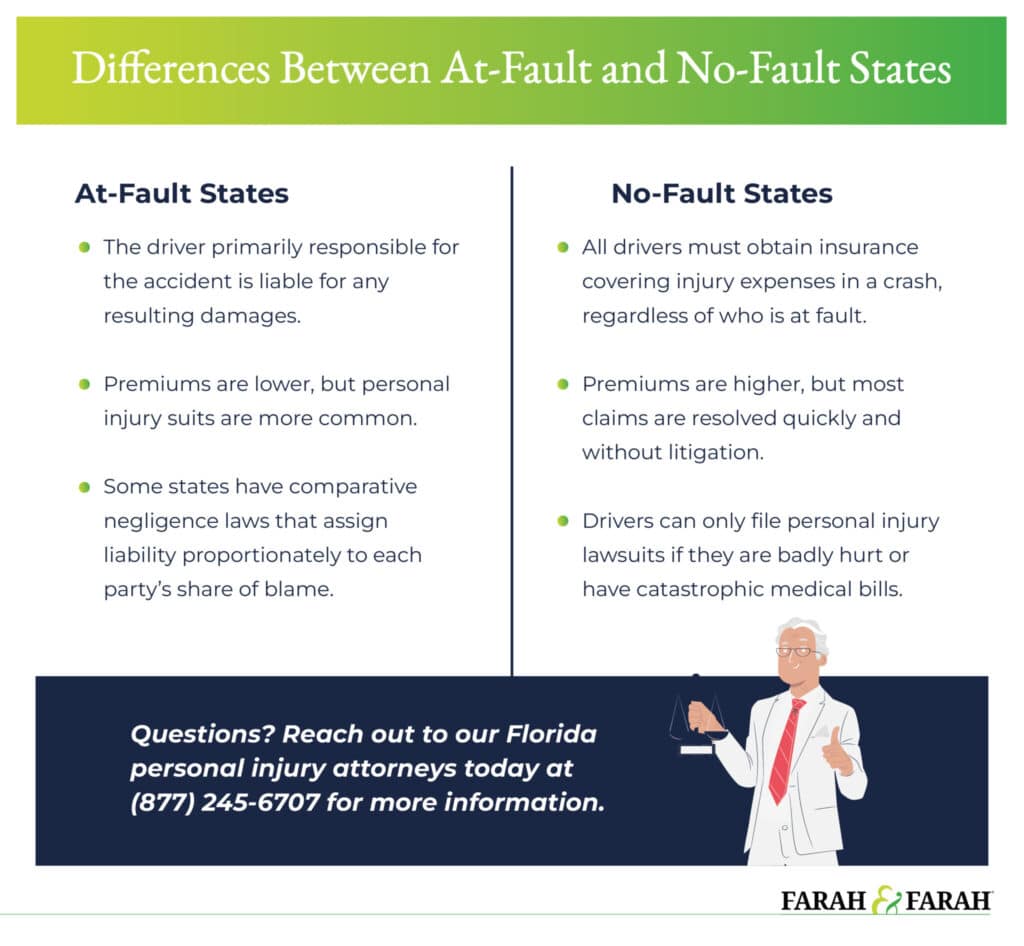
Navigating the intricacies of car insurance laws is a crucial aspect of personal lifestyle management, whether you’re a long-term resident or a transient visitor enjoying the diverse landscapes of the Sunshine State. Understanding how Florida handles car accidents, specifically its “at-fault” or “no-fault” status, directly impacts your financial responsibilities, legal recourse, and overall peace of mind on the road. For many, the expectation of driving freely through destinations like Miami, Orlando or Tampa can be overshadowed by the complexities of an accident scenario. So, is Florida an at-fault state? The answer, like many legal frameworks, is nuanced: Florida operates under a hybrid system, primarily a “no-fault” state for minor injuries but an “at-fault” state for property damage and significant bodily harm. This distinction is vital for anyone whose lifestyle includes driving in Florida.

Understanding Florida’s Hybrid Insurance System
To truly grasp Florida’s approach to car accidents, it’s essential to delineate between “no-fault” and “at-fault” systems. These terms define how claims are processed and who pays for damages and injuries after a collision.
The “No-Fault” Foundation
Florida’s bedrock principle for auto insurance is its “no-fault” system, primarily concerning personal injuries. This means that regardless of who caused an accident, your own insurance company is responsible for covering your medical expenses and lost wages, up to the limits of your Personal Injury Protection (PIP) coverage. Each driver involved in an accident, assuming they meet Florida’s minimum insurance requirements, files a claim with their own insurer for their initial medical treatment and certain other damages. The intention behind a no-fault system is to streamline the claims process, reduce litigation for minor injuries, and ensure accident victims receive prompt medical attention without waiting for fault to be determined. This quick access to care is a significant lifestyle benefit, particularly in a state with a high volume of traffic and diverse driving conditions.
When “At-Fault” Rules Apply
While the no-fault aspect addresses initial personal injury claims, Florida reverts to an “at-fault” system under specific circumstances. This applies predominantly to property damage and cases involving serious injuries or death.
- Property Damage: If your vehicle is damaged in a collision, the at-fault driver’s Property Damage Liability (PDL) insurance is responsible for covering the repairs or replacement of your vehicle. This is a classic at-fault scenario where the party deemed responsible for the accident bears the financial burden for the damage they caused to other vehicles or property.
- Serious Injuries: The no-fault system has a “serious injury threshold.” If an accident results in injuries that are deemed “significant and permanent” – such as disfigurement, bone fractures, or permanent impairment of a bodily function – the injured party can step outside the no-fault system. This “tort threshold” allows them to pursue a claim directly against the at-fault driver for non-economic damages (like pain and suffering) in addition to economic damages not covered by their PIP, effectively initiating an at-fault liability claim. This provision is critical for victims facing long-term medical challenges and reduced quality of life, allowing them to seek more comprehensive compensation.
Impact on Your Florida Lifestyle: For Residents
For those calling Florida home, understanding the state’s insurance laws is not merely academic; it’s a cornerstone of responsible financial planning and personal safety.
Personal Injury Protection (PIP) Essentials
Every registered vehicle in Florida must carry a minimum of $10,000 in PIP coverage. This covers 80% of necessary medical expenses and 60% of lost wages, up to the policy limit, regardless of who was at fault. PIP also includes a $5,000 death benefit. For residents, this means prompt access to medical care after an accident, minimizing delays that could affect recovery and daily life. However, it’s crucial to understand that $10,000 might not cover extensive injuries, highlighting the importance of supplementary health insurance or higher PIP limits. This directly affects your financial resilience and ability to maintain your lifestyle post-accident.
Property Damage Liability (PDL) and Bodily Injury Liability (BIL)
Beyond PIP, Florida mandates $10,000 in Property Damage Liability (PDL) coverage. This pays for damages you cause to another person’s property (their vehicle, fence, etc.) if you are at fault. Unlike many states, Florida does not legally require Bodily Injury Liability (BIL) coverage. BIL pays for medical expenses and lost wages of others if you injure them in an accident for which you are at fault. This omission is a significant factor in Florida’s insurance landscape and can have profound lifestyle implications. Without BIL, an at-fault driver could be personally sued for extensive damages by severely injured parties who meet the tort threshold, potentially jeopardizing personal assets. Many savvy Florida residents opt for BIL coverage voluntarily to protect their financial future.
Navigating the Roads: For Travelers and Visitors
Millions flock to Florida annually, drawn by attractions in Orlando and the beaches of Miami. For these temporary inhabitants, understanding the state’s insurance laws is equally important for a stress-free visit.
Rental Car Considerations
When renting a car in Florida, the rental company is required to provide the minimum state-mandated PIP and PDL coverage. However, these basic coverages are often insufficient. Rental car companies will offer additional waivers and insurance products, which can be expensive but might provide better protection. Many personal auto insurance policies extend coverage to rental cars, and some credit cards offer secondary rental car insurance benefits. Travelers should verify their existing coverage before arriving to avoid unnecessary expenses or inadequate protection. A seamless rental experience and peace of mind on vacation are clear lifestyle benefits.
Out-of-State Insurance and Florida Law
If you’re driving your own vehicle into Florida from another state, your out-of-state insurance policy must comply with Florida’s no-fault law while you’re within the state. Most reputable insurance carriers are aware of this and adapt policies accordingly, often providing “financial responsibility” clauses that ensure compliance. However, it’s prudent to confirm with your insurer that your policy provides adequate PIP and PDL coverage equivalent to Florida’s requirements. Without it, you could face legal penalties or be personally liable for damages. This pre-trip check is a small but critical step in ensuring a worry-free travel lifestyle.
The Financial and Legal Ramifications of Accidents
An understanding of Florida’s hybrid system becomes starkly clear in the aftermath of an accident, particularly regarding the financial and legal pathways available.
Filing a Claim and Seeking Compensation
Immediately after an accident in Florida, regardless of fault, you would typically file a claim with your PIP insurer for your medical bills and lost wages. Concurrently, if your vehicle sustained damage, you would pursue a claim against the at-fault driver’s PDL policy. This two-pronged approach differentiates Florida from purely at-fault or no-fault states. The efficiency with which you can access initial medical care through PIP can significantly reduce immediate financial strain, a key factor in maintaining stability during a difficult time.
Understanding Serious Injuries and Litigation
Should your injuries meet Florida’s serious injury threshold, the path shifts dramatically. You gain the right to sue the at-fault driver directly for all damages, including medical costs exceeding your PIP limits, lost earning capacity, and critically, non-economic damages like pain and suffering. This is where the at-fault aspect truly comes into play, requiring a determination of negligence. Navigating this legal landscape often necessitates legal counsel, as proving fault and quantifying damages can be complex. For individuals facing life-altering injuries, the ability to seek comprehensive compensation through the tort system is essential for long-term lifestyle adjustment and financial security.
Promoting Peace of Mind: Proactive Measures
Given the complexities of Florida’s insurance laws, adopting proactive measures can significantly enhance your driving lifestyle and protect your well-being. Whether you’re commuting in Jacksonville, enjoying the capital of Tallahassee, or vacationing on the Gulf Coast, foresight is your best ally.
Comprehensive Coverage Recommendations
While Florida’s minimum insurance requirements are relatively low, they rarely provide adequate protection for typical accident scenarios.
- Increase PIP limits: Opting for PIP coverage exceeding $10,000 can provide a greater buffer for medical costs and lost wages.
- Add Bodily Injury Liability (BIL): This is perhaps the most crucial voluntary addition for Florida drivers. BIL protects your assets by covering damages if you are at fault for seriously injuring another person.
- Uninsured/Underinsured Motorist (UM/UIM) Coverage: Given that BIL is not mandatory in Florida, a significant number of drivers may lack sufficient coverage. UM/UIM protects you if you are hit by a driver who has no insurance or insufficient insurance to cover your damages.
- Collision and Comprehensive Coverage: These optional coverages protect your own vehicle from damage due to collisions (regardless of fault) and from non-collision events like theft, vandalism, or natural disasters.
These additional coverages, though increasing premiums, provide a robust safety net, translating into genuine peace of mind and financial stability in the event of an unforeseen accident. They transform the potential chaos of an accident into a manageable inconvenience, allowing you to maintain your chosen lifestyle without severe financial disruption.

Safe Driving Practices in the Sunshine State
Beyond insurance policies, the most effective way to navigate Florida’s roads safely is to adopt responsible driving habits. The state’s busy highways, frequent tourist traffic, and diverse weather conditions demand constant vigilance. Adhering to speed limits, avoiding distracted driving, maintaining a safe following distance, and being aware of your surroundings are paramount. These practices not only reduce the likelihood of an accident but also contribute to a smoother, more enjoyable driving experience, reinforcing a stress-free lifestyle for residents and visitors alike. Understanding the legal framework is essential, but preventing the need to use it is always the best strategy.
LifeOutOfTheBox is a participant in the Amazon Services LLC Associates Program, an affiliate advertising program designed to provide a means for sites to earn advertising fees by advertising and linking to Amazon.com. Amazon, the Amazon logo, AmazonSupply, and the AmazonSupply logo are trademarks of Amazon.com, Inc. or its affiliates. As an Amazon Associate we earn affiliate commissions from qualifying purchases.