
Navigating life, particularly when traveling, relies heavily on having proper identification. For those embracing the diverse landscapes and vibrant cities of California, whether as residents enjoying a staycation or visitors exploring new horizons, the loss or theft of an ID can significantly disrupt plans and cause considerable stress. Understanding the costs and processes associated with obtaining a replacement ID in California is not merely an administrative detail; it’s a crucial piece of knowledge for maintaining a seamless lifestyle, especially when you’re on the move. This guide delves into the practicalities, helping you mitigate potential disruptions and get back to enjoying all that California has to offer.
The Indispensable Role of Identification in Your California Lifestyle
In the modern world, identification is more than just a piece of plastic; it’s a gateway to myriad services and activities. For individuals living, working, or traveling through California, a valid state-issued ID card or driver’s license is fundamental. Its loss can trigger a cascade of inconveniences, impacting everything from domestic travel to daily transactions.
Essential for Travel and Daily Life
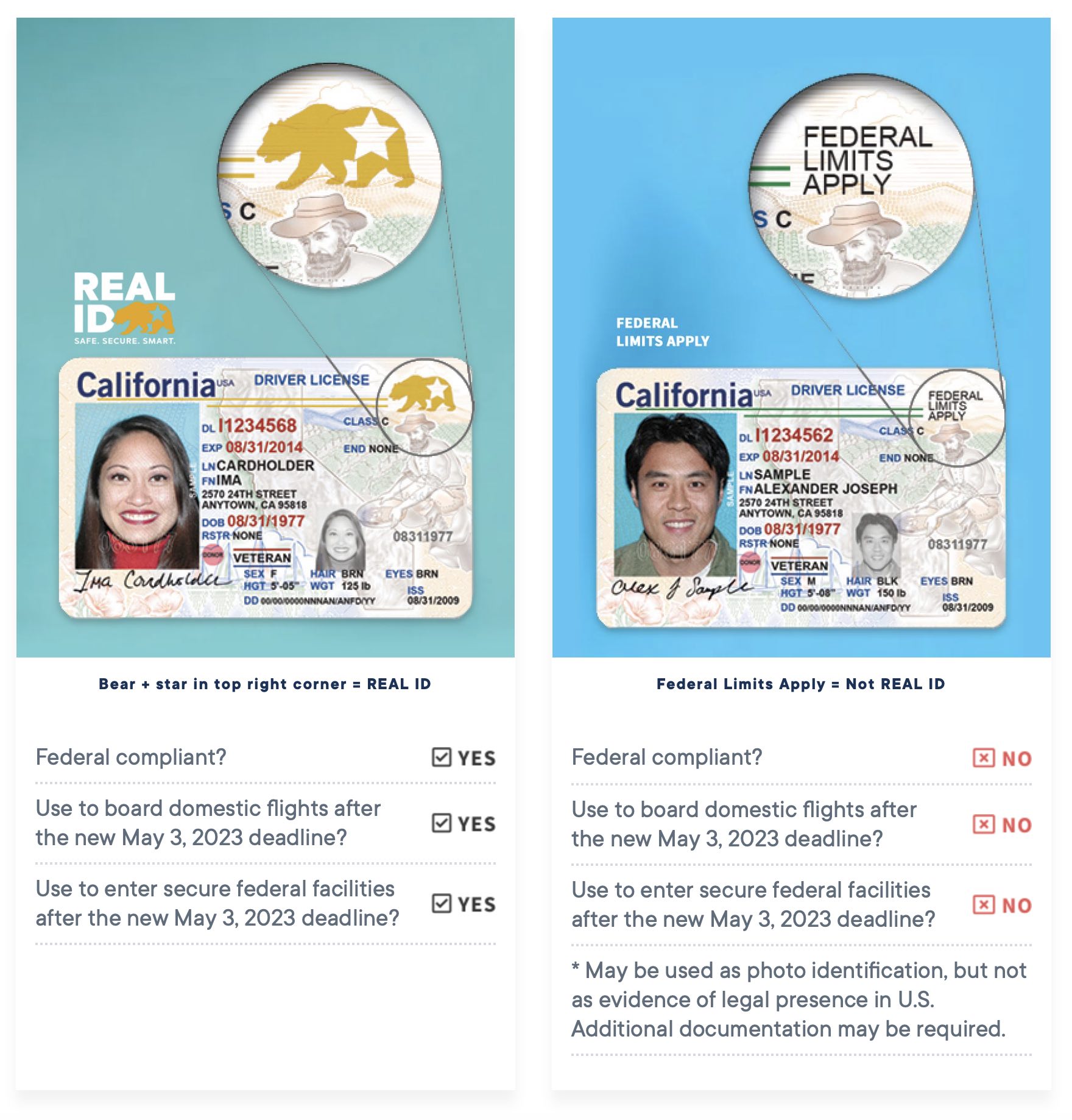
A California ID or driver’s license serves as primary proof of identity and age. For domestic travel within the United States, including flying from Los Angeles to San Francisco or driving across state lines, a REAL ID compliant card is increasingly vital for boarding commercial flights. Even for short trips or staying within the state, it’s required for checking into hotels, renting vehicles, purchasing age-restricted items, and accessing various services. Without it, even the simplest aspects of your planned lifestyle, like enjoying a wine tasting tour in Napa Valley or booking a last-minute resort stay, can become insurmountable hurdles. For international travelers visiting California, while a passport is their primary ID, a state ID can still be useful for secondary identification and everyday convenience.
Common Scenarios Leading to ID Loss While Traveling
Travel, by its very nature, can increase the risk of misplacing or losing personal items. From bustling airports and crowded tourist attractions like Disneyland to the occasional lapse in attention during a road trip along Highway 1, an ID can easily slip away. Common scenarios include:
- Pickpocketing or theft: Unfortunately, busy tourist areas can attract petty crime.
- Accidental loss: An ID falling out of a wallet or pocket during an activity, such as hiking in Yosemite National Park or swimming at a San Diego beach.
- Misplacement: Leaving it behind in a hotel room, rental car, or a restaurant.
- Damage: Wear and tear or accidental damage rendering the card unusable.
Understanding these risks is the first step in prevention, but knowing the recovery process is your safety net.
Navigating the California DMV: Costs and Procedures for a Replacement ID
When faced with a lost or stolen ID in California, the Department of Motor Vehicles (DMV) is your primary point of contact. The process is streamlined but requires specific steps and, of course, an associated fee.
Replacement Fees for a California Driver’s License or ID Card
As of the current guidelines, the fee for replacing a California driver’s license or identification card is typically a modest amount. This fee is subject to change, so it’s always advisable to check the official California DMV website for the most up-to-date information. Generally, the cost for a replacement is around $34 for a standard (non-commercial) driver’s license and a similar amount for a state ID card. While this amount is relatively small, it’s an unexpected expense that budget travelers or those managing business trip finances will need to account for. Payments can usually be made via cash, check, money order, or debit card, and sometimes credit card, depending on the service channel.
Required Documentation for a Replacement Application
To obtain a replacement, you will generally need to provide proof of identity and residency. While the DMV already has your information on file, they need to verify your identity to issue a new card. This often means providing documents such as:
- Your social security number.
- Proof of your date of birth and true full name (e.g., U.S. birth certificate, U.S. passport, foreign passport with a valid U.S. visa and I-94 form).
- Proof of residency in California (e.g., utility bills, rental agreements, mortgage statements, or school documents).
- For REAL ID, additional documentation proving your legal presence and identity is required.
It’s critical to have these documents readily available or accessible, perhaps as digital copies, especially if you are traveling and away from your primary residence.
Steps to Take: Online, Mail, or In-Person
The California DMV offers several avenues for requesting a replacement, catering to different situations and preferences:
1. Online Replacement
This is often the quickest and most convenient method for eligible individuals. If your information (address, name) has not changed and your previous card was not a temporary one, you can typically apply for a replacement online through the DMV website. You’ll pay the fee, and a new card will be mailed to your address on file. This option is ideal for those who have a secure mailing address in California and are not facing immediate travel needs requiring a physical ID.
2. Mail-In Replacement
In some cases, particularly if you are out of state or cannot access online services, you might be able to apply by mail. This usually involves completing a specific form (e.g., DL 44 for driver’s licenses) and mailing it along with the fee. This method is generally slower and less recommended for urgent situations.
3. In-Person at a DMV Office
For immediate needs, such as when you are actively traveling and need proof of identity quickly, visiting a DMV office in person is often the best approach. You will need to make an appointment online to minimize wait times, especially in populous areas like San Diego or Orange County. At the office, you’ll complete an application, pay the fee, and potentially have your photo taken again. The DMV will issue you a temporary paper ID that is valid for a limited period, typically 90 days, while your permanent card is mailed to you. This temporary ID can be crucial for continuing your travel plans, though it may not be accepted for all purposes (e.g., international flights).
Expedited Options and Associated Costs
Unlike some states, California does not offer a formal expedited service for ID replacements that results in a quicker physical card issuance for an additional fee. The standard mailing time for a permanent card is typically 2-4 weeks. The closest thing to “expedited” is the in-person visit to a DMV office, which provides an immediate temporary paper ID. This is particularly valuable for travelers who need immediate proof of identity to, for example, check into a hotel or fly domestically.
Beyond the DMV: Temporary Solutions and Alternative IDs for Travelers
While waiting for a replacement California ID, savvy travelers need to know how to navigate identification requirements using alternative documents and strategies. This foresight can prevent significant disruptions to your lifestyle and travel itinerary.
Using Passports and Other Federal IDs for Travel
If you possess a valid U.S. Passport or U.S. Passport Card, these are excellent alternatives for identification, especially for air travel. They are federal IDs and are universally accepted by the Transportation Security Administration (TSA) for domestic flights. For international travelers who have lost their state ID, their passport remains their primary document. Military IDs and other federal government-issued identification cards are also generally accepted. Always carry these securely and separate from your state ID if possible.
Dealing with Airline and Hotel Identification Requirements
Airlines and hotels have strict identification policies. If you’ve lost your primary ID and only have a temporary paper ID from the DMV or no ID at all, prepare for additional scrutiny.
- Airlines: The TSA may allow you to fly if you can provide alternative forms of identification (e.g., a credit card with your name, a utility bill, a police report of theft) and undergo an identity verification process, which includes an interview and enhanced screening. Arriving well in advance of your flight is paramount in this scenario.
- Hotels: Most hotels will accept a temporary paper ID, especially if accompanied by another form of identification like a credit card in your name. However, policies vary, so it’s always wise to call ahead to your specific accommodation, whether it’s a luxury resort in Beverly Hills or a budget motel, to confirm their requirements.
Practical Tips for Proving Identity Without a Physical California ID
Beyond official documents, certain practical steps can help in a pinch:
- Police Report: If your ID was stolen, file a police report immediately. This document can serve as supplementary proof of your situation.
- Digital Copies: Keep digital copies (photos on your phone, scans in cloud storage) of all important documents, including your passport, birth certificate, and previous ID. While not official, they can aid in proving your identity or recalling necessary details.
- Credit/Debit Cards: Cards bearing your name can help corroborate your identity, especially when combined with other forms of soft identification.
- Known Contacts: If you’re with family or friends who can vouch for your identity, this might help in less formal situations.
Preventing ID Loss and Ensuring a Smooth Travel Lifestyle
While knowing how to replace an ID is essential, preventing its loss in the first place is the ultimate goal for any mindful traveler. Incorporating best practices for document security into your travel lifestyle can save you significant time, money, and stress.
Best Practices for Securing Your Documents
- Minimizing What You Carry: Only take the IDs you absolutely need for the day’s activities. Leave extra cards and documents locked securely in your hotel safe.
- Secure Storage: Use a money belt, an RFID-blocking wallet, or a secure internal pocket in your bag. Avoid back pockets where items are easily pickpocketed.
- Separation: Do not keep all your identification and payment methods in one place. If your wallet is lost or stolen, you won’t lose everything. Keep your passport separate from your California ID.
- Vigilance in Busy Areas: Be extra mindful of your belongings in crowded tourist spots, public transportation, and bustling markets.
Digital Copies and Backup Strategies
Beyond physical security, digital preparedness is key.
- Cloud Storage: Store encrypted scans or photos of your ID, passport, birth certificate, and any travel insurance details in a secure cloud service (e.g., Google Drive, Dropbox) or an encrypted USB drive.
- Email Yourself: Send copies to a secure email address accessible from anywhere.
- Emergency Contact List: Keep a list of emergency contacts, including numbers for your bank, credit card companies, and the DMV, separate from your wallet.
Travel Insurance Considerations for Document Replacement
For those who frequently travel, especially extensively within California or beyond, considering travel insurance that includes coverage for lost or stolen documents can be a wise investment. Some policies offer assistance with emergency document replacement, which can include guidance through the process, assistance with obtaining necessary funds, and even covering some of the replacement fees. While it won’t expedite the DMV process, the support can be invaluable during a stressful time, allowing you to focus more on enjoying your journey rather than being bogged down by bureaucratic hurdles.
Long-Term Implications and Reintegration into Your California Lifestyle
The process of replacing an ID extends beyond the immediate acquisition of a new card. It encompasses broader considerations for your security and administrative standing, ensuring a seamless reintegration into your daily California lifestyle.
Updating Other Important Documents
Once you have your new California ID or driver’s license, remember to update any other entities that may require your identification details, such as banks, employers, or educational institutions. If your ID was a REAL ID, ensure any necessary updates are made with airlines or other services that rely on this distinction. This proactive step helps maintain the integrity of your personal records and prevents future complications.
Financial Security After ID Theft or Loss
If your ID was stolen, the risk of identity theft is a serious concern. Beyond replacing the physical card, immediately:
- Notify Banks and Credit Card Companies: Inform them of the theft and monitor your accounts for fraudulent activity.
- Place a Fraud Alert: Consider placing a fraud alert with credit bureaus (Equifax, Experian, and TransUnion).
- File a Police Report: As mentioned, this is crucial for legal and insurance purposes.
Taking these steps is vital for safeguarding your financial well-being and maintaining peace of mind.

Planning Ahead for Future California Adventures
Losing an ID is a potent reminder of the importance of preparedness. Use this experience as a catalyst to refine your travel habits. Develop a routine for checking your belongings, regularly update your digital backups, and always know the steps to take if an ID goes missing. By integrating these practices into your lifestyle, you ensure that future adventures, whether exploring the majestic Redwood National Park or enjoying the vibrant culture of San Francisco, remain uninterrupted and stress-free. Understanding “How Much Is A Replacement Id In California?” is more than just a cost; it’s a piece of the larger puzzle of responsible and enjoyable travel.
LifeOutOfTheBox is a participant in the Amazon Services LLC Associates Program, an affiliate advertising program designed to provide a means for sites to earn advertising fees by advertising and linking to Amazon.com. Amazon, the Amazon logo, AmazonSupply, and the AmazonSupply logo are trademarks of Amazon.com, Inc. or its affiliates. As an Amazon Associate we earn affiliate commissions from qualifying purchases.