
Considering a rhinoplasty, often referred to as a nose job, in the Lone Star State? Texas offers a diverse landscape, from bustling metropolises like Houston and Dallas to charming smaller towns, and when it comes to cosmetic procedures, it presents a compelling option. This guide delves into the potential costs associated with rhinoplasty in Texas, exploring the various factors that influence pricing and what you can expect from your journey. While this article focuses on the financial aspect, remember that a successful rhinoplasty is a blend of medical expertise and aesthetic vision, and choosing the right surgeon is paramount, regardless of cost. For those planning their trip to Texas with this procedure in mind, understanding the expenses involved is a crucial step in the planning process, much like booking accommodation or researching local attractions.

The allure of Texas extends beyond its famed barbecue and vast ranches. It’s a state that embraces innovation and offers world-class medical facilities. For individuals contemplating rhinoplasty, this means access to highly skilled surgeons and advanced techniques. However, the price tag for such a procedure can vary significantly. It’s not just a matter of a single, fixed cost; rather, it’s a complex equation influenced by a multitude of variables.
Understanding the Cost Breakdown of Rhinoplasty in Texas
When inquiring about the cost of a rhinoplasty in Texas, it’s essential to break down the potential expenses into their constituent parts. This isn’t simply about the surgeon’s fee; it encompasses a broader spectrum of costs that contribute to the overall financial commitment. Think of it like planning a trip to a new destination; you budget for flights, accommodation, activities, and dining. Similarly, a medical procedure requires a comprehensive financial outlook.
Surgeon’s Fees
The most substantial portion of the rhinoplasty cost typically comes from the surgeon’s fee. This reflects their expertise, experience, board certification, and reputation. Highly sought-after surgeons with years of successful procedures and specialized training will naturally command higher fees. When researching surgeons in Texas, you’ll find a range of professionals, each with their own pricing structures. It’s vital to ensure your surgeon is board-certified by the American Board of Plastic Surgery or the American Board of Facial Plastic and Reconstructive Surgery. This certification signifies a rigorous level of training and adherence to ethical standards. The complexity of the surgery also plays a role; a revision rhinoplasty, for instance, will often be more expensive than a primary procedure due to the intricate nature of correcting previous work.
Anesthesia Costs
Another significant component of the total cost is anesthesia. The type of anesthesia used – local, twilight sedation, or general anesthesia – will influence the price. For rhinoplasty, general anesthesia is commonly employed, and its administration requires the expertise of a board-certified anesthesiologist. Their fee is separate from the surgeon’s and depends on the duration and complexity of the anesthesia required during your procedure. The anesthesiologist’s experience and the facility where the anesthesia is administered also contribute to this cost.
Facility Fees
The surgical facility where your rhinoplasty is performed also charges a fee. This can range from a hospital operating room to an accredited freestanding surgical center. These fees cover the use of the operating room, surgical equipment, sterile supplies, and the nursing staff assisting the surgeon. Hospitals generally have higher facility fees than independent surgical centers. When comparing quotes, always clarify whether the facility fee is included. Many cosmetic surgeons have their own accredited surgical suites, which can sometimes offer a more streamlined and potentially cost-effective option.
Pre- and Post-Operative Care
Your rhinoplasty journey doesn’t end when you leave the operating room. There are associated costs for pre-operative consultations, diagnostic tests (such as blood work or imaging), and post-operative follow-up appointments. Medications, including pain relievers and any prescribed antibiotics, will also add to the overall expense. Scar management products, specialized bandages, or garments, if recommended, will also factor in. It’s important to discuss the full scope of pre- and post-operative care with your surgeon to anticipate these additional expenses.
Factors Influencing Rhinoplasty Prices in Texas
Beyond the core components, several other factors contribute to the wide range of rhinoplasty costs in Texas. Understanding these variables can help you navigate your options and make informed decisions.
Geographic Location Within Texas
Texas is a vast state, and costs can fluctuate based on the city or region. Major metropolitan areas like Dallas, Houston, Austin, and San Antonio tend to have higher costs of living and, consequently, higher prices for medical procedures, including rhinoplasty. Surgeons in these larger cities may have higher overheads and cater to a larger patient base, which can be reflected in their fees. Smaller towns might offer more competitive pricing, but it’s crucial to balance cost with the surgeon’s qualifications and the facility’s accreditation. For instance, if you’re planning a trip for your procedure, you might consider the cost of travel and accommodation in cities like Dallas versus a more remote location, weighing the potential savings against the convenience and access to top-tier surgeons.
Surgeon’s Experience and Specialization
As mentioned earlier, the surgeon’s level of experience and any sub-specializations within plastic surgery play a significant role. A surgeon who exclusively performs facial plastic surgery and has dedicated years to mastering rhinoplasty techniques may charge more than a general plastic surgeon. Their reputation, the number of successful rhinoplasties they perform annually, and their presence in academic circles or professional organizations all contribute to their perceived value and, thus, their pricing.
Complexity of the Procedure
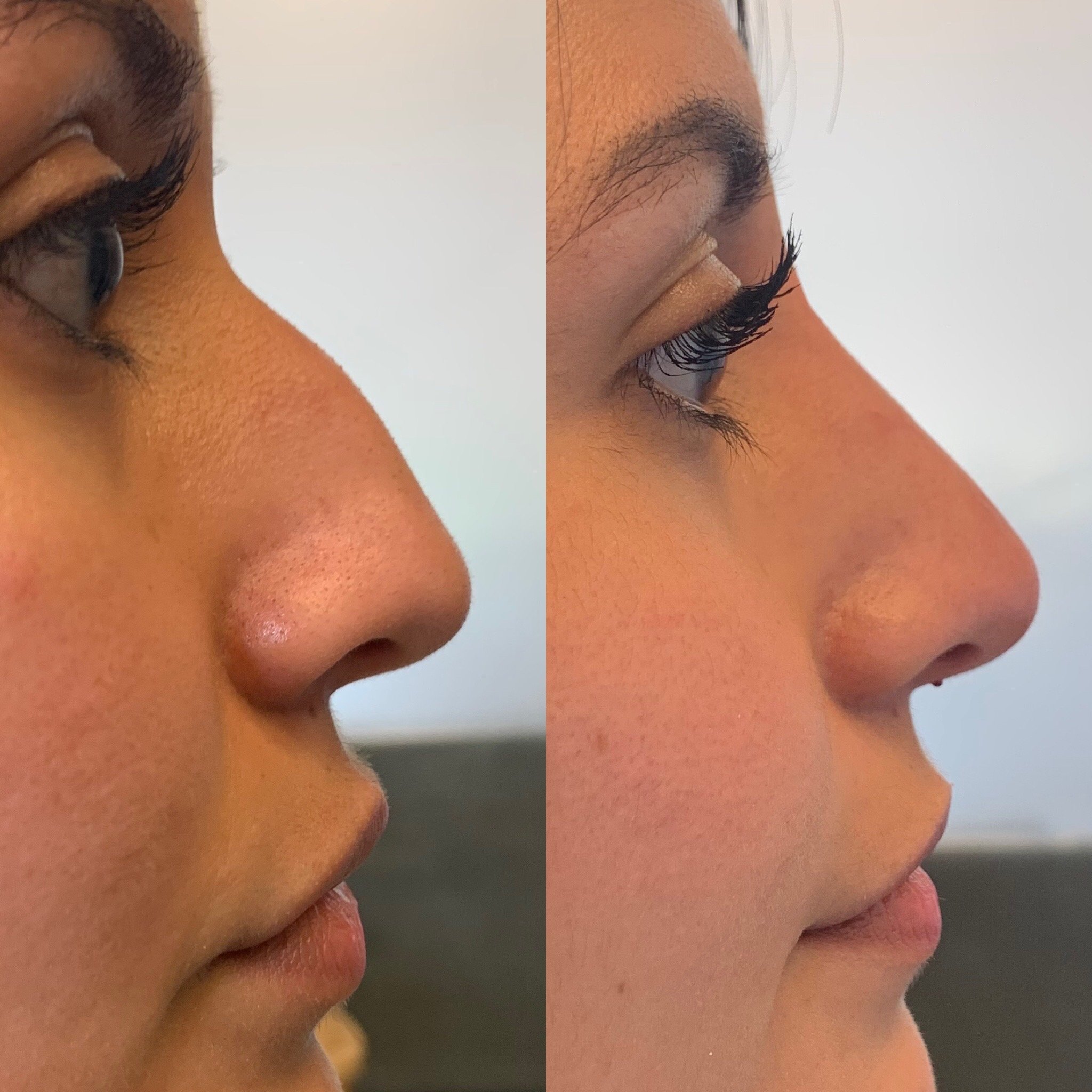
The type of rhinoplasty you undergo will also impact the cost. A primary rhinoplasty, performed for the first time, is generally less complex and therefore less expensive than a revision rhinoplasty, which aims to correct issues from a previous surgery. Ethnic rhinoplasty, which addresses specific anatomical considerations for different ethnicities, may also involve specialized techniques and therefore a different pricing structure. The extent of the changes you desire also matters; a minor tip refinement will cost less than a significant reshaping of the bridge and nostrils.
Type of Rhinoplasty
There are several approaches to rhinoplasty, and the chosen method can influence the cost.
Open Rhinoplasty
This technique involves an incision made across the columella, the strip of skin between the nostrils. While it allows for greater visibility and precision, especially in complex cases, it may result in a small external scar, which is usually imperceptible once healed. The added time and meticulous work involved can contribute to a slightly higher cost.
Closed Rhinoplasty
In a closed rhinoplasty, all incisions are made internally through the nostrils. This method leaves no visible external scarring and often involves less swelling and a quicker recovery. However, it may offer less direct visualization for the surgeon, making it more suitable for less complex modifications.
Non-Surgical Rhinoplasty (Liquid Rhinoplasty)
For those seeking subtle changes without surgery, a non-surgical rhinoplasty using dermal fillers might be an option. This procedure is significantly less expensive than surgical rhinoplasty and involves minimal downtime. However, the results are temporary, typically lasting from several months to a couple of years, and it cannot address functional issues or significantly reduce the size of the nose. The cost here would be for the filler material and the injector’s fee.
Budgeting for Your Rhinoplasty Journey in Texas
Estimating the overall cost of rhinoplasty in Texas requires careful budgeting. While exact figures can only be provided by individual surgeons after a consultation, understanding the typical ranges can help you plan.
Average Cost Ranges
In Texas, the average cost for a surgical rhinoplasty can range from $8,000 to $15,000 or more. This broad range accounts for all the factors previously discussed: surgeon’s fees, anesthesia, facility charges, and the complexity of the procedure. Some highly experienced surgeons in prime locations, performing intricate revision surgeries, might even exceed this range. Conversely, more straightforward primary rhinoplasties performed in less expensive areas might fall towards the lower end of this spectrum.
Hidden Costs to Consider
Beyond the quoted surgical fee, it’s prudent to anticipate potential “hidden” costs. These might include:
- Travel and Accommodation: If you are traveling from outside Texas or from a different part of the state for your surgery, you’ll need to factor in flights, hotel stays for pre- and post-operative periods, and transportation to and from the clinic and airport. Cities like Austin offer a vibrant atmosphere for recovery, and finding comfortable accommodation, perhaps a boutique hotel or a well-appointed apartment for a longer stay, can enhance your recovery experience.
- Lost Income: Depending on your profession and the extent of your recovery, you may need to take time off work, resulting in lost income. It’s wise to have a financial cushion to cover this period.
- Post-Operative Supplies: While some supplies are included, you might need to purchase specific items like specialized pillows, scar creams, or extra medications not covered by the initial quote.
- Potential Complications: Although rare, complications can arise, requiring additional treatments or follow-up procedures. While surgeons strive to avoid this, it’s a possibility to be aware of, and understanding your surgeon’s policy on managing complications is important.

Financing Options
For many individuals, the cost of rhinoplasty necessitates exploring financing options. Several avenues are available:
- Medical Financing Companies: Companies specializing in medical loans can offer payment plans with varying interest rates and terms. These often cater specifically to cosmetic procedures.
- Plastic Surgery Patient Financing: Some surgeons partner with financing providers or offer their own in-house payment plans.
- Personal Loans or Credit Cards: Traditional personal loans or credit cards can also be used, though interest rates might be higher.
It’s crucial to compare interest rates and repayment terms carefully before committing to any financing option.
When embarking on your rhinoplasty journey in Texas, remember that while cost is an important consideration, it should not be the sole determinant of your choice. Prioritize finding a qualified, experienced surgeon you feel comfortable with, and a facility that meets the highest safety standards. The investment in your well-being and appearance is significant, and a thorough understanding of all the associated costs will empower you to make the best decision for your unique needs and financial situation. Your research into potential surgeons, their before-and-after galleries, and patient testimonials, much like planning a trip to explore Texas‘s rich history or its vibrant cultural scene, should be comprehensive and well-informed.
LifeOutOfTheBox is a participant in the Amazon Services LLC Associates Program, an affiliate advertising program designed to provide a means for sites to earn advertising fees by advertising and linking to Amazon.com. Amazon, the Amazon logo, AmazonSupply, and the AmazonSupply logo are trademarks of Amazon.com, Inc. or its affiliates. As an Amazon Associate we earn affiliate commissions from qualifying purchases.