
Moving to a new state or establishing a long-term presence in a vibrant locale like Florida often comes with a checklist of practicalities. Beyond finding the perfect neighborhood, discovering local hotspots, or settling into a new routine, one crucial step often overlooked in the initial excitement is securing a state identification card. For many, a Florida State ID is not merely a bureaucratic requirement; it’s a gateway to fully embracing the Sunshine State lifestyle, offering convenience, security, and proof of residency.
This comprehensive guide will demystify the process of obtaining your Florida State ID, providing insightful, professional advice to ensure a smooth and successful application. Whether you’re a snowbird making the seasonal move, a remote worker settling down, or simply seeking official identification without a driver’s license, understanding the requirements is key to integrating seamlessly into your new Florida life.
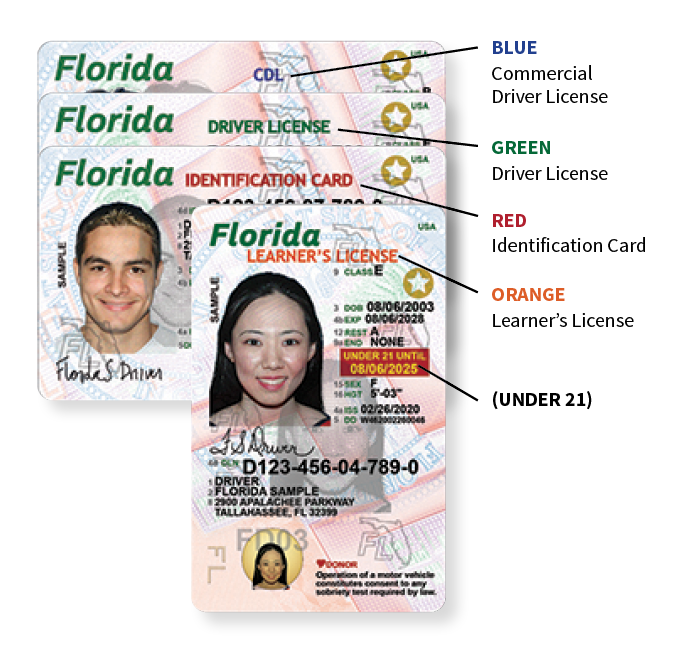
Understanding the Florida State ID: More Than Just Identification
A Florida State ID card serves as an official document proving your identity and residency within the state. Unlike a driver’s license, it doesn’t authorize you to operate a motor vehicle, but its utility extends far beyond mere identification. It’s a crucial tool for a multitude of daily activities and long-term planning, particularly for those looking to make Florida their permanent or semi-permanent home.
Who Needs a Florida State ID?
While many assume state IDs are exclusively for non-drivers, their utility is much broader. You might need a Florida State ID if you:
- Do not hold a Florida driver’s license: This is the most common scenario. Many individuals, especially seniors, those who prefer not to drive, or new residents who already possess an out-of-state driver’s license but need a local ID, opt for a state ID.
- Are a new resident: Establishing official residency is paramount for many services, and a state ID is a primary form of proof.
- Need a secondary form of government-issued photo identification: For situations where a passport might be too cumbersome or risky to carry.
- Are a minor without a driver’s license: While not mandatory, it can be a convenient form of identification for school, travel, or age verification.
Benefits of a Florida State ID for Your Lifestyle
Obtaining a Florida State ID is a foundational step in integrating into the local lifestyle, offering a host of practical benefits:
- Proof of Age: Essential for purchases like alcohol and tobacco, and for entry into age-restricted venues, simplifying everyday interactions.
- Opening Bank Accounts and Financial Services: Many financial institutions require a state-issued ID for new account openings or other transactions.
- Accessing Government Services: From local libraries to social security offices, a state ID simplifies the process of interacting with various public services.
- Establishing Residency for Discounts and Benefits: Some local attractions, parks, or community programs offer resident-specific discounts, which your ID can unlock.
- Voting Registration: A Florida State ID can be used to register to vote and as identification at polling places.
- Domestic Travel: While not a passport, it serves as acceptable identification for domestic air travel, aligning with the REAL ID Act.
Essential Documentation: Proving Your Identity and Residency
The application process hinges on providing accurate and verifiable documentation. The Florida Department of Highway Safety and Motor Vehicles (DHSMV) has strict requirements to comply with federal and state laws. Gathering these documents beforehand is crucial to avoid delays. Generally, you’ll need to provide original documents for proof of identity, Social Security number, and residential address.
Primary Identification Documents
You must provide one of the following original documents as primary proof of identity:
- U.S. Birth Certificate: An original or certified copy issued by a state or county. Hospital birth certificates are generally not accepted.
- Valid U.S. Passport or Passport Card: Must be current and unexpired.
- Certificate of Naturalization (Form N-550 or N-570): For naturalized U.S. citizens.
- Certificate of Citizenship (Form N-560 or N-561): For those granted citizenship.
- Alien Registration Card (Form I-151) or Permanent Resident Card (Form I-551): For non-U.S. citizens with permanent resident status.
- Employment Authorization Card (Form I-766): For those authorized to work in the U.S.
- Unexpired Foreign Passport with appropriate visa(s): Accompanied by required supporting documents.
Proof of Social Security Number (SSN)
You need to present one original document showing your full Social Security Number. Acceptable documents include:
- Social Security Card: The physical card is preferred.
- W-2 Form: From a recent tax year.
- Pay Stub: Showing your full name and SSN.
- SSA-1099 Form: From the Social Security Administration.
- Non-SSA-1099 Form: From another payer.
It’s important that the name on your SSN document matches the name on your primary identification. If there’s a discrepancy due to marriage, divorce, or other legal changes, you’ll need to provide certified legal documents (e.g., marriage certificate, divorce decree) to bridge the name change.
Proof of Residential Address in Florida
To verify your physical address in Florida, you must present two different documents showing your name and the Florida residential address. Examples include:
- Utility Bills: (e.g., water, electric, gas, cable, internet) from the last two months.
- Deed, Mortgage, Monthly Mortgage Statement, or Residential Rental/Lease Agreement: For your Florida residence.
- Vehicle Registration or Title: For a vehicle registered in your name to your Florida address.
- Homeowner’s Insurance Policy or Bill:
- Mail from financial institutions: (checking, savings, investment account statements) from the last two months.
- Mail from governmental agencies: (excluding DHSMV) within the last two months.
- A Statement from a parent, guardian, or stepparent: Certifying that the applicant lives with them, along with two proofs of address from the parent/guardian.
Important Note: P.O. Box addresses are generally not accepted as residential proof. You must provide a physical street address.
Additional Requirements for Non-U.S. Citizens
If you are not a U.S. citizen, in addition to the identity and SSN proofs, you will need to present your current immigration documents. These may include your unexpired foreign passport, visa, and I-94 form (record of admission). The type of visa you hold will dictate the validity period of your Florida ID card. It’s advisable to check the DHSMV website or call ahead for specific requirements related to your immigration status.
The Application Process: Step-by-Step Guide
Once your documents are in order, the application process itself is relatively straightforward. Being prepared is the best way to ensure efficiency.
Locating Your Nearest DHSMV Office
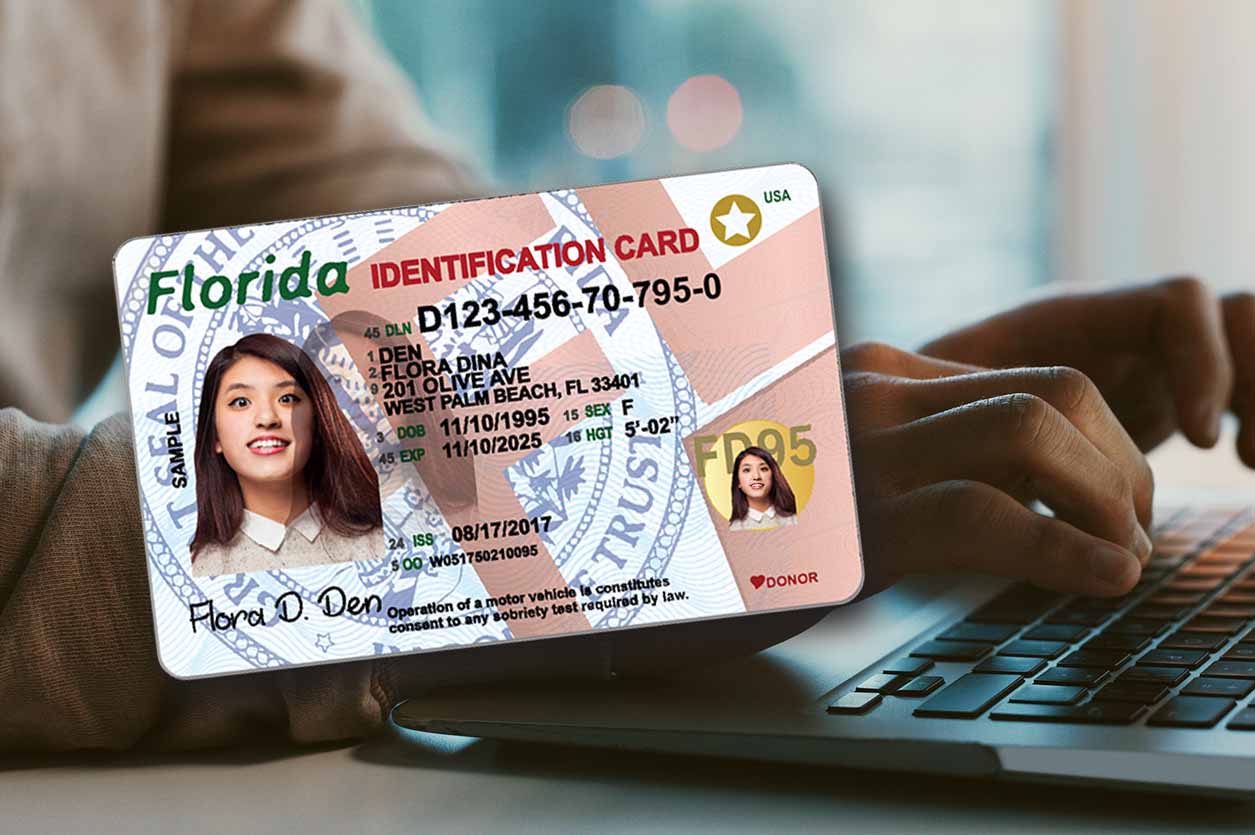
Florida State IDs are issued by the Florida Department of Highway Safety and Motor Vehicles (DHSMV) through their local service centers or authorized third-party agencies. You can easily find the closest office by visiting the official DHSMV website and using their “Office Locations” tool. It’s often beneficial to choose a location that offers appointments to minimize wait times.
Making an Appointment
While walk-ins are often accepted, many DHSMV offices encourage or require appointments for certain services. Checking the specific office’s policy online or by phone before your visit can save you significant time. Appointments are particularly recommended during peak hours or for complex cases.
What to Expect During Your Visit
Your visit to the DHSMV office will typically involve:
- Checking In: You’ll likely need to sign in or confirm your appointment.
- Document Verification: A clerk will review your original documents to ensure they meet all requirements. They will not accept photocopies.
- Application Form: You will fill out an application form with your personal information.
- Vision Test (Optional): While primarily for driver’s licenses, some offices might administer a basic vision test for ID cards as well, though it’s less common.
- Photo: A digital photo will be taken for your ID card. Ensure you meet the photo requirements (no hats, sunglasses, etc.).
- Fingerprints (Optional): Some jurisdictions may require fingerprint scans.
- Payment of Fees: There is a fee associated with obtaining a Florida State ID. The exact amount can vary slightly, so check the DHSMV website for current fees. Most offices accept cash, credit/debit cards, and checks.
Receiving Your ID
After completing the application and payment, you will typically receive a temporary paper ID card on the spot. Your official, permanent Florida State ID card will then be mailed to your residential address within a few weeks. It’s crucial to verify that the address they have on file is correct before you leave the office.
Maintaining Your Florida State ID and Important Considerations
Once you have your Florida State ID, it’s important to understand its ongoing use and certain distinctions.
Renewals and Updates
Florida State IDs typically expire after 8 years. You will receive a renewal notice in the mail before its expiration date. You can often renew your ID online, by mail, or in person, depending on your eligibility. Any changes to your name or address must be updated with the DHSMV promptly. For a name change, you’ll need to provide legal documentation (e.g., marriage certificate, court order). For an address change, you may be able to update it online or by visiting an office.
Distinguishing Between a State ID and a Driver’s License
While both are official government-issued identification cards, remember that a Florida State ID card does not authorize you to drive. If you intend to operate a vehicle, you will need to apply for a Florida driver’s license. The application process for a driver’s license includes additional requirements such as written and practical driving tests.
Common Pitfalls to Avoid
To ensure a seamless experience, be mindful of these common issues:
- Incomplete or Expired Documentation: Always bring original, unexpired documents. Photocopies are not accepted.
- Name Discrepancies: Ensure all names match across your documents, or bring legal proof of name changes.
- Incorrect Address Proof: Make sure your address documents are recent and clearly show your name and current Florida residential address.
- Lack of Appointment: If the office highly recommends appointments, skipping this step can lead to lengthy waits.
The REAL ID Act and Florida
Florida is compliant with the federal REAL ID Act. This means your Florida State ID, along with a Florida driver’s license, is acceptable for federal purposes such as boarding domestic flights and accessing federal facilities. Look for a star symbol in the upper right corner of your card, indicating its REAL ID compliance.
Beyond the ID: Embracing Your Florida Lifestyle
Obtaining your Florida State ID is more than just checking off a bureaucratic item; it’s a vital step in fully immersing yourself in the rich and varied lifestyle the Sunshine State offers. With your official identification in hand, you unlock a greater sense of belonging and ease in everyday life.
How Your ID Facilitates Life in the Sunshine State
Your new ID card will empower you to enjoy Florida living more fully: from signing up for a gym membership in Miami to securing discounts at local attractions in Orlando, or simply enjoying the convenience of a reliable form of ID when traveling domestically or interacting with community services. It signifies your connection to the state, paving the way for a richer, more integrated experience.

Tips for New Florida Residents
- Keep a Copy of Your Documents: While you’ll need originals for the application, having copies (physical or digital) of your key identification documents can be helpful for your records.
- Stay Informed: The DHSMV website is the definitive source for the most current information, fees, and requirements. Policies can change, so always check before your visit.
- Be Patient: While the process can be quick, unexpected issues can arise. A calm and prepared approach will make the experience smoother.
Armed with this knowledge, navigating the path to obtaining your Florida State ID should be a clear and manageable endeavor. It’s an investment in your personal security, convenience, and ultimately, your ability to thrive and enjoy all that the Florida lifestyle has to offer. Welcome to the Sunshine State – we hope your journey here is as bright as your new ID card!
LifeOutOfTheBox is a participant in the Amazon Services LLC Associates Program, an affiliate advertising program designed to provide a means for sites to earn advertising fees by advertising and linking to Amazon.com. Amazon, the Amazon logo, AmazonSupply, and the AmazonSupply logo are trademarks of Amazon.com, Inc. or its affiliates. As an Amazon Associate we earn affiliate commissions from qualifying purchases.