
Securing a living space in New York is a rite of passage that often feels more like a competitive sport. For those relocating to the city that never sleeps, the studio apartment—a single, open-concept living space where the bedroom, kitchen, and living room converge—is the quintessential entry point. Navigating the rental market in the United States requires a deep understanding of neighborhood dynamics, seasonal shifts, and the reality of the local housing economy. Whether you are looking for a short-term sublet or a permanent lease, understanding the financial landscape is the first step toward finding your home in this iconic metropolis.

The Cost of Living in New York: Current Market Trends
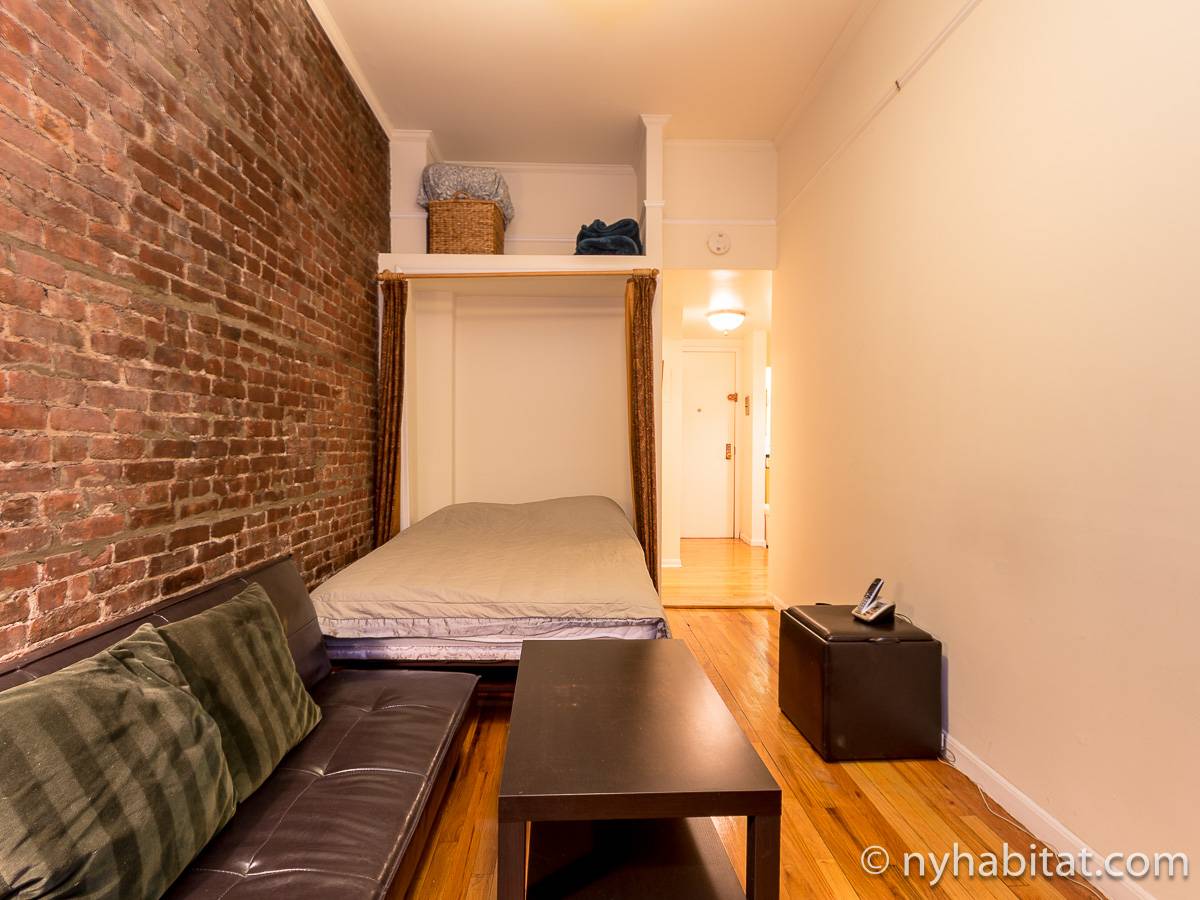
The price of a studio in New York City is rarely static. It is a reflection of geography, building amenities, and the sheer volume of demand that defines the urban landscape of Manhattan, Brooklyn, and Queens. As of the current market cycle, the entry-level price for a basic studio in a non-doorman building in outer boroughs often starts in the $2,200 to $2,500 range, while a mid-range studio in a high-demand neighborhood like Chelsea or Williamsburg can easily exceed $3,500.
Understanding Price Determinants
Several factors dictate the final monthly rent you will pay. First, the distinction between “pre-war” walk-ups and “full-service” luxury high-rises is significant. A pre-war studio, often found in historic neighborhoods like the Upper West Side, may lack an elevator or modern laundry facilities, which keeps the price point lower. Conversely, a unit in a building like The Ritz-Carlton New York or a modern managed apartment complex will command a premium for the presence of a 24-hour doorman, fitness centers, and rooftop access.
Neighborhood Price Stratification
Geography remains the most significant lever in rental pricing. A studio in the Financial District might seem expensive at first glance, but often comes with modern amenities that offset the cost. In contrast, moving further into Astoria or Bedford-Stuyvesant may allow a tenant to secure a larger floor plan for the same price point, albeit with a longer commute into the central business hubs of Midtown.
Navigating the Rental Process and Requirements
Securing an apartment in New York is a rigorous exercise in documentation. Landlords and management companies are famously selective. Because the demand for housing frequently outstrips the supply, applicants are expected to meet strict financial thresholds to be considered for a lease.
The Forty-Times Rent Rule
The industry standard in New York is the “40x rule.” This means that your annual household income must be at least 40 times the monthly rent of the studio you are pursuing. For example, if you are looking at an apartment that costs $3,000 per month, the landlord will require proof of an annual salary of at least $120,000. If an applicant does not meet this requirement, they are often required to provide a guarantor who earns 80 times the monthly rent, adding an extra layer of complexity to the search.
Upfront Costs and Broker Fees
It is vital to account for more than just the monthly rent. The initial outlay for a studio apartment can be substantial. In many cases, you will be expected to pay:
- The First Month’s Rent: Due upon lease signing.
- Security Deposit: Typically equal to one month’s rent.
- Broker Fee: In New York, it is common to pay a fee to the real estate agent, which can range from one month’s rent to as much as 15% of the total annual rent.
While “no-fee” apartments exist—where the landlord covers the agent’s commission—these units tend to be priced slightly higher to absorb the cost, making it essential to run a thorough comparison.
Strategic Tips for Apartment Hunting
Finding the right studio requires a blend of speed, preparation, and local insight. The speed of the New York market means that an apartment you see in the morning may be off the market by the afternoon.
The Importance of Seasonality
Timing your search can influence both the price and availability. The summer months, specifically June through August, see the highest volume of competition as students and young professionals relocate to the city. During this peak season, landlords are rarely willing to negotiate on price. If your timeline is flexible, searching during the “off-season” months—typically November through February—can yield better deals. During the colder months, there is less competition, and landlords are often more open to providing concessions, such as one month of free rent, to entice tenants to fill their vacancies.
Utilizing Professional Networks and Digital Tools
While many tenants turn to popular listing platforms, utilizing local brokers can provide an advantage. A broker often has access to “pocket listings”—apartments that are not yet advertised publicly. Whether you are searching near Central Park or looking for a quiet corner in Greenpoint, a broker who specializes in the specific area can help you navigate hidden lease terms and provide a more realistic assessment of what your budget can achieve.
Inspecting Your Future Space
When viewing a studio, pay close attention to structural details that aren’t visible in photos. Check the water pressure, the quality of the window insulation, and the proximity to high-traffic areas like the Broadway theater district or major transit lines. In New York, the “noise factor” is a genuine component of your living experience. A studio that faces an alleyway may be quieter than one facing a bustling avenue, and this can often be a deciding factor for long-term comfort.

Budgeting for Life Beyond the Rent
Living in a studio is more than just paying for the space itself. Because New York is a high-cost-of-living environment, successful renters often create a comprehensive budget that includes utilities, internet, and transit. Older buildings in areas like Harlem may not include heating or electricity in the rent, which can add hundreds of dollars to your monthly expenses during the winter.
Furthermore, residents of New York often leverage the city’s vast network of public transportation. Living closer to a major subway hub might increase your rent, but it can significantly reduce your monthly travel costs and save you hours of commute time. By balancing the cost of the studio against the benefits of the neighborhood’s amenities and transit accessibility, you can find a living arrangement that is both financially sustainable and allows you to fully enjoy the vibrant lifestyle that makes New York an unparalleled destination. Always keep a buffer in your budget for the unexpected costs of urban life, ensuring your move to the city is as rewarding as possible.
LifeOutOfTheBox is a participant in the Amazon Services LLC Associates Program, an affiliate advertising program designed to provide a means for sites to earn advertising fees by advertising and linking to Amazon.com. Amazon, the Amazon logo, AmazonSupply, and the AmazonSupply logo are trademarks of Amazon.com, Inc. or its affiliates. As an Amazon Associate we earn affiliate commissions from qualifying purchases.