
Yes, Bourbon Street is indeed the pulsating heart of New Orleans. Located deep within the historic French Quarter, this legendary thoroughfare is synonymous with the city’s identity. When travelers ask about the geography of this world-famous street, they are usually inquiring not just about its physical coordinates, but about how it fits into the complex, storied tapestry of one of Louisiana’s most vibrant cultural hubs.
The Geography of the French Quarter
To understand where Bourbon Street sits, one must first visualize the layout of the French Quarter. Established in 1718 by Jean-Baptiste Le Moyne de Bienville, this neighborhood serves as the oldest district in the city. The area is laid out in a grid pattern, often referred to as the “Vieux Carré,” which is Spanish for “Old Square.”

Mapping the Streets
Bourbon Street runs parallel to the Mississippi River and is situated several blocks inland. It spans thirteen blocks, stretching from Canal Street to Esplanade Avenue. Because of its central location, it acts as a spine for the district, cutting through the residential, commercial, and entertainment sectors that define this historic area.
Historical Significance
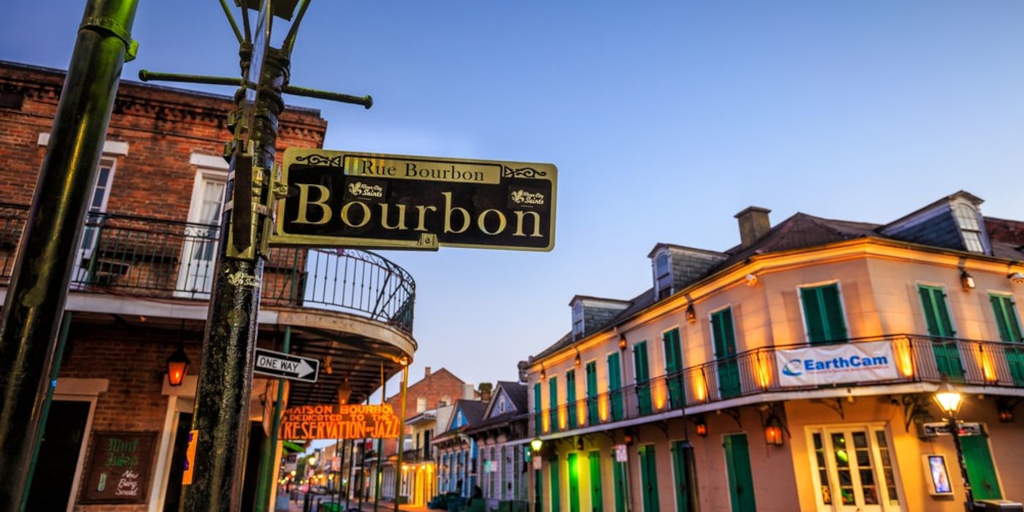
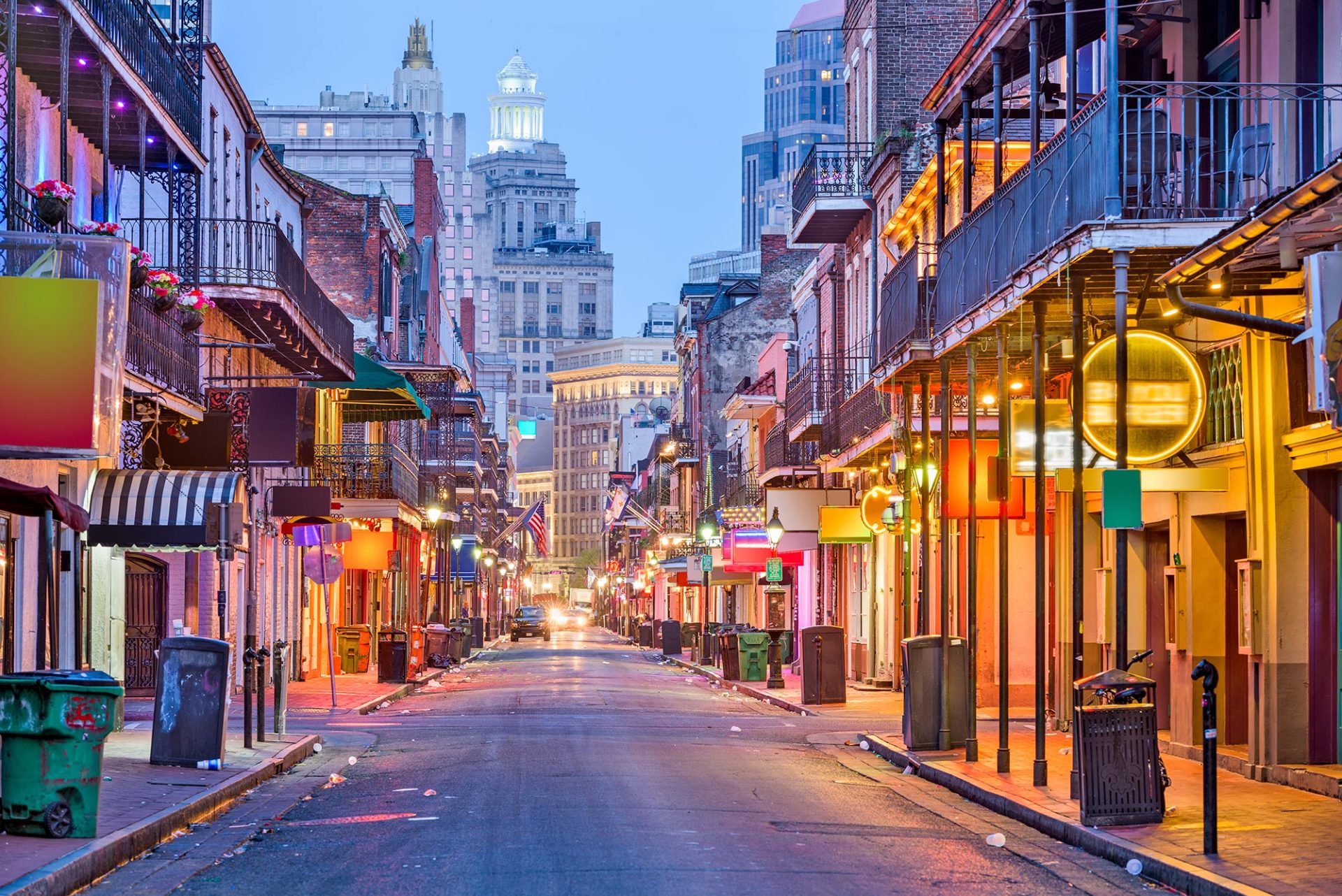
The name “Bourbon” was bestowed upon the street to honor the House of Bourbon, the ruling royal family of France at the time of the city’s founding. Despite its regal namesake, the street has evolved over three centuries from a quiet residential enclave to the epicenter of American nightlife. Walking these streets today feels like traversing a living museum, where wrought-iron balconies and colonial architecture stand in stark contrast to the neon lights and modern revelry of the night.
Bourbon Street’s Evolution as a Landmark
While Bourbon Street is a street, it functions as a primary landmark. It is impossible to discuss the United States tourism landscape without acknowledging the outsized role this specific location plays in global travel culture.
The Transformation of an Entertainment Hub
In the early 20th century, the area began to shift from a high-society residential district to a commercial entertainment zone. The rise of Jazz music was a pivotal moment in this transition. As iconic musicians like Louis Armstrong emerged, they drew massive crowds to the clubs and bars along the strip. This solidified the street’s reputation as a place where the music never stops.
Architecture and Aesthetics
The architecture of Bourbon Street is a defining feature that distinguishes it from other entertainment districts. The signature Creole cottages and Spanish colonial buildings are adorned with intricate ironwork. These balconies are perhaps the most famous visual element, offering a bird’s-eye view of the street below. Preservation efforts by groups like The Historic New Orleans Collection ensure that even with the modernization of the businesses inside, the physical structures retain their historical integrity.
Cultural Experiences Beyond the Neon
Many tourists arrive expecting only the party atmosphere associated with Bourbon Street, but a deeper look reveals a rich cultural history that extends far beyond the drinks and music.
Local Cuisine
The intersection of cultures in New Orleans is best expressed through its food. Visitors to the street will find world-renowned restaurants offering Cajun and Creole dishes that define the region. Establishments like Galatoire’s Restaurant provide an upscale, traditional experience that harkens back to the 19th century, serving as a reminder that the area was a destination for fine dining long before it became a spot for tourist-centric nightlife.
Musical Heritage
The soundscapes of the street are dominated by Jazz, Blues, and Rhythm and Blues. While Frenchmen Street is often cited by locals as a hub for authentic Jazz, the roots of New Orleans music are irrevocably tied to the Bourbon Street corridor. Historical clubs continue to host legendary performers, maintaining the city’s status as a top-tier destination for music lovers.
Planning Your Visit to New Orleans
For those planning to visit Bourbon Street, understanding its role within the wider city is vital to a successful trip. It is not an isolated attraction; it is deeply woven into the fabric of the surrounding neighborhoods.
Navigating the Area
Since the street is located in the French Quarter, it is best explored on foot. Cars are often restricted or impractical due to the narrow streets and high pedestrian density. Travelers should take advantage of walking tours that provide context for the buildings and events that have occurred on this stretch of land.
Timing Your Trip
The atmosphere of Bourbon Street changes dramatically depending on the time of day and the time of year. During the day, it is a pleasant place to admire architecture and stop for a quick lunch. As evening approaches, the street transforms into a high-energy environment. For those who want to experience the true chaos and excitement of Mardi Gras, visiting in February or March is essential, though it requires significant planning regarding Accommodation and travel logistics.
Respecting the Local Environment
While Bourbon Street is a playground for visitors, it is also a living community. Respecting the history of the buildings and the residents who maintain the neighborhood is a hallmark of a responsible traveler. By viewing the street as a historic landmark rather than just a commercial zone, tourists gain a much more profound appreciation for the resilience and beauty of New Orleans.
Whether you are looking for the birthplace of iconic musical styles, an architectural journey through colonial Louisiana, or simply the most famous street in the United States, Bourbon Street remains a mandatory stop. Its location in the French Quarter makes it an accessible point of entry to the city’s vast cultural offerings. From the early morning light hitting the St. Louis Cathedral nearby to the neon glow of the street late at night, it serves as the ultimate barometer for the city’s spirit. Exploring it allows you to connect with the history of North America in a way that is both visceral and unforgettable.
LifeOutOfTheBox is a participant in the Amazon Services LLC Associates Program, an affiliate advertising program designed to provide a means for sites to earn advertising fees by advertising and linking to Amazon.com. Amazon, the Amazon logo, AmazonSupply, and the AmazonSupply logo are trademarks of Amazon.com, Inc. or its affiliates. As an Amazon Associate we earn affiliate commissions from qualifying purchases.