
Navigating the vast and varied landscapes of California by car offers unparalleled freedom, allowing travelers to explore everything from sun-drenched beaches to towering mountain ranges. However, for those embarking on a road trip through the Golden State, understanding the presence and cost of toll roads and bridges is an essential aspect of travel planning. While California is not as heavily tolled as some East Coast states, it does feature a significant network of facilities where electronic tolls are collected. Knowing how these systems operate and how much you can expect to pay will ensure a smoother, more predictable journey, preventing unexpected fees and helping you budget effectively for your adventure.
Understanding California’s Toll Road Network
California’s toll system is a blend of traditional toll bridges, primarily in the Bay Area, and modern toll roads and express lanes, largely concentrated in Southern California. These infrastructure components are critical for managing traffic congestion, funding maintenance, and supporting the development of new transportation projects in high-traffic corridors.
The Major Players: Agencies and Facilities
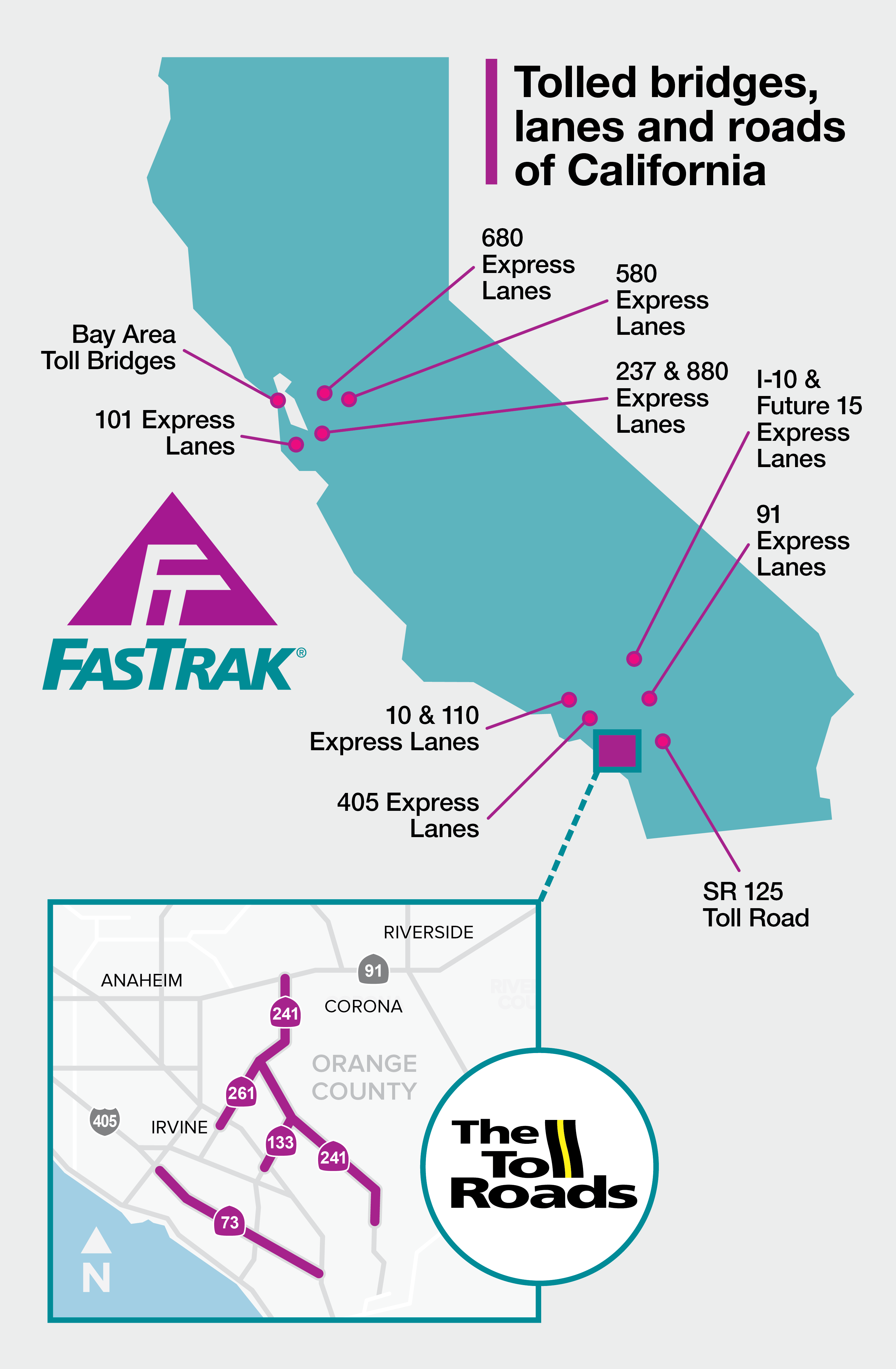
Several distinct agencies oversee and operate toll facilities across the state. In the Bay Area, the Bay Area Toll Authority (BATA) manages seven of the region’s eight state-owned toll bridges. In Orange County, the Transportation Corridor Agencies (TCA) operate the county’s primary toll roads, known collectively as “The Toll Roads.” Additionally, various express lane projects, such as the Metro ExpressLanes in Los Angeles County and the 91 Express Lanes in Orange County and Riverside County, are managed by different regional transportation commissions or private operators. Each agency may have slightly different pricing structures and payment methods, although the overarching FasTrak system provides a unified payment solution.
Why Tolls Exist: Funding Infrastructure
The primary reason for tolls in California is to finance the construction, operation, and maintenance of vital transportation infrastructure. Unlike roads funded solely by gas taxes or general funds, toll facilities generate direct revenue from users, allowing for dedicated funding streams. This model helps alleviate congestion by providing alternative routes or faster lanes and ensures that essential bridges and highways remain in good repair, supporting the state’s massive economy and facilitating travel for residents and visitors alike. Tolls also play a role in managing demand, with variable pricing (dynamic pricing) sometimes used on express lanes to encourage off-peak travel and reduce peak-hour congestion.
Navigating Payment Systems for California Tolls
California’s toll roads are predominantly cashless, meaning you won’t find traditional toll booths where you can stop and pay with cash or credit cards. This system is designed for efficiency, but it requires drivers to be aware of the available payment methods to avoid penalties.
Electronic Transponders: FasTrak and Beyond
The most convenient and often most cost-effective way to pay tolls in California is through an electronic transponder system, specifically FasTrak. A FasTrak transponder is a small device mounted on your vehicle’s windshield that communicates with overhead readers at toll points. When you pass through a toll, the applicable fee is automatically deducted from your prepaid FasTrak account.
While multiple agencies issue FasTrak accounts (e.g., Bay Area FasTrak, The Toll Roads FasTrak, Metro ExpressLanes FasTrak), a single transponder is generally valid across all toll roads and bridges in California, and even some neighboring states. Accounts can be opened online, and minimum initial deposits usually apply. For travelers making frequent trips, or for those planning an extensive road trip across various tolled regions, a FasTrak account is highly recommended as it often provides discounts on tolls and simplifies the payment process. Some express lanes also require a FasTrak transponder to qualify for carpool discounts.
Pay-By-Plate and One-Time Payment Options
For occasional visitors or those who prefer not to open a FasTrak account, California toll agencies offer “Pay-By-Plate” or “One-Time Payment” options. With this system, cameras capture your vehicle’s license plate as you pass through a toll point. You then have a limited window, typically 48 hours to 5 days, to pay the toll online, by phone, or in person at designated service centers. If you are driving a rental car, it’s crucial to understand their specific policies regarding tolls, as many rental companies offer their own tolling solutions, often at an additional service fee, or will pass the charge on to you with an administrative surcharge. It’s always best to check with your rental car provider before you hit the road.
Avoiding Penalties: Timely Payments
Failure to pay a toll within the specified timeframe (e.g., via FasTrak or a one-time payment) will result in a “Toll Evasion Violation.” This typically starts with a notice of toll due, followed by escalating penalties and fines if the initial notice is ignored. These penalties can significantly increase the original toll amount, so prompt payment is critical. For travelers, especially those unfamiliar with the system, it’s wise to keep track of toll road usage and proactively check the relevant agency’s website to ensure all tolls are paid.
A Closer Look at California’s Key Toll Roads and Bridges
Understanding where you might encounter tolls is key to planning your California itinerary and budget.
Southern California’s Toll Corridors (Orange County and Beyond)
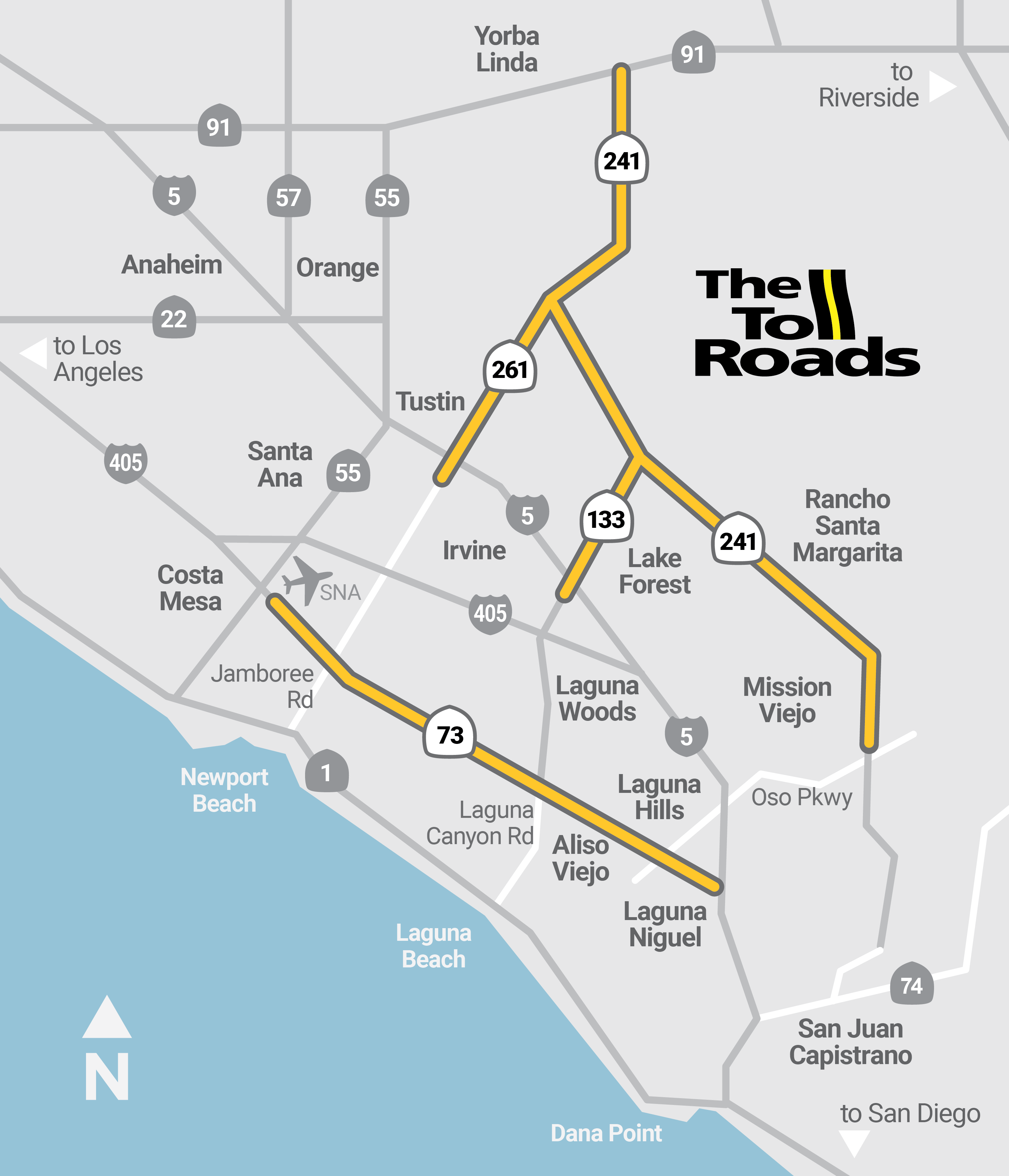
The majority of California’s dedicated toll roads are found in Orange County, operated by the Transportation Corridor Agencies (TCA). These include:
- State Route 73 (San Joaquin Hills Transportation Corridor): Running parallel to I-5, this route serves commuters and travelers heading between Orange County’s coastal cities and inland areas. Tolls can range from approximately $3 to $12, depending on the segment and time of day.
- State Route 133, State Route 241, and State Route 261 (Eastern Transportation Corridor): These routes provide connections through central and eastern Orange County, bypassing congested freeways. Tolls here can vary widely, from a few dollars for short segments to over $10 for longer journeys, especially during peak hours.
- SR-125 South Bay Expressway in San Diego County: This short toll road connects San Diego and Chula Vista, offering an alternative to I-805. Tolls typically range from $1 to $4 for a full segment.
Northern California’s Iconic Toll Bridges
The Bay Area is home to several famous toll bridges, which are vital arteries for regional travel. All tolls on these bridges are collected electronically in the westbound or southbound direction (entering the Bay Area from the east or north). Toll rates are fixed for most bridges, with some having higher rates during peak hours for carpool lanes or specific payment methods.
- Golden Gate Bridge: Perhaps the most iconic, its toll is currently around $9.75 with FasTrak or $10.75 for Pay-By-Plate.
- San Francisco-Oakland Bay Bridge: Tolls typically range from $7.00 to $8.00 depending on the time of day and payment method.
- Dumbarton Bridge, Richmond-San Rafael Bridge, San Mateo-Hayward Bridge, Benicia-Martinez Bridge, Carquinez Bridge: These bridges generally have a standard toll of around $7.00 with FasTrak.
Express Lanes: The Managed Lane Concept
Beyond dedicated toll roads and bridges, California also features a growing number of “express lanes” or “managed lanes” on existing freeways. These lanes offer a faster option for drivers willing to pay a variable toll, which changes dynamically based on real-time traffic congestion. The goal is to maintain a free-flowing speed within the express lane. Examples include:
- I-15 Express Lanes (San Diego County and Riverside County)
- I-10 Express Lanes and I-110 Express Lanes (Metro ExpressLanes in Los Angeles County)
- SR-91 Toll Express Lanes (Orange County and Riverside County)
Tolls on express lanes can fluctuate significantly, from less than $1 to over $15 for a single trip, depending on demand, distance traveled, and time of day. Carpools, especially those with three or more occupants, often travel free or at a reduced rate, but a FasTrak Flex transponder (which allows you to indicate the number of occupants) is usually required to qualify for these discounts.
Strategies for Managing Toll Costs on Your California Journey
Incorporating toll considerations into your travel planning can save you money and headaches, allowing you to focus on the scenic beauty and exciting experiences California has to offer.
Planning Your Route: Toll-Free Alternatives
Before setting out, review your planned route using a mapping application that allows you to “avoid tolls.” While toll roads and express lanes are designed to save time, especially during peak hours, non-tolled alternatives are almost always available. For instance, instead of using The Toll Roads in Orange County, you might opt for the I-5 or I-405, accepting potentially heavier traffic. For bridge crossings in the Bay Area, there are no toll-free alternatives for vehicle crossings, but you can choose bridges that might be less expensive or align better with your travel plans. Weigh the potential time savings against the cost to decide if a toll road is worth it for your specific itinerary.
Leveraging Technology: Navigation Apps
Modern navigation apps like Google Maps, Apple Maps, and Waze are invaluable tools for managing tolls. Most allow you to explicitly select an option to “avoid tolls” or “avoid highways” when planning your route. Furthermore, for express lanes, some apps can display real-time toll prices, enabling you to make an informed decision on whether to enter the express lane or stay in the general-purpose lanes. Always keep your navigation updated and check route options before departing.
Budgeting for Tolls: An Essential Travel Tip
For any extensive road trip through California that involves navigating urban areas or specific routes, it’s wise to include a line item for tolls in your travel budget. Researching the expected toll costs for your intended paths will prevent surprises. If you anticipate frequent use of toll roads or express lanes, investing in a FasTrak transponder can offer savings and significantly reduce hassle. For rental cars, clarify the toll payment policy beforehand to avoid unexpected administrative fees from the rental company. A little preparation goes a long way in ensuring a smooth and cost-effective journey.
Future Developments and Considerations
California’s transportation infrastructure is continually evolving, and so too are its tolling systems. Expect to see further expansion of express lanes as a primary strategy for managing congestion in metropolitan areas.
Evolution of Toll Systems
The trend towards all-electronic, cashless tolling is firmly established, with new technologies potentially introducing more sophisticated dynamic pricing models and integrated payment solutions. Efforts are ongoing to make toll payment as seamless as possible, potentially allowing for greater interoperability with other states or more intuitive pay-by-plate options for casual users.
Environmental and Traffic Management Goals
Beyond revenue generation, California’s tolling policies are increasingly aligned with broader environmental and traffic management goals. Variable pricing on express lanes is a direct tool to reduce congestion and greenhouse gas emissions by encouraging off-peak travel and promoting carpooling. As the state continues to grapple with population growth and environmental mandates, toll roads and express lanes will likely play an even more crucial role in shaping future transportation and travel experiences within California. Understanding their function and cost remains a cornerstone for any traveler planning a journey through this dynamic state.
LifeOutOfTheBox is a participant in the Amazon Services LLC Associates Program, an affiliate advertising program designed to provide a means for sites to earn advertising fees by advertising and linking to Amazon.com. Amazon, the Amazon logo, AmazonSupply, and the AmazonSupply logo are trademarks of Amazon.com, Inc. or its affiliates. As an Amazon Associate we earn affiliate commissions from qualifying purchases.