
Navigating the vast and dynamic landscape of Texas can be an exhilarating experience, offering everything from the bustling metropolises of Dallas and Houston to the serene beauty of the Texas Hill Country and the historic charm of San Antonio. For travelers seeking efficiency and ease on their journeys across the Lone Star State, understanding the ins and outs of toll roads and toll tags is paramount. This guide delves into the cost of toll tags in Texas, exploring the various providers, their fee structures, and how to select the best option for your travel needs, ensuring your Texas adventure remains smooth and hassle-free.
Understanding Toll Tags in Texas
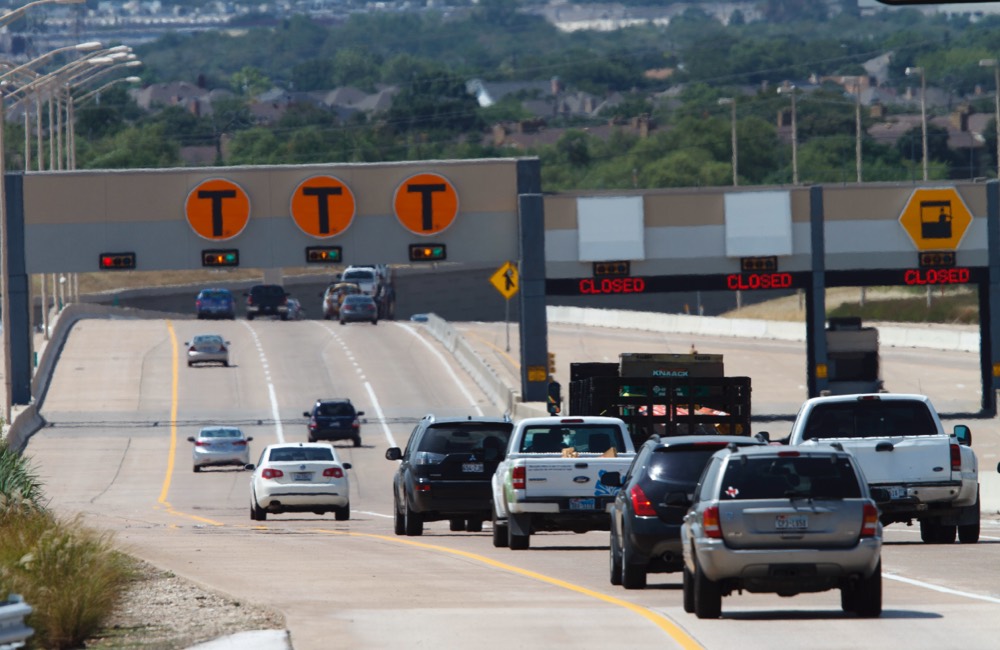
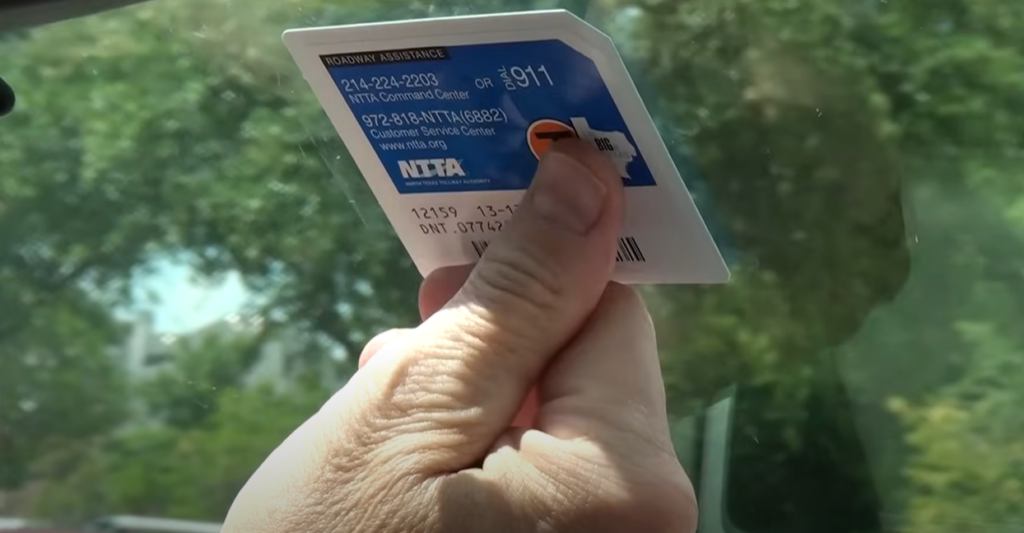
In Texas, toll tags, also known as transponders or passes, are electronic devices that facilitate the payment of tolls on a network of toll roads operated by different entities. These tags communicate with overhead readers as you pass through toll plazas, automatically deducting the toll amount from your prepaid account or a linked credit card. This system eliminates the need to stop and pay cash, saving valuable time and reducing traffic congestion.
The primary toll tag providers in Texas are:
- TxTag: Operated by the Texas Department of Transportation (TxDOT), TxTag is accepted on all toll roads throughout the state.
- EZ TAG: Managed by the Harris County Toll Road Authority (HCTRA), EZ TAG is also widely accepted on most Texas toll roads, including those managed by TxDOT.
- PULSE/WorldPass: This tag is managed by the North Texas Tollway Authority (NTTA) and is primarily for use on NTTA-managed tollways in North Texas, though it is also increasingly accepted on other toll roads across the state.
While these are the major players, it’s crucial to note that some regional toll authorities might have their own specific systems, though reciprocity agreements generally ensure that tags from one provider are honored by others.
The Benefits of Using a Toll Tag
The advantages of investing in a toll tag for your Texas travels are numerous:
- Convenience: Avoids the need to carry cash or stop at toll booths, especially beneficial on busy routes or during peak travel times.
- Cost Savings: Toll tag users often receive discounted toll rates compared to pay-by-mail or cash payments, leading to significant savings over time.
- Time Efficiency: Streamlines travel by allowing uninterrupted passage through toll plazas.
- Account Management: Most providers offer online portals or mobile apps for easy account management, balance checks, and transaction history viewing.
- Interoperability: While not universal across all states, Texas tags are generally accepted on toll roads in many other Southern states.
Toll Tag Costs and Fee Structures
The cost associated with a toll tag in Texas can vary depending on the provider and the type of account you choose. These costs typically fall into a few main categories:
- Initial Tag Purchase/Deposit: Some providers may charge a small fee for the physical transponder itself, or require a security deposit.
- Monthly/Annual Fees: Certain providers might have monthly or annual administrative fees associated with maintaining your account.
- Prepaid Toll Balance: A significant component of the cost is the prepaid toll balance required to start using the tag. This balance is used to pay for your tolls as you incur them.
- Overdraft Fees/Late Fees: Failure to maintain sufficient funds in your prepaid account can result in overdraft fees or late payment penalties.
Let’s break down the typical costs associated with each major provider. It’s important to note that these figures are subject to change, and it’s always best to check the official websites for the most up-to-date information.
TxTag Costs
- Tag Purchase Fee: TxDOT generally offers TxTags at no initial cost, requiring only a minimum prepaid balance to activate.
- Monthly Fees: For personal accounts, there are typically no monthly fees. For commercial accounts, there may be a small monthly administrative fee per vehicle.
- Prepaid Balance: A minimum prepaid balance is required to set up an account. This can range from $20 to $40, depending on the account type.
- Automatic Replenishment: You can set up automatic replenishment, where your account is automatically topped up when the balance falls below a certain threshold.
EZ TAG Costs
- Tag Purchase Fee: Similar to TxTag, EZ TAG often provides the transponder at no upfront cost, with a prepaid balance requirement.
- Monthly Fees: Personal EZ TAG accounts typically do not have monthly fees. Commercial accounts may incur a nominal monthly fee.
- Prepaid Balance: A minimum prepaid balance, often in the range of $25 to $35, is usually required to open an EZ TAG account.
- Automatic Replenishment: Automatic replenishment is a standard feature, ensuring your account stays funded.
PULSE/WorldPass (NTTA) Costs
- Tag Purchase Fee: NTTA may charge a small fee for the transponder, or offer it at a reduced rate with a prepaid balance.
- Monthly Fees: NTTA may charge a small monthly administrative fee for certain account types, especially if not using automatic replenishment.
- Prepaid Balance: An initial prepaid balance, typically around $20, is generally required.
- Automatic Replenishment: This is a recommended option to avoid potential fees and ensure uninterrupted service.
Important Considerations for Costs:
- ZipCash/Pay By Mail: If you don’t have a toll tag and travel on a toll road, you will likely receive a bill in the mail (ZipCash). These bills are almost always more expensive than using a toll tag, as they include an administrative fee to cover the cost of identifying and billing you.
- Discounts: The primary cost savings with a toll tag come from the discounted toll rates offered to tag holders. These discounts can range from 10% to over 50% depending on the specific toll road and provider.
- Account Types: Whether you are a personal user, a commercial fleet operator, or a visitor, the fee structures and requirements might differ. Always clarify your account type when setting up your toll tag.
Choosing the Right Toll Tag for Your Texas Travels
With multiple providers and varying fee structures, selecting the ideal toll tag can seem daunting. However, by considering your travel patterns and needs, you can make an informed decision.
Personal vs. Commercial Accounts
- Personal Accounts: These are for individuals or families who use toll roads for personal travel, commuting, or leisure. They generally have lower fees and simpler account management.
- Commercial Accounts: These are designed for businesses with multiple vehicles. They often offer fleet management features, consolidated billing, and may have different fee structures. If you operate a business that frequently uses toll roads, a commercial account might be more suitable.
Geographic Focus
- TxTag: As the state-wide option, TxTag is the most versatile if you plan to travel extensively across Texas, visiting regions like West Texas, the Gulf Coast, or the Panhandle.
- EZ TAG: If your travel primarily centers around the Houston metropolitan area, EZ TAG is an excellent choice and is widely accepted elsewhere.
- PULSE/WorldPass: For frequent travel in the Dallas-Fort Worth metroplex, the NTTA’s PULSE tag is highly convenient, though it also works on many other Texas toll roads.
Account Management Preferences
- Online and Mobile Access: All major providers offer robust online portals and mobile apps for account management. If you prefer the convenience of managing your account on the go, ensure the provider’s app is user-friendly.
- Automatic Replenishment: Most users opt for automatic replenishment to avoid the hassle of manual top-ups and potential service interruptions. Consider the minimum balance and replenishment triggers.
- Statement Preferences: Some providers allow you to choose between electronic or paper statements.
Reciprocity and Interoperability
A significant advantage of Texas toll tags is their interoperability. Generally, a TxTag will work on EZ TAG and NTTA roads, and vice versa. This means that even if you have an EZ TAG, you can still use it on NTTA-managed toll roads without needing a separate tag. This broad acceptance simplifies travel across the state. However, it’s always prudent to verify specific acceptance policies if you have concerns.
Setting Up and Managing Your Toll Tag Account
Once you’ve chosen a provider, the process of setting up and managing your toll tag account is usually straightforward.
The Application Process
- Online: The most common and convenient method is to apply online through the provider’s official website. You will typically need to provide personal information, vehicle details (license plate number, make, model, year), and payment information for your prepaid balance and automatic replenishment.
- In Person: Some providers may have physical customer service centers or kiosks where you can apply in person.
- By Mail: Application by mail might be an option, though it is generally slower than online or in-person methods.
Vehicle Information
It is crucial to keep your vehicle information up-to-date. If you sell a vehicle or purchase a new one, you must update your account with the new license plate number. Failure to do so can lead to incorrect billing or missed toll charges.
Payment and Replenishment
- Payment Methods: Most providers accept major credit cards (Visa, MasterCard, American Express, Discover) for initial payment and automatic replenishment. Some may also accept bank transfers or debit cards.
- Replenishment Thresholds: You can usually set the minimum balance at which your account will be automatically replenished, as well as the amount of each replenishment. Choose these settings wisely to avoid frequent small top-ups or insufficient funds.
Monitoring Your Account
Regularly check your account balance and transaction history through the online portal or mobile app. This allows you to:
- Track Usage: See where and when you’ve incurred tolls.
- Identify Errors: Spot any incorrect charges or discrepancies.
- Manage Funds: Ensure you have adequate funds to avoid overdraft fees.
Alternatives to Toll Tags and the Impact on Travel Costs
While toll tags offer significant advantages, it’s worth understanding the alternatives and their associated costs, especially for infrequent travelers or visitors.
Pay-By-Mail (ZipCash)
As mentioned earlier, if you don’t have a toll tag, you’ll likely be billed through a pay-by-mail system. This system identifies your vehicle via its license plate and sends a bill to the registered owner.
- Higher Costs: The primary drawback of pay-by-mail is the significantly higher cost per toll. Administrative fees are added to each transaction, often making it more expensive than using a toll tag, even with discounted rates.
- Delayed Payment: Bills can take several weeks to arrive, and if not paid promptly, can lead to late fees and penalties.
- Inconvenience: It defeats the purpose of efficient toll road travel and can lead to a buildup of bills for those who use toll roads sporadically.
Cash Payment (Limited Availability)
Historically, some toll roads accepted cash payments. However, the trend in Texas, as in many places, is towards cashless tolling systems. This means that cash lanes are becoming increasingly rare, and relying on cash payment is not a viable long-term strategy for navigating Texas toll roads.
Visitors and Tourists
For short-term visitors to Texas, the decision of whether to get a toll tag depends on their itinerary.
- Extensive Toll Road Use: If your visit involves extensive travel across major cities like Austin, Fort Worth, or using toll roads to bypass congestion, obtaining a temporary or visitor toll tag (if offered) or setting up a standard tag with a prepaid balance is advisable to save money and time.
- Limited Toll Road Use: If your travel is limited to a few specific toll roads or you plan to avoid them entirely, you might opt for the pay-by-mail system, understanding the increased cost. However, it’s often simpler to get a basic toll tag for peace of mind.
Some providers might offer options for visitors, such as prepaid passes with a set duration or mileage limit. Investigating these options before arrival can be beneficial.
Frequently Asked Questions About Texas Toll Tags
- Can I use my TxTag in other states? Yes, TxTag and other Texas toll tags are generally accepted on toll roads in many other Southern states, including Oklahoma, Kansas, and parts of Colorado and Florida, through interoperability agreements.
- What happens if I don’t pay my tolls? Unpaid tolls will eventually incur late fees and penalties. If still unpaid, your vehicle registration could be suspended by the Texas Department of Motor Vehicles (DMV), and your account may be sent to a collection agency.
- Can I use one toll tag for multiple vehicles? Each vehicle should ideally have its own registered toll tag linked to its specific license plate. While some systems might allow a single tag to be used across multiple vehicles if they are registered on the same account, it’s best practice and often required for accuracy to have a dedicated tag per vehicle.
- What if I move out of Texas? If you move out of Texas, you can typically close your account with your Texas toll tag provider. Ensure you settle any outstanding balances. Your tag might still be usable in other states that accept it, but managing an account from afar can be cumbersome.
By understanding the nuances of toll tags in Texas, their associated costs, and the benefits they provide, travelers can confidently plan their journeys, ensuring they navigate the state’s extensive roadways efficiently and cost-effectively. Whether you’re a daily commuter or a once-a-year visitor, a well-managed toll tag can transform your travel experience, allowing you to focus on enjoying the rich tapestry of experiences that Texas has to offer.
LifeOutOfTheBox is a participant in the Amazon Services LLC Associates Program, an affiliate advertising program designed to provide a means for sites to earn advertising fees by advertising and linking to Amazon.com. Amazon, the Amazon logo, AmazonSupply, and the AmazonSupply logo are trademarks of Amazon.com, Inc. or its affiliates. As an Amazon Associate we earn affiliate commissions from qualifying purchases.