
The future of the Arizona Coyotes hockey franchise has been a subject of intense speculation and considerable concern for fans and the wider National Hockey League (NHL) community. For years, the team has navigated a complex landscape of arena challenges, financial uncertainties, and a perceived lack of long-term stability within the Phoenix metropolitan area. This ongoing saga has raised serious questions about the franchise’s viability in its current market, prompting discussions about potential relocations, ownership changes, and the very identity of the team.
A Troubled Arena History
The Arizona Coyotes’ arena situation has been a persistent thorn in the side of the organization. Unlike many other professional sports franchises that boast state-of-the-art, purpose-built facilities, the Coyotes have experienced a revolving door of temporary and inadequate venues. This instability has not only impacted the fan experience but also presented significant logistical and financial hurdles for the team.

Mullett Arena: A Temporary Solution with Lingering Doubts
The current home of the Arizona Coyotes is Mullett Arena, a collegiate facility located on the campus of Arizona State University in Tempe. While it provides a more intimate setting than previous arenas, its capacity of just over 4,600 seats makes it the smallest venue in the NHL by a significant margin. This limitation inherently caps ticket revenue and creates a less-than-ideal atmosphere for a professional hockey game. The long-term vision for the team has always involved a dedicated, NHL-caliber arena, and Mullett Arena was always understood to be a stopgap measure. The challenges in securing land and funding for a new arena have repeatedly stalled progress, leaving the franchise in a state of perpetual temporary housing. This nomadic existence has undoubtedly contributed to the perception of instability, making it difficult to build a consistent and passionate fanbase. The novelty of playing in a smaller, more accessible venue has waned, and the limitations are now a daily reminder of the franchise’s ongoing struggles. The lack of premium seating, luxury boxes, and expansive concourse areas also limits lucrative hospitality opportunities, a significant revenue stream for modern sports franchises. Furthermore, the logistics of sharing a facility with a university athletic program, while manageable, presents scheduling complexities and can detract from the professional sports atmosphere fans expect.
Past Arena Struggles
Before Mullett Arena, the Arizona Coyotes played at the Gila River Arena in Glendale. This partnership was fraught with financial disagreements and ultimately ended prematurely, highlighting the difficulties the franchise has faced in establishing a stable, long-term home. The team also had a brief stint at the America West Arena (now Footprint Center) in downtown Phoenix, a venue more accustomed to hosting basketball than hockey, further underscoring the historical challenges in finding a suitable and sustainable location. Each of these past arrangements presented its own set of drawbacks, from capacity limitations and operating costs to public funding disputes and lease terminations. The consistent theme has been a lack of a dedicated, purpose-built arena that could serve as a true home for the team and its fans, and a consistent source of revenue.
Ownership and Financial Dynamics
The financial health and ownership structure of the Arizona Coyotes have also been central to the ongoing narrative. The NHL has, at various times, taken a direct role in the team’s finances and operations, a clear indication of underlying instability. Several ownership groups have come and gone, each with their own vision and set of challenges in making the franchise profitable in the Arizona market.
Recent Ownership Transitions
The ownership of the Arizona Coyotes has seen considerable flux. In recent years, the team has been owned by a combination of individuals and investment groups, often with the league itself playing a significant role in ensuring its continuation. The complexity of these ownership structures has sometimes led to a lack of clear leadership and a perception of short-term decision-making rather than a long-term strategic vision. The NHL’s involvement has often been a necessary measure to keep the team afloat, but it also signals a dependency that raises questions about the franchise’s self-sustainability. The intricate web of financial commitments, stadium financing proposals, and potential investment hurdles has made it exceptionally difficult for any single ownership group to establish a firm footing and chart a stable course. The league’s direct intervention, while benevolent in its intent to preserve the franchise, can also create a dynamic where the team is perceived as being propped up rather than thriving independently. This has had a ripple effect on everything from corporate partnerships to fan confidence, creating a cycle of uncertainty.
The Market Debate
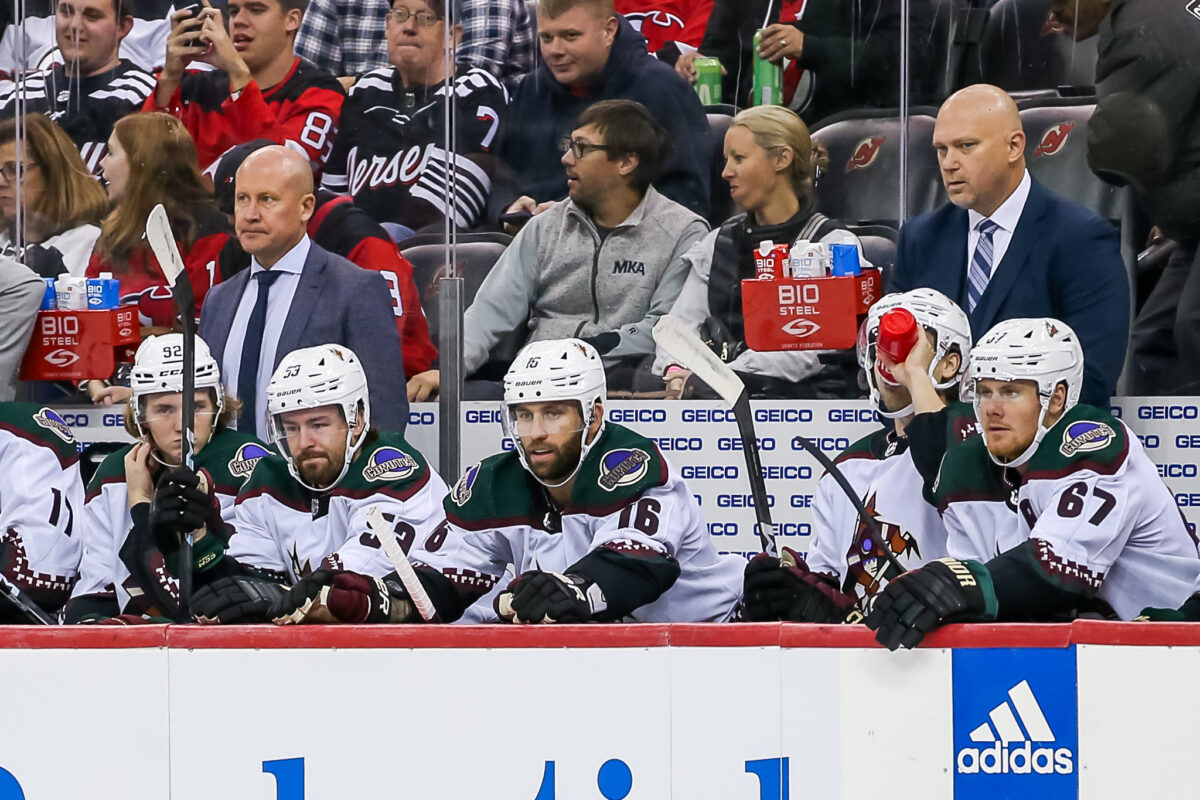
The viability of an NHL franchise in the Phoenix market has long been a topic of debate. While Arizona boasts a growing population and a diverse demographic, hockey has historically struggled to gain the same traction as other major professional sports like football and baseball. The presence of other established NHL teams in closer proximity also means the Coyotes face a unique competitive landscape for fan attention and entertainment dollars. The debate often centers on whether the market is simply not large enough or enthusiastic enough to support a full-time NHL team, or if the franchise’s persistent operational issues have prevented it from connecting with and cultivating a dedicated fanbase. Critics often point to lower attendance figures compared to other NHL teams, even when factoring in the smaller arena size, as evidence of a lukewarm market reception. Conversely, supporters argue that the team has never been given a fair shake, with consistent arena issues and ownership instability hindering its ability to build momentum and establish a strong community presence. The intense summer heat in Arizona is also sometimes cited as a factor, though this is a less substantiated argument given the success of other outdoor sports and the fact that hockey is played indoors.
Impact on the Fanbase and League Perception
The prolonged uncertainty surrounding the Arizona Coyotes has undoubtedly had a tangible impact on its fanbase and the broader perception of the franchise within the NHL. Fan engagement, season ticket sales, and overall morale are intrinsically linked to a team’s stability and future prospects.
Eroding Fan Trust
For the dedicated contingent of Arizona Coyotes fans, the journey has been a test of loyalty and patience. Years of dashed hopes regarding arena developments, ownership changes, and rumors of relocation have created a sense of weariness and, for some, disillusionment. The passion for the team is evident, but the constant instability makes it challenging to invest emotionally and financially in a franchise that seems perpetually on shaky ground. This erosion of trust is a significant hurdle that any future ownership group or strategic direction will need to overcome. Building back that faith requires more than just winning on the ice; it demands a clear and consistent path forward, demonstrable commitment to the market, and a genuine effort to engage and reward the fanbase. The fear of another move or a drastic change in team identity looms large for many, making long-term commitment a difficult proposition. The feeling of being a secondary concern, or a potential relocation asset, has taken its toll.
League Implications
The Arizona Coyotes’ situation is also closely watched by the NHL and its other franchises. The league’s expansion into new markets, such as Seattle and Vegas, has demonstrated a desire to grow the sport in non-traditional markets. However, the Coyotes’ struggles serve as a cautionary tale, highlighting the immense challenges in establishing and sustaining an NHL franchise, particularly when confronted with persistent arena and financial obstacles. The league’s willingness to continue supporting the Coyotes in Arizona demonstrates a commitment to market development, but the ongoing narrative also raises questions about the league’s long-term strategy and its ability to avoid repeated situations of instability. The success of teams like the Vegas Golden Knights in a new market has emboldened the NHL, but the Arizona Coyotes’ situation offers a stark contrast, emphasizing the importance of foundational elements like a stable arena and a robust financial model. The league undoubtedly seeks a resolution that allows the Coyotes to thrive, either in their current market with a renewed commitment to infrastructure and fan engagement, or potentially through a relocation that offers greater stability and a more receptive audience. The optics of a struggling franchise in a growing metropolitan area are not ideal for a league aiming for national and international expansion and prestige.
The Path Forward: Potential Scenarios
The future of the Arizona Coyotes remains uncertain, with several potential scenarios on the horizon. These range from a renewed effort to establish a permanent home in Arizona to the more drastic, but often speculated, possibility of relocation.
A Renewed Arena Push
One possibility is a renewed and ultimately successful effort to build a new, dedicated arena in the Phoenix area. This would likely require significant buy-in from local government, private investors, and the NHL itself. A properly funded and strategically located arena could be a game-changer, providing the team with a stable financial foundation, enhanced fan experience, and greater opportunities for community engagement. Such a development would signal a long-term commitment to the market and could help rebuild fan confidence. The recent acquisition of land in the Phoenix area for a potential new arena project represents a concrete step in this direction. However, the path from land acquisition to a fully operational NHL arena is fraught with challenges, including zoning approvals, environmental impact studies, construction timelines, and securing the necessary financing. The history of arena development for this franchise has been one of setbacks, and many will be watching closely to see if this latest endeavor can break the cycle.

Relocation as a Viable Option
Given the persistent challenges in securing a permanent home in Arizona, relocation has always been a prominent topic of discussion. Several cities have been mentioned as potential destinations, often those with a strong hockey tradition and a demonstrated need for an NHL franchise. Such a move would provide the team with a fresh start in a potentially more receptive market, allowing for the rebuilding of fan support and a more stable operational environment. However, relocation is a complex and costly process, involving significant negotiations with the NHL, potential buyers, and the host city. It also carries the emotional weight of leaving behind a fanbase that, while perhaps struggling with the team’s instability, has remained loyal through thick and thin. The NHL’s recent approval of the sale of the Coyotes to a group that intends to seek a new home for the franchise has brought this possibility closer to reality, with Salt Lake City emerging as a leading contender. The prospect of the Arizona Coyotes franchise, if not the specific team, relocating to Utah has been a significant development, marking a potential turning point in this long-standing saga. The NHL’s strategic vision often involves placing teams in markets where they can best thrive, and if Arizona proves to be an untenable market, a move to a city like Salt Lake City, which has shown considerable enthusiasm for professional sports, could be the most pragmatic solution for the league and the continuation of the franchise itself.
The ongoing narrative of the Arizona Coyotes is a complex interplay of sports, business, and market dynamics. Whether the franchise ultimately finds stability in Arizona or embarks on a new chapter elsewhere, its story serves as a compelling case study in the challenges and opportunities of professional sports in non-traditional markets. The NHL’s commitment to resolving the situation underscores the league’s desire for sustained growth and a stable presence across North America.
LifeOutOfTheBox is a participant in the Amazon Services LLC Associates Program, an affiliate advertising program designed to provide a means for sites to earn advertising fees by advertising and linking to Amazon.com. Amazon, the Amazon logo, AmazonSupply, and the AmazonSupply logo are trademarks of Amazon.com, Inc. or its affiliates. As an Amazon Associate we earn affiliate commissions from qualifying purchases.