
For many, the allure of Florida extends far beyond its sun-kissed beaches and vibrant attractions. It’s a state that beckons with entrepreneurial opportunities, particularly within its booming travel, tourism, and accommodation sectors. Whether you’re a digital nomad seeking a permanent base, a hospitality professional eyeing a new venture, or an investor looking to capitalize on vacation rentals, the question “How much is an LLC in Florida?” is often one of the first practical considerations. While the initial query about LLC costs might seem purely administrative, for those immersed in the world of travel, it’s a doorway to understanding the financial landscape of building a lifestyle or business in one of the world’s most popular destinations.
Establishing a Limited Liability Company (LLC) in Florida is more than just fulfilling a legal requirement; it’s a strategic move for protection, credibility, and growth. This article will delve into the financial aspects of forming an LLC in the Sunshine State, but critically, it will frame these costs within the broader context of travel, tourism, and lifestyle choices that define the “Life Out of the Box” philosophy. We’ll explore why this structure is particularly appealing for those operating in travel-related fields, from managing luxury suites to curating unique local experiences, and how understanding these costs is an integral part of planning your dream life or venture in Florida.
The Appeal of Florida for Travel-Related Ventures and Lifestyle
Florida isn’t just a destination; it’s a dynamic ecosystem for anyone passionate about travel, hospitality, and a lifestyle that blends work with leisure. Its diverse landscapes, from the bustling cityscapes of Miami to the tranquil natural beauty of the Everglades, offer an unparalleled backdrop for both personal exploration and professional endeavors. For travel-focused entrepreneurs, understanding the costs of an LLC here is the first step in setting down roots in a state ripe with opportunity.
A Hub for Tourism and Accommodation
Florida’s tourism industry is a titan, consistently attracting millions of visitors annually. This makes it an incredibly fertile ground for businesses centered around travel and accommodation. From the iconic theme parks of Orlando to the Art Deco splendor of South Beach, and the laid-back charm of Key West, the state offers a kaleidoscope of destinations, each with its unique draw.
For those considering an LLC, this vibrant tourist economy translates into myriad business opportunities. Imagine operating a boutique hotel in Sarasota, a series of luxury vacation rentals along the Gulf Coast, or a specialized tour guide service showcasing Miami’s hidden gems. An LLC provides the legal framework to operate these ventures, offering personal liability protection that is crucial when dealing with guests, properties, and the inherent risks of a service-based industry. Companies like Airbnb have revolutionized the accommodation landscape, and many hosts choose to form an LLC to manage their properties, separating personal assets from business liabilities. Similarly, travel agencies, local experience curators, and even specialized transportation services thrive in this environment. The cost of establishing an LLC then becomes an investment in safeguarding these potentially lucrative enterprises.
Lifestyle and Business Integration: Digital Nomads and Entrepreneurs
Beyond traditional tourism businesses, Florida is increasingly a preferred locale for digital nomads and location-independent entrepreneurs. The state’s attractive tax environment, notably the absence of state income tax, presents a significant financial advantage. For those who choose to live out of the box, combining remote work with exploration, an LLC in Florida can simplify financial management and provide a stable legal entity for their global operations.
Picture a travel blogger managing their content from a beachfront villa in Naples, or a travel tech startup collaborating remotely from a co-working space in Tampa. An LLC allows these individuals to structure their business professionally, handle contracts, and manage income streams efficiently, all while enjoying the Florida lifestyle. The ability to work from anywhere, yet have a robust legal and financial base in a favorable state, is a key driver for many. The cost of forming an LLC, in this context, is part of the broader investment in a mobile, yet secure, professional lifestyle. It’s about blending the freedom of travel with the stability of a well-structured business.
Understanding the Core Costs of an LLC in Florida
When you ask “How much is an LLC in Florida?”, you’re primarily referring to the governmental fees required to officially register your business. However, it’s crucial to understand that these state filing fees are just the baseline. For travel and hospitality entrepreneurs, additional considerations and potential expenses will ensure their LLC is not only compliant but also optimized for their specific business model.
Essential State Filing Fees
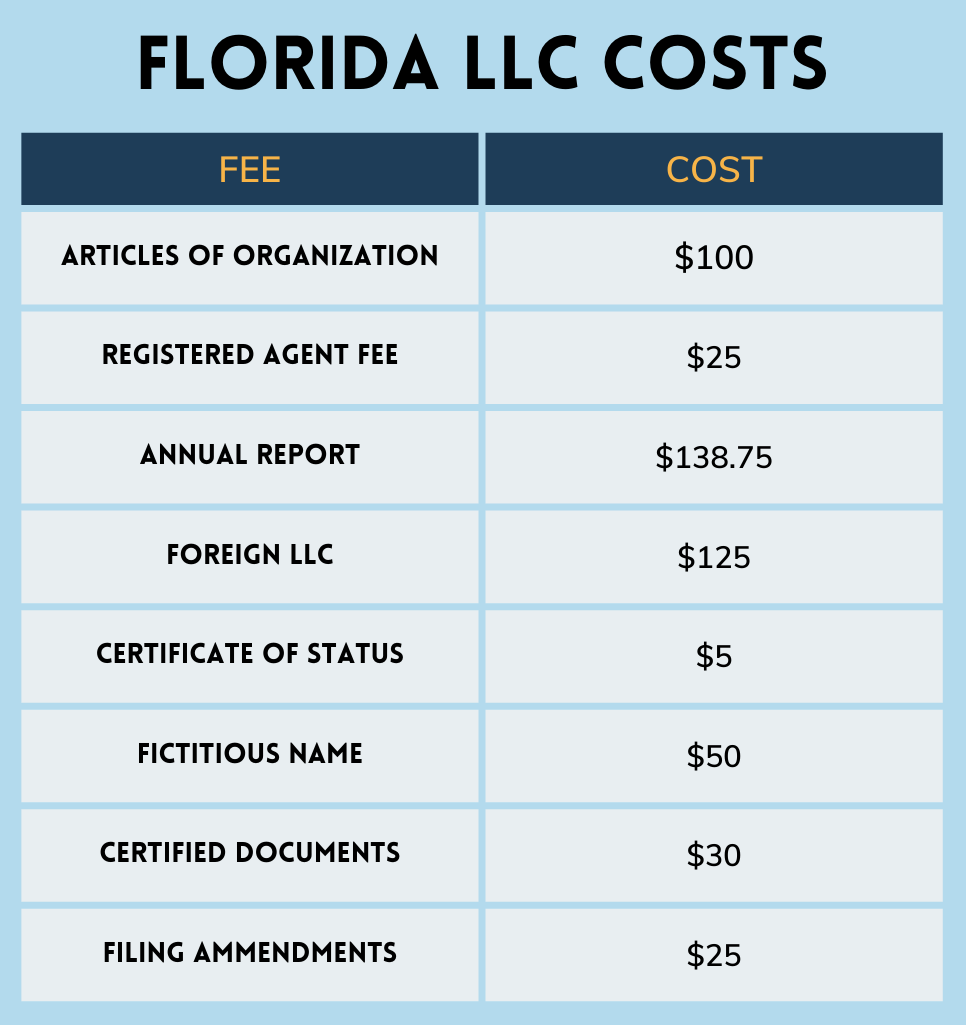
The most direct answer to the cost question involves the fees paid to the Florida Department of State. As of the most recent updates, these typically include:
- Initial Filing Fee: This is the primary cost to file your Articles of Organization with the Florida Department of State, officially creating your LLC. This fee is relatively modest and is a one-time expense to establish your entity.
- Annual Report Fee: Unlike the initial filing, this is an recurring cost. Every year, to keep your LLC in good standing with the state, you are required to file an annual report and pay an associated fee. Missing this deadline can lead to additional penalties or even administrative dissolution of your LLC, which would be detrimental to any ongoing travel-related business, be it a small guesthouse or a major tour operator.
These two fees represent the foundational “how much” for an LLC in Florida from a state regulatory perspective. They are straightforward and generally fixed, making them easy to budget for. However, operating a successful business, especially one intertwined with the complexities of travel and accommodation, often necessitates going beyond these basic requirements.
Beyond the Basics: Professional Services and Ongoing Expenses
While the state fees are non-negotiable, savvy entrepreneurs in the travel and tourism space recognize that additional investments are often essential for long-term success and peace of mind. These “hidden” costs contribute to the true financial picture of operating an LLC:
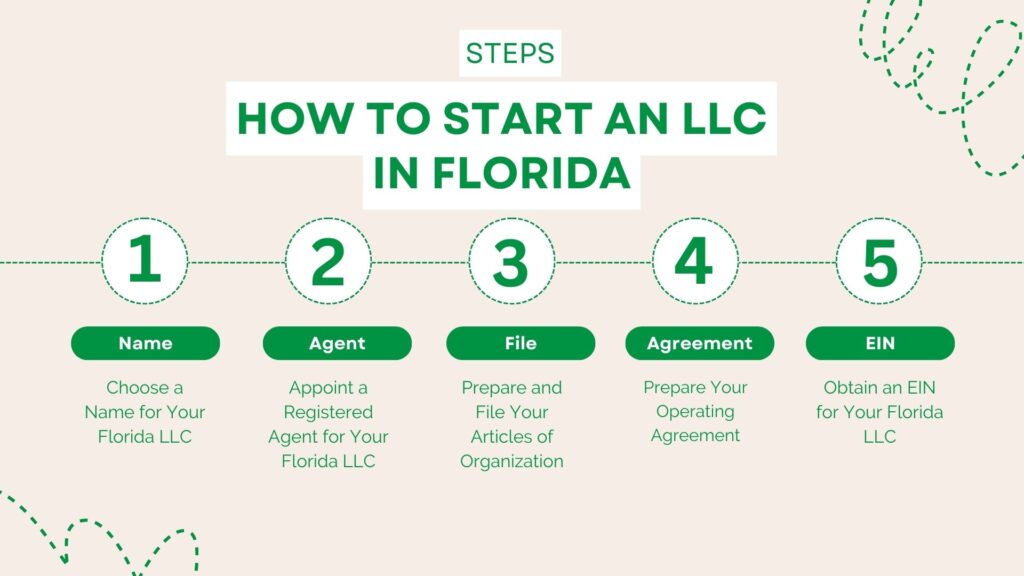
- Registered Agent Services: Florida law requires every LLC to have a registered agent with a physical street address in the state. This agent receives legal and tax documents on behalf of your LLC. For digital nomads, remote entrepreneurs, or those who frequently travel internationally, a professional registered agent service is invaluable. It ensures you never miss critical correspondence, regardless of where your travels take you, preventing legal issues that could disrupt your business in Fort Lauderdale or Gainesville. The cost for these services varies but provides peace of mind.
- Legal Advice and Operating Agreement: While not legally mandated to file with the state, a well-drafted Operating Agreement is crucial for any LLC, especially for those with multiple members (e.g., partners co-owning a travel agency or a chain of villas). This document outlines ownership, management structure, and operational procedures. Engaging a business attorney to draft this, or to advise on contracts for accommodation partnerships, tour agreements, or even intellectual property for a travel blog, is a wise investment that can prevent costly disputes down the line.
- Accounting Services: For businesses dealing with varied income streams (e.g., booking commissions, property rental income, retail sales from a travel shop), managing finances can be complex. Professional accounting services can help with bookkeeping, tax preparation, and financial planning, ensuring compliance with state and federal tax laws. This is particularly relevant for LLCs that might need to collect sales tax on accommodations or services provided to tourists.
- Business Licenses and Permits: Depending on the nature of your travel-related business and its specific location within Florida, you may need additional local, county, or state licenses and permits. For example, operating a vacation rental in St. Petersburg often requires specific short-term rental permits, while a tour operator might need licenses from the Department of Agriculture and Consumer Services. These fees vary significantly and are essential to operate legally and avoid penalties.
- Employer Identification Number (EIN): If your LLC has employees or is taxed as a corporation, you’ll need an EIN from the IRS. This is a free registration, but it’s an administrative step that shouldn’t be overlooked.
- Business Insurance: While not a direct LLC cost, robust business insurance (e.g., general liability, property insurance for hotels or rentals, professional liability for travel advisors) is critical for any travel or hospitality venture. It protects your LLC from unforeseen events and claims, adding another layer of security beyond what the LLC structure alone provides.
These additional considerations collectively contribute to the true cost of setting up and maintaining an LLC in Florida, transforming a simple legal entity into a robust operational framework for your travel-focused dreams.
Maximizing Your Florida LLC for Travel & Business Success
Establishing an LLC in Florida is more than just a financial transaction; it’s a strategic move that can significantly impact your business’s success and your personal lifestyle, especially when intertwined with the travel and tourism industry. The advantages extend beyond mere liability protection, offering avenues for growth, credibility, and streamlined operations.
Strategic Location and Local Engagement
Florida’s diverse geography means that the choice of your operational base can heavily influence your business’s niche and success. An LLC can be strategically placed to capitalize on specific travel trends. For instance:
- Fort Lauderdale: Ideal for marine tourism, yacht charters, and luxury waterfront accommodations. An LLC here allows you to tap into the affluent boating community and international visitors.
- Gainesville: Offers opportunities around university tourism, eco-tourism, and exploring inland natural springs. An LLC could operate niche accommodation for visiting academics or adventure tour companies.
- Orlando: Unmatched for family tourism, theme park visitors, and convention-goers. An LLC here could manage a portfolio of short-term rentals, provide transportation services, or develop unique visitor experiences.
- Tampa: A growing metropolitan hub with a blend of business travel, cultural attractions, and sports tourism. An LLC could focus on corporate stays, event planning, or specialized food tours.
By carefully selecting your primary operational location and ensuring your LLC is registered accordingly, you can better integrate into the local tourism economy, forge partnerships with local attractions and landmarks, and appeal directly to your target market. Understanding local regulations, which might come with additional permit costs, is crucial to this strategic positioning.
Leveraging Your LLC for Accommodation and Travel Advantages
An LLC provides a professional and credible front that can unlock significant advantages in the accommodation and broader travel sector:
- Commercial Leases and Property Acquisition: For those looking to manage multiple vacation rentals, operate a small hotel, or even a co-living space for digital nomads, an LLC provides a formal entity to sign commercial leases or secure property financing. Banks and property owners often prefer to deal with a registered business rather than an individual, lending an air of professionalism and stability.
- Partnerships and Credibility: Working with Destination Marketing Organizations (DMOs), local tourism boards, or larger travel agencies becomes smoother when you operate as an LLC. It demonstrates seriousness and provides a legal entity for formal agreements, opening doors to collaborative marketing efforts, inclusion in official tourism guides, and larger booking platforms.
- Tax Advantages for Business Travel: While specific tax advice should come from a qualified accountant, operating as an LLC can offer opportunities for deducting legitimate business expenses. This includes travel for business conferences in Orlando, research trips to new destinations within Florida, or even expenses related to maintaining a home office if it’s the primary place of business for your travel venture. For the lifestyle entrepreneur who blurs the lines between work and travel, an LLC helps clearly delineate these activities for tax purposes.
- Long-Term Stay and Investment: For individuals considering extended stays or establishing a semi-permanent residence in Florida while running a travel-related business, an LLC can simplify financial and logistical aspects. It provides a legal address, facilitates banking, and offers a clear structure for managing income and expenses related to their lifestyle and investments in the state’s vibrant economy.
By understanding how your LLC integrates with these strategic advantages, the initial and ongoing costs become a worthwhile investment in building a robust and thriving travel or hospitality enterprise in the Sunshine State.
Financial Planning and Investment for Your Florida Dream
Beyond the specific fees of “How much is an LLC in Florida?”, the broader picture involves comprehensive financial planning that intertwines business expenditures with personal lifestyle aspirations. For those drawn to Florida’s vibrant travel and tourism landscape, the LLC is just one piece of a larger financial puzzle designed to support both entrepreneurial ventures and a desired way of life.
Budgeting for Your Business and Lifestyle
Whether your approach to travel is budget-conscious or leans towards luxury, the same principle applies to your business: smart budgeting is essential. The investment in an LLC, including filing fees and professional services, should be factored into your overall startup and operational budget.
- Startup Capital: For a new travel-related business (e.g., launching a tour company, acquiring a vacation rental, or starting a travel blog), the LLC costs are just one line item. You’ll also need to budget for marketing, website development, initial inventory (if applicable), operational licenses, insurance, and working capital.
- Living Expenses: For those relocating to Florida or establishing it as a primary base, integrating personal living costs with business budgeting is key. Florida offers a range of living costs, from the high-end luxury of Palm Beach to more affordable communities. Understanding your personal financial needs alongside your business’s projected income and expenses ensures sustainability.
- Contingency Funds: The travel and tourism industry can be cyclical and influenced by external factors. A prudent entrepreneur always maintains a contingency fund for unexpected expenses or downturns. This financial cushion can be the difference between weathering a slow season and having to close your doors.
By viewing the LLC cost as part of a larger, integrated financial plan, you can strategically allocate resources to ensure both your business and your lifestyle flourish in Florida.
Future Growth and Expansion in the Sunshine State
An LLC in Florida provides a scalable foundation for future growth and expansion within the travel and leisure sectors. As your business matures, the established legal structure facilitates:
- Diversification of Offerings: Perhaps you start with a single vacation rental and later decide to offer curated local experiences, develop a travel app, or invest in eco-tourism ventures in unique areas like the Everglades or the pristine springs of Central Florida. Your LLC can house these diverse activities under one umbrella or serve as the parent company for new subsidiaries.
- Acquiring More Assets: As your success grows, you might look to acquire additional properties, vehicles for a shuttle service, or even another existing travel business. The LLC structure simplifies these acquisitions, offering a clear legal entity for asset ownership and financial transactions.
- Investor Confidence: Should you seek external investment to fuel expansion (e.g., building a new resort, launching a major travel technology platform), an LLC presents a professional and transparent structure that instills confidence in potential investors. It demonstrates a commitment to legal compliance and a clear operational framework.
From its stunning Gulf Coast beaches to the vibrant nightlife of South Beach, Florida offers a constantly evolving landscape for travel and business. An LLC allows you to tap into this potential, adapting and growing with the state’s dynamic economy.
In conclusion, while the question “How much is an LLC in Florida?” can be answered with a specific set of state filing fees, its true significance for the “Life Out of the Box” community lies in the opportunities it unlocks. It’s an investment not merely in a legal entity, but in a lifestyle choice, a passion project, or a thriving business within one of the world’s most captivating travel destinations. By understanding both the direct costs and the broader financial and strategic implications, you can confidently navigate the path to establishing your presence in the Sunshine State and turning your travel dreams into a well-structured reality.
LifeOutOfTheBox is a participant in the Amazon Services LLC Associates Program, an affiliate advertising program designed to provide a means for sites to earn advertising fees by advertising and linking to Amazon.com. Amazon, the Amazon logo, AmazonSupply, and the AmazonSupply logo are trademarks of Amazon.com, Inc. or its affiliates. As an Amazon Associate we earn affiliate commissions from qualifying purchases.