
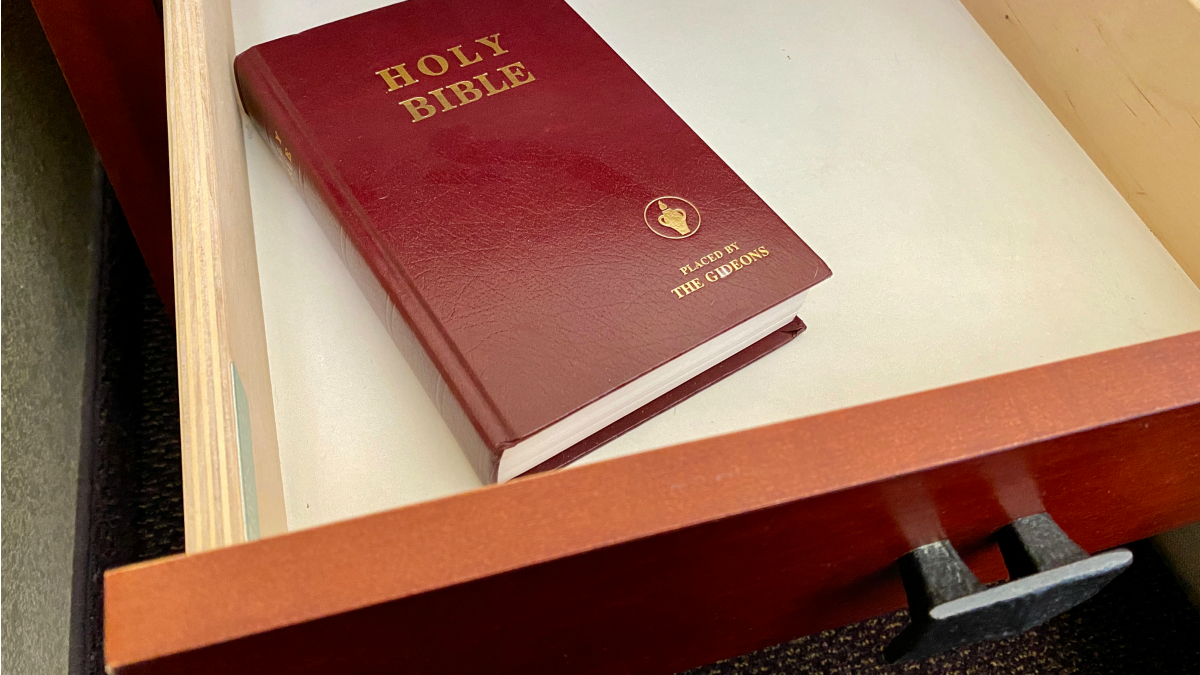
It’s a familiar sight for many travelers: nestled in the drawer of a hotel nightstand, often between a remote control and a notepad, rests a copy of the Bible. For decades, this presence has been a quiet constant in countless hotel rooms across the globe, sparking curiosity for some and offering comfort for others. In an era where travel is increasingly secularized and accommodation amenities are geared towards hyper-personalization and digital convenience, the enduring tradition of a religious text in a hospitality setting seems, to some, like an anachronism. Yet, its story is deeply intertwined with the history of hospitality, the evolving needs of travelers, and a powerful, enduring mission of a specific organization.

Understanding why hotels continue, or historically continued, to feature the Bible in their rooms requires a journey back in time, exploring the motivations behind this practice, its perceived benefits, and how modern trends in travel, tourism, and lifestyle are reshaping this long-standing tradition. From budget stays to luxury resorts, the presence of this book has been a silent testament to a particular vision of care and comfort. This article delves into the fascinating reasons behind this widespread phenomenon, examining its roots, its relevance today, and what the future might hold for faith-based items in the dynamic world of hotel accommodation.
A Legacy of Hospitality and Faith: The Gideons International
The story of the Bible in hotel rooms is inextricably linked to one organization: The Gideons International. This association of Christian businessmen has been the driving force behind distributing Bibles to hotels, hospitals, schools, and prisons worldwide for over a century. Their mission is simple yet profound: to spread the Christian message by placing copies of the Bible where they are most accessible to those in need of spiritual guidance or solace.
Who Are The Gideons International?
Founded in 1899 by two traveling salesmen, Samuel E. Hill and John H. Nicholson, in Boscobel, Wisconsin, the organization’s origin story is rooted in a chance meeting and a shared desire for spiritual fellowship while on the road. They soon met William J. Knights, who suggested the name “Gideons” after the biblical figure known for his humility and willingness to serve God. The first official meeting of The Gideons took place in July 1899 in Chicago, and it was there that the idea of placing Bibles in hotels was conceived. The vision was to provide a source of comfort and spiritual sustenance for fellow travelers who, like themselves, might feel isolated or lonely far from home.
Their work began earnestly in 1908, when the first Gideons Bible was placed in the rooms of the Superior Hotel in Superior, Montana (oops, the previous slugified name was for a place, I’ll stick to cities and countries primarily). From humble beginnings, their mission rapidly expanded. Today, The Gideons International operates in over 200 countries, distributing millions of Bibles and New Testaments annually. Their distinctive Bibles, often identifiable by the organization’s emblem, have become synonymous with hotel rooms globally, becoming one of the most widely distributed books in human history. This grassroots effort, driven by volunteers and donations, transformed a simple act of faith into a ubiquitous feature of travel accommodation, impacting how guests perceive their temporary lodgings and reflecting a unique aspect of hospitality.
The Genesis of a Tradition
The initial motivation for placing Bibles in hotels stemmed from a genuine concern for the spiritual well-being of travelers. In the late 19th and early 20th centuries, travel, particularly for business, could be a solitary and sometimes challenging experience. Away from family, community, and church, individuals might face loneliness, moral temptations, or personal crises. The Gideons believed that providing easy access to scripture could offer solace, guidance, and a moral compass during these vulnerable moments. It was an act of Christian charity, extended anonymously to anyone who might open the drawer.
Hotels, on their part, readily embraced the initiative. In an era when hospitality often extended beyond just providing a bed, offering a Bible aligned with a broader sense of civic and moral responsibility. Many early hotel proprietors were community pillars who appreciated the gesture as a value-add for their guests, contributing to an atmosphere of respectable and wholesome accommodation. It also required no financial outlay from the hotels themselves, as the Bibles were donated free of charge by The Gideons. This symbiotic relationship solidified the tradition, making the Gideon Bible an expected, albeit sometimes unnoticed, amenity in hotel rooms across the United States and eventually, much of the world, including parts of Europe and Asia.
More Than Just a Book: Reasons Behind the Practice
While The Gideons International’s mission is fundamentally evangelistic, the practice of placing Bibles in hotels has come to serve a variety of purposes from the perspective of both the guest and the hospitality provider. It transcends its religious origin to touch upon themes of comfort, tradition, and the intrinsic nature of travel itself.
Providing Comfort and Solace
One of the primary, and often understated, reasons for the Bible’s presence is the comfort it can offer. Travel, even for leisure, can be stressful. Business trips might involve high stakes and pressure. Personal journeys can be emotionally charged, whether for celebrations, difficult goodbyes, or navigating unfamiliar territory. For some guests, finding a familiar religious text can be a source of calm, stability, and hope. In moments of crisis, loneliness, or existential questioning, the availability of a Bible provides an immediate, private resource for reflection and solace without judgment or obligation.
This sense of comfort extends beyond strictly religious individuals. For many, the Bible represents a cultural artifact, a symbol of established tradition and moral grounding. Its presence can evoke a feeling of security and homeliness, a subtle reminder that even in a transient space, there are elements of continuity and care. This psychological aspect of reassurance is a powerful, though often unarticulated, benefit for the hotel guest, contributing to an overall positive experience of their accommodation.
A Symbol of Welcoming Hospitality
In the past, and to some extent even today, the presence of a Bible has been seen as an extension of hospitality. It suggests that the hotel is thinking about the complete well-being of its guests, not just their physical comfort but also their spiritual or emotional needs. It’s a gesture that can signify a welcoming environment, particularly in cultures or communities where religious values are strongly held. For many years, this amenity was a standard feature, signaling a hotel’s adherence to certain societal norms and a commitment to providing a wholesome environment.
While modern hospitality increasingly focuses on high-tech amenities, bespoke experiences, and personalized service, the Bible served a similar role in its time. It was a universally accessible, no-cost addition that conveyed a sense of thoughtful consideration for the guest. It represented a quiet welcome, a silent offer of support, distinguishing the hotel as a place that cared for more than just the transaction of a night’s stay. This subtly enhanced the hotel’s image and contributed to guest satisfaction, even if never explicitly acknowledged.
Addressing the Needs of the Traveler
Historically, travel was a more arduous undertaking than it is today. Long journeys by train or ship, unfamiliar surroundings, and a lack of instant communication could amplify feelings of isolation and anxiety. Travelers might face unexpected delays, illnesses, or personal challenges far from home. In such circumstances, a readily available Bible offered not just spiritual comfort but also a tangible connection to a moral and social framework that might be lacking on the road.
Before the advent of widespread internet, mobile phones, and endless entertainment options, the Bible also served a practical purpose as reading material. It was a quiet companion for solitary evenings in a hotel room, providing reflection or simply a distraction from boredom. In this sense, it was a rudimentary form of in-room entertainment or intellectual engagement, catering to the deeper, sometimes unexpressed, needs of the traveler that extend beyond the mere provision of shelter. It’s a testament to the comprehensive approach to guest welfare that characterized hospitality for much of the 20th century across regions like North America, South America, Africa, and Australia.
The Evolving Landscape of Hotel Amenities
While the Gideon Bible remains a fixture in many hotels, the hospitality industry is in a constant state of flux. Changing demographics, increasing secularization, and a growing emphasis on diversity and inclusion are reshaping what constitutes a “standard” amenity. The traditional presence of the Bible is being re-evaluated in light of these modern trends and the dynamic nature of global tourism.
Changing Demographics and Secularization
The religious landscape of many countries, particularly in the Western world, has shifted significantly. Fewer people identify with organized religion, and societal norms have become more secular. As a result, the default assumption that all guests would appreciate or feel comfortable with a Christian Bible in their room is no longer universally true. A hotel catering to a global clientele from diverse backgrounds, including guests from places like Japan, India, China, and the Middle East, must consider a broader spectrum of religious beliefs and non-beliefs.
This demographic shift has led some hotel chains to quietly remove Bibles from their rooms or make them available only upon request. For example, some mainstream hotel brands are opting for a more neutral stance on religious materials, aiming to appeal to the widest possible audience without implicitly endorsing one faith over others. This reflects a conscious effort to update their brand image to be more inclusive and reflective of modern society’s diverse values, aligning with broader lifestyle trends in travel.
The Rise of Diverse Guest Experiences
Modern hospitality thrives on customization and a variety of experiences. From luxury travel to budget travel, and from family trips to business stays, hotels are vying to meet specific guest needs and preferences. This means a move away from one-size-fits-all amenities towards offerings that truly resonate with individual travelers. Some hotels might focus on wellness (yoga mats, meditation guides), others on technology (high-speed internet, smart room controls), or local culture (curated art, regional snacks).
In this context, a standard Gideon Bible might not fit the desired brand aesthetic or guest experience. Upscale hotels, for instance, might prioritize minimalist design or bespoke local literature over a religious text. Similarly, hotels targeting younger, more cosmopolitan travelers in cities like New York City, Paris, Dubai, or Singapore might find that a Bible doesn’t align with their image of contemporary luxury or cutting-edge design. The focus is increasingly on unique amenities that enhance the stay and reflect the hotel’s distinctive identity, often moving beyond traditional expectations.
Digital Alternatives and Modern Conveniences
The digital revolution has provided alternative means for accessing religious texts and spiritual content. Travelers can now download various versions of the Bible, the Holy Quran, the Torah, or other sacred scriptures directly onto their smartphones, tablets, or e-readers. Apps dedicated to spiritual guidance, meditation, and religious study are readily available, making physical copies less essential.
This digital accessibility means that hotels no longer need to provide physical books to cater to guests’ spiritual needs. Instead, they can focus on providing robust Wi-Fi connections and charging ports, enabling guests to access their preferred content digitally. This shift towards digital convenience aligns with broader trends in hotel technology, where guests expect seamless connectivity and personalized digital experiences. Major chains like Hilton Worldwide, Marriott International, and InterContinental Hotels Group are constantly re-evaluating their in-room offerings to stay current with technological advancements and guest expectations. Some chains, particularly in the United Kingdom like Travelodge and Premier Inn, have already removed Bibles as a standard, opting for a more neutral and streamlined approach to in-room amenities.
The Future of Faith-Based Items in Hotels
As the hospitality industry continues to evolve, so too will the approach to faith-based items. The future will likely see a more nuanced and personalized strategy, moving away from a universal, standardized provision towards options that respect diverse beliefs and cater to individual guest preferences.
Balancing Inclusivity and Tradition
The challenge for hotels going forward will be to balance their historical traditions with a commitment to inclusivity. While some guests might still appreciate the presence of a Bible, others might prefer an absence of religious texts, or even the inclusion of materials from other faiths such as Islam, Judaism, Hinduism, or Buddhism. A growing number of hotels are adopting a policy of making religious texts available upon request at the front desk, rather than placing them in every room. This “opt-in” approach respects guest choice and avoids the perception of endorsing a particular faith, while still providing for those who seek it.
This shift allows hotels to maintain a neutral environment that is welcoming to people of all backgrounds, whether religious or secular, reflecting a broader understanding of diverse guest needs. It’s a move that recognizes the global nature of travel and the importance of making every guest feel comfortable and respected within their chosen accommodation. This strategy aligns with the growing emphasis on diversity and cultural sensitivity in the tourism sector.
Niche Markets and Personalization
For certain niche markets or specific hotel brands, faith-based items might remain a core part of their offering. Hotels explicitly catering to religious pilgrimages, family-oriented travel, or those with a strong historical connection to a particular faith might continue to prominently feature Bibles or other religious texts. Similarly, independent hotels with a clear brand identity rooted in certain values may choose to retain the tradition as part of their unique appeal.
The future of accommodation is likely to be highly personalized. Just as guests can choose pillow types or coffee makers, they might eventually be able to select their preferred spiritual texts, or opt out of them entirely, during the booking process. This level of customization aligns with the broader trend of guests seeking experiences tailored precisely to their individual lifestyles and beliefs, making their stay feel truly bespoke.

Beyond the Bible: Spiritual and Wellness Offerings
Looking ahead, hotels might broaden their understanding of “spiritual comfort” beyond traditional religious texts. Instead of, or in addition to, Bibles, rooms might feature mindfulness guides, meditation apps accessible via in-room tablets, or even links to online yoga and wellness sessions. The focus could shift from specific religious doctrine to broader concepts of well-being, mental health, and personal reflection, catering to a wider audience seeking peace and rejuvenation during their travels.
This approach aligns with the surging popularity of wellness tourism and the increasing demand for holistic travel experiences. Hotels are evolving to become spaces that support not just physical rest but also mental and spiritual renewal, adapting their amenities to contemporary understandings of personal care. This evolution ensures that while the specific form of “comfort” may change, the underlying principle of hospitality – caring for the guest’s overall well-being – endures.
The journey of the Bible in hotel rooms is a microcosm of the larger evolution within the travel and hospitality industry. What began as a heartfelt gesture of faith by The Gideons International, embraced by hoteliers as a symbol of welcoming hospitality and a source of comfort for lonely travelers, is now navigating the complexities of a globalized, secularized, and digitally-driven world. While its ubiquitous presence may be diminishing in some sectors, the underlying desire to provide solace and enhance the guest experience remains a cornerstone of the accommodation industry. The question is no longer just “Why do hotels have a Bible?” but rather, “How will hotels continue to cater to the diverse spiritual and emotional needs of every traveler in an increasingly personalized and inclusive world?” The answer will undoubtedly be as varied and dynamic as the travelers themselves.
LifeOutOfTheBox is a participant in the Amazon Services LLC Associates Program, an affiliate advertising program designed to provide a means for sites to earn advertising fees by advertising and linking to Amazon.com. Amazon, the Amazon logo, AmazonSupply, and the AmazonSupply logo are trademarks of Amazon.com, Inc. or its affiliates. As an Amazon Associate we earn affiliate commissions from qualifying purchases.