
Arizona, a state renowned for its breathtaking desert landscapes, vibrant cultural heritage, and burgeoning urban centers like Phoenix and Tucson, attracts millions of visitors and new residents each year. Whether you’re planning a vacation, considering a move, or establishing a business presence, understanding the state’s tax structure is a fundamental aspect of financial planning and an essential component of a well-managed lifestyle. For the budget-conscious traveler, the prospective resident, or the business professional, knowing “how much is Arizona state tax” isn’t just about compliance; it’s about making informed decisions that shape your experience and financial well-being within the Grand Canyon State.
Arizona’s tax system is multifaceted, encompassing various levies that impact everything from the price of a souvenir to the cost of a long-term stay. Unlike some states with a singular, overarching tax, Arizona employs a combination of sales, income, and property taxes, each with its own nuances and implications. This comprehensive guide aims to demystify these taxes, offering a professional, insightful, and engaging overview tailored to help you navigate the financial landscape of Arizona effectively, ensuring your lifestyle choices are backed by a clear understanding of your financial commitments.
Understanding Arizona’s Tax Landscape for Visitors and Residents
For anyone stepping foot into Arizona, whether for a brief vacation or a permanent relocation, understanding the fundamental tax obligations is crucial. The state’s tax system impacts daily expenditures, major investments, and even the overall cost of living, directly shaping one’s lifestyle choices and financial planning.
The General Sales Tax: What Tourists Pay
One of the most immediate taxes encountered by nearly everyone in Arizona is the Transaction Privilege Tax (TPT), often referred to as sales tax. However, it’s technically a tax on the privilege of doing business in Arizona and is typically passed on to the consumer. This tax applies to the sale of most tangible goods and many services.
The statewide TPT rate is 5.6%. However, the actual sales tax you pay will almost always be higher due to additional local taxes imposed by cities and counties. For instance, a purchase made in Phoenix will incur the state’s 5.6% plus Phoenix’s municipal TPT, which can vary. Similarly, Tucson has its own local rates. These local additions can push the combined sales tax rate well above the state minimum, sometimes exceeding 10% in certain municipalities.
For tourists, this means that the price tag on that handcrafted piece of jewelry in Scottsdale or the delicious meal in Sedona will have a percentage added on at the register. Budget travelers, in particular, need to factor these taxes into their daily spending estimates to avoid unexpected expenses that could impact their overall trip budget. Even everyday items like groceries (though many food items are exempt or taxed at a lower rate) and gasoline are subject to these various taxes, influencing the cost of daily life and travel throughout Arizona. Understanding these fluctuating rates is vital for managing your lifestyle budget effectively, whether you’re enjoying a short visit or settling down for a longer stay.
Lodging Taxes: Impact on Accommodation Choices
For any visitor to Arizona, accommodation costs are a significant component of their travel budget. Beyond the nightly rate, various lodging taxes are levied on hotel rooms, resorts, and short-term rentals, directly influencing the overall expense of your stay.
The state of Arizona imposes its Transaction Privilege Tax (TPT) on transient lodging, which includes hotels, motels, resorts, and vacation rentals. This state rate is 5.6%. However, just like with general sales tax, cities and counties also add their own municipal lodging taxes. These local taxes can be substantial and vary significantly from one jurisdiction to another. For example, a night at a luxury resort in Paradise Valley might incur a different total tax percentage than a stay at a boutique hotel in downtown Flagstaff. Some cities also levy additional tourism or bed taxes dedicated to promoting local attractions or funding tourism initiatives.
These combined lodging taxes can often add anywhere from 10% to over 20% to the base price of a room, depending on the location. This is a critical consideration for budget travel planning, as an advertised room rate of $100 could easily become $120 or more after taxes and fees. For those considering extended stays or even exploring the Arizona lifestyle through long-term rental accommodations, understanding these varying rates is essential for accurate financial forecasting and ensuring your chosen lifestyle remains affordable. Always check the total price, including all taxes and fees, when booking accommodation to ensure you have a complete picture of your expenditure.
Personal Income Tax in Arizona: A Lifestyle Consideration
For those living, working, or considering a longer-term lifestyle in Arizona, personal income tax becomes a more prominent financial consideration than for short-term visitors. Arizona has a progressive income tax system, meaning higher earners pay a higher percentage of their income in taxes, though the state has recently moved towards a flatter tax structure.
State Income Tax Rates and Brackets
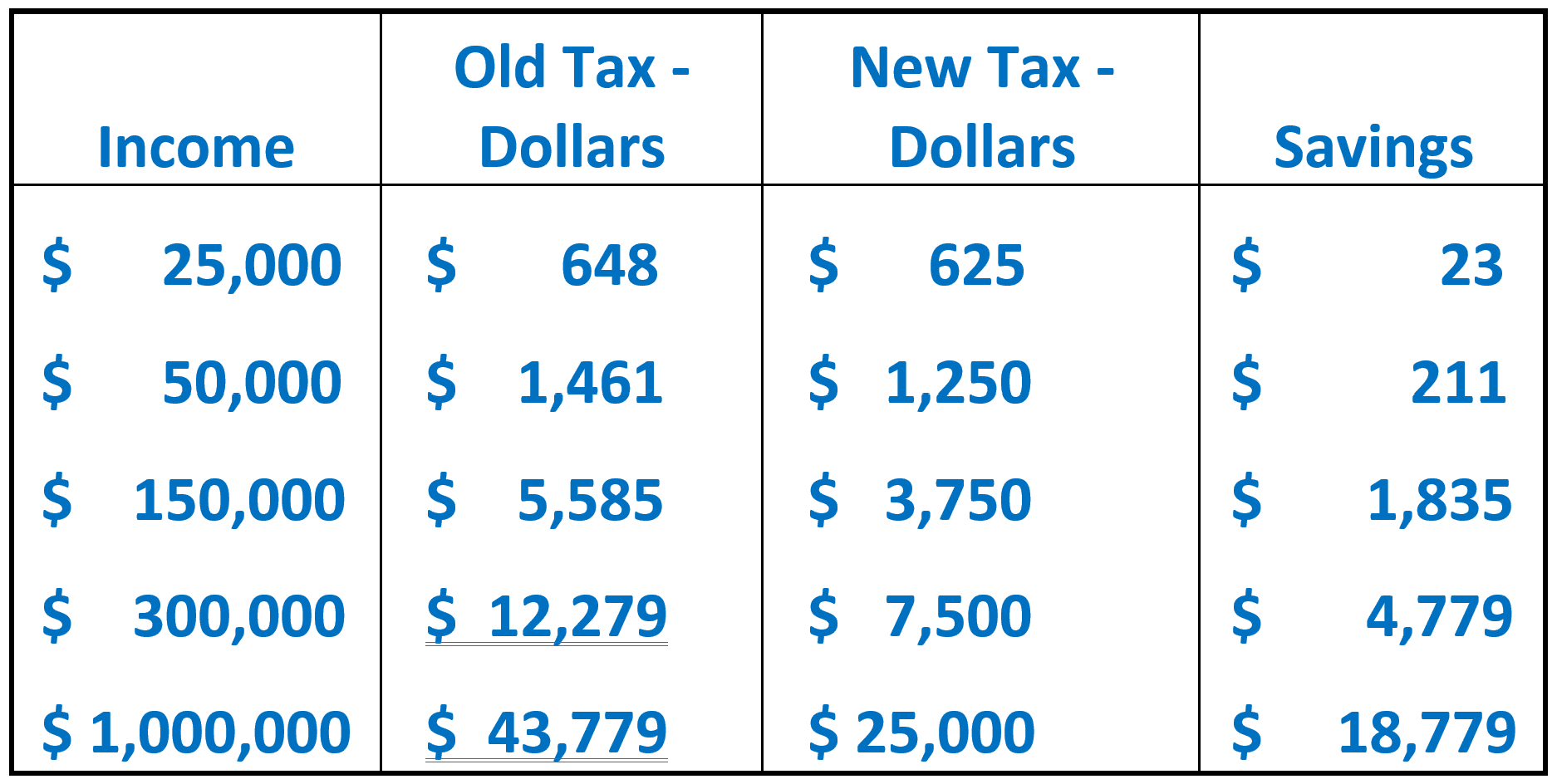
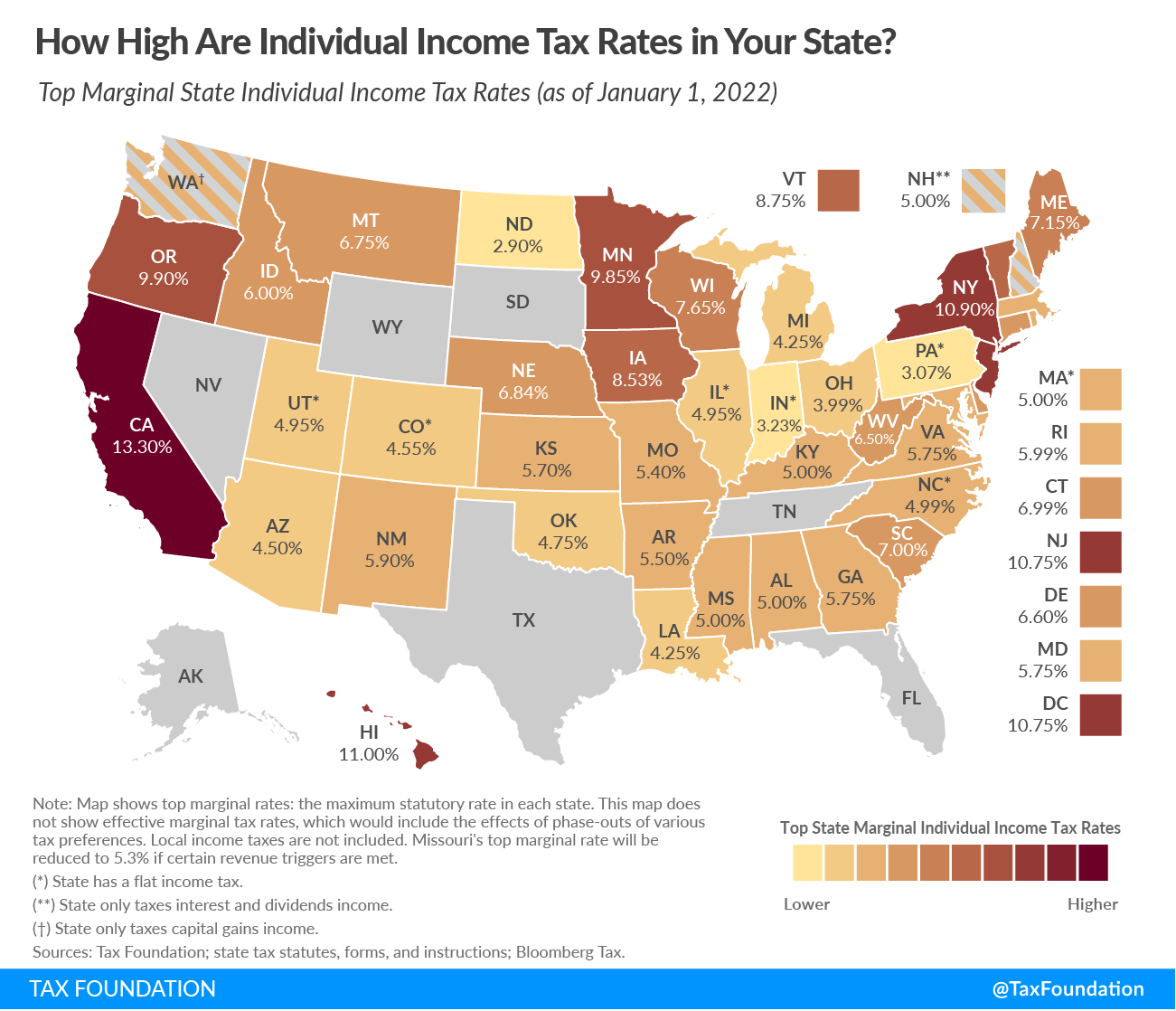
Historically, Arizona featured multiple income tax brackets. However, significant tax reform has simplified this structure. As of recent changes, Arizona is transitioning to a lower, flat income tax rate. For the 2023 tax year, the highest individual income tax rate was 2.5%, with plans to reach a flat rate of 2.5% across all income levels in subsequent years. This move aims to make Arizona more attractive for businesses and individuals, directly impacting the financial lifestyle of its residents.
This relatively low and flattening income tax rate is often a draw for individuals and businesses considering relocation to Arizona. Compared to states with much higher income tax rates, Arizona’s system can result in greater disposable income for residents, influencing their ability to enjoy the state’s diverse lifestyle offerings, from outdoor adventures to urban entertainment. Understanding these rates is crucial for financial planning, especially for those in high-income brackets or individuals considering retirement in the state.
Key Deductions and Credits for Arizona Living
Even with a flatter tax rate, Arizona offers various deductions and credits that can reduce an individual’s taxable income, further enhancing their financial lifestyle. These can include:
- Standard Deduction: Taxpayers can choose between a standard deduction or itemized deductions, depending on which provides a greater tax benefit. The Arizona standard deduction is typically linked to federal amounts, adjusted for state purposes.
- Dependent Exemption: Taxpayers can claim exemptions for themselves and their dependents.
- Credits for Contributions: Arizona is known for its robust tax credit system for contributions to various Qualified Charitable Organizations (QCOs), Foster Care Organizations (FCOs), and School Tuition Organizations (STOs). These credits allow taxpayers to reduce their tax liability dollar-for-dollar by contributing to specific causes, aligning financial choices with personal values and supporting local communities—a unique aspect of the Arizona lifestyle.
- Property Tax Credits: Certain elderly or disabled residents may qualify for property tax credits.
- Military Retirement Pay Exemption: Military retirement pay is generally exempt from Arizona income tax, a significant benefit for veterans considering making Arizona their home.
Understanding and utilizing these deductions and credits is vital for optimizing one’s financial position in Arizona. They represent opportunities to manage your tax burden, free up resources for other lifestyle pursuits, and even support local initiatives, directly impacting the quality of life for residents.
Property Taxes: For the Long-Term Arizona Lifestyle
For individuals envisioning a permanent or long-term lifestyle in Arizona, particularly those considering homeownership, property taxes become a significant and ongoing financial commitment. Unlike income or sales taxes, property taxes are levied by counties, cities, and special taxing districts, and they vary considerably across the state.
How Property Taxes are Assessed
In Arizona, property taxes are based on the “limited property value” (LPV) and “full cash value” (FCV) of a property, as determined by the county assessor. The FCV is the market value, while the LPV is a value capped by statute, designed to limit annual increases in taxable value. Taxes are primarily assessed on the LPV.
Properties are classified based on their use (e.g., residential, commercial, agricultural), and different assessment ratios are applied to these classifications. For residential properties (Class 3), the assessment ratio is 10%. This means only 10% of the property’s LPV is subject to the various tax rates.
Multiple taxing jurisdictions, including the county, municipality, school districts, and special districts (like fire, water, or community colleges), each levy their own specific tax rates. These rates are expressed as dollars per $100 of assessed value. The combined effect of these multiple rates, applied to the assessed value of your property, determines your annual property tax bill. This complex interplay of values, ratios, and rates means that two similar homes in different parts of Arizona, or even within the same county but different school districts, could have vastly different property tax bills.
Understanding the Impact on Homeownership
Property taxes represent a major recurring expense for homeowners in Arizona, directly influencing the long-term affordability of their chosen lifestyle. While Arizona generally boasts lower property taxes compared to many other states, these costs are still a vital component of budgeting for homeownership.
For example, a home in Maricopa County (which includes Phoenix and surrounding areas) might have a different effective tax rate than a similar property in Coconino County (home to Flagstaff). The specific location, and thus the combination of local taxing districts, will significantly impact the annual tax burden. Prospective homebuyers should thoroughly research the property tax history and projected costs for any specific address they are considering.
Beyond the annual bill, property taxes also affect mortgage payments if they are escrowed. Understanding these costs upfront is critical for individuals and families planning to establish a permanent lifestyle in Arizona. It ensures that homeownership remains a sustainable and enjoyable aspect of their financial reality, rather than a hidden burden that strains their budget.
Other Taxes Affecting Your Arizona Lifestyle
Beyond the major categories of sales, income, and property taxes, several other lesser-known but equally important taxes can impact your lifestyle in Arizona. These often pertain to specific activities or necessities, contributing to the overall cost of living and influencing your financial planning.
Vehicle-Related Taxes
For those who live, work, or frequently visit Arizona and own a vehicle, various taxes are unavoidable. The state’s sprawling nature often necessitates personal transportation, making these taxes a recurring part of the Arizona lifestyle.
- Vehicle License Tax (VLT): Instead of an annual ad valorem tax based on the vehicle’s value (as in some states), Arizona levies a VLT at the time of registration. This tax is based on a percentage of the manufacturer’s suggested retail price (MSRP) for the vehicle when new, depreciated over time. For the first year of registration, the VLT is $4.00 per $100 of assessed value (60% of MSRP). In subsequent years, the rate drops to $4.25 per $100 of assessed value (60% of MSRP) and is reduced by 16.25% for each year since the vehicle was first registered. This means newer, more expensive vehicles will incur higher VLTs, while older vehicles will have significantly lower costs.
- Registration Fees: In addition to the VLT, there are standard registration fees, which are relatively modest but contribute to the annual cost of vehicle ownership.
- Emissions Testing Fees: In certain counties, particularly Maricopa and Pima Counties (home to Tucson), vehicles must undergo periodic emissions testing. There’s a fee associated with this mandatory inspection, impacting car owners in these areas.
These costs are a standard part of managing a household budget in Arizona, especially for those relying on personal vehicles for daily commutes, weekend excursions to the Grand Canyon, or cross-state travel.

Fuel Taxes
Every time you fill up your tank in Arizona, you’re contributing to fuel taxes. These taxes are typically included in the pump price and help fund road construction and maintenance across the state.
Arizona’s state fuel tax is currently 18 cents per gallon for gasoline and 26 cents per gallon for diesel. While these rates might seem small on a per-gallon basis, they add up significantly over time, especially for individuals who drive frequently or own vehicles with lower fuel efficiency. For long-distance travelers exploring Arizona’s vast landscapes or for commuters in its major metropolitan areas, fuel taxes represent a consistent, albeit indirect, tax on their lifestyle. Factoring these into your transportation budget is essential for accurate financial planning, whether you’re embarking on an adventure or simply managing daily commutes.
In conclusion, understanding the full spectrum of Arizona’s tax obligations, from general sales tax to specific vehicle and fuel levies, is paramount for anyone engaging with the state. These taxes are not just numbers; they are integral to the financial feasibility of your chosen lifestyle, whether you’re a short-term visitor or a permanent resident. By staying informed, you can make smarter decisions, optimize your budget, and fully embrace all that the Grand Canyon State has to offer.
LifeOutOfTheBox is a participant in the Amazon Services LLC Associates Program, an affiliate advertising program designed to provide a means for sites to earn advertising fees by advertising and linking to Amazon.com. Amazon, the Amazon logo, AmazonSupply, and the AmazonSupply logo are trademarks of Amazon.com, Inc. or its affiliates. As an Amazon Associate we earn affiliate commissions from qualifying purchases.