
The prospect of launching a business in the Golden State, California, is an exciting one, brimming with potential for innovation and growth. However, before entrepreneurs can fully immerse themselves in their ventures, understanding the financial implications of legal requirements is paramount. Among these, the business license stands out as a foundational step. While often perceived as a single, fixed cost, the reality of business license fees in California is far more nuanced, influenced by a constellation of factors ranging from the specific city or county of operation to the nature of the business itself. This exploration aims to demystify these costs, providing a comprehensive overview for aspiring and established business owners alike.
Understanding the California Business License Landscape
At its core, a business license is a permit issued by a government agency, authorizing an individual or entity to conduct business within a specific jurisdiction. In California, this licensing framework operates on multiple levels, typically involving state, county, and city requirements. This multi-tiered approach means that a business might need to secure licenses and permits from several governmental bodies, each with its own fee structure.
State-Level Requirements
While California does not have a universal statewide business license that every business must obtain, several specific industries and activities are regulated at the state level and require specific licenses or permits. These are often tied to public health, safety, environmental protection, or professional standards.
- Professional and Occupational Licenses: Many professions in California require a state-issued license to practice. Examples include doctors, lawyers, contractors, real estate agents, cosmetologists, and many more. The fees for these licenses vary widely depending on the profession and the issuing board. For instance, a license from the Medical Board of California will have different associated costs than a license from the Contractors State License Board.
- Industry-Specific Permits: Businesses operating in regulated industries, such as food service, alcohol sales, or environmental services, will likely need permits from state agencies like the California Department of Public Health or the California Department of Alcoholic Beverage Control. These permits are crucial for ensuring compliance with health, safety, and environmental regulations. The cost of these permits can range from nominal to several thousand dollars, depending on the complexity of the operation and the oversight required.
- Seller’s Permits: If your business sells tangible goods in California, you will need a seller’s permit from the California Department of Tax and Fee Administration (CDTFA). This permit allows you to collect sales tax from your customers and remit it to the state. Importantly, obtaining a seller’s permit is generally free of charge, though there may be a security deposit requirement in some cases.
County and City Business Licenses
The most common type of business license encountered by the majority of businesses in California is the one issued by the local city or county government where the business is physically located. These licenses are primarily for revenue generation and to track businesses operating within the jurisdiction.
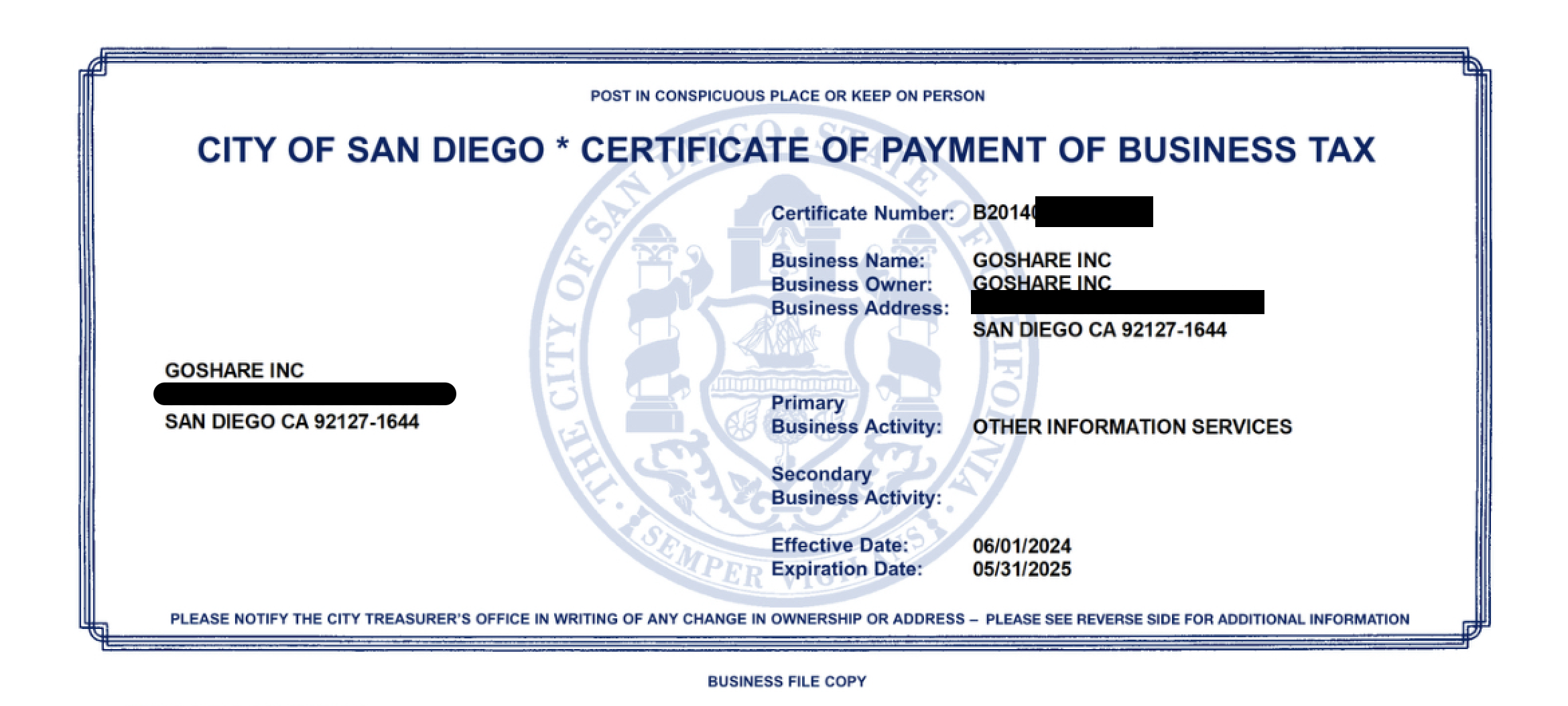
- City Business Licenses: If your business operates within the incorporated limits of a city, you will almost certainly need a business license from that city. The fee structure for city business licenses varies significantly from one municipality to another. Some cities employ a flat annual fee, while others use a tiered system based on factors like gross receipts, number of employees, or the type of business activity. For example, a small home-based consulting business in one city might pay a few hundred dollars annually, while a retail store in another city with higher gross receipts could face fees in the thousands. Cities like Los Angeles, San Diego, and San Francisco each have their own unique fee schedules and application processes.
- County Business Licenses: If your business is located in an unincorporated area of a county, or if the county requires a business license in addition to a city license (which is less common but possible in some areas), you will need to obtain one from the county government. Similar to city licenses, county fees can be flat rates or based on business activity. It’s essential to check with the county clerk or finance department where your business will be situated.
Factors Influencing Business License Costs
The total cost of obtaining and maintaining business licenses in California is not a static figure. Several critical factors contribute to the final price tag:
- Location, Location, Location: As highlighted, the specific city and county of operation are the most significant drivers of cost. Densely populated urban centers with higher operational costs often impose higher business license fees compared to smaller towns or rural areas.
- Type of Business Activity: The nature of your business can influence licensing requirements and costs. Businesses deemed to pose higher risks to public health or safety (e.g., restaurants, childcare facilities, construction) may require more extensive permits and inspections, which come with associated fees. Conversely, low-risk service businesses might have simpler and less expensive licensing needs.
- Gross Receipts/Revenue: Many cities and some counties base their business license fees, in whole or in part, on the business’s annual gross receipts. Businesses with higher revenue generally pay higher license fees. This approach helps to scale the cost with the business’s economic impact within the jurisdiction.
- Number of Employees: In some jurisdictions, the number of employees a business has can also be a factor in calculating the business license fee. This is less common than revenue-based calculations but is still a possibility.
- Zoning and Land Use Permits: Beyond a general business license, specific zoning or land use permits might be required, especially for businesses operating out of a physical location, such as retail stores, offices, or manufacturing facilities. These permits ensure that the business’s operations comply with local land use regulations and can involve separate application and review fees.
- Specialized Permits and Inspections: Depending on the industry, additional permits might be necessary. For example, a restaurant will need health permits and food handling certifications, while a construction company will need building permits for projects. These often involve inspection fees and can add substantially to the overall licensing costs.
Navigating the Application Process and Associated Fees
The process of obtaining a business license in California typically involves submitting an application to the relevant governmental body. This application will require detailed information about your business, including its name, address, structure (sole proprietorship, LLC, corporation), estimated revenue, and nature of services or products offered.

Typical Application Steps and Fees
- Research Local Requirements: The first and most crucial step is to identify all the licenses and permits required by the state, county, and city where your business will operate. Websites of the California Secretary of State, your county clerk, and your city’s finance or business licensing department are excellent starting points.
- Complete Application Forms: Download and meticulously complete the necessary application forms. Inaccuracies or omissions can lead to delays or rejections.
- Pay Application/License Fees: At the time of submission, you will typically be required to pay the associated fees. These can be flat fees, or they may be estimated based on projected revenue or other metrics.
- Undergo Inspections (if applicable): For certain business types, physical inspections by city or county officials (e.g., building, fire, health departments) may be required before a license is granted. These inspections might incur separate fees.
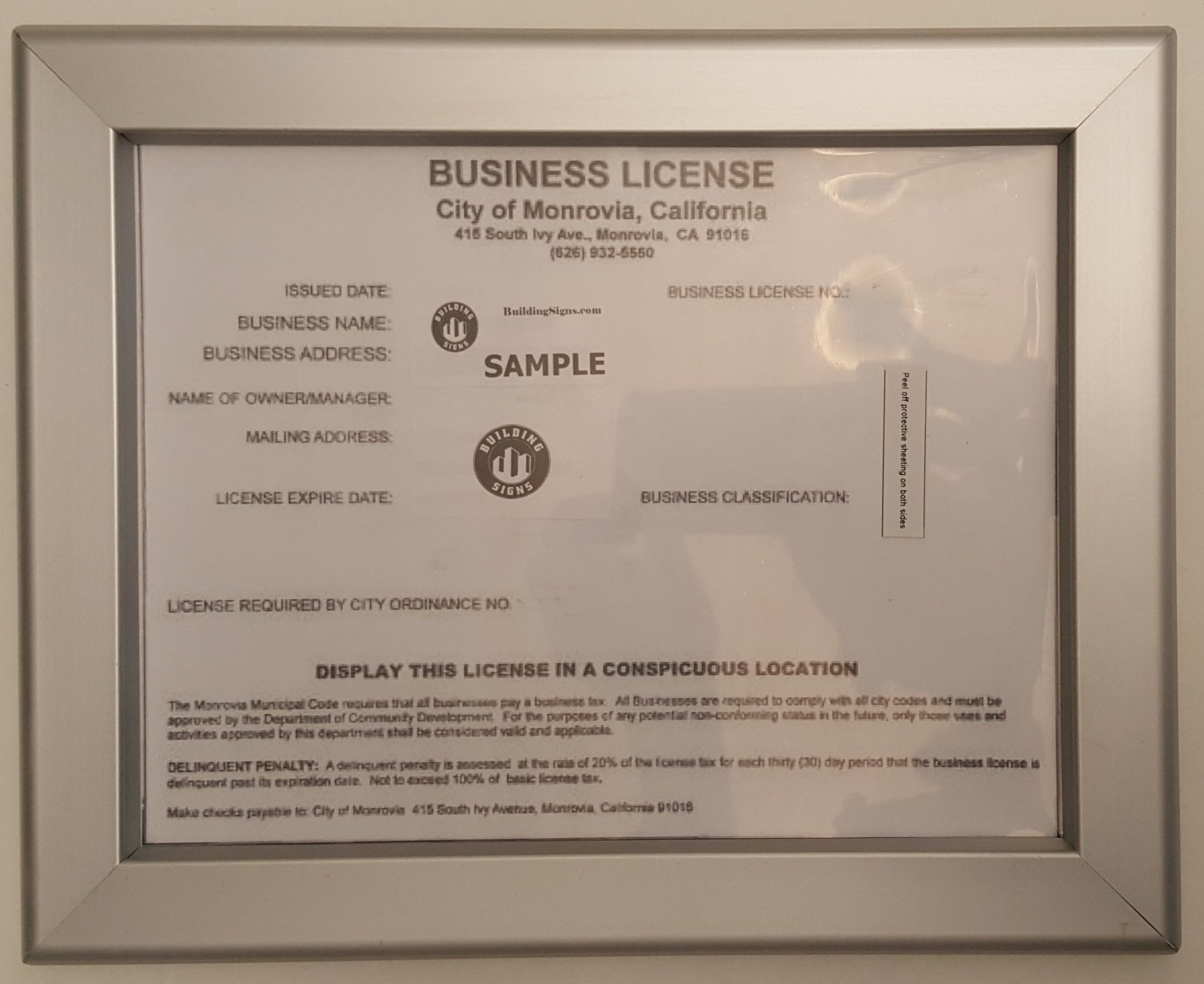
- Receive Your License: Once all requirements are met and fees are paid, you will receive your official business license. This document should be prominently displayed at your business location as required by law.
Estimated Cost Ranges
It’s challenging to provide an exact figure for business license costs in California due to the vast number of jurisdictions and business types. However, a general estimation can be offered:
- Small Home-Based Businesses: A simple, low-revenue home-based service business might expect to pay anywhere from $50 to $300 annually for a city or county business license.
- Small to Medium-Sized Retail/Office Businesses: These might range from $200 to $1,000 or more annually, depending heavily on gross receipts and the specific city’s fee structure.
- Larger Businesses or Those with Significant Revenue: Businesses with substantial gross receipts could see annual license fees ranging from $1,000 to $5,000 or even higher, particularly in major metropolitan areas like Los Angeles or San Francisco.
- Industry-Specific Licenses/Permits: These costs are highly variable. A professional license might cost a few hundred dollars to obtain and renew. Permits for regulated industries, like alcohol sales, could run into thousands of dollars initially, with annual renewal fees on top of that.
Important Note: These are estimates. Always verify the exact fees with the specific city and county government where you plan to operate. Some jurisdictions may also have one-time application or processing fees in addition to the annual license fee.
Renewal, Compliance, and Avoiding Penalties
Business licenses are not a one-time purchase; they are typically issued for a specific period, often one year, and require annual renewal. Staying compliant with these requirements is crucial to avoid significant penalties.
Renewal Process and Fees
- Renewal Notices: Most jurisdictions will send out renewal notices well in advance of the expiration date. However, it is the business owner’s responsibility to ensure timely renewal, even if a notice is missed.
- Renewal Fees: Renewal fees are often similar to the initial license fees, though they may be adjusted based on updated revenue figures or changes in local ordinances. Some cities might offer slight discounts for early renewal or charge late fees.
- Updating Information: During the renewal process, you will likely need to update any changes to your business information, such as address, ownership, or business activity.
Consequences of Non-Compliance
Operating a business without a valid license is a serious offense with potentially severe consequences:
- Fines: Jurisdictions typically impose substantial fines for operating without a license or for failing to renew on time. These fines can be daily, weekly, or a fixed amount, and can quickly accumulate.
- Business Closure: Authorities have the power to shut down a business that is operating illegally. This can lead to significant financial losses, damage to reputation, and disruption of operations.
- Legal Action: In some cases, non-compliance can lead to civil or even criminal charges, depending on the severity and duration of the violation.
- Difficulty Obtaining Future Licenses: A history of non-compliance can make it difficult or impossible to obtain business licenses in the future, not just in the current jurisdiction but potentially elsewhere as well.
Tips for Maintaining Compliance
- Stay Organized: Keep meticulous records of all license applications, renewal dates, and payments. Use a calendar or digital reminder system.
- Budget Accordingly: Factor business license fees into your annual operating budget, including potential increases.
- Understand Your Obligations: Regularly review local ordinances and state regulations that might affect your business licensing requirements.
- Seek Professional Advice: If you are unsure about your licensing obligations, consult with a business attorney or a certified public accountant (CPA) who specializes in California business law.
In conclusion, the cost of a business license in California is not a simple question with a single answer. It is a dynamic figure shaped by local regulations, business type, and financial scale. By diligently researching requirements, understanding the factors that influence fees, and maintaining a commitment to ongoing compliance, entrepreneurs can navigate this essential aspect of business establishment smoothly, paving the way for a successful venture in the Golden State.
LifeOutOfTheBox is a participant in the Amazon Services LLC Associates Program, an affiliate advertising program designed to provide a means for sites to earn advertising fees by advertising and linking to Amazon.com. Amazon, the Amazon logo, AmazonSupply, and the AmazonSupply logo are trademarks of Amazon.com, Inc. or its affiliates. As an Amazon Associate we earn affiliate commissions from qualifying purchases.