
Navigating the vast and diverse landscapes of California often involves the open road, whether you’re embarking on an epic Pacific Coast Highway road trip, exploring the bustling cities of Los Angeles or San Francisco, or venturing into the serene wilderness of Yosemite National Park. For many travelers and new residents, obtaining a California driver’s license is a crucial step towards unrestricted mobility and a deeper immersion into the Golden State‘s unique experiences. Beyond its utility as a permit to drive, it also serves as a primary form of identification, essential for various aspects of travel and daily life. Understanding the costs associated with a California driver’s license is therefore fundamental for effective trip planning and budgeting, ensuring a smooth and hassle-free journey across one of the most popular travel destinations in the world.
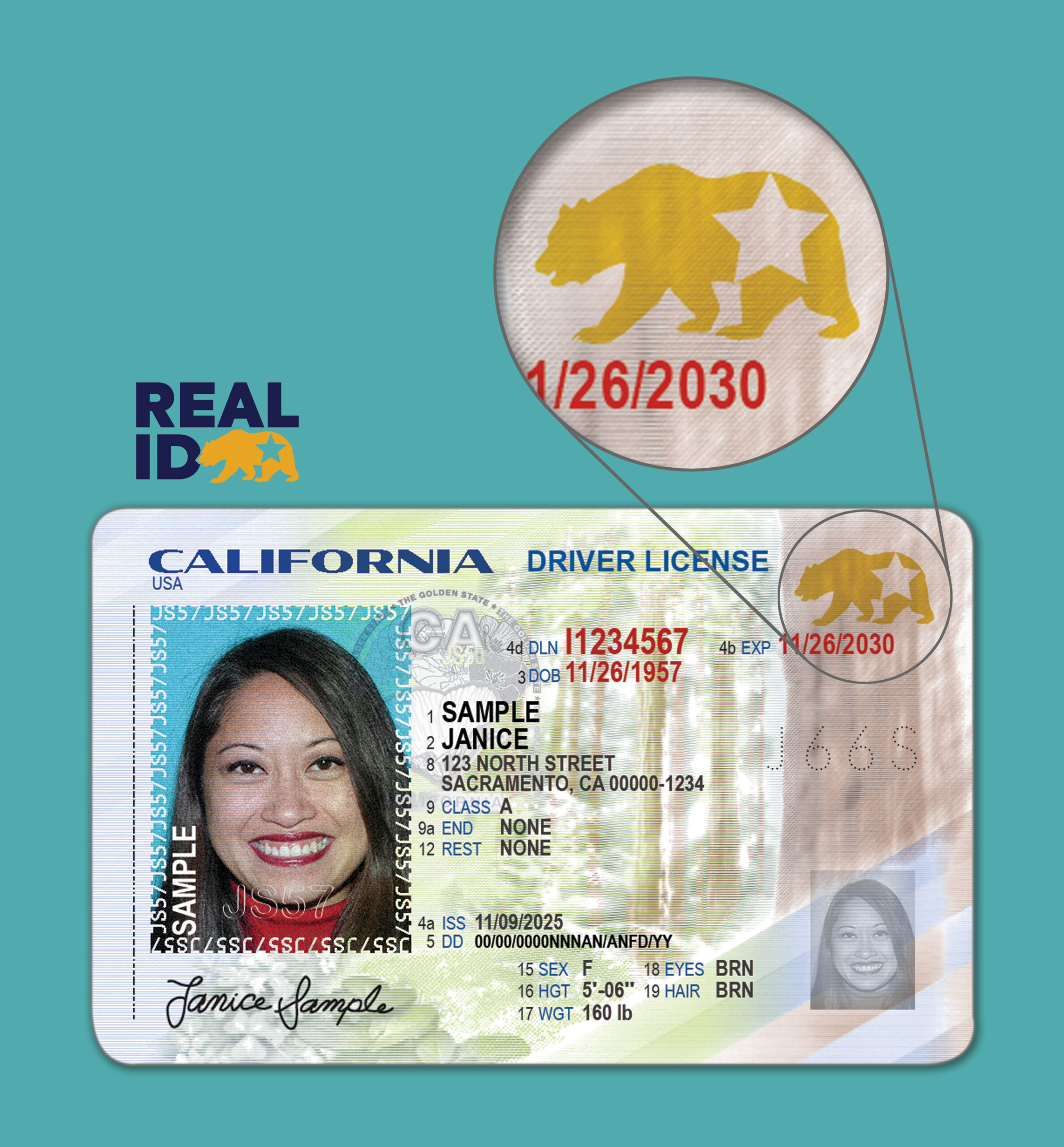
Understanding the Cost of a California Driver’s License
The financial outlay for a California driver’s license is relatively modest when viewed against the backdrop of travel expenses, yet it’s an important line item in any comprehensive budget for a California adventure or relocation. The Department of Motor Vehicles (DMV) sets the standard fees, which are subject to change, so always check the official DMV website for the most current information. These fees cover the administrative costs associated with processing applications, conducting tests, and issuing the physical license.
Initial Application Fees for New Drivers
For first-time applicants seeking an original Class C driver’s license (the standard license for non-commercial vehicles), the fee typically hovers around $39. This single payment covers the application process, which includes the written knowledge test, the vision test, and up to three attempts at the behind-the-wheel driving test. It’s a one-time charge designed to streamline the initial issuance, allowing individuals to progress through the necessary steps without incurring additional fees for each test attempt, provided they complete them within the specified timeframe and before the permit expires. This fee is non-refundable, even if an applicant fails to meet the requirements or decides not to proceed. For travelers planning an extended stay or potential residency, this initial investment is a gateway to independent exploration of California’s diverse regions.
Renewal Costs and Procedures
Once you’ve secured your California driver’s license, it typically remains valid for five years. Renewing your license is a simpler and often less expensive process than the initial application. The renewal fee generally ranges from $39 for a standard Class C license. California offers several convenient renewal options, including online, by mail, or in person at a DMV office, depending on your eligibility. Many travelers who establish residency in California find these flexible renewal options beneficial, especially if they are frequently on the move or temporarily out of the state. Keeping a driver’s license current is crucial not only for legal driving but also for its use as a valid form of identification during travel within the U.S.
Fees for Duplicates and Name Changes
Life on the road can sometimes lead to lost or damaged documents. If your California driver’s license is lost, stolen, or damaged, you will need to apply for a duplicate. The fee for a duplicate license is typically around $35. Similarly, if you undergo a legal name change, you’ll need to update your license, which usually incurs a similar fee. While these aren’t recurring costs, they are important to be aware of, especially for long-term travelers or those who might be moving between states or internationally and require a current, accurate form of identification. Including a small buffer in your travel emergency fund for such unforeseen circumstances can save considerable stress during your California adventures.
Non-Resident Considerations
For international visitors or those from other U.S. states planning a short trip to California, a driver’s license from your home country or state is usually sufficient, provided it is valid. There’s typically no requirement to obtain a California driver’s license for short-term tourism. However, if you establish residency in California (e.g., move here, accept employment, or enroll in college), you are generally required to obtain a California driver’s license within 10 days of becoming a resident. Understanding this distinction is vital for long-term travel plans or relocation, as the fees and process then become directly applicable to your situation.
Eligibility and Documentation: Beyond Just the Fee
While understanding the cost is critical, the process of obtaining a California driver’s license involves more than just paying a fee. It requires meeting specific eligibility criteria and presenting an array of documents, aspects that travelers and new residents must meticulously plan for. This ensures that you not only budget for the cost but also allocate sufficient time and effort to gather the necessary paperwork, which can be particularly challenging for those unfamiliar with U.S. regulations or coming from international destinations.
Who Needs a California Driver’s License? (Residents vs. Tourists)
The distinction between a “resident” and a “visitor” is key. If you are merely visiting California for a vacation or short trip, your valid driver’s license from your home state or country is generally accepted for driving within California. International visitors might also benefit from an International Driving Permit (IDP) in conjunction with their national license, as it translates their license into multiple languages, easing communication with law enforcement, though it is not a standalone valid license. However, if your intent is to live, work, or attend school in California, you are considered a resident and must obtain a California driver’s license within 10 days. This applies whether you are moving from another U.S. state or from abroad, making it a pivotal planning point for anyone considering a longer stay or permanent move to the Golden State.
Required Documents for Application
The California DMV has stringent requirements for documentation to prove identity, residency, and legal presence. For most applicants, this includes:
- Proof of Identity: A U.S. birth certificate, passport, or permanent resident card. For international travelers establishing residency, specific visa documents combined with a foreign passport are often required.
- Proof of Residency: Two documents showing your California address, such as utility bills, rental agreements, or bank statements. This is often a critical hurdle for new arrivals or digital nomads.
- Proof of Social Security Number (SSN): Your Social Security card or a document containing your SSN. Non-U.S. citizens may have specific exemptions or alternatives.
- Proof of Legal Presence: For non-U.S. citizens, this involves showing a valid visa and I-94 record, demonstrating lawful presence in the U.S.
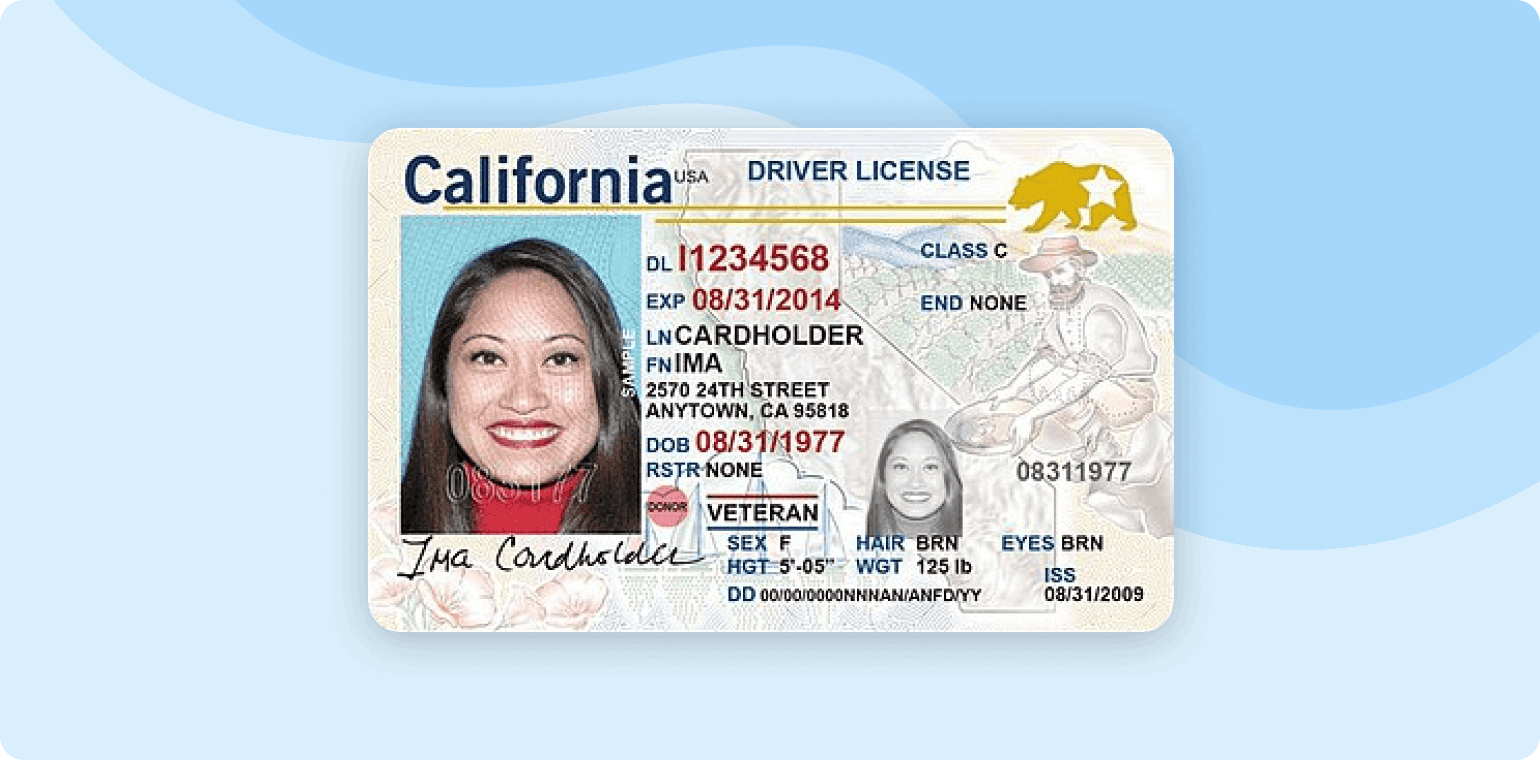
For travelers, preparing these documents well in advance is paramount. The absence of just one required document can lead to significant delays, impacting travel itineraries or the ability to legally operate a vehicle for exploring California’s many attractions.
The Application Process: Steps to Success
Obtaining a California driver’s license is a structured process designed to ensure all drivers are qualified and legally present.
- Complete the Application Form: Fill out the driver’s license application form (DL 44) available online or at a DMV office.
- Schedule an Appointment: While walk-ins are sometimes accommodated, scheduling an appointment online is highly recommended to minimize wait times at busy DMV offices, particularly in major cities like Los Angeles and San Francisco.
- Visit the DMV: Present your required documents, have your thumbprint scanned, and a photograph taken. This is also where you pay the application fee.
- Pass the Vision Exam: A quick test to ensure your eyesight meets the state’s minimum standards for driving.
- Pass the Knowledge Test: A multiple-choice test based on the California Driver Handbook. Ample study time is advised.
- Obtain a Provisional Permit (if applicable): If you pass the knowledge test, you receive a provisional permit, allowing you to practice driving with a licensed adult.
- Pass the Behind-the-Wheel Driving Test: Schedule and pass a practical driving test with a DMV examiner. This is the final step to earning your license.
Each step is a checkpoint that ensures safety and compliance, crucial for the millions of travelers and residents sharing California’s roads.
Strategic Travel Planning: Incorporating Driver’s License Costs
The decision to obtain a California driver’s license has direct implications for travel planning, particularly regarding budget, logistics, and the overall experience of exploring the Golden State. Integrating this cost and process into your travel strategy ensures a smoother, more enjoyable, and compliant journey.
Budgeting for Your California Road Trip
For travelers envisioning an extensive California road trip, factoring in the driver’s license fee, even if it’s for a duplicate or renewal during your stay, is a small but necessary detail. When planning for a multi-week or multi-month exploration, the freedom a personal vehicle offers — whether rented or owned — is unparalleled. Consider the total cost of your trip: flights, accommodation, food, attractions, and car rental. The driver’s license fee, though minor, is a foundational element that enables much of this independent travel. Compare it to the potential costs of relying solely on public transport or ride-sharing services, especially when venturing to destinations like Death Valley or Big Sur, where options are limited.
Long-Term Stays and Relocation Logistics
For individuals or families planning an extended stay in California, whether for work, study, or an extended sabbatical, obtaining a California driver’s license is more than just a convenience; it’s often a legal requirement. The cost becomes part of the relocation budget, alongside housing, utilities, and other initial setup expenses. Beyond its driving function, a California driver’s license serves as a primary form of identification, simplifying tasks such as opening bank accounts, signing leases, or even accessing age-restricted venues – crucial for integrating into local life. Planning for the time required to complete the DMV process, which can take several weeks from application to receiving the physical card, is also vital to avoid any interruptions to your mobility or daily life.
Rental Car Implications
Even if you plan to visit for a shorter period and rent a car, understanding the nuances of California driving requirements is essential. Rental car agencies will require a valid driver’s license, and while an out-of-state or foreign license is generally accepted for short-term rentals, ensuring its validity and having an IDP (for international visitors) can prevent complications. The cost of a California driver’s license becomes relevant if your stay shifts from short-term tourism to long-term residency, at which point your ability to legally rent and drive a vehicle will depend on obtaining a local license. Always verify rental company policies regarding international or out-of-state licenses to ensure a seamless car rental experience for your California adventure.
Value Proposition: The Freedom and Benefits it Unlocks
Beyond the quantifiable costs, a California driver’s license offers immense value in terms of freedom, flexibility, and enhanced travel experiences. It’s an investment in independence and the ability to fully immerse oneself in what California has to offer.
Exploring California’s Iconic Destinations
With a valid California driver’s license, the state truly opens up. Imagine spontaneous detours along the Pacific Coast Highway, exploring hidden beaches and charming coastal towns at your own pace. Or venturing into the vast deserts around Palm Springs and Death Valley, where public transport is minimal. The freedom to drive allows you to create personalized itineraries, spend extra time at a breathtaking vista in Big Sur, or discover off-the-beaten-path culinary gems that are inaccessible without a car. This unparalleled flexibility transforms a standard tour into a deeply personal exploration, making the driver’s license a key to unlocking authentic California experiences.
Practical Identification for Travelers
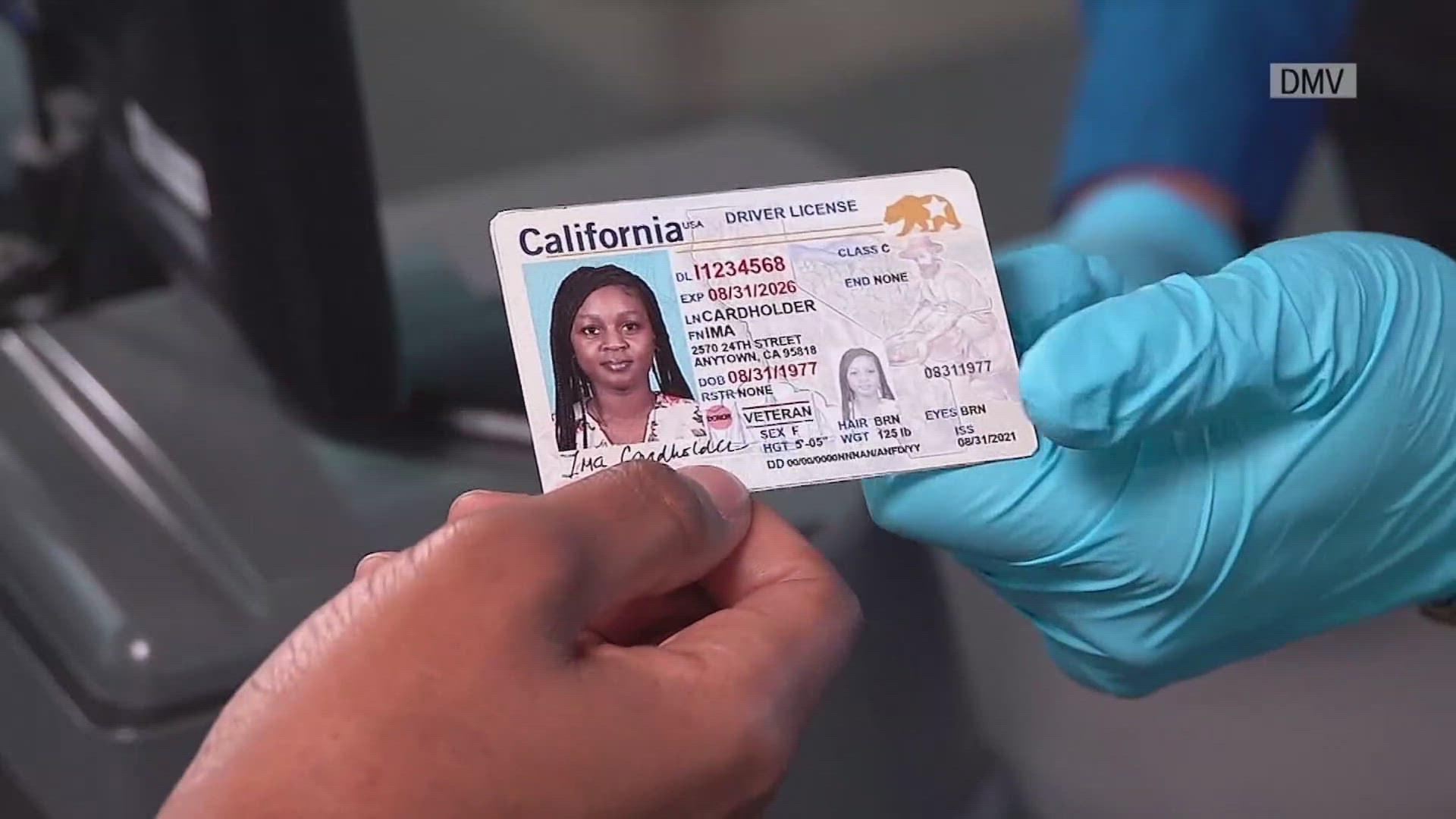
While its primary function is to permit driving, a California driver’s license serves as a widely accepted form of identification throughout the U.S. For travelers, this means less reliance on passports (which are generally safer stored securely) for everyday activities like checking into hotels, making domestic flights, or verifying age for purchases. It provides convenience and peace of mind, streamlining various interactions during your travels across California and beyond. The modest cost for obtaining or maintaining this essential document is a small price for the vast freedom and security it offers to any traveler looking to experience the Golden State to its fullest.
LifeOutOfTheBox is a participant in the Amazon Services LLC Associates Program, an affiliate advertising program designed to provide a means for sites to earn advertising fees by advertising and linking to Amazon.com. Amazon, the Amazon logo, AmazonSupply, and the AmazonSupply logo are trademarks of Amazon.com, Inc. or its affiliates. As an Amazon Associate we earn affiliate commissions from qualifying purchases.