
For anyone planning to explore the vast and diverse landscapes of California, understanding the cost of gasoline is not merely a detail; it’s a critical component of trip budgeting and overall travel planning. The Golden State, renowned for its scenic drives, iconic cities, and breathtaking national parks, also carries a reputation for having some of the highest fuel prices in the United States. A significant portion of these elevated costs can be attributed directly to the various taxes and fees levied on gasoline. For the intrepid road tripper, the casual tourist, or the business traveler navigating the state’s extensive highway system, deciphering the complexities of California’s gasoline tax structure is essential for an informed and well-managed journey. This article delves into the specific components that make up the state’s gasoline tax, provides insights into how these taxes impact travel budgets, and offers practical advice for managing fuel expenses while traversing the stunning Californian terrain. From the moment you fill up your tank in Los Angeles to cruising through the coastal roads near San Francisco, every mile driven is influenced by a unique blend of state and federal levies designed for infrastructure, environmental protection, and more.
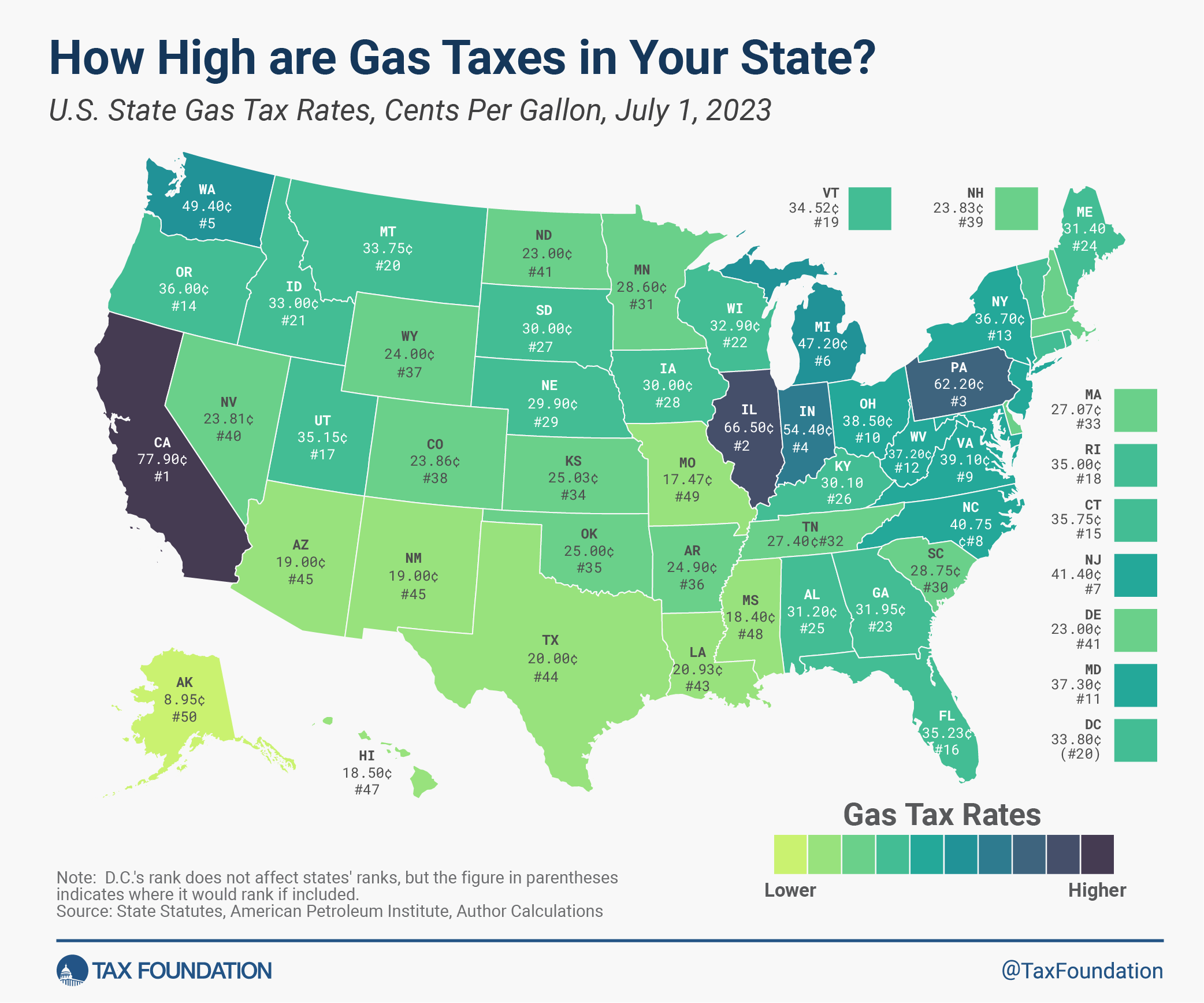
Understanding California’s Fuel Price Landscape
California’s fuel prices consistently rank among the highest nationally, a phenomenon that often surprises first-time visitors and can strain even well-planned travel budgets. This isn’t solely due to the state’s geographic location or demand; rather, it’s a confluence of factors, with taxes playing a significant role. To grasp “how much” you’re paying in gasoline tax, it’s crucial to first understand the broader picture of what constitutes the price at the pump.
The Golden State’s Unique Fuel Costs
Several elements contribute to California’s premium fuel prices beyond taxes. The state mandates a unique blend of gasoline during warmer months to reduce smog, which is more expensive to produce than standard gasoline. Furthermore, California’s relatively isolated refining market, coupled with strict environmental regulations, can lead to supply constraints and higher operational costs for refiners. Natural disasters or refinery outages within the state can disproportionately impact prices, as sourcing alternative, compliant fuel from outside the state is often challenging and costly. These factors, while not taxes themselves, exacerbate the base price upon which taxes are then applied, leading to a higher final cost for consumers.
Primary Components of Gasoline Prices
Before diving into the specific taxes, it’s helpful to see the overall breakdown of what makes up a gallon of gasoline’s price:
- Crude Oil Costs: This is the largest component, typically accounting for about 50-60% of the price. It’s dictated by global supply and demand, geopolitical events, and OPEC decisions.
- Refining Costs and Profits: The cost to convert crude oil into gasoline, including operational expenses, labor, and profit margins for refiners. California’s unique blend requirements often mean higher refining costs here.
- Marketing and Distribution: Costs associated with transporting gasoline from refineries to terminals and then to retail stations, including storage, freight, and the gas station owner’s profit margin.
- Taxes: This is the segment where California significantly diverges from other states, adding a substantial layer of cost to every gallon sold.
Understanding these components provides context for why the tax burden in California translates into such a significant portion of the total price at the pump.
Deconstructing California’s Gasoline Tax Components
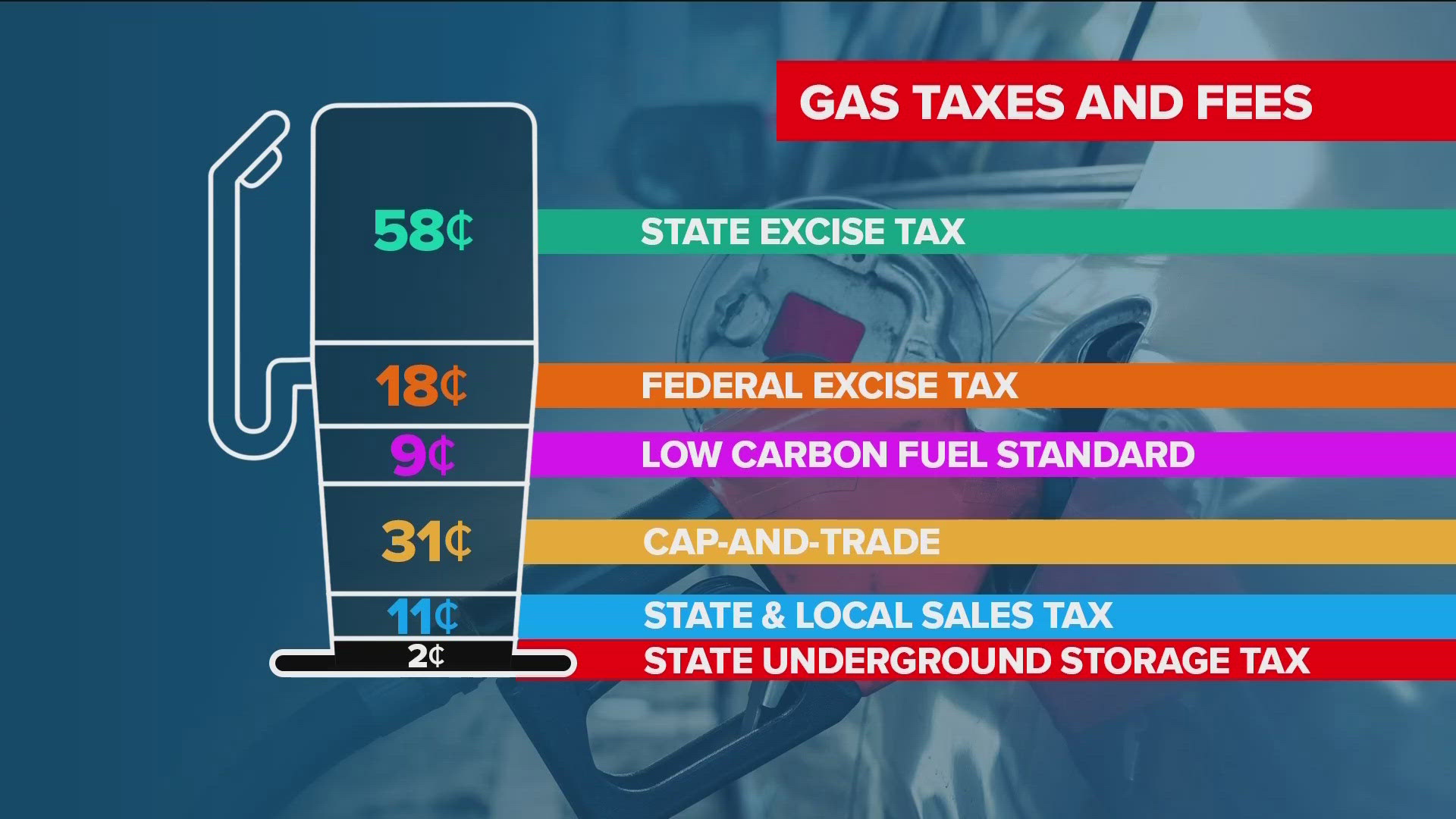
The question “How much is California gasoline tax?” doesn’t have a single, simple answer because it comprises several distinct taxes and fees. These layers combine to create the state’s unique and often higher fuel prices.
State Excise Tax
The foundational element of California’s gasoline tax is the state excise tax. This per-gallon fee is specifically earmarked for the maintenance and improvement of the state’s transportation infrastructure.
- History and Purpose: The excise tax has been a long-standing mechanism for funding roads, bridges, and public transit projects. It ensures that those who use the roads contribute directly to their upkeep. Over the years, as infrastructure needs have grown and construction costs have risen, the tax rate has been adjusted.
- Current Rate and Adjustments: As of recent updates, California’s state excise tax on gasoline is one of the highest in the nation. This rate is not static; it is subject to annual adjustments based on inflation as mandated by Senate Bill 1 (SB1), also known as the Road Repair and Accountability Act of 2017. This annual adjustment, typically occurring on July 1st, means the exact figure can fluctuate year by year, ensuring that funding keeps pace with rising costs for road repairs and construction. Travelers should always check the most current rate before planning their detailed budget.
Sales Tax (Local & State)
Unlike many states that exempt gasoline from sales tax, California applies its sales tax to the total price of gasoline, including the excise tax. This “tax on a tax” further inflates the cost at the pump.
- How it applies to fuel: The statewide sales tax rate generally hovers around 7.25%, but local jurisdictions can add their own district sales taxes, pushing the combined rate much higher in certain areas. This means that the sales tax applied to gasoline will vary depending on where you fill up your tank within California, potentially reaching over 10% in some cities.
- Impact on the total price: Because sales tax is applied to the final price (which already includes the excise tax), it significantly contributes to the overall cost. For example, if gasoline costs $5.00 per gallon before sales tax, and the sales tax rate is 9%, an additional $0.45 per gallon is added. This seemingly small percentage can add up quickly over a long road trip.
Cap-and-Trade Program Fees
California’s ambitious environmental goals also translate into additional costs at the pump through its Cap-and-Trade program.
- Environmental Initiative: This program is a cornerstone of the state’s efforts to reduce greenhouse gas emissions. It sets a cap on the total amount of certain greenhouse gases that can be emitted and allows businesses to buy and sell emission allowances. Fuel distributors must purchase these allowances for the gasoline they sell.
- Cost passed to consumers: The cost of these allowances is typically passed down to consumers through higher fuel prices. While not a direct tax per se, it functions as an additional fee embedded in the price of gasoline, adding several cents per gallon and fluctuating based on the market price of emission allowances.
Low Carbon Fuel Standard (LCFS)
Another significant environmental initiative that impacts fuel prices is the Low Carbon Fuel Standard (LCFS).
- Goal and mechanism: The LCFS program aims to reduce the carbon intensity of transportation fuels in California by encouraging the development and use of cleaner, lower-carbon fuels. Fuel providers must meet specific carbon intensity targets; if they exceed these targets, they must purchase credits from providers who have achieved lower-carbon intensity fuels.
- Contribution to pump price: Similar to Cap-and-Trade, the costs associated with complying with the LCFS (either through investing in lower-carbon fuels or purchasing credits) are ultimately factored into the price consumers pay at the pump, adding another layer to California’s elevated fuel costs.
When combined, these various taxes and fees can add well over a dollar per gallon to the base price of gasoline in California, making it crucial for travelers to factor these costs into their journey.
The Traveler’s Perspective: Budgeting for California Road Trips
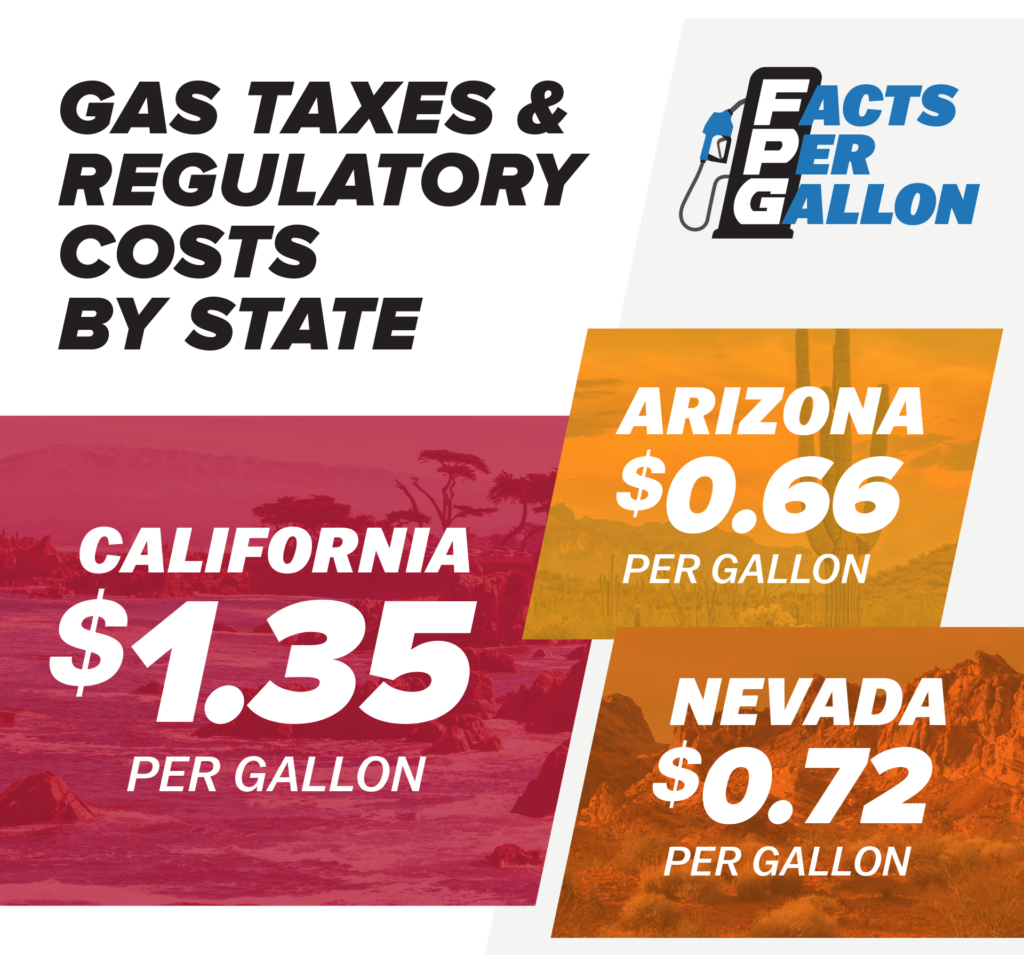
For those embarking on a journey through California, understanding the nuances of gasoline tax isn’t just academic; it’s a practical necessity for budget management. The state’s extensive road network and diverse attractions often mean significant driving, and fuel costs can quickly become a major expense.
Budgeting for Your California Road Trip
A successful California road trip hinges on meticulous planning, especially when it comes to anticipating fuel costs.
- Estimating Fuel Costs: To accurately estimate, consider your vehicle’s average miles per gallon (MPG), the total estimated mileage for your trip, and the average price of gasoline in California (which can be significantly higher than the national average). Remember to account for the cumulative effect of the state excise tax, sales tax, and environmental fees. A simple calculation: (Total Miles / MPG) * Avg. Price Per Gallon = Estimated Fuel Cost. Add a buffer of 10-15% for unforeseen detours or price fluctuations.
- Comparison with other states: When entering California from a neighboring state like Nevada or Arizona, you will likely notice an immediate jump in gasoline prices. Filling up your tank completely before crossing the state line can offer some initial savings, especially on longer trips. This comparison underscores the unique tax burden within the Golden State.
Navigating Fuel Costs Across the Golden State
Beyond understanding the tax structure, savvy travelers can employ practical strategies to mitigate the impact of California’s high fuel prices on their travel budget.
Strategies for Saving on Gas in California
- Fuel-efficient driving: Simple habits like maintaining a steady speed, avoiding rapid acceleration and hard braking, and using cruise control on highways can significantly improve your vehicle’s fuel economy. Ensuring proper tire inflation also plays a role.
- Using gas price apps: Applications like GasBuddy or AAA Gas Prices can be invaluable tools. These apps allow you to compare real-time gasoline prices at stations near your current location or along your planned route, helping you find the cheapest options and avoid paying premium prices.
- Planning routes: Optimize your routes to minimize unnecessary detours and maximize highway driving, which is generally more fuel-efficient than stop-and-go city traffic. Consider combining errands or attractions that are geographically close to each other.
- Choosing rental cars wisely: If renting a car, opt for models known for their fuel efficiency, especially if you anticipate covering long distances. Hybrid or compact models can offer substantial savings over larger SUVs or trucks.
Regional Price Variations within California
Gasoline prices are not uniform across California; they can vary considerably depending on the region.
- Major Metropolitan Areas: Cities like Los Angeles and San Francisco typically have higher average prices due to higher operating costs for stations, increased local demand, and sometimes additional local sales taxes or environmental fees. Tourists exploring urban centers should be prepared for these elevated costs.
- Remote Areas vs. Urban Centers: Interestingly, while urban centers often have higher baseline prices, very remote or rural areas (especially those with limited competition) can also see elevated prices due to higher transportation costs for fuel. Conversely, competitive areas with multiple gas stations, even in relatively populated regions, might offer slightly better deals. Always check prices before embarking on a long stretch through sparsely populated regions.
Beyond the Pump: The Purpose of California’s Fuel Revenue
While the high gasoline taxes in California can be a point of frustration for travelers, it’s important to understand where these funds are allocated. The revenue generated from these taxes and fees serves critical purposes, directly impacting the quality of the infrastructure and environment that travelers experience.
Funding Infrastructure Improvements
The largest portion of the gasoline excise tax is specifically dedicated to maintaining and upgrading California’s vast transportation network.
- Road maintenance, bridges, public transit: These funds are vital for repairing potholes, repaving highways, maintaining bridges, and improving the safety of the state’s roads. They also contribute to public transit projects, reducing congestion and offering alternative travel options for residents and visitors alike. A well-maintained road system not only enhances safety but also provides a smoother, more enjoyable driving experience for tourists exploring the state. Without these taxes, the quality of California’s infrastructure would undoubtedly decline, making travel less efficient and less pleasant.
Environmental Initiatives
The Cap-and-Trade and Low Carbon Fuel Standard programs, while adding to fuel costs, are instrumental in addressing California’s ambitious environmental goals.
- Air quality, climate change efforts: The revenue and incentives generated by these programs support initiatives aimed at reducing air pollution, combating climate change, and promoting cleaner energy alternatives. This includes investments in electric vehicle infrastructure, renewable energy projects, and programs to reduce emissions from other sectors. For travelers, this means contributing to the preservation of California’s natural beauty and air quality, ensuring that its stunning landscapes remain pristine for future generations.
Future Outlook and Policy Debates
The discourse around California’s gasoline tax is ongoing, constantly influenced by economic conditions, environmental priorities, and evolving transportation trends.
Ongoing Discussions and Potential Changes
There are perpetual debates within the state legislature regarding the rates and allocation of gasoline taxes. Factors like inflation, the state budget, and the need for further infrastructure investment often spark discussions about potential adjustments. Travelers should be aware that these rates are not set in stone and can change, especially with new legislative sessions.
The Role of Electric Vehicles
The rise of electric vehicles (EVs) introduces a new dimension to the gasoline tax debate. As more drivers transition to EVs, the revenue generated from gasoline taxes naturally declines, posing a challenge for funding road maintenance. California is a leader in EV adoption, and policymakers are actively exploring alternative funding mechanisms, such as mileage-based user fees, to ensure sustainable funding for infrastructure in a post-gasoline tax era. This shift could eventually reshape how all travelers contribute to road upkeep, regardless of their vehicle’s propulsion system.
Conclusion
Navigating California’s gasoline tax landscape is an integral part of planning any journey through the Golden State. The answer to “How much is California gasoline tax?” is a multi-layered figure, encompassing a significant state excise tax, variable sales tax, and crucial environmental fees like the Cap-and-Trade program and Low Carbon Fuel Standard. These combined elements position California among the states with the highest fuel prices in the nation. For travelers, this translates into a need for careful budgeting and strategic planning, whether that means leveraging gas price apps, adopting fuel-efficient driving habits, or simply being aware of regional price variations between bustling Los Angeles and the serene routes near San Francisco. While the cost may seem high, the revenue generated plays a vital role in maintaining the very infrastructure that enables these incredible travel experiences and supports the state’s pioneering environmental initiatives. Understanding these dynamics not only helps manage your travel expenses but also provides a deeper appreciation for the complex systems that underpin your journey through one of America’s most captivating destinations.
LifeOutOfTheBox is a participant in the Amazon Services LLC Associates Program, an affiliate advertising program designed to provide a means for sites to earn advertising fees by advertising and linking to Amazon.com. Amazon, the Amazon logo, AmazonSupply, and the AmazonSupply logo are trademarks of Amazon.com, Inc. or its affiliates. As an Amazon Associate we earn affiliate commissions from qualifying purchases.