
For anyone embracing the vibrant and diverse lifestyle that California offers, understanding the intricacies of vehicle registration is not merely a bureaucratic hurdle, but a crucial component of financial planning and seamless living. Whether you’re a long-term resident, a new arrival considering an extended stay, or a business professional managing a fleet, the cost of registering a vehicle in the Golden State profoundly impacts your budget and overall experience. Far from a simple flat fee, California vehicle registration is a multi-faceted calculation that reflects everything from your vehicle’s value and age to its environmental impact. Navigating these costs effectively is essential for various lifestyles, from the budget-conscious traveler mapping out an epic road trip to the luxury enthusiast maintaining a premium vehicle, or a family planning a new chapter in this dynamic state. This comprehensive guide delves into the specifics, offering an insightful perspective on how California’s registration fees shape your lifestyle choices and financial landscape.

Understanding the Core Components of California Vehicle Registration Costs
Unpacking the total cost of California vehicle registration reveals a sophisticated system designed to fund a wide array of state and local services, from road maintenance to environmental programs. It’s not just a single charge but a compilation of several distinct fees, each with its own purpose and calculation method. Understanding these individual components is the first step toward accurately budgeting for your vehicle-related expenses, regardless of your personal or professional lifestyle in the state.
The Annual Renewal Fee: What You’re Really Paying For
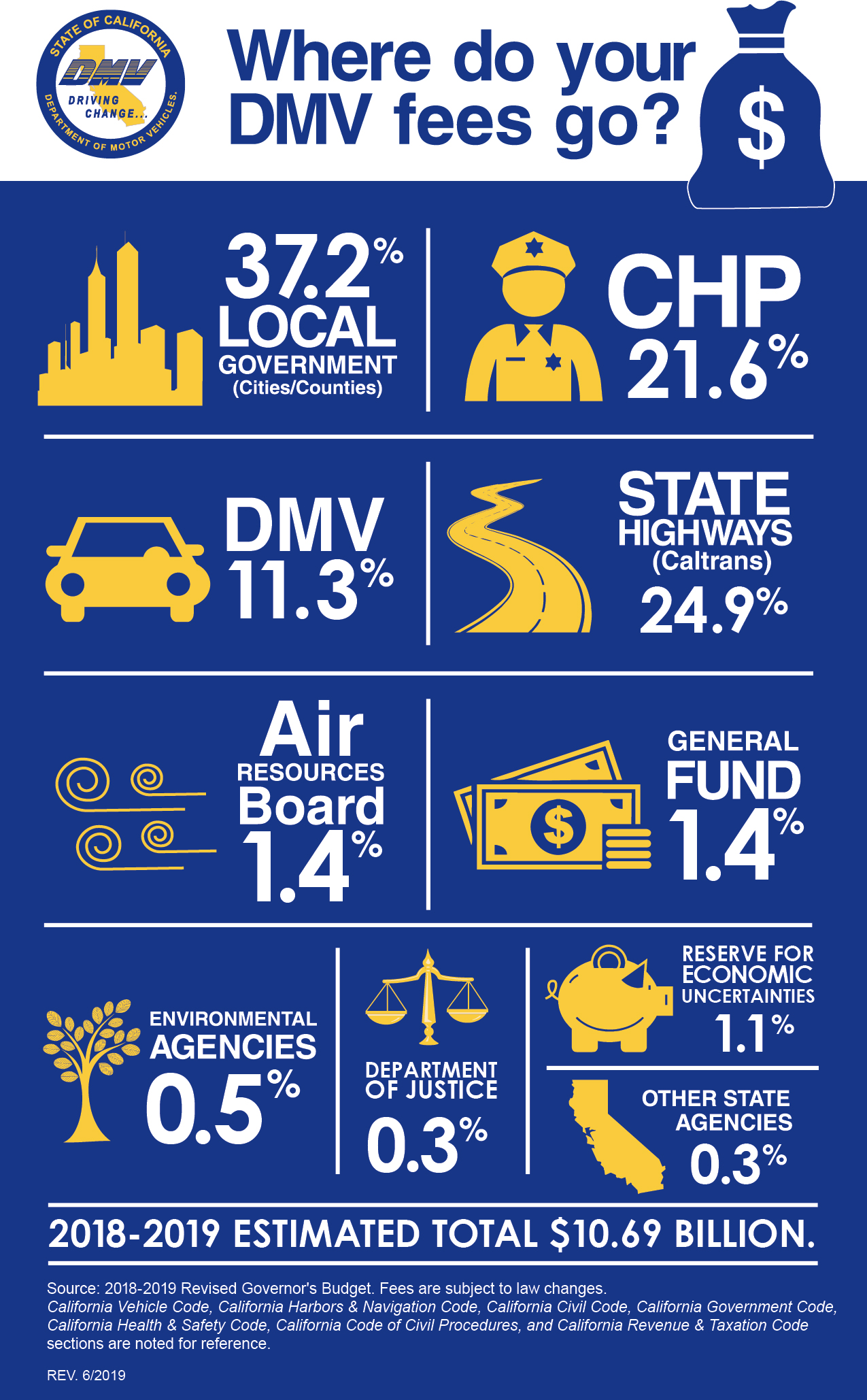
The annual renewal fee, often the most prominent figure on your registration statement, is a composite of several key charges. These fees are not arbitrary; they directly contribute to the infrastructure and services that support the Californian way of life, from pristine highways to cleaner air.
- Base Registration Fee: This foundational fee is a standard charge applied to most vehicles. It contributes to the operational costs of the California Department of Motor Vehicles (DMV), ensuring efficient processing of registrations, driver’s licenses, and other essential services. For individuals on a budget travel plan or families considering a move, this predictable base cost forms the bedrock of their vehicle-related financial planning.
- Vehicle License Fee (VLF): Perhaps the most significant variable component, the VLF is calculated based on the market value of your vehicle at the time of purchase, depreciating annually. This fee is earmarked for local government services, including public safety and transportation projects. Owners of luxury travel vehicles, with their higher market values, will inevitably pay a proportionally larger VLF, reflecting the cost of their premium lifestyle choice. Conversely, those embracing a budget travel approach with older, more economical vehicles will benefit from a lower VLF.
- Weight Fees: For commercial vehicles, trucks, and larger passenger vehicles like SUVs or minivans often favored by family trips, weight fees come into play. These fees compensate for the increased wear and tear on roads caused by heavier vehicles. Planning a cross-state family trip in a larger vehicle? These fees are a direct cost consideration.
- Transportation Improvement Fee (TIF): Introduced to fund critical road maintenance, public transit, and other transportation infrastructure projects, the TIF is a tiered fee based on your vehicle’s value. This progressive fee ensures that those with higher-value vehicles contribute more to the overall transportation network, which benefits all aspects of life and business stays across the state.
- California Highway Patrol (CHP) Fee: A dedicated fee supporting the operations of the California Highway Patrol, ensuring road safety and emergency response across the state’s vast highway network. This fee underpins the safety and security essential for any form of travel, from daily commutes to ambitious family trips.
- Air Quality Management Districts (AQMD) Fees: Depending on your county of residence, you might incur additional fees that support local air quality improvement programs. These fees are vital for maintaining California’s environmental standards, impacting the health and lifestyle of all residents.
Factors Influencing Your Registration Total
Beyond the basic components, several specific characteristics of your vehicle and your living situation in California can significantly alter your total registration bill. Understanding these nuances is key to accurate financial forecasting for your chosen lifestyle.
- Vehicle Value and Age: As mentioned with the VLF, newer and more expensive vehicles command higher registration fees due to their market value. This is a direct reflection of a luxury lifestyle choice. Conversely, older, depreciated vehicles typically incur lower VLF charges, aligning well with a budget travel or minimalist lifestyle.
- Vehicle Type and Fuel Efficiency: Electric vehicles (EVs) and plug-in hybrids often have different fee structures, sometimes including an annual road improvement fee in lieu of gasoline taxes, as they consume less or no traditional fuel. This encourages an environmentally conscious lifestyle but introduces a distinct registration cost. Diesel vehicles may also face specific surcharges.
- County of Residence: Local surcharges and special district fees can vary significantly based on your county. For instance, residents in metropolitan areas like Los Angeles or San Francisco might face different local transportation or air quality fees compared to those in more rural counties. This highlights how your chosen location within California directly impacts your living costs.
- Special Plates: Opting for personalized or specialized license plates typically involves an additional annual fee, a small luxury many choose to express their individuality.
- Penalties for Late Renewal: California is strict about timely registration. Failing to renew your registration by the due date results in penalties, which can substantially increase your overall cost. Staying organized is paramount for a stress-free Californian lifestyle.
Lifestyle Implications: How Registration Costs Impact Your California Experience
The financial weight of California vehicle registration extends far beyond a line item on a bill; it actively shapes the feasibility and enjoyment of various lifestyles within the state. From extended vacations to permanent relocations, these costs demand careful consideration.
Budget Travel and Extended Stays: Planning for the Road Ahead
For individuals or families embarking on a long-term budget travel adventure across California, or those planning an extended stay where a personal vehicle is essential, understanding registration costs is absolutely critical. What initially appears to be an affordable way to explore can quickly become costly if registration fees are overlooked.
- Temporary vs. Full Registration: If your stay is temporary, lasting less than 20 days, you might be able to use a non-resident temporary permit, avoiding full California registration. However, for stays exceeding this, particularly for those considering a “snowbird” lifestyle or a sabbatical, full registration may become necessary. This requires a deep dive into the costs and processes, including smog checks and proof of insurance, to ensure your budget travel remains sustainable.
- Cost Estimation for Planning: Incorporating estimated registration fees into your overall travel budget allows for more realistic planning. A higher initial cost for a used vehicle might be offset by lower annual registration fees compared to a newer, more valuable rental for an extended period. This foresight is a cornerstone of responsible budget travel.
- Residency Considerations: For those contemplating a move, even a temporary one, establishing residency in California triggers the need for in-state registration within 20 days. This shift from out-of-state plates to California plates involves a comprehensive process and the associated costs become a permanent fixture of your new lifestyle.
Business Stays and Corporate Fleets: Navigating Compliance and Costs
For professionals on extended business stays or companies operating a fleet of vehicles in California, vehicle registration is not just an individual concern but a significant operational and compliance issue.
- Fleet Management Expenses: Businesses with multiple vehicles must account for cumulative registration costs. These expenses affect operational budgets, cash flow, and ultimately, profitability. Strategic planning around vehicle acquisition and depreciation cycles can help mitigate these recurring costs.
- Compliance for Corporate Vehicles: Ensuring that all company vehicles are properly registered and compliant with California’s strict environmental regulations (like smog checks) is paramount. Non-compliance can lead to hefty fines and disrupt business operations, impacting the seamless execution of a business lifestyle.
- Employee Relocation: When employees relocate to California for business stays, companies often assist with the relocation process, including vehicle registration. Understanding the costs involved allows companies to offer fair and competitive relocation packages, attracting top talent while managing expenses.
Luxury Travel and Premium Vehicles: The Price of Panache
For those whose lifestyle embraces luxury travel and the ownership of high-value, premium vehicles, registration costs are a direct reflection of that choice. While these individuals may be less budget-constrained, understanding these costs is still part of informed financial management.
- Higher Vehicle License Fees: As the VLF is tied to market value, luxury cars, exotic vehicles, and high-performance automobiles naturally incur significantly higher registration fees. This is an unavoidable aspect of maintaining a premium lifestyle in California.
- Insurance and Maintenance: Beyond registration, luxury vehicles also typically come with higher insurance premiums and maintenance costs, all of which contribute to the holistic financial picture of that particular lifestyle. Registration is just one piece of the puzzle.
- Environmental Considerations: Many high-performance vehicles, while luxurious, might also have higher emissions, potentially impacting certain local fees. However, the rise of luxury electric vehicles is changing this dynamic, offering a greener yet still premium lifestyle choice with different registration implications.
Navigating the Registration Process: Tips for a Smooth California Lifestyle
Successfully managing your vehicle registration is crucial for a smooth and uninterrupted lifestyle in California. Proactive engagement with the process can save you time, money, and unnecessary stress.
Initial Registration vs. Renewal: What to Expect
The process for initially registering a vehicle in California differs from annual renewals, and understanding these differences is key.
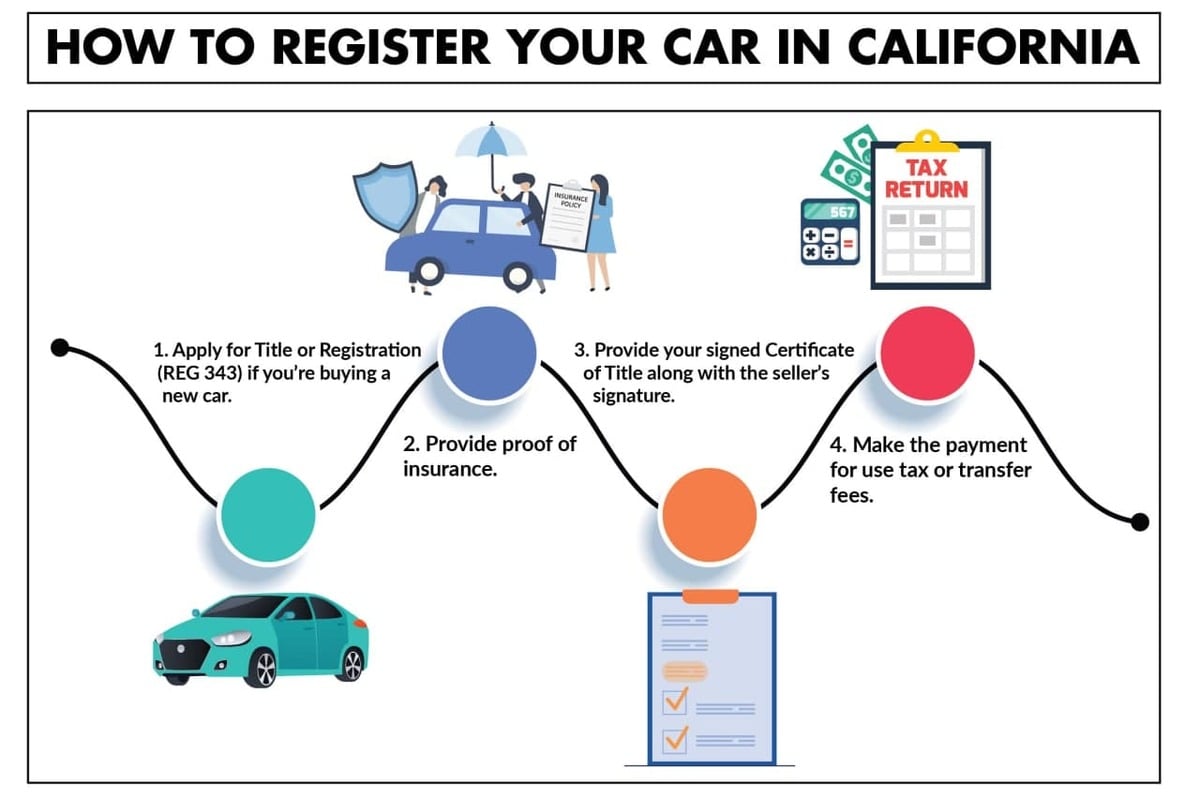
- Initial Registration: For new residents bringing an out-of-state vehicle, or for anyone purchasing a new or used vehicle that hasn’t been registered in their name, the initial registration process is more involved. It typically requires an application for title or registration, proof of ownership, verification of the vehicle identification number (VIN), proof of insurance, a valid smog certificate (for most vehicles), and payment of all applicable fees. New residents must complete this within 20 days of establishing residency. This upfront administrative task is an essential step for anyone starting a new lifestyle chapter in California.
- Annual Renewal: Once your vehicle is initially registered, subsequent renewals are generally simpler. The California DMV sends a renewal notice by mail, detailing the fees due. You can renew online, by mail, or in person. Ensuring your contact information is up to date with the DMV is vital to receive these notices and avoid late penalties.
Avoiding Penalties: Staying Compliant
Compliance with California’s registration laws is not just about avoiding fines; it’s about maintaining a responsible and hassle-free lifestyle.
- Timely Renewal: The most straightforward way to avoid penalties is to renew your vehicle registration before its expiration date. California imposes significant late fees, which rapidly increase the longer the registration remains expired.
- Smog Check Requirements: Most vehicles require a smog inspection every two years for renewal. It’s crucial to get this done well in advance of your renewal date, as failing a smog check requires repairs before your registration can be completed. This is a recurring aspect of vehicle ownership in California and a non-negotiable part of responsible driving.
- Maintaining Valid Insurance: Proof of financial responsibility (auto insurance) is mandatory in California. Your insurance policy must be active and valid throughout your registration period. Driving without insurance, or letting it lapse, can lead to severe penalties, including fines and license suspension, which can significantly disrupt any lifestyle or travel plans.
- Address Changes: Always update your address with the DMV promptly after moving. This ensures you receive renewal notices and other critical communications, preventing missed deadlines and potential penalties.
In conclusion, “How Much Is California Registration?” is a question with a complex answer, reflecting a comprehensive system of fees designed to support the state’s infrastructure and environmental goals. For individuals, families, and businesses alike, these costs are a significant financial consideration, deeply embedded in the fabric of the Californian lifestyle. Whether you are pursuing luxury travel, adhering to a budget travel ethos, planning family trips, or managing business stays, understanding and proactively planning for these registration expenses is paramount to a smooth, compliant, and enjoyable experience in the Golden State. By demystifying these fees and offering practical guidance, you can ensure your vehicle ownership enhances, rather than hinders, your chosen California lifestyle.
LifeOutOfTheBox is a participant in the Amazon Services LLC Associates Program, an affiliate advertising program designed to provide a means for sites to earn advertising fees by advertising and linking to Amazon.com. Amazon, the Amazon logo, AmazonSupply, and the AmazonSupply logo are trademarks of Amazon.com, Inc. or its affiliates. As an Amazon Associate we earn affiliate commissions from qualifying purchases.