
Understanding the cost of car insurance in California is a critical component of financial planning for anyone considering residing, working, or even undertaking an extended stay in the Golden State. As one of the most populous and economically dynamic states in the United States, California’s car insurance market is complex, influenced by a myriad of factors that can significantly swing monthly premiums. For those focused on managing their lifestyle expenses, especially when relocating or planning a budget-conscious trip requiring a vehicle, deciphering these costs is paramount.
Unpacking the California Car Insurance Landscape
The cost of car insurance is rarely a one-size-fits-all figure, especially in a state as diverse as California. While averages can provide a baseline, individual premiums are highly personalized, reflecting a unique combination of driver characteristics, vehicle specifics, and geographical nuances within the state.
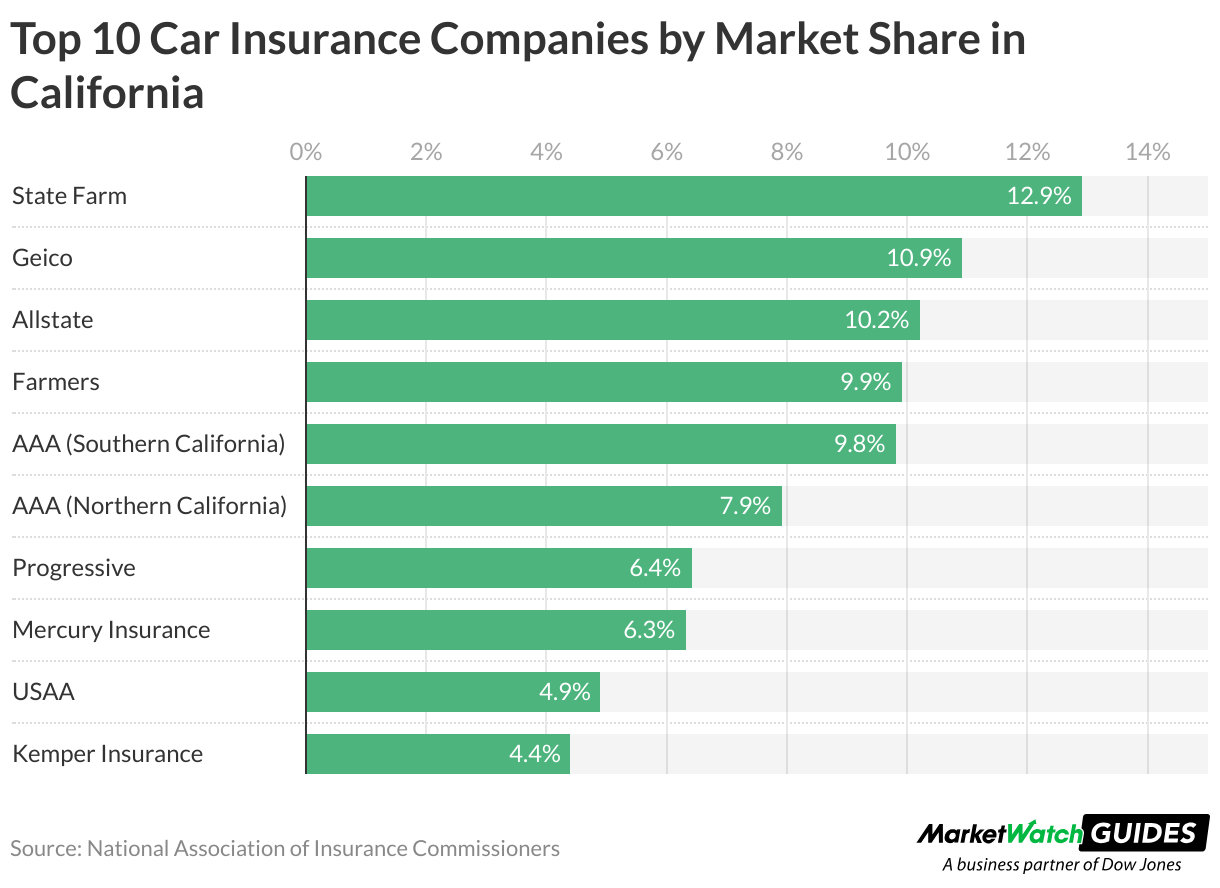
The Average Cost: A Starting Point
While precise real-time figures fluctuate, the average cost of full coverage car insurance in California typically hovers around $150 to $250 per month, or roughly $1,800 to $3,000 annually. For minimum liability coverage, these figures can drop significantly, often ranging from $60 to $100 per month. It’s crucial to understand that these are merely averages. A young driver with a new sports car in Los Angeles will likely pay substantially more than an experienced driver with a safe sedan in a rural part of California. These averages serve as a useful benchmark for lifestyle budgeting, allowing individuals to mentally prepare for this regular expense.
Minimum Coverage Requirements
California law mandates specific minimum liability coverage levels, often referred to as 15/30/5:
- $15,000 for injury/death to one person.
- $30,000 for injury/death to more than one person.
- $5,000 for damage to property.
While these are the legal minimums, most financial advisors and insurance experts strongly recommend purchasing higher limits. The actual cost of an accident can easily exceed these minimums, leaving the policyholder personally responsible for the difference. For individuals looking to protect their assets and maintain financial stability, especially those new to California or establishing a new lifestyle here, opting for more comprehensive coverage is a wise investment, albeit one that increases monthly premiums.
Key Factors Influencing Your Premium in the Golden State
Several variables are meticulously evaluated by insurance providers to determine your monthly premium. Understanding these factors can empower consumers to make informed decisions that impact their overall lifestyle budget.
Driver Demographics
Your personal profile plays a significant role. Younger, less experienced drivers (especially those under 25) typically face higher rates due to statistical evidence of increased accident risk. As drivers gain experience and mature, rates generally decrease, assuming a clean driving record. Other factors like marital status can also subtly influence rates, with married individuals often receiving slightly lower premiums.
Vehicle Type and Usage
The car you drive is a major determinant of your insurance cost. High-performance vehicles, luxury cars, or those with a high theft rate (e.g., in metropolitan areas like Oakland or San Francisco) typically command higher premiums. Conversely, older, safer, and less expensive vehicles are usually cheaper to insure. The mileage you put on your car annually also matters; if you drive fewer miles, indicating less exposure to risk, you might qualify for lower rates. This is particularly relevant for those who might use public transit or bikes for daily commutes in cities like San Diego but need a car for weekend excursions.
Location Within California
California’s vast geography means insurance rates can vary wildly from one zip code to another. Densely populated urban centers like Los Angeles, San Francisco, and San Jose generally have higher rates due to increased traffic congestion, higher accident rates, and greater incidence of vehicle theft and vandalism. Conversely, drivers in more rural or suburban areas, such as parts of the Central Valley or smaller towns, often enjoy lower premiums. Even within a large city, moving a few miles can impact your rate, making it essential to update your address with your insurer promptly.
Driving Record and Claims History
Your past driving behavior is one of the most significant predictors of future risk. A clean driving record—free of accidents, speeding tickets, or other violations—is your best asset for securing lower insurance rates. Conversely, a history of claims, especially at-fault accidents, or multiple traffic violations will almost certainly lead to higher premiums. Insurance companies typically look back three to five years when assessing your record.

Credit Score Impact (or lack thereof in California)
Unlike many other states, California law strictly prohibits insurance companies from using a driver’s credit score as a factor in determining car insurance premiums. This is a crucial distinction that sets California apart and can significantly impact rates for individuals moving from states where credit scores heavily influence insurance costs. This regulation is designed to promote fairness and ensure that rates are based predominantly on driving-related factors, which can be a relief for those whose credit history might not be stellar but maintain a responsible driving record.
Strategies for Reducing Your California Insurance Costs
Navigating the California insurance market doesn’t have to break the bank. Several proactive strategies can help you secure more affordable rates while maintaining adequate coverage.
Shopping Around and Comparing Quotes
This is arguably the most effective way to save money on car insurance. Rates can vary by hundreds of dollars between different providers for the exact same coverage. It’s advisable to obtain quotes from at least three to five different insurance companies every year, or whenever your policy is up for renewal, or if you experience a significant life event (like moving, buying a new car, or getting married). Online comparison tools and independent insurance agents can simplify this process, making it easier to find the best deal for your lifestyle.
Maximizing Discounts
Insurance companies offer a plethora of discounts that can significantly reduce your premium. Common discounts include:
- Multi-policy discount: Bundling car insurance with homeowner’s or renter’s insurance.
- Good driver discount: For drivers with a clean record over a specified period.
- Safe vehicle discount: For cars equipped with modern safety features (e.g., anti-lock brakes, airbags, anti-theft devices).
- Low mileage discount: For those who drive below a certain annual mileage threshold.
- Student discounts: For good students or those away at college without a car.
- Defensive driving course discount: Completing an approved defensive driving course.
- Loyalty discount: For long-term policyholders.
Always ask your insurer about all available discounts to ensure you’re not leaving money on the table.
Adjusting Coverage Levels
While it’s not recommended to opt for minimum coverage, you can strategically adjust your coverage to save money. For older vehicles with low market value, you might consider dropping comprehensive and collision coverage, as the cost of these coverages might outweigh the car’s actual value. Raising your deductible for comprehensive and collision coverage can also lower your monthly premium, though it means you’ll pay more out-of-pocket if you need to file a claim. Carefully assess your financial situation and risk tolerance before making these adjustments.
Maintaining a Clean Driving Record
This point cannot be overstressed. A spotless driving record is the most powerful tool for keeping your insurance costs down over the long term. Avoiding accidents and traffic violations not only prevents immediate premium hikes but also qualifies you for good driver discounts, which can lead to substantial savings over time. For new residents of California, establishing a clean driving history in the state is a key step toward managing this aspect of their lifestyle budget.
Navigating the California Market: What to Expect
California’s insurance market is unique due to its strong regulatory environment and consumer protection laws.
Unique Regulations and Consumer Protections
The California Department of Insurance (CDI) is highly active in regulating the industry, ensuring fair practices and protecting consumers. This includes specific regulations around how rates are calculated (e.g., the prohibition on using credit scores) and requirements for how insurers handle claims. These protections can be beneficial for consumers, providing a layer of security and transparency that might not be present in other states. Familiarizing yourself with these consumer rights can be empowering for any California driver.

The Importance of Adequate Coverage
Even with the desire to reduce monthly expenses, skimping on car insurance in California can be a risky gamble. Given the state’s high cost of living, medical expenses, and vehicle repair costs, being underinsured can lead to devastating financial consequences in the event of a serious accident. For those establishing a new life or an extended presence in California, investing in robust coverage, including uninsured/underinsured motorist protection, medical payments, and possibly roadside assistance, is a foundational element of sound financial planning and peace of mind. While the initial monthly premium might seem higher, the potential long-term savings and protection against unforeseen liabilities far outweigh the short-term cost. Whether you’re commuting through Sacramento, exploring the coast near Santa Barbara, or navigating the freeways of Riverside, adequate car insurance is not just a legal requirement but a crucial aspect of responsible California living.
LifeOutOfTheBox is a participant in the Amazon Services LLC Associates Program, an affiliate advertising program designed to provide a means for sites to earn advertising fees by advertising and linking to Amazon.com. Amazon, the Amazon logo, AmazonSupply, and the AmazonSupply logo are trademarks of Amazon.com, Inc. or its affiliates. As an Amazon Associate we earn affiliate commissions from qualifying purchases.