
Exploring the golden state of California by car is an iconic experience, offering breathtaking coastal drives, majestic national parks, and vibrant cityscapes. From the bustling streets of Los Angeles to the scenic routes leading to Lake Tahoe, driving is an integral part of many travel itineraries. However, to ensure a seamless and enjoyable journey, visitors must be aware of the state’s stringent traffic laws, particularly those concerning cell phone use while driving. An unexpected cell phone ticket can not only be a significant financial burden but also detract from the overall travel experience. Understanding these regulations and their associated costs is a vital tip for any tourist navigating California’s roads.
Understanding California’s Distracted Driving Laws for Tourists
California has been at the forefront of enacting laws to combat distracted driving, recognizing the severe safety risks posed by individuals using handheld devices behind the wheel. For tourists, these laws can sometimes come as a surprise, especially if they are accustomed to less strict regulations in their home regions or countries. Ignorance of the law is not a defense, making it crucial for every visitor to familiarize themselves with the state’s specific prohibitions. The primary aim of these laws is to enhance road safety for everyone, from local commuters to international travelers enjoying a scenic drive along Highway 1.
The Hands-Free Mandate: What Every Visitor Needs to Know
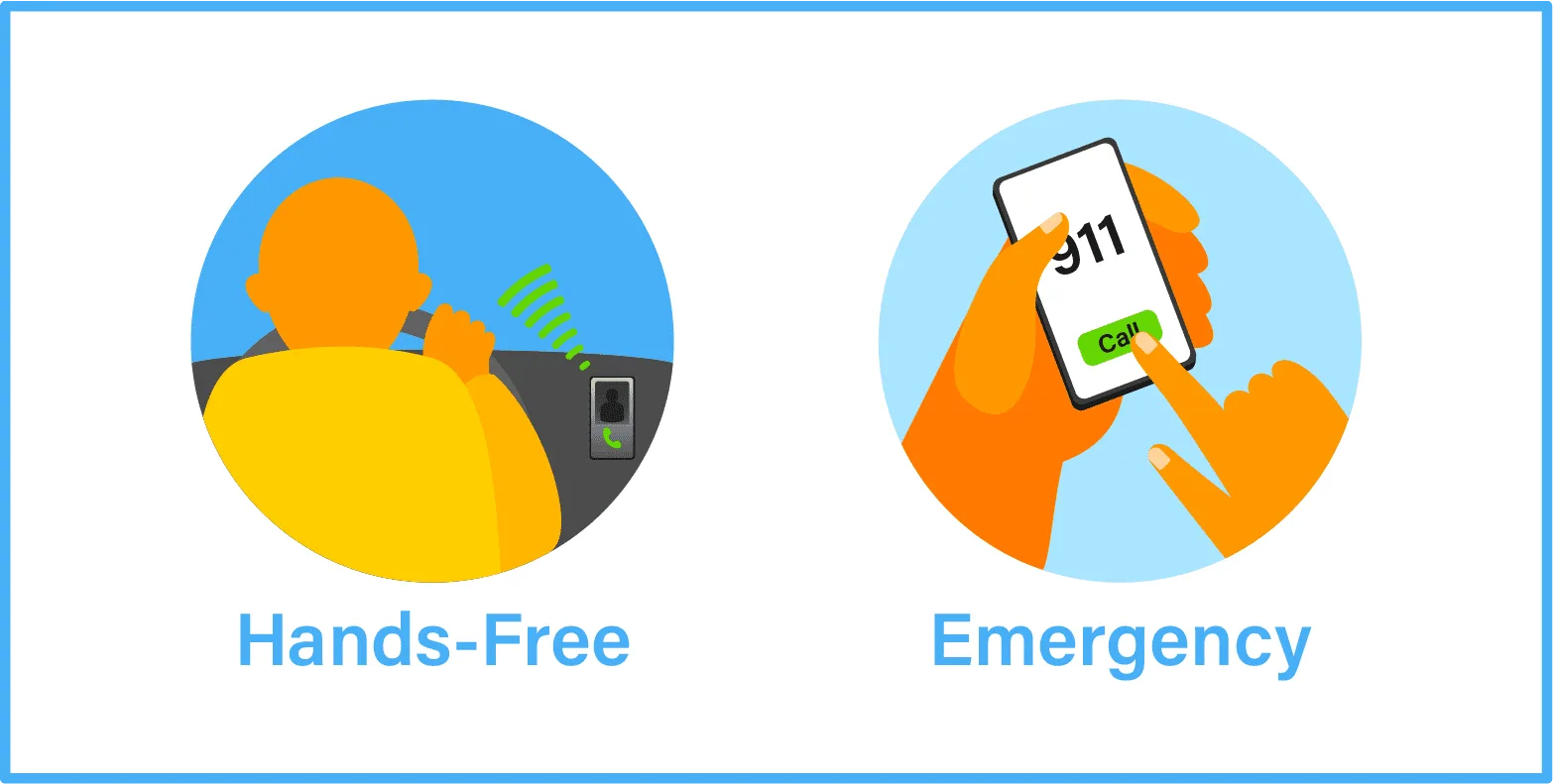
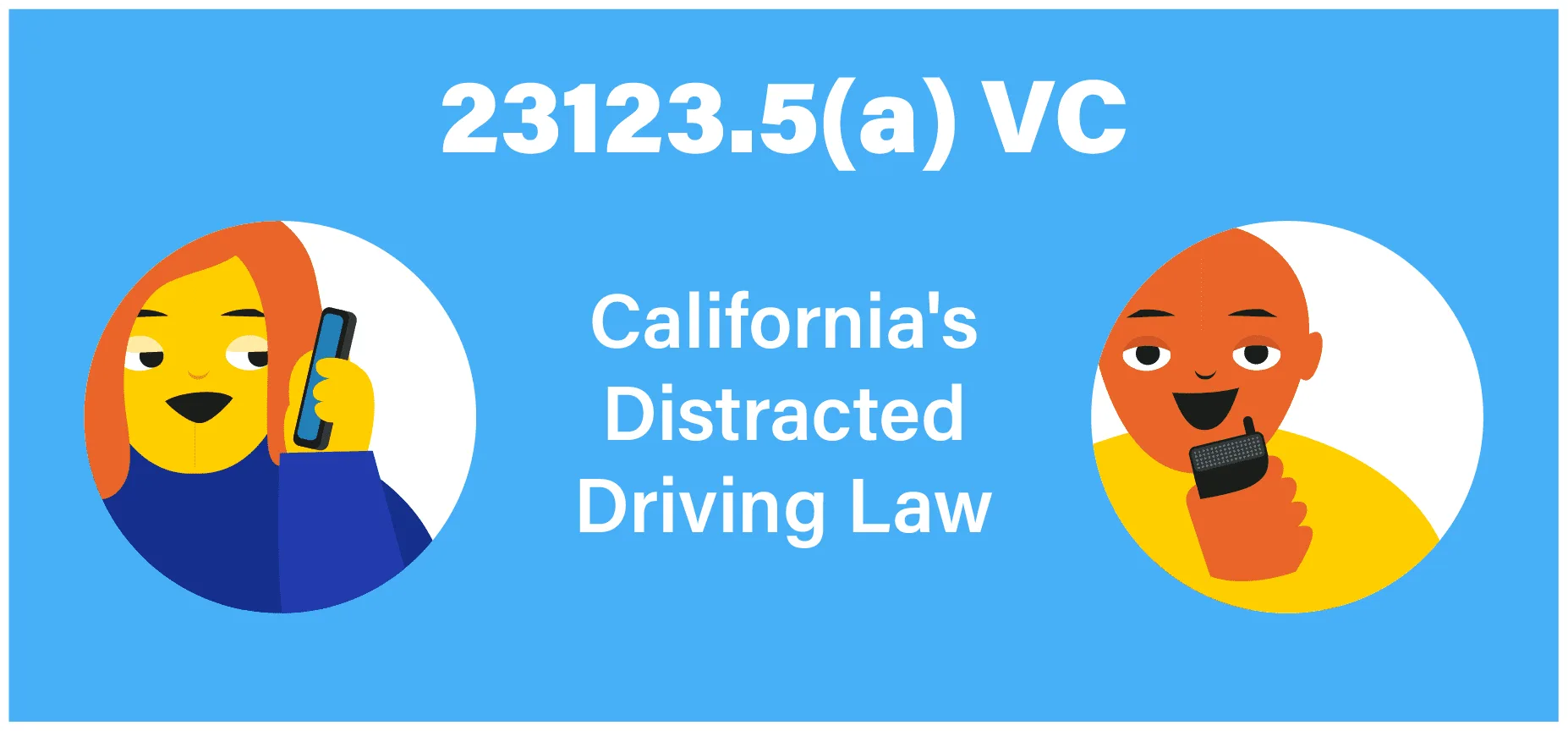
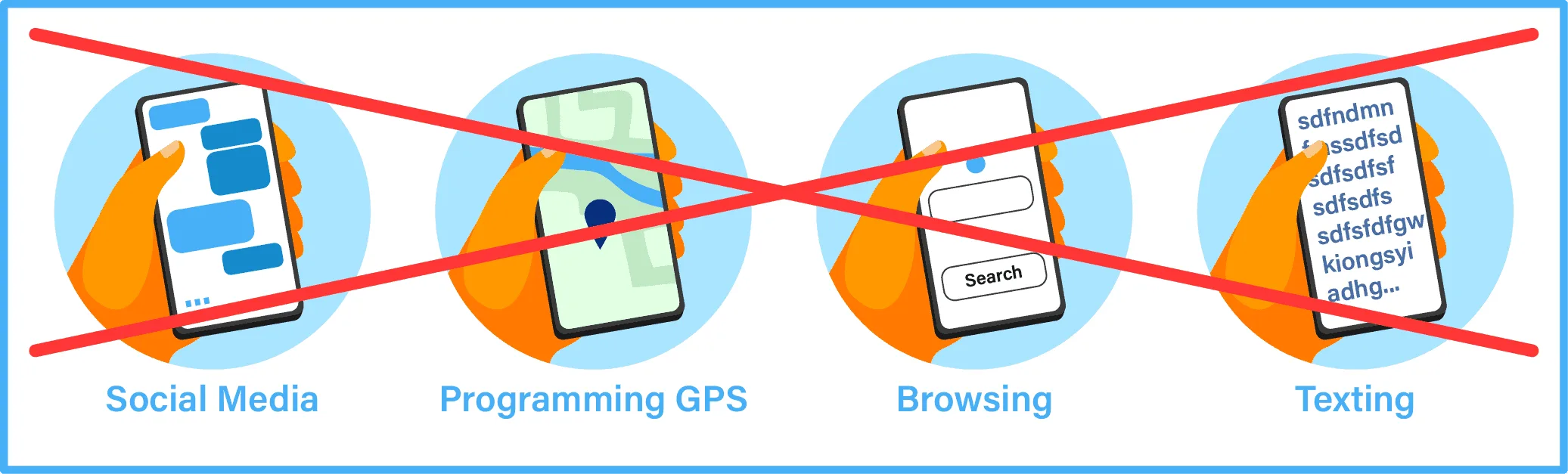
The cornerstone of California’s cell phone law, Vehicle Code (VC) 23123.5, mandates that drivers use a hands-free device when operating a motor vehicle. This means that holding a cell phone or other wireless electronic communication device in your hand for any reason—whether to make a call, send a text, check a map, or even just glance at a notification—is illegal. This prohibition applies to all drivers, regardless of age, and extends to temporary visitors driving rental cars or their own vehicles from out-of-state. The law is quite strict: even if the car is stopped at a traffic light or in heavy traffic, the device must remain hands-free. This hands-free requirement is a significant point of divergence from laws in some other jurisdictions, where quick glances or device manipulation while stationary might be permitted. The spirit of the law is to minimize any manual, visual, or cognitive distraction that could impair a driver’s ability to respond to changing road conditions.
Exceptions and Permitted Uses
While the hands-free rule is comprehensive, there are a few specific exceptions. These are generally limited to emergency situations where a driver needs to contact emergency services (police, fire, medical) and it is impractical to do so with a hands-free device. For instance, if you are involved in an accident or witness a serious crime, you are permitted to use your phone to call 911. However, these exceptions are narrow and should not be misinterpreted as a loophole for general cell phone use. For routine navigation, entertainment, or communication, drivers must rely on integrated vehicle systems, Bluetooth headsets, or dashboard mounts that allow for single-swipe or voice-activated interactions without holding the device. Children are also prohibited from using a cell phone while driving, underscoring the universal application of this critical safety measure across all demographics within the state.
Financial Implications: Breaking Down the Costs
Receiving a cell phone ticket in California can be an unwelcome surprise, particularly for tourists who might not have budgeted for such an expense. The cost of these tickets is not a fixed, nominal fee; rather, it comprises several components that can accumulate rapidly, making even a first offense quite expensive. Understanding these financial ramifications is essential for budgeting your trip and, more importantly, for motivating compliance with the law.
Base Fines and Penalties
The base fine for a cell phone ticket in California is relatively low. For a first offense, the base fine is typically $20. For a second or subsequent offense, the base fine increases to $50. However, these base figures are misleading because the total cost of a ticket is significantly inflated by various additional fees, assessments, and surcharges that the state and county apply. These add-ons are designed to fund various public services, from court administration to specific state programs, and they can multiply the base fine by many times over.
Additional Fees and Assessments
When all these assessments are factored in, a first-offense cell phone ticket can easily cost upwards of $160-$200, or even more, depending on the specific county where the violation occurred. For a second offense, the total cost can jump to over $250-$300. These additional fees can include court surcharges, state penalty assessments, county penalty assessments, state court construction fees, emergency medical services assessments, and more. It is these cumulative charges that transform a seemingly minor infraction into a substantial financial hit for an unsuspecting tourist. For visitors, this unexpected expense can significantly impact their travel budget, diverting funds from planned activities, dining experiences in San Francisco, or souvenirs from Disneyland.
Point System and Insurance Impact
While the primary concern for a tourist might be the immediate financial penalty, it’s also worth noting the broader implications of such tickets. California employs a point system for driving offenses. Historically, cell phone violations did not result in a point on a driver’s record. However, effective July 1, 2021, a second distracted driving conviction within 36 months will result in a point on the driver’s record. While this primarily impacts California residents and their insurance premiums, visitors from other states or countries should be aware that such violations could potentially be reported to their home state’s DMV or equivalent authority, depending on interstate agreements or international treaties. Although less common for a single minor offense for tourists, it’s a reminder of the seriousness with which California treats distracted driving and the potential for long-term consequences beyond the immediate fine.
Consequences Beyond the Wallet: Safety and Legal Ramifications
Beyond the immediate financial sting, the enforcement of cell phone laws in California underscores a profound commitment to public safety. For a tourist, understanding the rationale behind these strict laws can help contextualize their importance and encourage compliance, ensuring a safer and more enjoyable visit.
Why the Law Exists: Safety First
The primary motivation behind California’s cell phone laws is the undeniable link between distracted driving and increased accident rates. Studies consistently show that drivers using cell phones are significantly more likely to be involved in collisions. When a driver is focused on a phone, their reaction time slows, their ability to perceive hazards diminishes, and their steering control can be compromised. For tourists unfamiliar with California’s unique road conditions, which can range from winding mountain passes to congested urban freeways, maintaining full attention on the road is even more critical. Avoiding a cell phone ticket is not just about saving money; it’s about safeguarding lives, including your own and those of your passengers and fellow road users. A single moment of distraction could turn a dream vacation into a tragic memory.
The Impact on Your California Experience
Receiving a traffic ticket, especially in a foreign state or country, can be a highly stressful and unpleasant experience. For a tourist, it can mean spending valuable vacation time dealing with court dates (or hiring legal representation), navigating unfamiliar bureaucratic processes, and potentially facing delays in returning home. The stress and frustration associated with a legal entanglement can sour an otherwise perfect trip, overshadowing the memories of Yosemite National Park or the beaches of San Diego. By adhering to the hands-free law, visitors can avoid these hassles entirely, ensuring their time in California is spent enjoying its wonders, not its courtrooms. Furthermore, traffic stops themselves can be unsettling, especially if there’s a language barrier or cultural differences in law enforcement interactions. Preventing such encounters preserves the peace of mind essential for a truly relaxing holiday.
Practical Tips for Avoiding a Ticket
For visitors to California, preventing a cell phone ticket is straightforward with a little preparation and mindful driving habits. Incorporating these tips into your travel plan will help ensure a smooth and law-abiding journey.
Plan Ahead with Mounts and Bluetooth
Before you even hit the road, ensure your vehicle is equipped for hands-free operation. If you’re renting a car, inquire about vehicles with integrated Bluetooth connectivity. Most modern rental cars offer this as a standard feature. If not, invest in a simple and affordable dashboard or vent mount for your smartphone. These mounts allow you to securely position your phone for GPS navigation or music control without ever holding it. Pair your phone with the car’s Bluetooth system or a hands-free headset so you can make and receive calls, and control audio playback using voice commands or the vehicle’s steering wheel controls. This proactive approach eliminates the temptation to pick up your device.
Utilize Navigation Systems Properly
GPS navigation is a lifesaver for tourists, but it must be used correctly in California. Always program your destination before you start driving. If you need to make an adjustment or check an alternate route, pull over to a safe location before interacting with your device. Many modern navigation apps offer voice-guided directions, which is the safest way to follow a route without needing to look at or touch your phone. Familiarize yourself with these features before embarking on your journey, especially if you plan to explore complex urban areas like San Jose or Sacramento.
Emergency Protocols
While the law allows for emergency calls, it’s still wise to minimize direct phone interaction even in these situations. If possible, use voice commands or a hands-free system to dial emergency services. If you must use your hand, ensure it is a genuine emergency that poses an immediate threat to life or property, and pull over to the side of the road if circumstances allow for safe stopping. Remember, the general rule is “hands-free,” so any deviation should only be in critical, unavoidable circumstances.
When in Doubt, Pull Over
This is perhaps the simplest and most effective tip: if you feel the need to touch your phone for any non-emergency reason—to check a text, respond to an email, browse social media, or adjust your playlist—find a safe place to pull over. This could be a parking lot, a rest stop, or a safe shoulder on a less-trafficked road. Taking a few moments to pull over is a minor inconvenience compared to the cost and stress of a ticket, or worse, an accident. This practice also applies to checking maps or reviewing directions; pulling over ensures your full attention is on the route before you resume driving.
What to Do If You Receive a Cell Phone Ticket
Despite your best efforts, sometimes a ticket happens. If you find yourself in this situation while visiting California, it’s important to understand your options and how to proceed.
Understanding Your Options
When you receive a cell phone ticket, you typically have a few options. The easiest for most tourists is simply to pay the fine. The ticket will include instructions on how to pay, usually online, by mail, or in person at the relevant county courthouse. Ensure you pay the full amount by the due date to avoid additional penalties or complications. If you believe the ticket was issued in error, you have the right to contest it in court. However, this often requires returning to California for a court appearance, which may not be practical or cost-effective for international or out-of-state visitors. You might consider hiring a local attorney to represent you, but this adds to the overall expense. Always read the back of your citation carefully for specific instructions and deadlines.
The Traffic School Option
For certain infractions, including most cell phone tickets, eligible drivers can opt to attend traffic school. Successfully completing traffic school typically results in the ticket not adding a point to your driving record. For [California](https://lifeoutofthebox.com/california] residents, this is valuable for keeping insurance premiums low. For tourists, while the point might not directly affect their home country’s driving record in the same way, completing traffic school can still be beneficial. You will still have to pay the fine, plus an administrative fee to the court and a separate fee for the traffic school itself. Many traffic schools offer online courses, which can be a convenient option for tourists who are no longer in California. Check your eligibility and the specific requirements outlined on your ticket or the court’s website. While it adds a bit more cost and time, it’s often seen as a good way to mitigate the long-term impact of the ticket.
By adhering to California’s hands-free cell phone law, visitors can contribute to road safety, avoid costly fines, and ensure their memorable journey through the Golden State remains free of unnecessary stress and financial setbacks. Drive safely and enjoy everything California has to offer!
LifeOutOfTheBox is a participant in the Amazon Services LLC Associates Program, an affiliate advertising program designed to provide a means for sites to earn advertising fees by advertising and linking to Amazon.com. Amazon, the Amazon logo, AmazonSupply, and the AmazonSupply logo are trademarks of Amazon.com, Inc. or its affiliates. As an Amazon Associate we earn affiliate commissions from qualifying purchases.