
Understanding the intricacies of state and local taxes is a critical aspect of financial planning, particularly when considering a move, an extended stay, or even just a visit to a new destination. For those exploring the vibrant landscapes and opportunities in Colorado, comprehending the state’s tax structure is paramount to managing personal finances and making informed lifestyle decisions. Colorado’s unique tax policies can significantly impact everything from your annual budget as a resident to the cost of a weekend getaway or a business trip.
Navigating Colorado’s Tax Landscape: A Lifestyle and Budget Perspective
Colorado presents a distinctive tax environment that sets it apart from many other U.S. states. Unlike states with graduated income tax rates or high sales taxes, Colorado often boasts a more balanced approach, though local taxes can add layers of complexity. For individuals considering relocating, remote workers contemplating a move to the Rocky Mountains, or even entrepreneurs planning to establish a presence, a clear grasp of these financial obligations is essential. This insight allows for accurate budgeting, identifies potential savings, and ensures compliance, ultimately shaping the economic viability of your Colorado lifestyle. From the cost of daily essentials in Denver to the price of a ski resort stay in Vail, taxes weave into the fabric of virtually every financial transaction.
The Foundation: Understanding Income Tax in Colorado
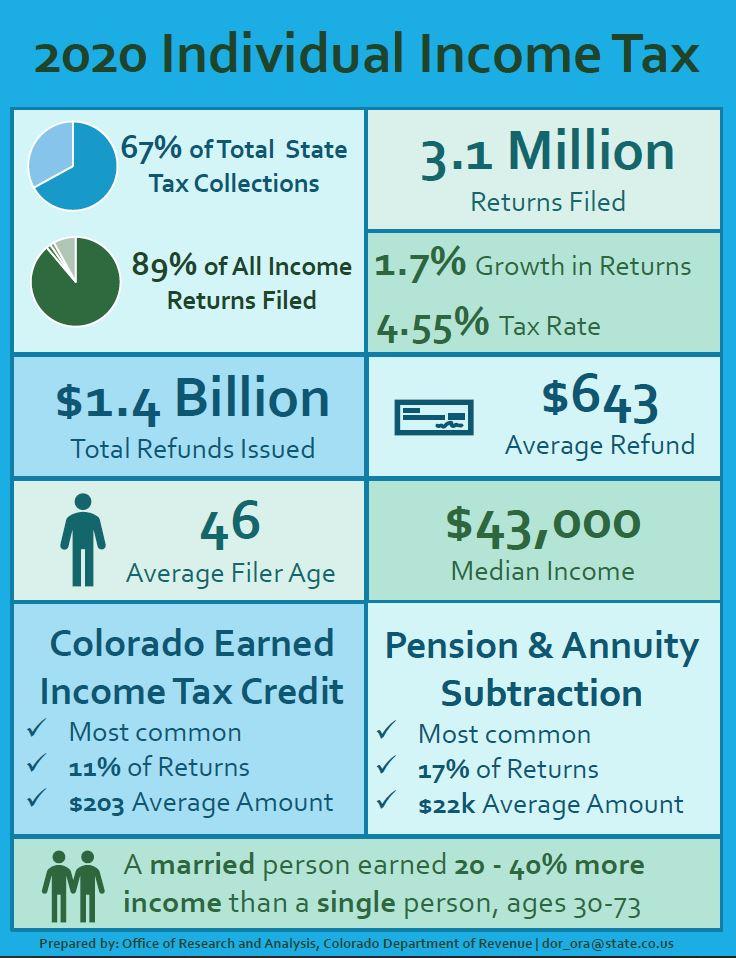
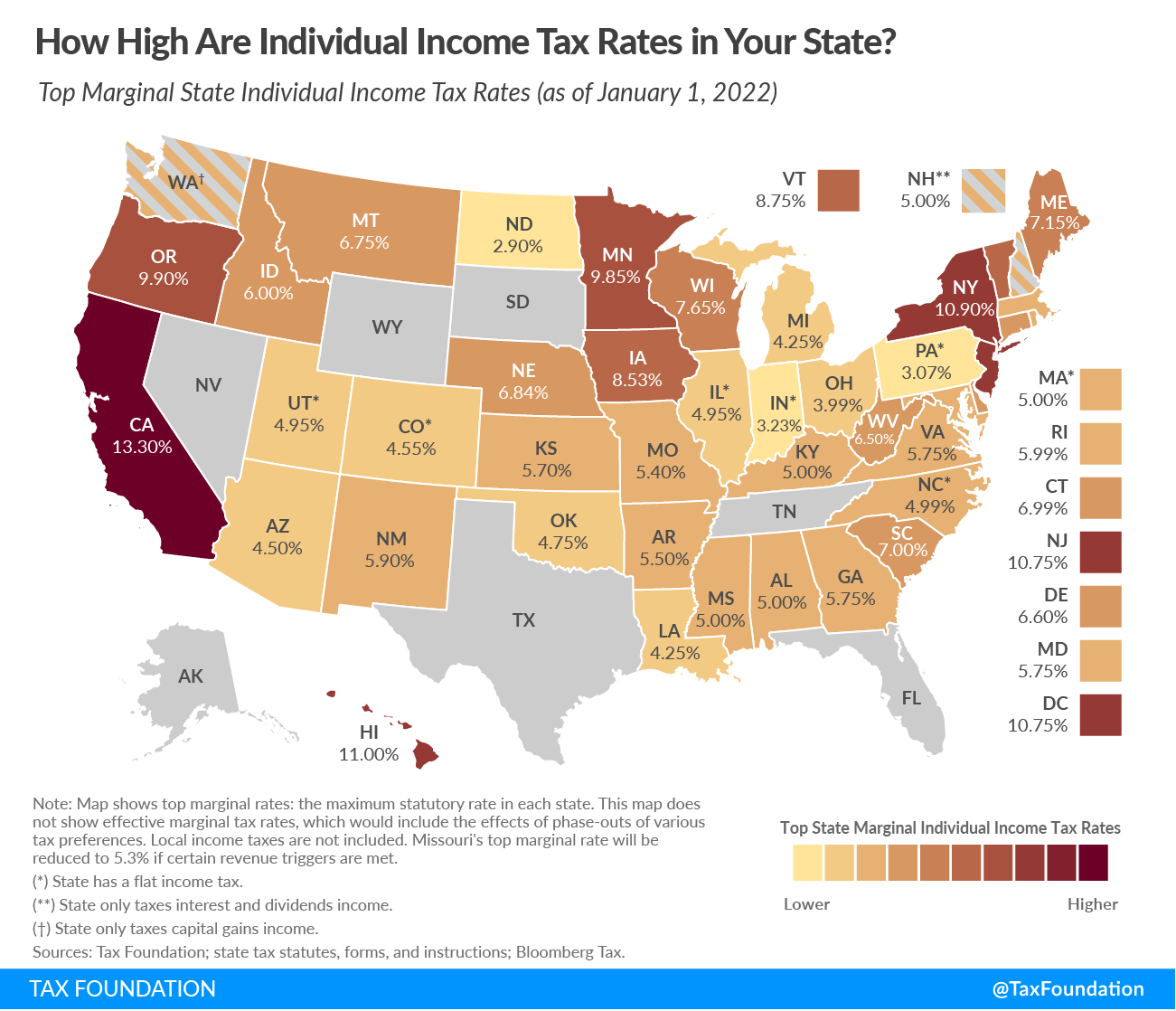
One of the most appealing aspects of Colorado’s tax system for many is its flat income tax rate. As of recent updates, the state levies a uniform percentage on taxable income for all individuals and corporations. This contrasts sharply with states that employ progressive tax brackets, where higher earners pay a larger percentage of their income in taxes. For residents, this predictability simplifies financial planning and budgeting. A flat rate means you can more easily calculate your state income tax liability, which is a significant advantage for personal finance management.
For business travelers or remote workers who spend a portion of their year in Colorado, understanding this flat rate is crucial for managing potential dual-state tax liabilities or for assessing the financial implications of establishing temporary residency. For entrepreneurs, the flat corporate income tax rate contributes to the state’s business-friendly reputation, influencing decisions on where to incorporate or expand operations. This consistent approach can lead to a more stable economic outlook for both individuals and businesses, fostering an environment conducive to various lifestyles, from digital nomads to established families. The stability offered by a flat income tax can free up mental bandwidth for residents and visitors to focus on enjoying the myriad outdoor activities or cultural experiences Colorado has to offer, rather than wrestling with complex tax calculations.
Sales Tax: The Impact on Daily Spending and Tourism
Beyond income tax, sales tax plays a significant role in the overall cost of living and traveling in Colorado. The state imposes a relatively modest sales tax rate on most tangible goods and some services. However, what makes Colorado’s sales tax landscape particularly intricate are the additional layers of local sales taxes. Cities, counties, and special districts can levy their own sales taxes on top of the state rate, leading to considerable variations depending on your exact location.
Local Sales Tax Variations: A Key Budgeting Factor
For a family planning a vacation, a couple on a romantic getaway, or a solo adventurer exploring the state, these local variations can significantly impact the final price of everything from souvenirs and restaurant meals to ski lift tickets and gear rentals. For instance, while the state sales tax is uniform, purchasing an item in Denver will likely incur a different total sales tax rate than buying the same item in Boulder or Colorado Springs. These differences, though seemingly small per transaction, can accumulate over a trip or a prolonged stay, influencing overall budget adherence. Savvy travelers and residents often factor these localized rates into their spending habits, particularly for larger purchases.
For residents, understanding the combined state and local sales tax rates in their specific community is fundamental to managing household budgets. Whether stocking up on groceries (many food items are exempt, but prepared meals are not), purchasing electronics, or furnishing a home, sales tax will be a consistent consideration. For tourists, being aware of these rates can help in budgeting for dining experiences, shopping sprees, and recreational activities. This knowledge empowers consumers to make more informed choices, potentially leading to savings or a better allocation of their travel funds towards experiences rather than unforeseen tax burdens.
Lodging Taxes: Affecting Accommodation Choices and Travel Budgets
One of the most direct tax impacts for visitors to Colorado comes in the form of lodging taxes. These taxes are levied on hotel rooms, vacation rentals, and other temporary accommodations, contributing significantly to the overall cost of a stay. Like sales tax, lodging taxes often consist of both a state component and additional local taxes, which vary widely by municipality and county.
The Economic Impact on Travel and Tourism
For someone planning a ski trip to Aspen or a hiking adventure near Breckenridge, the combined state and local lodging taxes can add a substantial percentage to the nightly rate of their accommodation. These taxes are a primary revenue source for many local governments, often used to fund tourism promotion, infrastructure maintenance, and public services that directly benefit both residents and visitors.
From a lifestyle perspective, understanding lodging taxes allows travelers to accurately budget for their trips, compare the true cost of different accommodation options, and potentially influence their choice of destination or length of stay. For instance, a high lodging tax rate in a popular resort town might encourage a budget-conscious traveler to seek accommodations in a nearby, less taxed area, or opt for a longer stay in a location with more favorable rates. For business travelers, accurately accounting for lodging taxes is essential for expense reporting and staying within company budget guidelines. Property owners who rent out their homes or rooms via short-term rental platforms must also navigate these taxes, as they are typically responsible for collecting and remitting them, which adds a layer of complexity to their entrepreneurial endeavors. Transparent communication about these taxes by accommodation providers is key for a positive guest experience, ensuring no unexpected costs upon checkout.
Other Taxes Shaping the Colorado Lifestyle
While income, sales, and lodging taxes are the most prominent, several other tax categories contribute to the financial landscape of Colorado, influencing specific aspects of lifestyle and business operations.
Property Taxes: A Long-Term Consideration
For anyone considering a long-term stay, purchasing a vacation home, or permanently relocating to Colorado, understanding property taxes is paramount. Property taxes are levied by local governments (counties, cities, and school districts) and vary significantly across the state based on property value, assessment rates, and local mill levies. While the state of Colorado does not levy a statewide property tax, its constitutional provisions impact how local property taxes are assessed and collected. These taxes are a major component of homeownership costs and play a crucial role in budgeting for residents. For individuals contemplating retirement in Colorado, or families looking to put down roots, a thorough investigation into local property tax rates is as important as researching housing prices and community amenities.

Excise Taxes: Impacting Specific Consumer Choices
Colorado also imposes various excise taxes on specific goods and services. Notable among these is the tax on cannabis products, a significant revenue generator for the state since its legalization. For consumers choosing to partake, this tax adds to the overall cost, with revenue often directed towards education, public health, and local government programs. Similarly, taxes on gasoline impact the cost of transportation, affecting everything from daily commutes to cross-state road trips through the scenic Rocky Mountains. For those with specific lifestyle choices, such as frequent cannabis consumption or extensive driving, these excise taxes become an ongoing part of their financial planning.
Understanding Colorado’s multifaceted tax system is not merely an exercise in financial diligence; it’s an integral part of navigating and optimizing one’s lifestyle within the state. Whether you’re drawn by the allure of its outdoor adventures, the vibrancy of its urban centers, or the promise of new professional opportunities, a comprehensive grasp of “How Much Is Colorado State Tax?” and its local derivatives empowers you to make smarter, more sustainable choices, ensuring your time in the Centennial State is as financially sound as it is personally enriching.
LifeOutOfTheBox is a participant in the Amazon Services LLC Associates Program, an affiliate advertising program designed to provide a means for sites to earn advertising fees by advertising and linking to Amazon.com. Amazon, the Amazon logo, AmazonSupply, and the AmazonSupply logo are trademarks of Amazon.com, Inc. or its affiliates. As an Amazon Associate we earn affiliate commissions from qualifying purchases.