
Florida, the Sunshine State, is a vibrant tapestry of cultures, landscapes, and, perhaps most notably for culinary adventurers, a world-class fishing destination. Its extensive coastline, embracing both the Gulf of Mexico and the Atlantic Ocean, alongside a vast network of freshwater lakes and estuaries, creates an unrivaled diversity of marine life. For visitors keen to immerse themselves in the local food scene, understanding what fish is in season is paramount. This seasonal insight not only guarantees the freshest, most flavorful seafood but also supports sustainable practices and offers a deeper connection to Florida’s rich maritime heritage. From thrilling offshore catches to delectable inshore species, each season brings its unique bounty to the table, defining the culinary landscape across the state.
The Rhythms of Florida’s Waters: Understanding Seasonal Catches
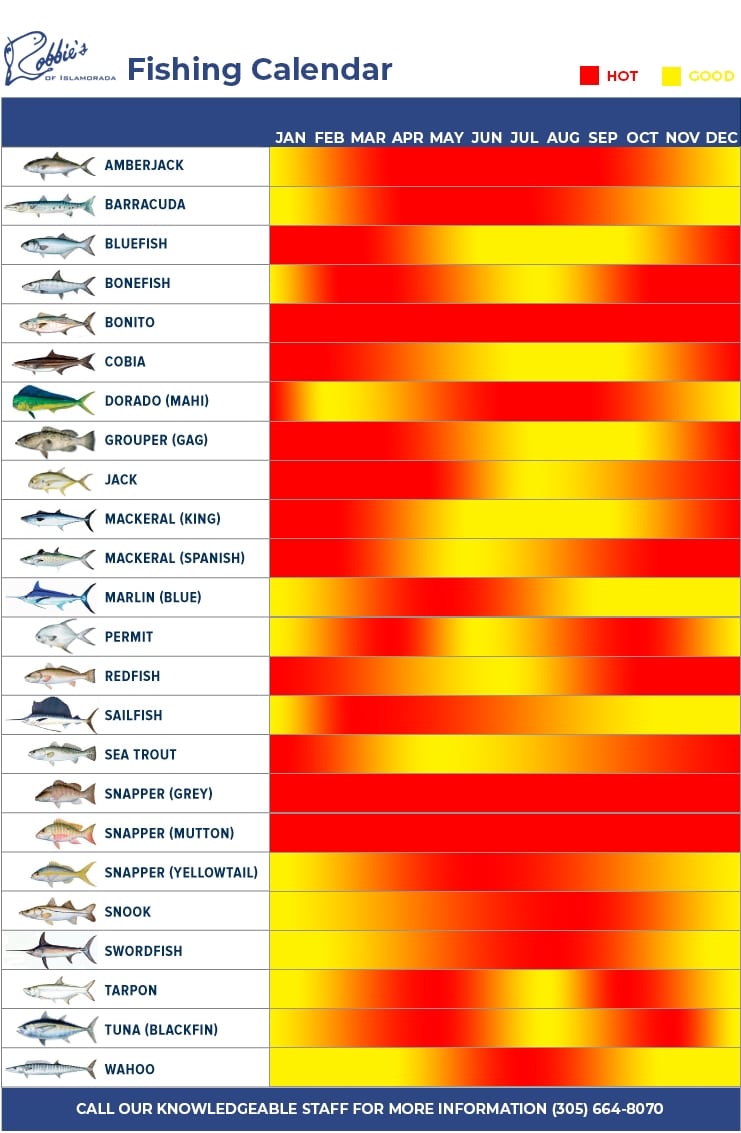
The dynamic nature of Florida’s marine environment means that fish populations are constantly shifting, driven by water temperature, spawning cycles, and migration patterns. These natural rhythms are intrinsically linked to the concept of “in season,” which, for many species, is also regulated by the Florida Fish and Wildlife Conservation Commission (FWC) to ensure healthy populations for future generations. For the eager tourist or discerning diner, this means that the availability and quality of certain fish can vary significantly throughout the year.
The state’s geographic position, stretching into subtropical zones, allows for a year-round fishing calendar, yet specific species thrive during particular times. Cooler waters attract certain species, while warmer currents bring others closer to shore. Estuaries, where freshwater meets saltwater, serve as crucial nurseries and feeding grounds, offering a distinct set of seasonal inhabitants. Understanding these cycles is key to experiencing Florida’s seafood at its peak, whether you’re casting a line yourself or enjoying a perfectly prepared dish at a local restaurant.
Spring’s Awakening: A Time for Variety and Vigor
As winter’s chill dissipates, Florida’s waters begin to warm, signaling a renewed burst of activity for many popular fish species. Spring, typically from March through May, is a vibrant period for both anglers and seafood enthusiasts, offering a remarkable diversity of fresh catches.
Pelagic Powerhouses
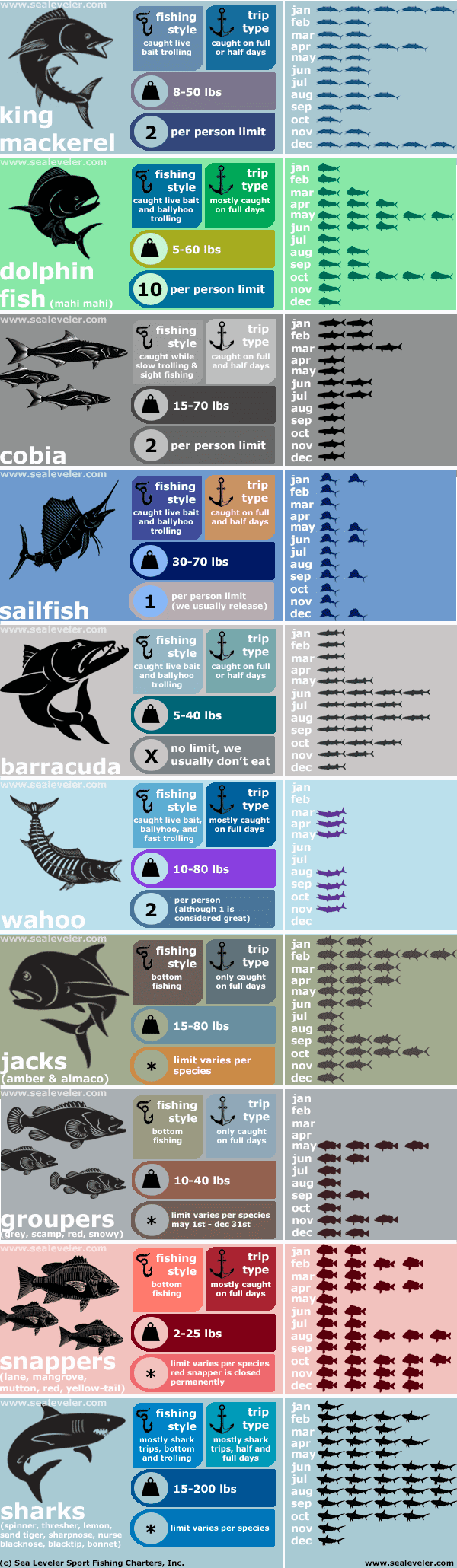
The warming waters of the Atlantic Ocean, particularly off the southeast coast from Fort Lauderdale down to the Florida Keys, become prime hunting grounds for fast-swimming pelagic species. Mahi-Mahi, also known as dolphin fish, are a top target, renowned for their striking colors and firm, flavorful flesh. Their peak season often runs through late spring, making them a staple on restaurant menus. Similarly, King Mackerel migrate closer to shore, offering thrilling angling opportunities and delicious, oily meat perfect for grilling or smoking. Cobia, a powerful and prized sport fish, also makes a strong showing, particularly along the Gulf Coast and Panhandle, celebrated for its rich, white meat.
Reef and Nearshore Delights
Closer to shore and on offshore reefs, various species of Snapper and Grouper become more accessible. Lane, Mutton, and Yellowtail Snapper are often abundant, providing a range of delicate flavors and textures. The opening of Gag Grouper season in many Gulf waters also marks a significant event for local seafood lovers. For those fishing the surf, Pompano is a highly sought-after catch, known for its firm, sweet meat that makes for an exquisite culinary experience.
Estuary Gems
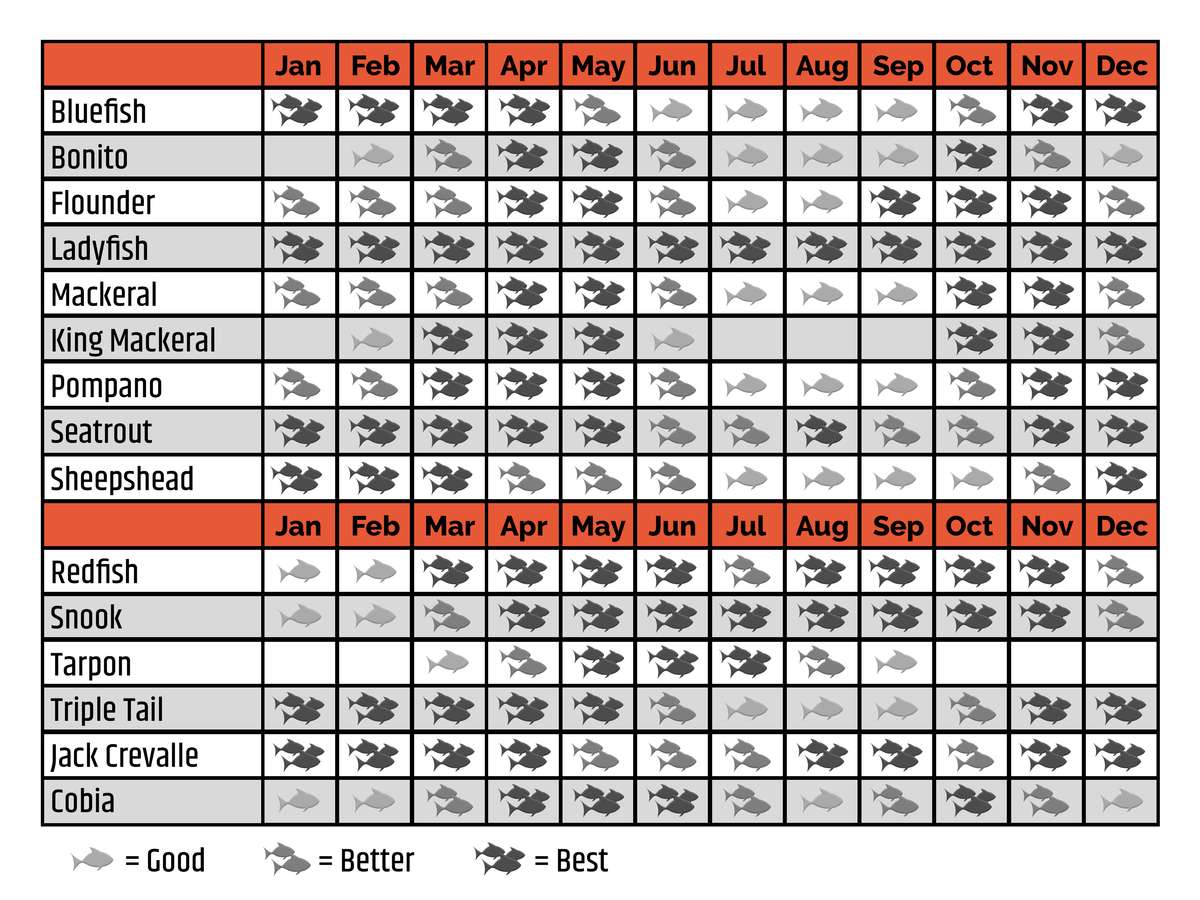
In the shallower, brackish waters of Florida’s extensive estuaries, species like Snook and Redfish are active. While often highly regulated due to their popularity as sport fish, when in season and within legal limits, they offer exceptional table fare, often prepared simply to highlight their natural flavors.
Summer’s Sunshine: Deep-Sea Adventures and Coastal Treasures
Summer in Florida, spanning June through August, brings consistently warm waters, pushing many of the biggest game fish further offshore while stimulating vibrant reef ecosystems. This season is perfect for those seeking deep-sea adventures and unique coastal delicacies.
Offshore Bonanza
The open waters become a playground for apex predators. Beyond continuing Mahi-Mahi catches, deeper expeditions can yield impressive Wahoo and Blackfin Tuna. These powerful fish are prized for their speed, fighting prowess, and exceptional culinary value, often found on the menus of upscale restaurants throughout Florida. Grouper seasons for species like Red, Gag, and Scamp Grouper are generally open across the state, making them a consistent and popular choice for diners and anglers alike.
Nearshore and Reef Excellence
Closer to the reefs, Hogfish is a standout summer catch. Renowned for its delicate, almost pork-like flavor and flaky texture, Hogfish is primarily caught by spearfishing or hook and line around rocky structures, particularly in central and southern Florida. Mangrove Snapper are also abundant around their namesake habitats and various structures, offering a consistent and delicious option for dinner.
Crustacean Highlights
Perhaps the most anticipated summer seafood event in Florida is the Spiny Lobster season. Kicking off with a highly popular “mini-season” in late July, followed by the general season in early August, targeting Spiny Lobster is a quintessential Florida Keys experience. These sweet, succulent crustaceans are a highlight of any summer seafood feast.
Autumn’s Abundance: Cooler Waters, Fresher Flavors
As the intense summer heat gives way to cooler temperatures, particularly from September through November, Florida’s waters undergo another transformation. Autumn brings a renewed vitality to fishing, with many species making migratory movements that bring them within easier reach.
The Migration Spectacle
King Mackerel and Spanish Mackerel make their grand return, schooling in massive numbers along both the Gulf and Atlantic coasts. This is a prime time for these mackerel species, offering fast-paced fishing and an ample supply for local markets and restaurants. Similarly, Redfish and Snook activity ramps up in the estuaries as they begin to school, providing exceptional opportunities for both sport and table. Flounder also begin their offshore migration, making them a seasonal treat for bottom fishers. Their thin, white fillets are perfect for a light, flavorful meal.
Specialty Seafood
Undoubtedly, the most celebrated seasonal delicacy of Florida’s autumn is the Stone Crab. The season officially opens in mid-October, drawing enthusiasts to coastal towns like Everglades City and Homosassa where the succulent claws are harvested. Served chilled with a tangy mustard sauce, Stone Crab claws are an iconic Florida experience, making autumn a truly special time for seafood lovers.
Winter’s Delights: A Focus on the Unique and Hearty
While some visitors might associate winter (December through February) with less fishing activity, Florida defies this expectation, offering a unique set of seasonal catches, particularly as water temperatures dip further.
Cool Water Favorites
Sheepshead emerge as a winter staple, congregating around pilings, bridges, and oyster bars. These distinctive fish, with their human-like teeth, are known for their mild, sweet meat that makes them an underrated culinary delight. Black Drum, a larger cousin to the Redfish, are also prominent in deeper channels and around structures, offering substantial fillets. Pompano often remains a strong presence, particularly along the surf zones, making it a consistent favorite.
Freshwater Bounty and Estuary Staples
Beyond saltwater, Florida’s vast network of freshwater lakes and rivers offers excellent winter fishing for Largemouth Bass. While primarily a sport fish, for those inclined, it can be a hearty table fish. In estuaries, Blue Crab season can also be productive during the cooler months, providing a versatile ingredient for gumbos, stews, and crab cakes.
Savoring the Catch: Culinary Tourism in Florida
For tourists, experiencing Florida’s seasonal fish goes beyond just identifying what’s available; it’s about embracing the journey from dock to dish. This aspect of culinary tourism offers a profound way to engage with local culture and enjoy the freshest flavors.
From Dock to Dish
One of the most authentic ways to enjoy seasonal seafood is by visiting local fish markets. Towns like Clearwater Beach, with institutions like Frenchy’s Original Cafe, or the bustling markets in Key West and St. Petersburg, offer direct access to the day’s fresh catches. Engaging with a local fishing charter is another immersive experience, allowing visitors to catch their own dinner, with many charters offering “catch-and-cook” options where restaurants prepare your fresh harvest.
Dining Experiences
Florida’s culinary scene is rich with establishments that pride themselves on “boat-to-table” practices. Seek out restaurants that highlight seasonal, local seafood, ensuring you’re tasting the freshest possible ingredients. Iconic local preparations include the beloved Grouper sandwich, spicy Mahi-Mahi tacos, and the decadent Stone Crab claws with mustard sauce. Beyond fish, regions like Cedar Key are famous for their clams, and Apalachicola for its prized oysters, adding further layers to Florida’s diverse seafood offerings.
Responsible Tourism
When enjoying Florida’s seafood, it’s vital to practice responsible tourism. This includes supporting local fishermen who adhere to sustainable fishing practices and choosing seafood that is in season and legally harvested. By understanding and respecting the rhythms of the ocean, visitors can contribute to the preservation of Florida’s incredible marine resources, ensuring that future generations can also savor the bounty of the Sunshine State.
LifeOutOfTheBox is a participant in the Amazon Services LLC Associates Program, an affiliate advertising program designed to provide a means for sites to earn advertising fees by advertising and linking to Amazon.com. Amazon, the Amazon logo, AmazonSupply, and the AmazonSupply logo are trademarks of Amazon.com, Inc. or its affiliates. As an Amazon Associate we earn affiliate commissions from qualifying purchases.