
Navigating the Golden State’s diverse and often expansive roadways requires a foundational understanding of safe driving practices. For new drivers, and even those seeking to refresh their skills, professional driver training in California offers a structured and comprehensive approach. The cost of this essential education can vary significantly, influenced by a multitude of factors ranging from the type of training provided to the specific region within the state. Understanding these variables is key to budgeting for and selecting the right program.
Factors Influencing Drivers Training Costs
The price tag associated with driver training in California is not a one-size-fits-all figure. Several core elements contribute to the overall expense.

Program Length and Curriculum
The duration of a driver training program is a primary cost driver. Shorter, introductory courses will naturally be less expensive than comprehensive programs that cover advanced techniques and extensive behind-the-wheel hours. California law mandates a minimum number of classroom and behind-the-wheel training hours for individuals under 18, which directly impacts the cost. These programs typically include lessons on traffic laws, defensive driving, hazard perception, and vehicle operation.
- Classroom Instruction: This portion of the training covers theoretical knowledge, including traffic signs, road rules, and the consequences of unsafe driving. The number of hours dedicated to classroom learning directly affects pricing.
- Behind-the-Wheel Training: This is arguably the most crucial component, where students apply classroom knowledge in real-world driving scenarios. The number of supervised driving hours, the types of environments covered (e.g., city streets, highways, rural roads), and the instructor-to-student ratio all play a role in the cost. More extensive practical training generally commands a higher price.
- Online vs. In-Person: Many driving schools now offer hybrid or fully online options for the classroom portion. Online courses may sometimes be more affordable due to reduced overhead for the school, but they still require a significant time commitment and must meet California Department of Motor Vehicles (DMV) standards.
Geographic Location
The cost of living and operating a business varies significantly across California. Driving schools in major metropolitan areas like Los Angeles, San Francisco, or San Diego tend to have higher tuition fees compared to those in more rural or suburban areas. This difference is often attributed to higher operating costs, such as rent for facilities and insurance, as well as market demand.
Driving School Reputation and Services
Established driving schools with a strong reputation, experienced instructors, and a fleet of well-maintained vehicles may charge more for their services. The quality of instruction and the perceived value of the education provided often justify a higher price point.
- Instructor Qualifications: Highly qualified and experienced instructors, who may have backgrounds in professional driving or law enforcement, can command higher salaries, which can be reflected in program costs.
- Vehicle Quality: The type and condition of the vehicles used for behind-the-wheel training can also influence cost. Schools that use newer, safer, and more technologically advanced vehicles may have higher expenses.
- Additional Services: Some schools offer additional services that can increase the overall cost but also enhance the learning experience. These might include:
- Pick-up and Drop-off Services: Convenience often comes at a premium.
- DMV Test Scheduling Assistance: Helping students navigate the DMV appointment process.
- Refresher Courses: Specialized courses for experienced drivers looking to improve specific skills.
- Defensive Driving Courses: Programs focused on advanced accident prevention techniques.
Package Deals and Discounts
Many driving schools offer various package deals that bundle classroom and behind-the-wheel instruction, often at a slightly reduced rate compared to purchasing them separately. Additionally, looking for seasonal discounts, referral programs, or student-specific offers can help reduce the overall expense.
Typical Cost Ranges for Drivers Training in California
While exact figures fluctuate, we can establish general cost ranges for driver training programs in California. These are estimates and can vary based on the factors discussed above.
Basic Drivers Education Package (Under 18)
For teenagers seeking their learner’s permit, a standard drivers education package typically includes the mandated 30 hours of classroom instruction (often condensed into a shorter period) and six hours of behind-the-wheel training.
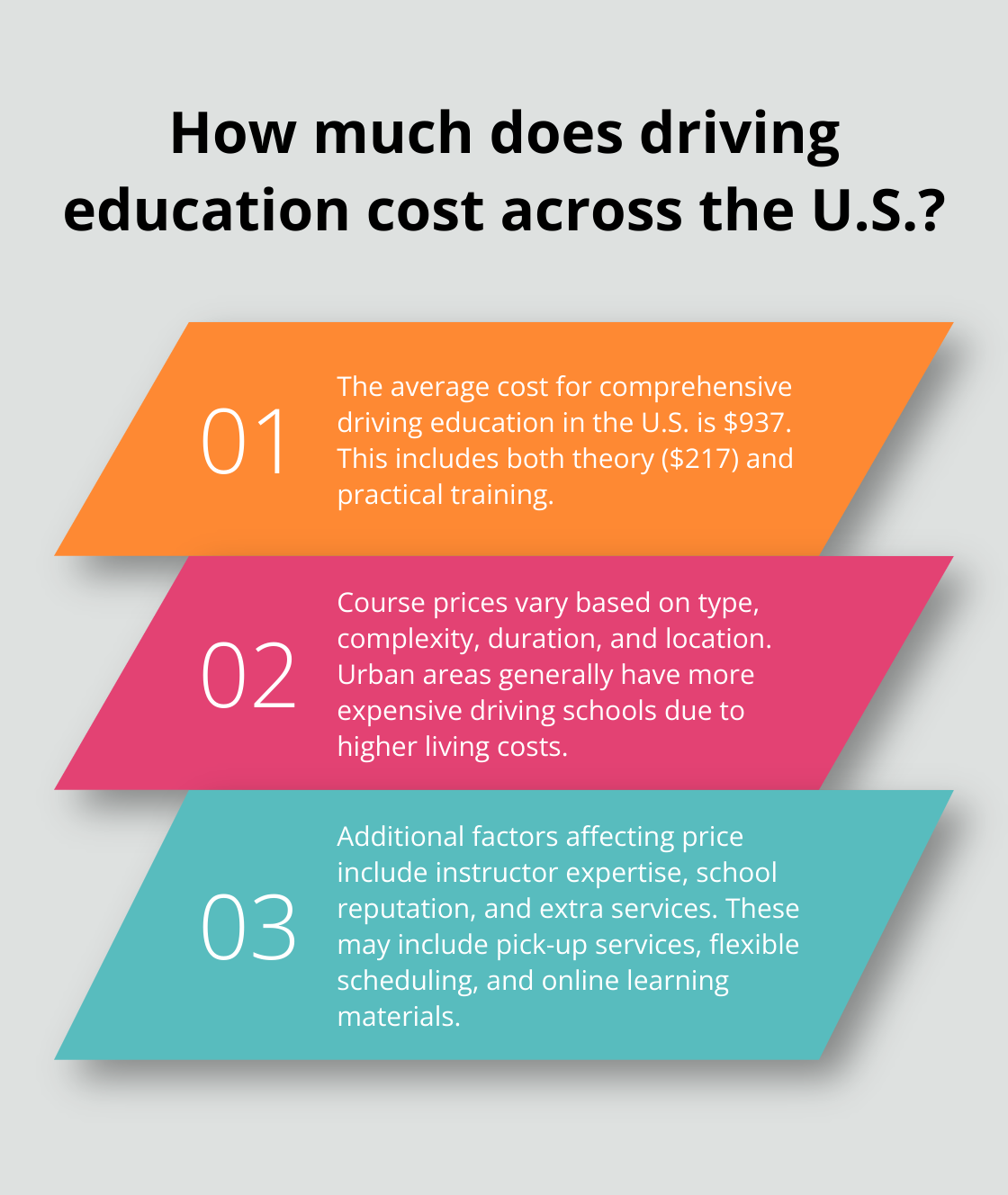
- Estimated Cost: This type of package generally ranges from $500 to $1,000. The lower end of this spectrum might be found in less densely populated areas or with schools offering more basic services. Higher-end packages in major cities or those offering more extensive behind-the-wheel hours could approach the upper limit.
Comprehensive Drivers Training Packages
These packages often go beyond the minimum requirements, offering more behind-the-wheel hours, specialized training modules, or additional flexibility.
- Estimated Cost: For more comprehensive programs, including potentially 10-20 hours of additional behind-the-wheel training, prices can range from $800 to $1,500 or more. These programs are ideal for students who want extra confidence and practice before their driving test or who may need more support.
Individual Behind-the-Wheel Lessons
Some students may only need additional behind-the-wheel practice rather than a full course, or they might wish to supplement a previously completed drivers education program.
- Cost Per Hour: Individual behind-the-wheel lessons typically cost between $50 and $100 per hour. Package deals for multiple hours might offer a slight discount.
Online Drivers Education
The classroom portion of drivers education can often be completed online.
- Estimated Cost: Purely online drivers education courses (covering the 30 hours of theory) can range from $50 to $200. It’s crucial to ensure that any online program is licensed and approved by the California DMV to be valid for permit applications.
Making an Informed Decision
When choosing a driver training program in California, it’s essential to do more than just compare prices. A thorough evaluation of the school and its offerings will ensure you receive the best value and the most effective training.
Research and Reviews
- Check for DMV Licensing: Ensure the driving school is licensed by the California DMV. This is a non-negotiable requirement for any legitimate program.
- Read Online Reviews: Websites like Yelp, Google Reviews, and specific driving school review sites can offer insights into the experiences of past students. Look for consistent feedback regarding instructor quality, vehicle condition, and overall satisfaction.
- Ask for Recommendations: Speak with friends, family members, or school counselors who may have recommendations for reputable driving schools in your area.
Understand the Curriculum
- Inquire About Behind-the-Wheel Practice: Understand how many hours of behind-the-wheel training are included, what types of driving scenarios will be covered, and how the instructor will assess progress.
- Clarify Classroom Content: Ask about the teaching methods, materials used, and the qualifications of the instructors.
Clarify All Fees
- Look for Hidden Costs: Be wary of schools that advertise very low prices but then add numerous fees for materials, insurance, or administrative services. Request a detailed breakdown of all potential costs.
- Inquire About Re-takes or Extra Lessons: Understand the policy and associated costs if additional lessons or testing are required.
By carefully considering these factors and performing due diligence, prospective drivers in California can select a driver training program that meets their needs, budget, and ultimately, helps them become safe and confident drivers on the state’s busy roads.
LifeOutOfTheBox is a participant in the Amazon Services LLC Associates Program, an affiliate advertising program designed to provide a means for sites to earn advertising fees by advertising and linking to Amazon.com. Amazon, the Amazon logo, AmazonSupply, and the AmazonSupply logo are trademarks of Amazon.com, Inc. or its affiliates. As an Amazon Associate we earn affiliate commissions from qualifying purchases.