
Planning a trip to the Sunshine State promises sun-drenched beaches, thrilling theme parks, and vibrant cultural experiences. However, like any travel destination, understanding the local tax landscape is crucial for effective budgeting and avoiding unwelcome surprises. For tourists visiting Florida, comprehending the state’s sales tax system is an essential tip for managing expenses on everything from souvenirs and restaurant meals to attraction tickets and rental cars. While often overlooked, these additional percentages can add up, impacting your overall vacation cost. This guide will demystify Florida sales tax, offering insights into what it is, what it applies to, and practical advice for incorporating it into your travel budget.
Understanding Florida’s General Sales Tax Rate
Navigating the nuances of sales tax can seem daunting, but once you grasp the basics, it becomes a straightforward part of your travel planning. Florida’s sales tax system is structured with a statewide base rate, which can then be augmented by local surtaxes.
The Statewide Standard
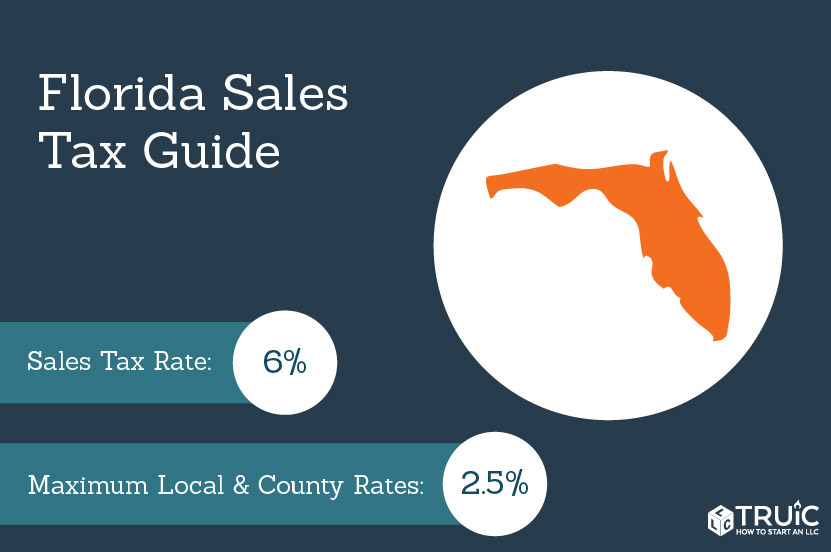
At the core of Florida’s tax structure is its statewide sales tax rate. This standard rate is 6%. This percentage is applied to the sale price of most goods and certain services across the entire state. Whether you’re purchasing a new pair of sunglasses in Miami, a souvenir t-shirt in Orlando, or a local craft in Tampa, this 6% will generally be added to your bill at the point of sale.
This base rate is a fundamental component of the state’s revenue, contributing to public services and infrastructure. For tourists, it means that the price tag you see on an item or a service might not be the final amount you pay. Always remember to factor in this 6% when calculating your spending.
Beyond the Base: Local Option Sales Surtaxes
While the 6% statewide rate is universal, the actual sales tax you pay in Florida can vary from county to county. This is due to “local option sales surtaxes,” often referred to as discretionary sales surtaxes or county surtaxes. These are additional taxes that individual counties are permitted to levy on top of the state’s 6% rate.
These surtaxes are typically used to fund specific local projects, such as infrastructure improvements, public transportation, or school facilities. The rates of these local surtaxes vary significantly, ranging from 0.5% to as much as 2.5% in some counties. This means that the combined sales tax rate (statewide + local surtax) could be anywhere from 6% to 8.5% depending on where you are in Florida.
For example:
- In a county with no local surtax, the sales tax would be 6%.
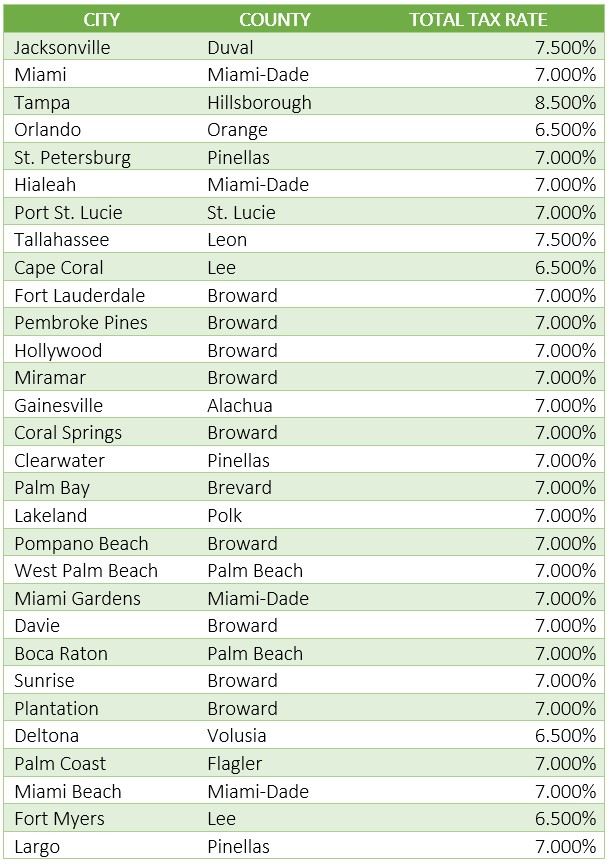
- In a county like Miami-Dade (which includes Miami), the local surtax might add an extra percentage, bringing the total to 7% or more.
- In Orange County (home to Orlando‘s major theme parks), you might find a different combined rate.
It’s crucial for tourists, especially those planning to travel across different regions of the state, to be aware that the final tax percentage can change. A purchase made in Key West might have a slightly different total sales tax than an identical purchase made in Jacksonville. When budgeting for significant purchases or planning a trip that spans multiple Florida destinations, it’s a good practice to check the specific county surtax rate for those areas. This information is typically available on the Florida Department of Revenue website or by asking local businesses.
What Tourists Pay Sales Tax On in Florida
Understanding how much sales tax is applied is one thing; knowing what it applies to is another crucial aspect for tourists. In Florida, sales tax generally applies to most tangible personal property and some specific services.
Goods and Merchandise
The most common area where tourists encounter sales tax is on the purchase of goods and merchandise. This includes a vast array of items you might buy during your trip:
- Souvenirs: From t-shirts and keychains to local art and crafts, almost all souvenir purchases will be subject to sales tax.
- Clothing and Accessories: If you decide to update your wardrobe or buy a new swimsuit while enjoying Florida’s shopping scene, sales tax will be applied.
- Electronics: Any electronic gadgets, from phone chargers to cameras, will incur sales tax.
- Prepared Food and Restaurant Meals: While unprepared groceries are generally exempt (more on this below), any food or beverages purchased for immediate consumption, such as meals at restaurants, takeout from delis, or snacks from convenience stores, are taxable. This is a significant consideration for most tourists, as dining out is a common part of the travel experience.
It’s a good habit to assume that any physical item you buy will have sales tax added to its price.
Services and Activities
Beyond physical goods, certain services and activities popular with tourists in Florida are also subject to sales tax.
- Admission Tickets: Tickets to attractions, theme parks like Walt Disney World and Universal Studios, museums, zoos, concerts, and sporting events are generally taxable. This can significantly increase the cost of family outings, especially for popular, high-priced attractions.
- Rental Charges: Renting items like cars, boats, bicycles, or even certain recreational equipment will typically include sales tax on the rental fee.
- Laundry and Dry Cleaning Services: If you need these services during an extended stay, they will be taxed.
- Repair Services for Tangible Personal Property: If you unfortunately need to repair something you own, the labor and parts for that repair may be subject to sales tax.
For major purchases such as theme park tickets or car rentals, always ensure you’re looking at the final price including tax to avoid budgeting shortfalls.
Exemptions and Special Considerations for Tourists
While many purchases are taxable, Florida does offer specific exemptions. Furthermore, tourists need to be aware of other types of taxes that may apply, particularly to accommodation.
Food Exceptions
One of the most significant exemptions for everyday budgeting pertains to food:
- Unprepared Food/Groceries: Most unprepared food items purchased at grocery stores for consumption at home (or your rental accommodation) are exempt from Florida sales tax. This includes items like fresh produce, meats, dairy products, and packaged foods intended for cooking or preparing yourself. This exemption can be a welcome relief for budget-conscious travelers who plan to cook some of their meals.
- Prepared Food: As mentioned earlier, any food or beverage prepared for immediate consumption, such as restaurant meals, takeout, hot deli items, or pre-packaged sandwiches from a convenience store, is taxable. The distinction lies in whether the food requires further preparation by the consumer.
Understanding this difference can help you save a few dollars, particularly if you’re planning a longer stay and intend to utilize a kitchen.
Understanding Tourist Development Taxes (Resort Taxes)
This is a critical distinction for tourists, as it’s a tax often confused with, or mistaken for, sales tax on accommodation. While the general Florida sales tax applies to many goods and services, your hotel or short-term rental stay typically incurs an additional tax known as the Tourist Development Tax (TDT), also commonly referred to as a “resort tax” or “bed tax.”
Here’s why it’s important:
- Separate from Sales Tax: The TDT is applied in addition to the state and local sales tax on your accommodation bill. So, you’ll see the 6% (plus local surtax) sales tax on your room rate, and then the TDT on top of that.
- Varies by County: Just like local sales surtaxes, the TDT rate is determined at the county level. These rates can vary significantly, typically ranging from 1% to 6% of the room charge. Some counties, like Orange County (Orlando), can have a significant TDT rate, impacting the total cost of a hotel stay.
- Purpose: Revenue generated from the TDT is specifically earmarked for tourism-related initiatives. This can include promoting the county as a tourist destination, funding tourism infrastructure projects, supporting convention centers, or preserving beaches and natural attractions. Essentially, it’s a tax paid by visitors that directly benefits the tourism industry they are participating in.
When booking accommodation, always look for the total price, including all taxes and fees, to get an accurate picture of your expense. Websites and booking platforms usually display these breakdowns clearly, often labeling the TDT separately from sales tax. This foresight will prevent sticker shock upon checkout.
Practical Tips for Budgeting Sales Tax on Your Florida Trip
Being informed about Florida sales tax is the first step; effectively integrating that knowledge into your travel budget is the next. Here are some practical tips to ensure your trip remains enjoyable and financially stress-free.
Factor it into Your Budget from the Outset
The most crucial tip is to always remember that the listed price for most goods and taxable services is not the final price. When you’re budgeting for souvenirs, restaurant meals, or attraction tickets, mentally add an extra 6-8.5% (depending on your location) to the advertised cost. For instance, if you’re planning to buy a $50 souvenir, realistically budget $53-$54. A $100 meal will likely cost $106-$108 before tip. Neglecting to do this can lead to overspending your allocated funds quickly.
Check Local Rates for Specific Destinations
As we’ve discussed, the combined sales tax rate varies by county. If your Florida itinerary includes multiple cities or regions, take a few minutes to research the specific sales surtax for each area. A quick search on the county’s official website or the Florida Department of Revenue website can provide this information. This is particularly important for larger purchases or extended stays in specific locales. Knowing the exact percentage will allow for more precise budgeting.
Utilize Tax Exemptions Where Possible
Take advantage of the sales tax exemption on unprepared groceries. If your accommodation includes a kitchen or kitchenette, consider buying groceries for breakfast, lunch, or even a few dinners. This not only saves you money on sales tax but also often reduces the overall cost of meals compared to dining out for every single one. Packaged snacks and beverages purchased from grocery stores for later consumption are also typically exempt, offering another small saving.
Keep Receipts and Track Spending
While perhaps not the most exciting part of a vacation, keeping your receipts, especially for larger purchases, can be invaluable. It allows you to track exactly how much you’ve spent on sales tax and helps you reconcile your budget. Many budgeting apps can also help you categorize expenses, including taxes, to give you a clearer picture of where your money is going. This practice is especially useful for business travelers who need to expense items.
Understand the Total Cost Before Committing
Whether you’re booking a hotel, reserving a rental car, or purchasing tickets for an attraction, always ensure you see the final price, including all taxes and fees, before confirming your purchase. Most reputable online booking platforms and point-of-sale systems will itemize these charges. Don’t be shy about asking if a price includes tax, especially at smaller, independent shops or when dealing with local tour operators. Transparency in pricing is key to avoiding last-minute surprises.
In conclusion, a clear understanding of Florida’s sales tax, including its statewide rate, county surtaxes, and specific exemptions, is an indispensable tool for any tourist. By factoring these costs into your budget and being mindful of how and where sales tax applies, you can enjoy all the wonders the Sunshine State has to offer without any unexpected financial hitches, ensuring a smoother, more relaxing, and truly unforgettable vacation.
LifeOutOfTheBox is a participant in the Amazon Services LLC Associates Program, an affiliate advertising program designed to provide a means for sites to earn advertising fees by advertising and linking to Amazon.com. Amazon, the Amazon logo, AmazonSupply, and the AmazonSupply logo are trademarks of Amazon.com, Inc. or its affiliates. As an Amazon Associate we earn affiliate commissions from qualifying purchases.