
For entrepreneurs dreaming of opening a vibrant restaurant, a bustling bar, a charming bed-and-breakfast, or an event venue in the Lone Star State, understanding how to navigate the complex process of obtaining a liquor license is not just a regulatory hurdle—it’s a fundamental step towards contributing to Texas‘s rich tourism and hospitality landscape. The sale of alcoholic beverages can significantly enhance a business’s revenue and appeal, drawing in both locals and visitors eager to experience Texas’s unique flavors and vibrant nightlife. However, the path to securing this privilege is intricate, governed by the stringent regulations of the Texas Alcohol Beverage Commission (TABC) and various local ordinances. This comprehensive guide will demystify the process, offering a clear roadmap for prospective business owners to successfully acquire a liquor license and thrive in the state’s dynamic economy.
Understanding the Landscape: The Texas Alcohol Beverage Commission (TABC)
The Texas Alcohol Beverage Commission, commonly known as TABC, is the state agency responsible for regulating all phases of alcoholic beverage manufacturing, distribution, and sales within Texas. Its mission is multifaceted: to ensure public safety, collect state taxes and fees, and regulate the industry responsibly. Operating a business that sells alcohol without the proper TABC permit or license carries severe penalties, including hefty fines, business closure, and even criminal charges. Therefore, the first step for any aspiring business owner is to familiarize themselves thoroughly with the TABC’s extensive rules and requirements, which can often be more demanding than expected due to overlapping state and local laws.
Dry vs. Wet Areas and Local Zoning
Before even considering a specific license type, it’s paramount to understand the local alcohol laws governing your proposed business location. Texas has a unique system where local jurisdictions (cities and counties) can hold elections to determine if they will be “wet” (allowing alcohol sales), “dry” (prohibiting sales), or “partially wet” (allowing certain types of sales, like beer and wine only). A municipality like Dallas might be wet, while a neighboring county could be dry. Even within a wet city, specific precincts or neighborhoods might have different rules. Verifying your location’s status with the city clerk or county official is a non-negotiable first step. Additionally, local zoning ordinances can dictate where businesses selling alcohol can operate, often imposing distance requirements from schools, churches, or public hospitals. Ignoring these local nuances can lead to significant delays or even outright rejection of your application.
Navigating the Permit Spectrum: Choosing the Right License
TABC offers a bewildering array of permits and licenses, each tailored to specific types of businesses and the alcoholic beverages they intend to sell. Selecting the correct permit is crucial, as an incorrect application will halt the process and cost valuable time and resources. Understanding the primary categories will help streamline your application.
Mixed Beverage Permits
This is arguably the most sought-after license for full-service restaurants, bars, and hotels. A Mixed Beverage Permit (MB) allows the sale of all types of alcoholic beverages—beer, wine, and distilled spirits (liquor)—for on-premise consumption. This is essential for establishments that aim to offer a full cocktail menu and a diverse wine and beer selection, catering to the complete dining and entertainment experience that draws tourists and locals alike to cities like Houston and Austin.
Wine and Beer Retailer’s Permits
For establishments that primarily focus on food or a more casual atmosphere and wish to offer a limited selection of alcohol, a Wine and Beer Retailer’s Permit is typically sufficient. This category includes:
- Wine and Beer Retailer’s On-Premise Permit (BG): Allows the sale of beer and wine for consumption on the premises. Ideal for cafes, bistros, or restaurants that don’t serve liquor.
- Wine and Beer Retailer’s Off-Premise Permit (BF): Allows the sale of beer and wine for consumption off the premises. This is for grocery stores, convenience stores, or specialty wine shops.
Package Store Permits
If your business intends to sell distilled spirits and wine for off-premise consumption—meaning customers purchase alcohol to take home—you will need a Package Store Permit (P). These permits are issued for liquor stores and are subject to stricter regulations regarding operating hours and location.
Other Specialized Permits
Beyond these common types, TABC also issues specialized permits for manufacturers (breweries, distilleries, wineries), wholesalers, private clubs, temporary events, and more. Each has its own set of specific requirements, and it’s essential to consult the TABC website or a legal professional to ensure you apply for the exact permit suited to your business model.
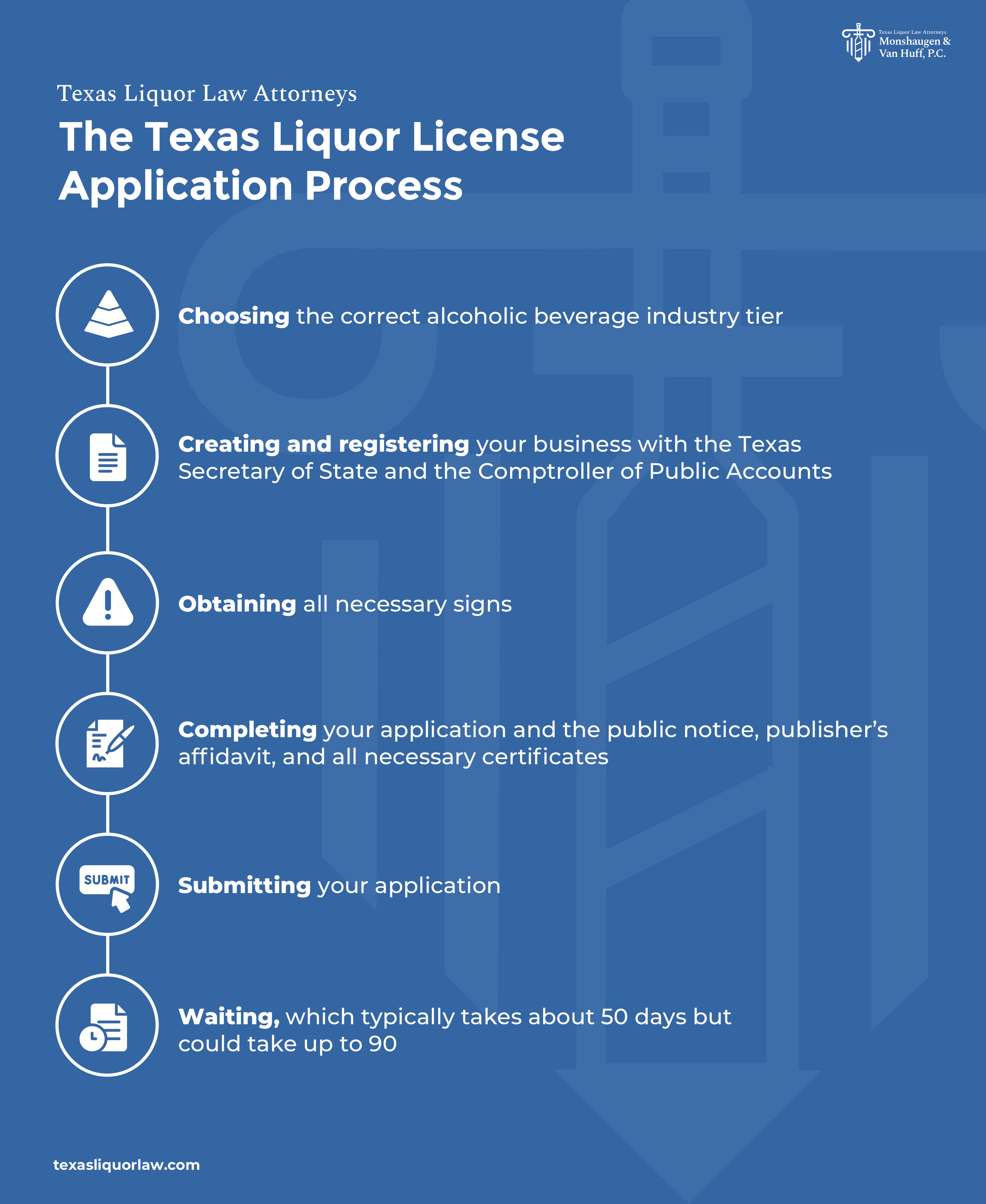
The Application Journey: Step-by-Step with TABC
The application process is notoriously thorough and can be time-consuming, often taking several months to complete. Patience, meticulous record-keeping, and proactive engagement are vital.
Pre-Application Research and Preparations
Before submitting any forms, ensure all foundational elements of your business are in place. This includes:
- Business Entity Registration: Your business must be properly registered with the Texas Secretary of State (e.g., LLC, Corporation).
- Location Secured: A signed lease agreement or proof of ownership for your premises is mandatory.
- Financial Readiness: Be prepared to demonstrate financial stability, as TABC will scrutinize your ability to operate responsibly.
- Certificate of Occupancy: Ensure your premises meet all city building codes and have a valid Certificate of Occupancy.
- Employer Identification Number (EIN): Obtained from the IRS.
Completing the TABC Application Package
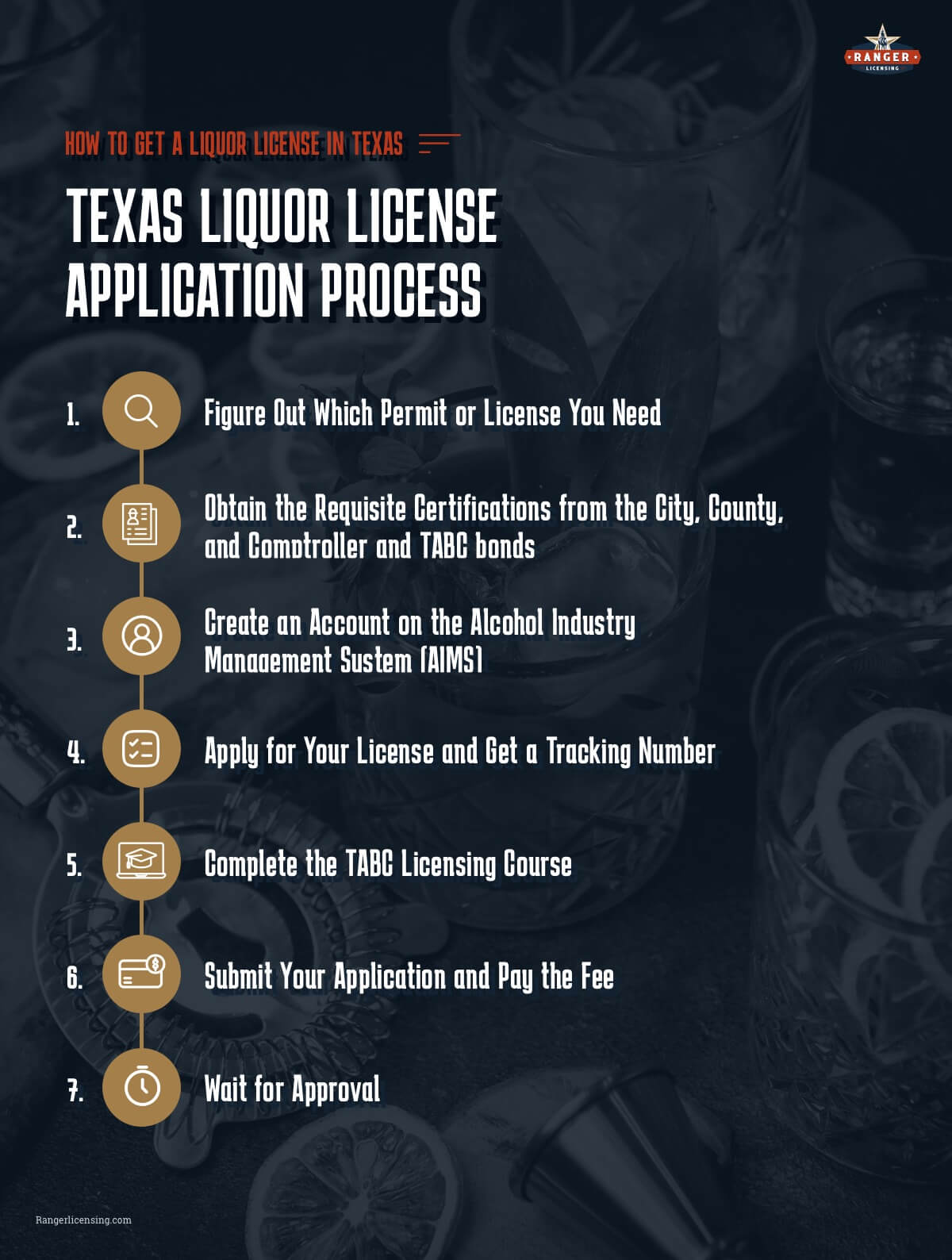
The application itself is extensive and requires a significant amount of detailed information and supporting documentation. Key components include:
- Personal Information: Comprehensive background checks for all owners, partners, and key employees (anyone with 10% or more ownership). This includes criminal history, financial disclosures, and past alcohol-related violations.
- Business Information: Details about your business structure, officers, and registered agents.
- Location Details: A precise description of your premises, including floor plans and a diagram illustrating proximity to schools, churches, and public hospitals.
- Financial Documents: Proof of funding, bank statements, and tax returns may be required.
- Local Government Certification: A form from your city or county confirming they have no objection to the issuance of the permit, often requiring separate local permits first.
Public Notification and Background Checks
Once the initial application is submitted, TABC mandates a public notification period. You will be required to post a “red sign” on your premises for a specified duration, informing the public of your intent to sell alcohol. This allows interested parties to voice objections. Concurrently, TABC conducts thorough background investigations, often involving interviews and site visits. Any discrepancies or undisclosed information can lead to significant delays or rejection.
Local Approval and Final Inspections
Even after TABC approval, local city or county permits are still necessary. These often involve separate applications, fees, and inspections by local health, fire, and zoning departments. Only after satisfying all local requirements will TABC issue the final license. A final inspection by a TABC agent ensures the premises comply with all regulations before you can legally begin sales.
Key Requirements and Potential Hurdles
Beyond the procedural steps, several critical requirements and potential challenges can impact the success of your application.
Financial Responsibility and Surety Bonds
TABC often requires applicants to demonstrate financial responsibility. This can include maintaining a surety bond, which is essentially an insurance policy guaranteeing that you will pay your state sales taxes. The amount of the bond varies depending on the type of permit and projected sales.
Proximity to Schools, Churches, and Hospitals
Texas law includes specific distance requirements for businesses selling alcohol from public schools, private schools, churches, and public hospitals. Generally, a business cannot be within 300 feet of these institutions, measured from the property line. However, local ordinances in cities like San Antonio or Austin might extend these distances or provide exceptions under certain conditions (e.g., grandfathered establishments or specific zoning overlays). Careful measurement and verification are crucial.
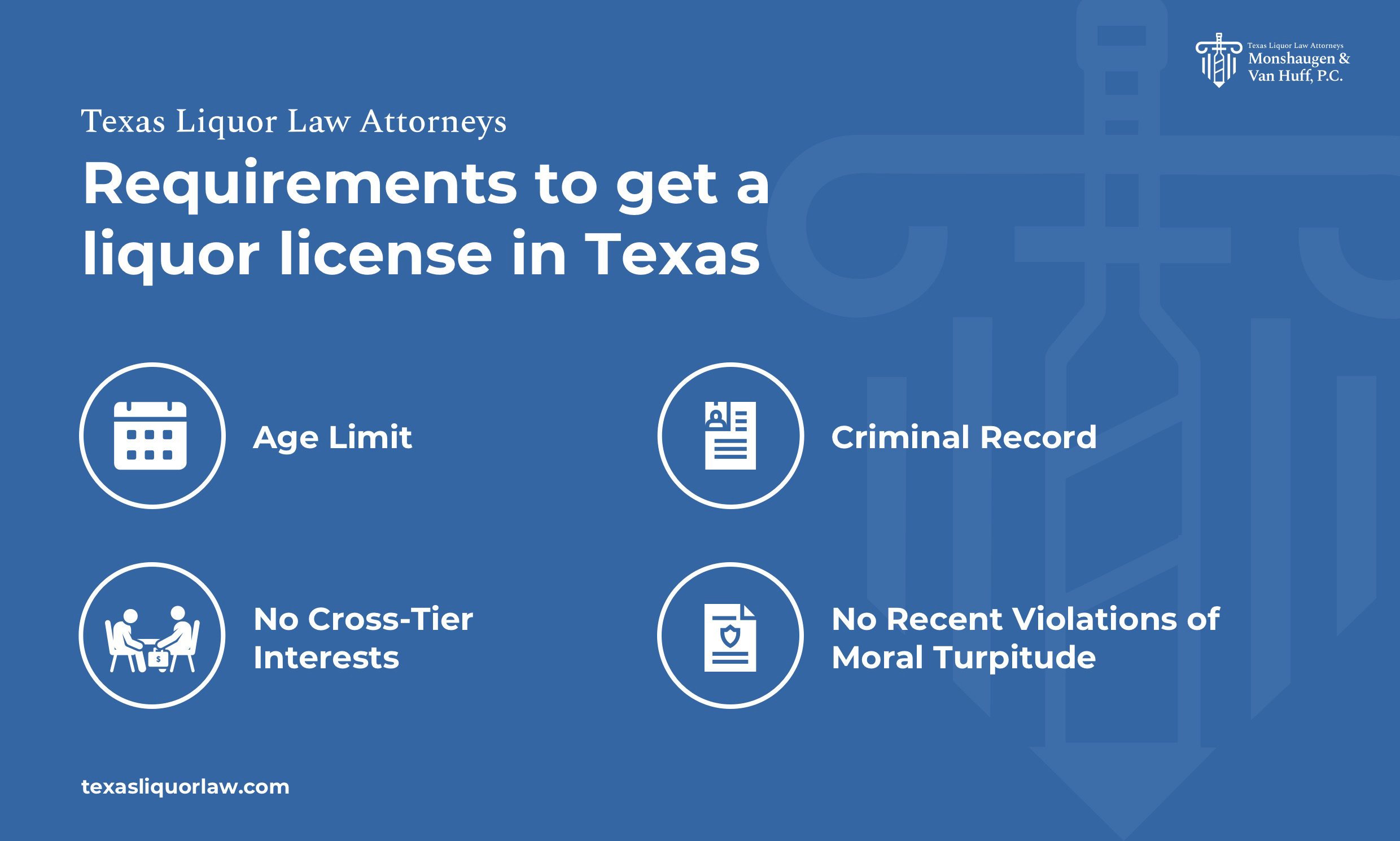
Criminal History and Moral Turpitude
Applicants, partners, and certain employees will undergo a detailed criminal background check. Individuals with felony convictions, especially those involving moral turpitude or alcohol-related offenses, may be disqualified from holding a TABC license. The commission evaluates these on a case-by-case basis, considering the nature of the offense and the time elapsed.
Maintaining Compliance and Renewals
Obtaining the liquor license is just the beginning. Maintaining compliance with TABC regulations is an ongoing responsibility critical for business longevity.
Responsible Alcohol Sales and Server Training
All employees involved in the sale or service of alcoholic beverages must be adequately trained in responsible alcohol service. Programs like the TABC Seller-Server Training help ensure staff understand how to identify intoxicated patrons, prevent sales to minors, and handle difficult situations. Failure to comply can result in severe penalties, including fines, license suspension, or even revocation.
License Renewal
TABC permits and licenses are not permanent; they typically require annual renewal. It is the permit holder’s responsibility to submit renewal applications and pay associated fees before the expiration date. Renewals also involve re-verification of information and compliance. Overlooking renewal deadlines can lead to lapsed licenses and temporary cessation of alcohol sales, severely impacting business operations.
Avoiding Violations
Common violations include selling to minors, selling to intoxicated individuals, operating outside licensed hours, and failing to maintain proper records. TABC agents conduct regular inspections and undercover operations. A single serious violation can jeopardize your license, making ongoing vigilance and adherence to all regulations paramount.
The process of securing a liquor license in Texas is undeniably complex, demanding meticulous attention to detail, adherence to strict regulations, and a proactive approach. However, for businesses aiming to fully engage with the state’s vibrant tourism and hospitality sectors, the reward of offering a complete culinary and beverage experience is substantial. By thoroughly understanding the role of TABC, carefully selecting the appropriate permit, navigating the application steps, and committing to ongoing compliance, entrepreneurs can successfully obtain their liquor license and pour their way to success in the Lone Star State. While challenging, this journey is an investment in your business’s ability to thrive and contribute to the rich tapestry of local culture and visitor experiences.
LifeOutOfTheBox is a participant in the Amazon Services LLC Associates Program, an affiliate advertising program designed to provide a means for sites to earn advertising fees by advertising and linking to Amazon.com. Amazon, the Amazon logo, AmazonSupply, and the AmazonSupply logo are trademarks of Amazon.com, Inc. or its affiliates. As an Amazon Associate we earn affiliate commissions from qualifying purchases.