
Understanding Gas Prices for Your Alabama Journey
Planning a road trip or even just navigating within Alabama requires a keen understanding of fuel costs, a significant variable in any travel budget. For those exploring the Heart of Dixie, whether heading to its vibrant cities, pristine Gulf Coast beaches, or historic rural landscapes, knowing how much to expect at the pump can make a substantial difference in overall travel expenses. Unlike fixed costs like accommodation or attraction tickets, gas prices are dynamic, influenced by a myriad of global and local factors.
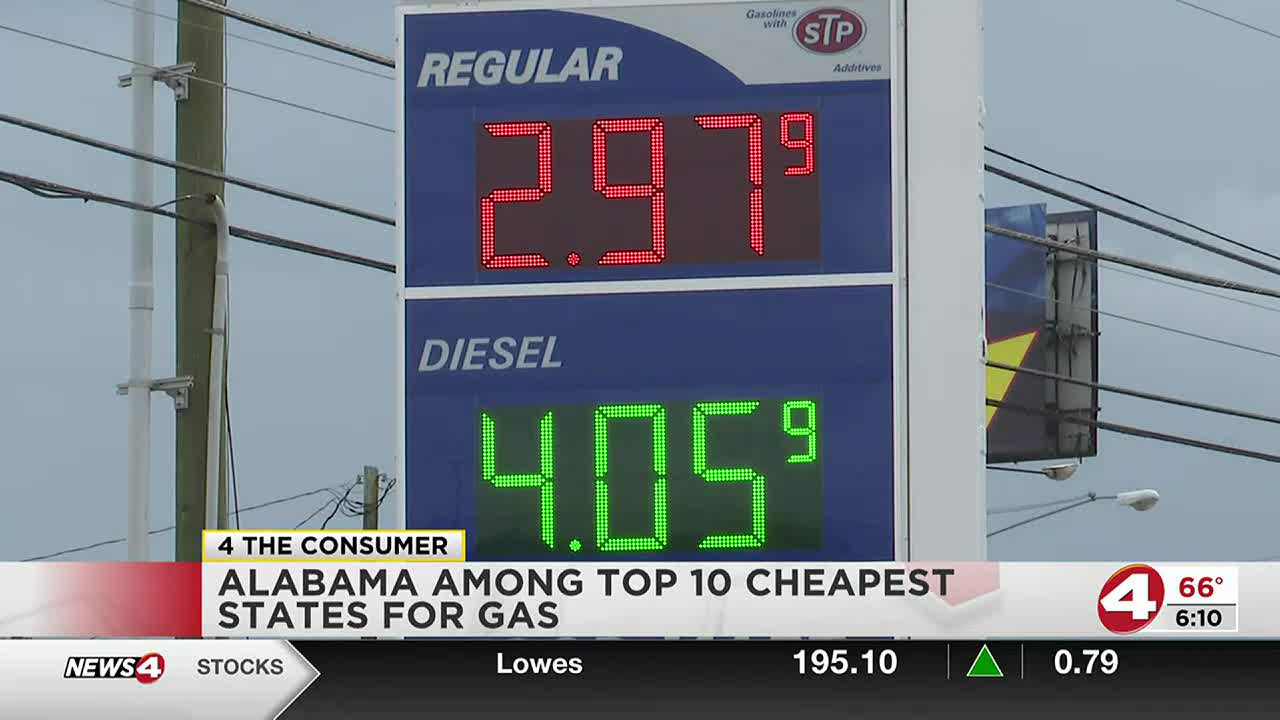
Alabama, like many Southern states, often sees competitive fuel prices compared to the national average, though this is subject to frequent change. The state benefits from its proximity to major refining centers and pipeline infrastructure, which can sometimes translate into lower transportation costs for fuel. However, this advantage can be offset by surges in demand during peak travel seasons or disruptions in supply. Travelers should view gas prices not as a static number, but as a fluctuating expense that requires active monitoring and strategic planning. Understanding the general trends – when prices tend to rise, where they are typically higher, and how to find the best deals – empowers travelers to manage their budget effectively and enjoy their Alabama adventure without unexpected financial strains. This insight is particularly vital for extended stays or for those embarking on ambitious itineraries that cover significant distances across the state’s diverse regions.

Factors Influencing Gas Prices Across the Heart of Dixie
The cost of fuel in Alabama is a complex calculation influenced by several key factors, ranging from state-specific regulations to broader economic forces. Understanding these elements can help travelers anticipate price movements and budget more accurately for their journey.
State Taxes and Regulations
One of the most direct influences on gas prices is state taxation. Alabama levies a state excise tax on gasoline, which contributes a notable portion to the final pump price. This tax, combined with federal excise taxes, forms a baseline cost before other market factors come into play. When comparing Alabama’s prices to neighboring states like Georgia or Mississippi, differences in state tax rates can explain a significant portion of the price disparity. Travelers might notice that crossing state lines can sometimes lead to an immediate shift in prices, making it worthwhile to plan fuel stops strategically, particularly when entering or exiting Alabama on a multi-state trip. Regulatory requirements for fuel blends, though less impactful in Alabama than in some environmentally sensitive regions, can also contribute subtly to supply costs.
Regional Variations Within Alabama
While Alabama generally maintains competitive fuel prices, significant variations can occur within the state itself. Major metropolitan areas like Birmingham, Montgomery, and Mobile often see slightly different pricing dynamics. In cities, the sheer volume of gas stations and intense competition can sometimes drive prices down. Conversely, gas stations located in highly convenient, high-traffic areas, such as along interstates or at popular tourist hotspots like Gulf Shores and Orange Beach, may charge a premium due to captive demand. Rural areas, particularly those with fewer stations or more isolated locations, can also experience higher prices due to increased transportation costs and reduced competition. Proximity to major pipeline hubs or refineries can also influence local pricing, as it reduces the cost of bringing fuel to the pumps.
Seasonal Fluctuations and Demand
The time of year dramatically impacts gas prices. Demand typically surges during the summer months when families embark on road trips, students are out of school, and vacation travel is at its peak. Holidays, regardless of the season, also spur increased travel and consequently higher fuel demand, leading to price hikes. Memorial Day, July 4th, Labor Day, Thanksgiving, and Christmas are almost guaranteed to see elevated prices. Beyond predictable travel seasons, external factors like hurricane season, particularly impacting the Gulf Coast region where many refineries are located, can cause sudden and sharp price increases due to potential disruptions in production or distribution. Global oil prices, geopolitical events, and even refinery maintenance schedules can also ripple down to affect what travelers pay at the pump in Alabama.
Navigating Alabama’s Roads: Tips for Fuel Efficiency and Savings
Optimizing fuel consumption is a smart strategy for any traveler in Alabama, regardless of current gas prices. By adopting certain habits and utilizing available tools, visitors can significantly reduce their fuel expenses, allowing for more budget flexibility for attractions, dining, or souvenirs.
Planning Your Route Strategically
One of the simplest yet most effective ways to save on gas is through meticulous route planning. Before embarking on your journey, take time to map out your itinerary, identifying the most direct routes between destinations. Utilize navigation apps like Google Maps or Waze, which often provide options for the most fuel-efficient routes, considering traffic patterns and road types. Avoiding unnecessary detours, idle time in traffic jams, and overly circuitous paths can shave off significant miles and gallons. For longer drives through Alabama’s scenic byways or remote areas, it’s also wise to note the locations of gas stations, as they can be sparse in less populated regions. Planning fuel stops in advance ensures you’re not caught without options and forced to pay premium prices at isolated pumps.
Finding the Best Deals on Fuel
While on the road, technology can be your best friend in locating the cheapest gas. Apps like GasBuddy, Waze, and others allow users to report and view real-time gas prices at stations nearby. This can be incredibly useful, especially in urban areas like Birmingham or Mobile, where price differences between stations just blocks apart can be substantial. A common tip is to avoid filling up directly off major interstate exits or in tourist-heavy zones like Gulf Shores, where prices tend to be higher due to convenience and demand. Venturing a few blocks into a town or city often reveals more competitive pricing at local stations.

Driving Habits and Vehicle Maintenance
The way you drive has a direct impact on your vehicle’s fuel efficiency. Gentle acceleration and deceleration, maintaining a steady speed, and avoiding excessive idling are fundamental to saving gas. Using cruise control on highways, especially across the flatter stretches of Southern Alabama, can help maintain consistent speeds and prevent unnecessary fuel consumption. Regularly checking tire pressure is another crucial, yet often overlooked, maintenance tip. Properly inflated tires reduce rolling resistance, which can improve fuel economy by up to 3%. Furthermore, ensuring your vehicle is well-maintained – with clean air filters, proper oil levels, and regular tune-ups – helps your engine run more efficiently. Reducing excess weight in your vehicle and minimizing drag from roof racks or open windows at high speeds also contribute to better mileage.
Consider Fuel Programs and Discounts
Before your trip, explore loyalty programs offered by major gas station chains that have a presence in Alabama. Many grocery store chains also offer fuel point programs that can translate into significant discounts at affiliated gas stations. Certain credit cards provide cashback or bonus points on fuel purchases, which can effectively lower your net cost per gallon. While these savings might seem minor on a single fill-up, they can accumulate substantially over a multi-day or multi-week road trip across Alabama. Planning to use a single brand or leveraging existing reward memberships can add up to meaningful savings.
Budgeting for Gas: Integrating Fuel Costs into Your Alabama Travel Plan
Integrating fuel costs into your overall Alabama travel budget is essential for a stress-free trip. By making informed estimates and setting aside a realistic amount, travelers can avoid surprises and allocate funds effectively.
Estimating your total mileage is the first step. For example, a popular itinerary might involve flying into Birmingham, driving south to Montgomery for historical sites, then heading further to the beaches of Gulf Shores and Orange Beach, before looping back north to explore natural wonders like Cheaha State Park or Little River Canyon National Preserve in North Alabama. Each leg of this journey can be calculated using online mapping tools. Once you have a rough estimate of total miles, divide that by your vehicle’s average miles per gallon (MPG) to determine the total gallons of fuel you’ll likely need. For instance, if you anticipate driving 1,000 miles and your car gets 25 MPG, you’ll need approximately 40 gallons.
Next, multiply the estimated gallons by a conservative average gas price per gallon in Alabama. It’s always wise to slightly overestimate this figure to account for potential price fluctuations during your trip. Rounding up to the nearest dollar amount for the estimated price per gallon provides a small buffer.
Finally, set aside a contingency budget. Fuel prices are volatile, and unexpected increases can occur due to global events, seasonal demand, or local supply issues. An extra 10-15% buffer on your calculated fuel cost can absorb these potential changes without derailing your travel budget. This contingency ensures that a sudden spike in prices doesn’t force you to cut back on other planned activities or experiences during your enriching Alabama journey.
Exploring Alabama: Key Destinations and Their Fuel Considerations
Alabama offers a remarkable array of destinations, each with its own unique charm and, importantly, its own fuel considerations for the traveling motorist. Understanding these nuances can help in planning an efficient and enjoyable trip.
Coastal Escapes (Gulf Shores, Orange Beach, Dauphin Island)
Alabama’s stunning Gulf Coast is a magnet for beach lovers, with popular spots like Gulf Shores, Orange Beach, and Dauphin Island offering pristine sands and warm waters. Driving within these resort towns involves frequent short trips between hotels, restaurants, and attractions. Due to high tourist demand and often fewer gas stations compared to larger cities, gas prices in these coastal areas can sometimes be at a premium, especially during peak season (summer and spring break). Travelers visiting these areas should consider filling up before reaching the immediate resort vicinities or utilizing gas price comparison apps to find the best deals within a slightly wider radius. Planning specific excursions to nearby towns or attractions can also help consolidate driving and maximize fuel efficiency for the duration of a beach vacation.
Urban Adventures (Birmingham, Montgomery, Mobile)
Alabama’s major cities—Birmingham, Montgomery, and Mobile—provide a vibrant mix of history, culture, and culinary experiences. Urban driving typically involves more stop-and-go traffic, which can reduce fuel efficiency compared to highway cruising. However, these cities also boast a high concentration of gas stations, leading to increased competition and often more competitive pricing. Travelers exploring urban Alabama will find it easier to use gas price apps to locate the cheapest fuel. Parking often entails additional costs, and for attractions within walking distance, it may be more fuel-efficient to park once and explore on foot or use local public transport where available, rather than moving the car repeatedly. Mobile’s historic downtown, Birmingham’s revitalized districts, and Montgomery’s civil rights landmarks are examples where walking or ride-sharing can be preferable.
Natural Wonders (Cheaha State Park, Little River Canyon National Preserve)
For nature enthusiasts, Alabama offers breathtaking landscapes, from the highest peak at Cheaha State Park to the majestic gorges of Little River Canyon National Preserve. Reaching these natural wonders often involves driving through more remote, rural areas. Gas stations become less frequent the deeper one ventures into these regions, and prices can sometimes be higher due to limited competition and increased transportation costs. It is highly advisable for travelers planning to explore North Alabama’s mountains or central Alabama’s wilderness areas to fill up their tanks in larger towns or cities before heading off the main highways. Running low on fuel in a remote area can lead to significant inconvenience and potentially expensive options. Always check your fuel gauge and plan your refills carefully when venturing into these beautiful, but less populated, parts of the state.
Historic Trails (Selma, Tuskegee)
Alabama is rich in history, particularly its pivotal role in the American Civil Rights Movement. Traveling historic trails, such as those connecting Selma and Tuskegee, involves driving between various significant sites and monuments. While these towns are not as remote as some natural parks, they are generally smaller than major urban centers. Gas station availability might be moderate, and prices will likely reflect regional averages, possibly without the intense competition seen in larger cities. Travelers on these educational journeys should ensure their vehicle is fueled, especially when moving between different historic locations, as some memorials or parks might be a short drive outside the main town centers. This allows for uninterrupted exploration of the profound historical narratives woven throughout these Alabama communities.
LifeOutOfTheBox is a participant in the Amazon Services LLC Associates Program, an affiliate advertising program designed to provide a means for sites to earn advertising fees by advertising and linking to Amazon.com. Amazon, the Amazon logo, AmazonSupply, and the AmazonSupply logo are trademarks of Amazon.com, Inc. or its affiliates. As an Amazon Associate we earn affiliate commissions from qualifying purchases.