
Navigating the vast expanse between Ohio and Texas is a journey that spans significant distances, offering a diverse range of experiences for the intrepid traveler. Whether you’re considering a road trip, a flight, or simply curious about the geographical separation, understanding the metrics involved is key to planning your adventure. This exploration delves into the mileage, travel times, and the unique transitional landscapes one encounters when traversing these two prominent American states.
Measuring the Miles: Direct Distances and Driving Routes
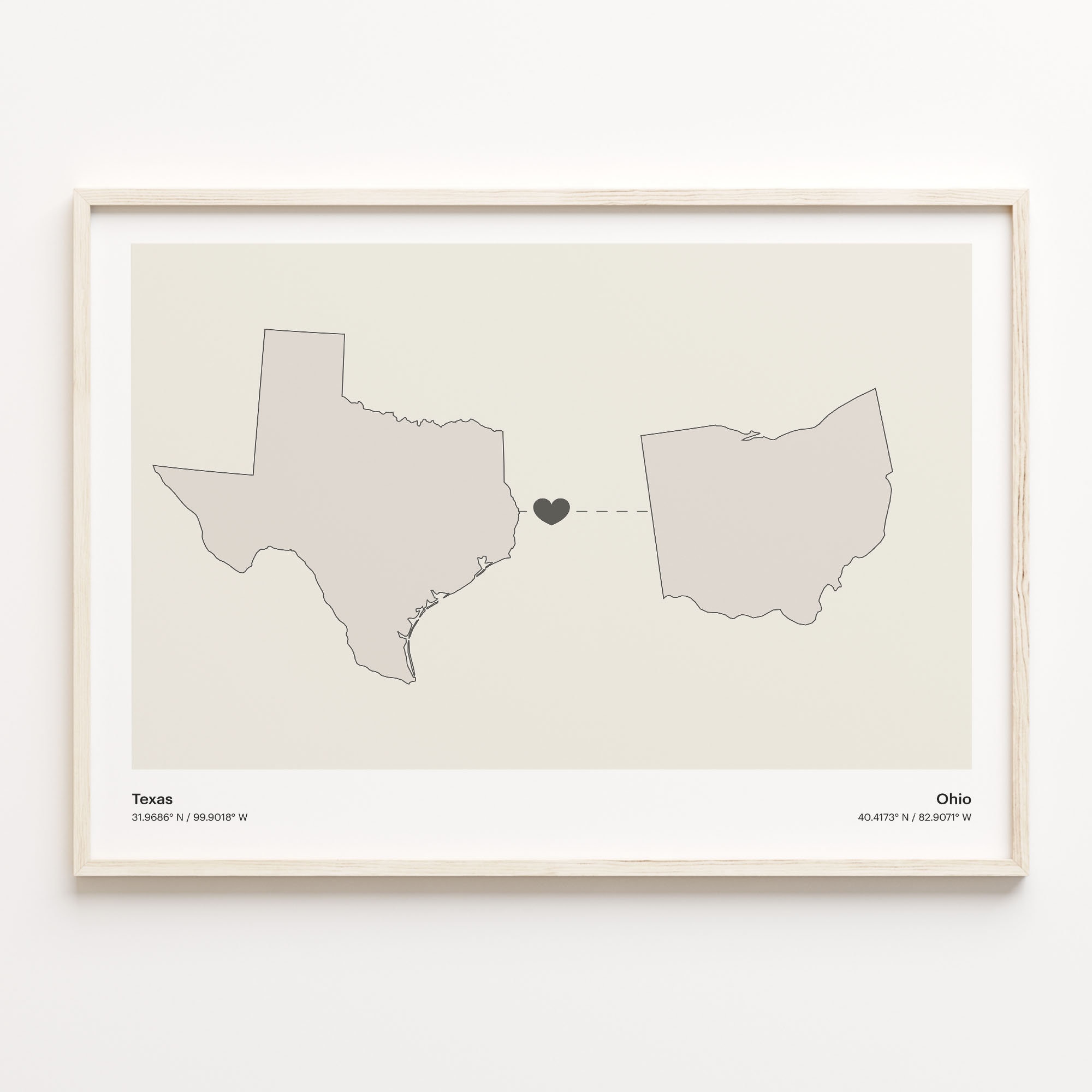
The sheer scale of the United States is often best appreciated when considering journeys between states as geographically distinct as Ohio and Texas. The most direct “as the crow flies” distance between the geographical centers of these two states is substantial, but it’s the practical driving routes that truly illustrate the commitment required for such a trip.

Straight-Line Distances vs. Road Travel
A direct, non-stop flight between major hubs like Columbus, Ohio and Dallas, Texas covers approximately 1,100 to 1,200 miles. However, for those opting for the classic American road trip, the mileage increases significantly due to the necessity of following established road networks.
The most common driving routes, often utilizing major interstates, will typically range from 1,300 to 1,500 miles, depending on the specific start and end points within each state and the chosen path. For instance, driving from the northeast corner of Ohio, near Cleveland, to the southern tip of Texas, near Brownsville, would necessitate covering considerably more ground than a trip between their respective capital cities.
Key Interstate Highways for the Journey
The primary arteries for this cross-country endeavor usually involve a combination of major interstate highways. A typical route might see travelers heading south and west via I-70 or I-71 from Ohio, connecting to routes like I-64 or I-57, before merging onto the expansive I-40 West. The journey then often continues south through states like Oklahoma via interstates such as I-35, which ultimately leads into the heart of Texas.
Alternatively, a more southerly approach might involve heading towards states like Kentucky and Tennessee before making a westward turn. The specific choice of interstates will be influenced by factors such as desired stops, traffic conditions, and personal preference for scenery. Careful planning using mapping tools is essential to optimize the driving route for efficiency and enjoyment.
The Time Commitment: Driving and Flying
Beyond the sheer distance, the temporal aspect of traveling from Ohio to Texas is a crucial consideration for any traveler. This encompasses both the time spent in transit and the potential for stops along the way.
Driving Times: More Than a Day’s Journey

A non-stop drive, assuming legal speed limits and minimal traffic, would still require a substantial investment of time. Most estimates place a direct driving time between the major population centers of Ohio and Texas at around 20 to 24 hours of pure driving. This translates to a minimum of two full days of travel, assuming 10-12 hours of driving each day.
However, for a safe and enjoyable road trip, it is highly recommended to break this journey into at least three days, if not four. This allows for proper rest, meals, and the opportunity to experience some of the attractions or towns along the route. Factors such as construction, weather delays, and the need for fuel and rest stops will inevitably add to the total travel time.
Flight Durations and Airport Logistics
For those seeking a quicker passage, flying is the most efficient option. Direct flights from major airports in Ohio, such as Cleveland Hopkins International Airport (CLE) or John Glenn Columbus International Airport (CMH), to popular Texas destinations like Dallas/Fort Worth International Airport (DFW) or Houston George Bush Intercontinental Airport (IAH) typically range from 2.5 to 3.5 hours of actual flight time.
When factoring in travel to and from airports, security checks, boarding, and potential delays, the total time spent from departure to arrival can easily approach 6 to 8 hours. This makes flying a significantly faster, albeit less immersive, way to bridge the gap between these two states.
The Transitional Landscape: A Shifting American Tapestry
The journey from Ohio to Texas is not merely a measure of distance but a passage through a shifting American landscape. As you travel south and west, the scenery undergoes a dramatic transformation, reflecting the diverse geography and climate of the United States.
From the Midwest to the South Central Plains
Leaving the rolling hills and verdant forests characteristic of Ohio and the Midwest, the landscape gradually flattens and opens up as you venture into states like Indiana, Illinois, and Missouri. Agricultural fields, dominated by corn and soybeans, give way to vast expanses of grassland.
As the route progresses further south and west, particularly through Oklahoma, the terrain begins to hint at the arid beauty of the Southwest. The skies often appear larger, and the vegetation becomes more scrub-like and adapted to drier conditions. This transition is a visual cue of the changing climate and the approach to the unique ecological zones of Texas.
Entering the Lone Star State: Diverse Terrains of Texas
Upon entering Texas, the traveler is immediately struck by the state’s sheer size and its varied geographical features. Depending on the entry point and final destination, one might traverse the piney woods of East Texas, a region reminiscent of the Deep South, or the more rolling plains of Central Texas.
Further west, the landscape transforms into the rugged beauty of the Texas Hill Country, characterized by limestone outcrops, clear rivers, and a unique blend of flora. The vast, open spaces of West Texas present an even more dramatic shift, with desert-like vegetation, dramatic mesas, and a palpable sense of isolation. The transition from the humid, temperate climate of Ohio to the diverse climatic zones of Texas, ranging from subtropical to arid, is a profound sensory experience that underscores the vastness and diversity of the American continent. This journey offers not just a change in mileage but a rich tapestry of sights, sounds, and sensations.
LifeOutOfTheBox is a participant in the Amazon Services LLC Associates Program, an affiliate advertising program designed to provide a means for sites to earn advertising fees by advertising and linking to Amazon.com. Amazon, the Amazon logo, AmazonSupply, and the AmazonSupply logo are trademarks of Amazon.com, Inc. or its affiliates. As an Amazon Associate we earn affiliate commissions from qualifying purchases.