
Texas Hold’em, the king of poker variants, captivates millions worldwide with its blend of strategy, psychology, and a touch of luck. Understanding how to “deal” in this game transcends merely distributing cards; it involves grasping the game’s flow, the responsibilities of the dealer, and how the act of dealing influences the very dynamic of play. This guide delves into the intricacies of dealing Texas Hold’em, offering insights valuable for both aspiring dealers and players seeking to understand the game from a different perspective.
The Role of the Dealer in Texas Hold’em
In Texas Hold’em, the dealer is more than just a card distributor. They are the facilitator of the game, the impartial arbiter of rules, and a crucial element in maintaining the game’s pace and integrity. The “dealer button” rotates clockwise around the table after each hand, indicating who is considered the nominal dealer for that round. This position has significant implications for betting strategy, as the player with the button acts last in most betting rounds, granting them a considerable informational advantage.
Responsibilities of the Dealer
The primary responsibility of the dealer, whether a designated house dealer or a player acting as dealer, is to manage the flow of the game efficiently and fairly. This includes:
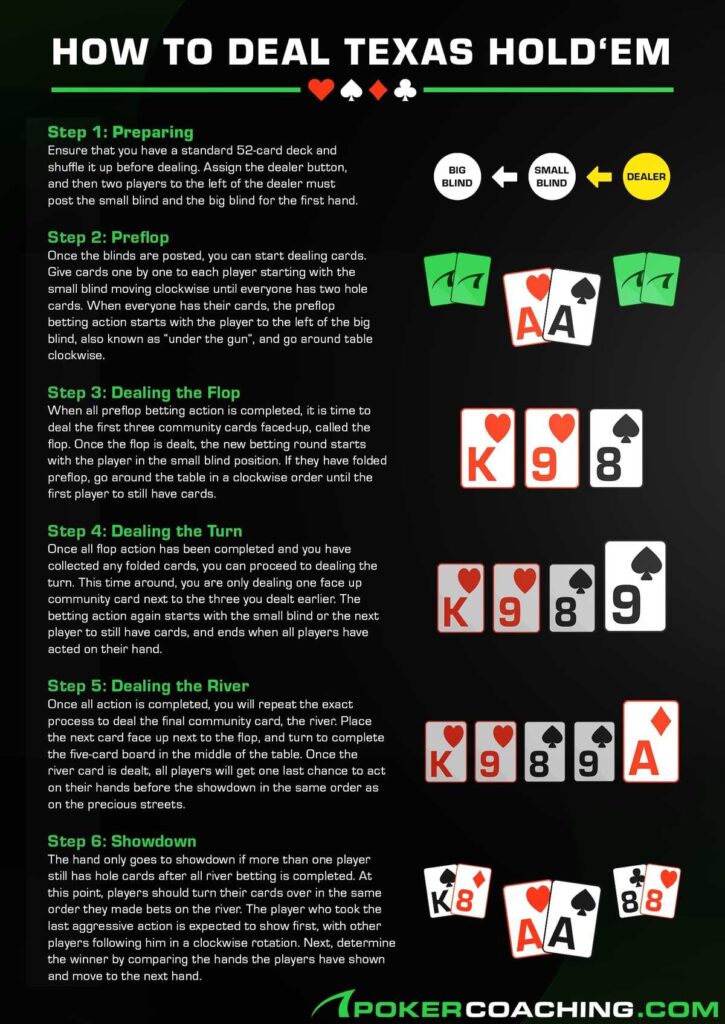
- Shuffling and Dealing Cards: The dealer must meticulously shuffle the deck to ensure randomness and then deal the cards according to established procedures. This involves distributing the hole cards to each player, followed by the community cards—the flop, turn, and river.
- Managing the Pot: The dealer is responsible for collecting and organizing bets, ensuring that the pot is accurately maintained throughout the hand. This often involves using a rake or a tray to collect the house fee, if applicable in a casino setting.
- Enforcing Rules: A thorough understanding of Texas Hold’em rules is paramount. The dealer must be prepared to address disputes, clarify betting actions, and ensure that players adhere to etiquette and game rules. This includes recognizing and calling out violations like string betting or showing cards prematurely.
- Maintaining Game Pace: A good dealer keeps the game moving smoothly. This means dealing quickly but accurately, and promptly resolving any issues that might slow down play.
- Player Interaction: While maintaining impartiality, a dealer can contribute to a positive table atmosphere through polite interaction and clear communication.
The Dealer Button’s Significance
The dealer button is the most critical positional marker in Texas Hold’em. Its movement dictates the order of play and the relative advantages players have.
- Late Position Advantage: Players positioned closest to the button (in late position) have the opportunity to observe the actions of all players before them. This allows them to make more informed decisions about their hand strength and betting strategy.
- Early Position Challenges: Players acting before the dealer button (in early position) must make decisions with less information, increasing the risk associated with their plays.
- Blinds: The players immediately to the left of the dealer button are responsible for posting the “blinds”—forced bets that initiate the betting action. The small blind is posted by the player directly to the left of the button, and the big blind by the player to their left. These blinds ensure there is always action in the pot to play for.
The Mechanics of Dealing Texas Hold’em
The process of dealing Texas Hold’em is standardized to ensure fairness and prevent errors. Whether performed by a professional dealer in a casino or a player at home, adherence to these mechanics is vital.
Preparing the Deck
Before any cards are dealt, the deck must be properly prepared.
- Shuffling: The deck is typically shuffled thoroughly, often using a technique called a “riffle shuffle” or a “wash” followed by a cut. This is done to randomize the order of the cards.
- Cutting: After shuffling, the deck is usually “cut” by a player. This involves lifting a portion of the deck and placing it on top of the remaining cards. The dealer then reunites the deck, and the bottom card of the original top stack becomes the top card of the deck. This adds another layer of randomization and ensures the dealer does not know the sequence of cards.
Dealing the Hole Cards
Once the deck is prepared, the dealing of hole cards commences.
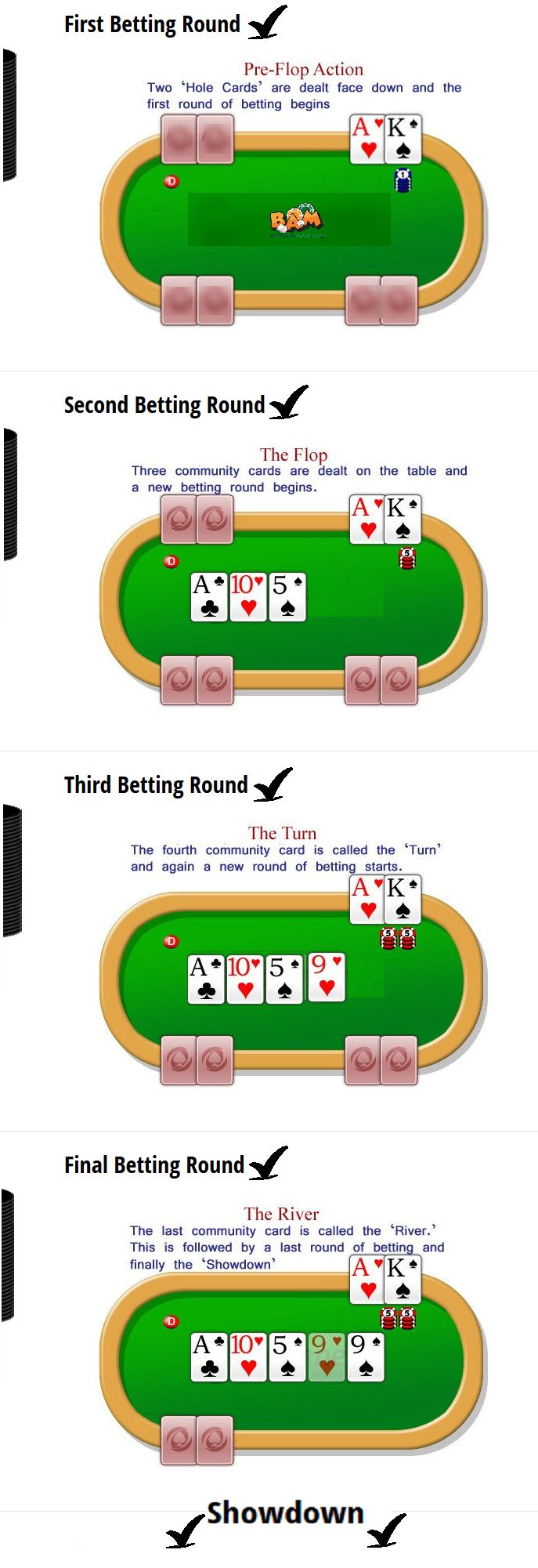
- Player Distribution: The dealer distributes two cards face down to each player, starting with the player in the small blind position and moving clockwise. Each player receives their cards one at a time.
- Card Placement: Cards are dealt to the specific spot in front of each player where they will remain throughout the hand, unless a player is instructed to show them.
The Community Cards
After the hole cards are dealt, the game progresses to the community cards, which are shared by all players.
- The Flop: After the first round of betting, the dealer “burns” a card—discards one card face down from the top of the deck. This is to prevent any potential marks or the bottom card of the deck from being recognizable. Then, the dealer places the next three cards face up in the center of the table. These three cards are known as the flop.
- The Turn: Following another round of betting, the dealer burns another card and then deals one more community card face up. This is called the turn or the fourth street.
- The River: After the third round of betting, the dealer burns a final card and deals the fifth and final community card face up. This is the river or the fifth street.
Finalizing the Hand
Once the river card is dealt and the final betting round is complete, the hand concludes with the showdown, if necessary.
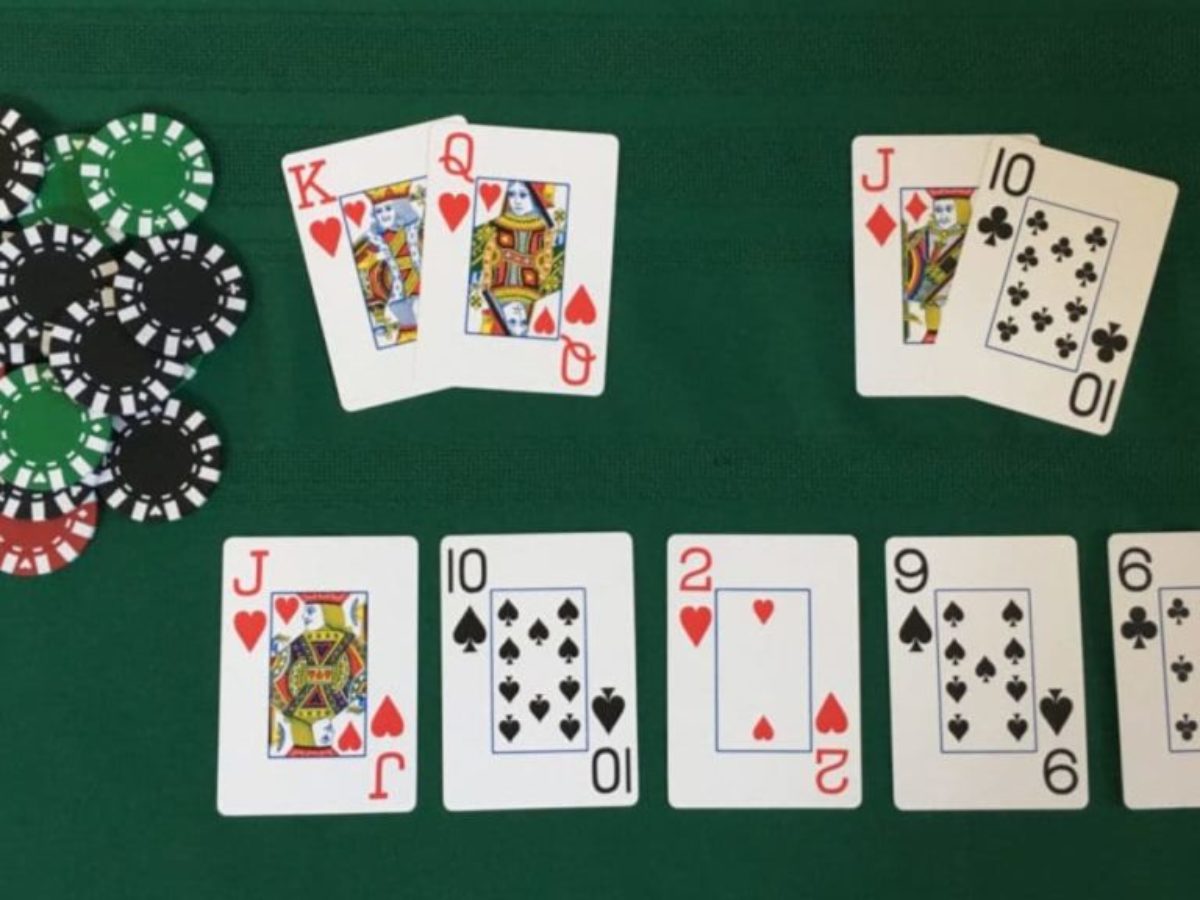
- Showdown: If more than one player remains in the hand, the player who made the last aggressive action (bet or raise) typically shows their cards first. Play then proceeds clockwise, with players revealing their hands. The player with the best five-card poker hand, using any combination of their two hole cards and the five community cards, wins the pot.
- Mucking: Players who lose the showdown, or who fold at any point before the showdown, often discard their hands face down into the muck, a designated area typically off to the side of the dealer.
Strategic Implications of Dealing and Position
The act of dealing and the resultant positional dynamics profoundly influence how Texas Hold’em is played. Understanding these implications is key to developing a winning strategy.
Positional Play
As mentioned, the dealer button’s movement dictates position. This is arguably the most critical factor in Texas Hold’em strategy, even more so than individual hand strength in many situations.
- Early Position (EP): Players in early position, such as under the gun (the player immediately to the left of the big blind), must play very conservatively. With many players yet to act, it’s easy to be outdrawn or face significant betting pressure. Only strong starting hands should typically be played from these positions.
- Middle Position (MP): As players move into middle position, they have slightly more information but still face a significant number of players to act. Hands played from middle position can be a bit looser than from early position, but caution is still advised.
- Late Position (LP): The button is the ultimate late position. Players in late position have the advantage of seeing how everyone else acts before them. This allows for more bluffing, stealing blinds, and making strategic raises or calls with a wider range of hands.
The Dealer’s Influence on Betting Patterns
The dealer’s role isn’t just mechanical; it can also subtly influence the betting action.
- Perceived Strength: A dealer who is perceived as quick and decisive can create a faster-paced game, potentially leading players to make quicker decisions. Conversely, a more deliberate dealer can encourage more thoughtful play.
- Table Talk and Dynamics: While professional dealers remain neutral, in home games, the person dealing might engage in more casual conversation, which can inadvertently reveal tells or influence the mood at the table. However, seasoned players are trained to ignore such external factors and focus solely on the cards and betting actions.
Tips for Dealing Texas Hold’em
Whether you’re hosting a home game or aspiring to become a professional dealer, mastering the art of dealing Texas Hold’em involves more than just knowing the rules.
For Home Game Hosts and Players Dealing
- Practice Card Handling: Smooth shuffling and dealing are essential for a good game. Practice these skills outside of actual play to improve dexterity and speed.
- Clear Communication: Announce betting amounts clearly, especially when dealing with varying chip denominations. State the action (e.g., “raise to X”), the number of players remaining, and the pot size to keep everyone informed.
- Fairness and Impartiality: Even in a friendly game, treat all players equally. Avoid any actions or comments that could be perceived as favoring one player over another.
- Know the Rules: Ensure all players at the table understand the basic rules of Texas Hold’em, including hand rankings and betting structure. This minimizes confusion and disputes.
For Aspiring Professional Dealers
- Formal Training: Consider enrolling in a poker dealer school or seeking training from experienced professionals. This provides structured learning and certification opportunities.
- Speed and Accuracy: Professional dealers must be adept at dealing quickly and accurately, often under pressure in a casino environment.
- Game Integrity: Upholding the integrity of the game is paramount. This involves vigilance against cheating, maintaining a neutral demeanor, and enforcing house rules consistently.
- Customer Service: In a casino setting, dealing is also a customer service role. Being polite, efficient, and helpful contributes to a positive player experience.
Variations and Considerations in Dealing
While the core mechanics of dealing Texas Hold’em remain consistent, some variations and specific considerations can arise, particularly in different playing environments.
Casino vs. Home Games
The primary difference lies in the presence of a designated house dealer in casinos, as opposed to a rotating player-dealer in home games.
- House Dealer: In a casino, a professional dealer manages the cards, the pot, and the table rules. Players focus solely on their hands and strategy. This ensures a high level of professionalism and consistency. Reputable establishments like the Bellagio Poker Room or the Commerce Casino have highly trained dealers.
- Player-Dealer: In home games, one player takes on the dealer role for a round, typically indicated by the dealer button. This player performs all dealer duties: shuffling, dealing, announcing bets, and managing the pot. When the button moves to the next player, that player becomes the dealer for the subsequent hand. This requires players to have a good understanding of the game mechanics and rules.
Dealing with Different Deck Types and Chip Sets
The type of deck and chips used can also affect the dealing process.
- Card Quality: While standard playing cards are used, some venues opt for more durable plastic cards, which can shuffle and deal slightly differently than paper cards.
- Chip Management: In home games, organizing and managing chip stacks can be a crucial part of the dealer’s role. Clear labeling of chip values and ensuring all players can easily identify their own stacks is important.
Dealing with Large Games or Tournaments
As the number of players increases, so does the complexity of dealing.
- Tournament Directors: In larger tournaments, such as those held at World Series of Poker events, a Tournament Director (TD) oversees the entire event, enforcing rules and resolving disputes. Dealers still manage individual tables, but the TD has ultimate authority.
- Multiple Decks: In extremely busy or high-stakes games, sometimes two decks are used in rotation, allowing one deck to be shuffled while the other is in play. This significantly speeds up the game.
Mastering the art of dealing in Texas Hold’em is a nuanced skill that enhances both the player’s understanding and the overall enjoyment of the game. From the precise mechanics of card distribution to the strategic implications of the dealer button, every aspect plays a vital role in the captivating world of poker.
LifeOutOfTheBox is a participant in the Amazon Services LLC Associates Program, an affiliate advertising program designed to provide a means for sites to earn advertising fees by advertising and linking to Amazon.com. Amazon, the Amazon logo, AmazonSupply, and the AmazonSupply logo are trademarks of Amazon.com, Inc. or its affiliates. As an Amazon Associate we earn affiliate commissions from qualifying purchases.