
For many, a trip to Hawaii represents the pinnacle of paradise—a dreamy escape filled with sun-drenched beaches, vibrant local culture, and unparalleled natural beauty. Travelers often meticulously plan their itineraries, from choosing the perfect resorts and booking memorable activities to mapping out excursions to famous landmarks. Yet, amidst the excitement of planning a Hawaiian getaway, one crucial expense often gets overlooked until arrival: the cost of gasoline. While the islands offer an abundance of experiences, from luxury travel to budget-friendly adventures, understanding the true cost of fuel is essential for any visitor planning to explore beyond their hotel’s immediate vicinity.
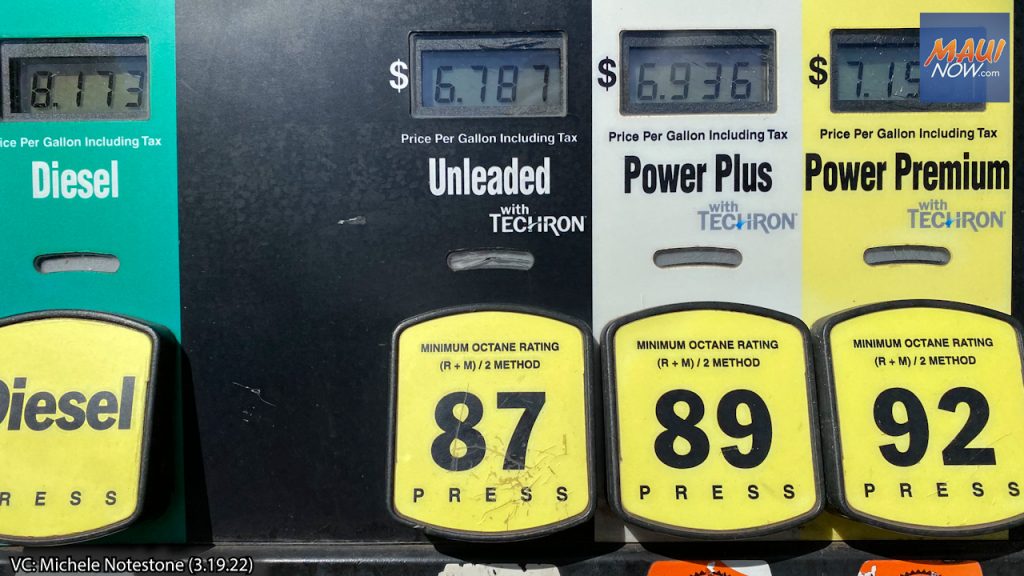
Gas prices in Hawaii consistently rank among the highest in the United States, often significantly surpassing those on the Mainland. This reality can come as a surprise to first-time visitors who are used to more moderate fuel costs. Whether you’re embarking on a family trip, a romantic escape, or even a business stay, navigating the islands often involves renting a car, making fuel an unavoidable and substantial line item in your travel budget. This comprehensive guide delves into the unique factors that drive Hawaii’s gas prices, offers practical tips for managing these costs, and provides an island-by-island breakdown to help you plan an unforgettable and economically savvy Hawaiian adventure.
The Unique Economics Behind Hawaii’s Fuel Prices
The picturesque isolation that makes Hawaii so appealing also contributes significantly to its higher cost of living, including the price at the pump. Unlike contiguous states where fuel can be easily transported by pipeline or truck, Hawaii’s unique geographic position and stringent regulations create a complex economic environment for gasoline. Understanding these underlying factors is the first step toward effectively budgeting for your island exploration.
Island Isolation and Supply Chains
At the heart of Hawaii’s high gas prices is its extreme isolation. Situated thousands of miles from the United States Mainland, crude oil and refined gasoline must be transported across vast stretches of the Pacific Ocean, primarily by ship. This maritime journey incurs significant shipping costs, which are then passed down to consumers. Once the fuel arrives at port, it must then be distributed to various storage facilities and then transported again to gas stations across the different islands—a process that involves multiple stages of handling, storage, and inter-island shipping, each adding to the final price. This intricate logistics chain, compounded by limited infrastructure and the need to maintain supply for a relatively small, dispersed population, inherently inflates costs compared to more accessible markets.
Taxes, Regulations, and Environmental Consciousness
Beyond transportation, state and county taxes play a substantial role in Hawaii’s fuel costs. The Aloha State imposes some of the highest gasoline taxes in the nation, which include a state fuel tax, environmental response tax, and various county taxes. These taxes help fund critical infrastructure projects, environmental protection initiatives, and public services that support both residents and the flourishing tourism industry. Furthermore, Hawaii’s strong commitment to environmental sustainability often translates into stricter regulations for fuel refining and distribution. While these regulations are vital for preserving the islands’ pristine natural beauty and local culture, they can add to operational costs for fuel companies, which are, again, ultimately reflected in the pump price. For travelers, especially those engaging in eco-tourism or seeking nature-based experiences, these costs contribute to the larger picture of responsible travel in a delicate ecosystem.
Limited Competition and Market Dynamics
The fuel market in Hawaii is also characterized by a relatively limited number of suppliers and refineries compared to the sprawling markets on the Mainland. Fewer players in the market can sometimes lead to less aggressive price competition among retailers. While local competition does exist, it’s often not enough to significantly drive down prices to mainland levels. Additionally, global crude oil prices, which fluctuate based on international supply and demand, have a direct and immediate impact on Hawaii’s pump prices, given the state’s reliance on imported fuel. These market dynamics mean that consumers in Hawaii are more susceptible to price swings and generally face a higher baseline cost for gasoline.
Navigating Fuel Costs on Your Hawaiian Vacation
Given the higher price of gas, smart planning is crucial for visitors to Hawaii. While exploring the islands by car offers unparalleled freedom to discover hidden gems and famous places alike, there are several strategies to minimize your fuel expenditure and ensure your budget remains focused on experiences rather than the pump.
Rental Cars: A Necessary Expense with Fuel Implications
For most visitors eager to explore beyond their hotel’s amenities, a rental car is almost a necessity, especially on islands like the Big Island or Maui where attractions are spread out. When booking your accommodation, whether it’s a luxurious resort or a budget-friendly apartment, consider options that include rental car bundles or shuttle services. When choosing a vehicle, prioritize fuel efficiency. While a convertible might seem iconic for cruising through Hawaii, a compact or hybrid car will undoubtedly save you money on gas over the course of your trip. Reviewing different car rental companies and comparing models for fuel economy can lead to significant savings. Remember, the initial rental cost is only part of the equation; factor in the estimated fuel consumption based on your planned itinerary.
Strategic Fueling: When and Where to Fill Up
Gas prices can vary even within the same island. Typically, stations in more urban or competitive areas like Honolulu (on Oahu) or Kahului (on Maui) might offer slightly lower prices than those in remote towns or along less-traveled routes. Before embarking on a long drive, such as the famous Road to Hana on Maui or exploring the vast distances of the Big Island towards Hawaii Volcanoes National Park, fill up your tank in a more populated area. Apps like GasBuddy are invaluable tools for finding the cheapest gas prices nearby, allowing you to compare options and save a few dollars at each fill-up. Avoid letting your tank run too low, especially if you’re venturing into less developed areas where gas stations might be sparse and prices even higher due to limited supply.
Exploring Alternatives to Personal Vehicles
While a rental car offers maximum flexibility, it’s not always the only option. On Oahu, for instance, TheBus provides extensive public transportation coverage, connecting major tourist areas like Waikiki with landmarks such as Pearl Harbor and other local attractions. Many resorts and hotels also offer shuttle services to and from airports, popular beaches, and nearby shopping centers, reducing the need for daily car use. Ride-sharing services like Uber and Lyft are available in the more populated areas of Oahu, Maui, and the Big Island, offering a convenient alternative for shorter trips or evenings out, without the hassle of parking or the expense of gas. For those focusing on specific areas, consider walking or biking as a way to immerse yourself in the local culture and enjoy the scenery at a leisurely pace, contributing to a more sustainable and budget-friendly lifestyle.
A Snapshot of Gas Prices Across the Islands
The cost of gas can vary not only by day or station but also significantly from one Hawaiian island to another. These variations are influenced by factors like population density, competitive landscape, and the specific logistical challenges of each island. Knowing these differences can help you refine your travel plans and manage expectations.
Oahu: The Urban Core and Tourist Hub
As the most populated island and home to Honolulu and Waikiki, Oahu generally sees slightly more competitive gas prices than its smaller counterparts. With a larger number of gas stations and a higher volume of traffic, there’s more incentive for retailers to keep prices somewhat in check. However, “in check” for Hawaii still means significantly higher than the Mainland. Travelers can expect prices to be relatively consistent across the metropolitan areas, but venturing to the North Shore or other less developed parts of the island might see a slight bump. For visitors staying primarily in Waikiki, the reliance on a car might be less, given the walkability and public transport options, potentially reducing overall fuel spend.
Maui: The Valley Isle’s Price Spectrum
Maui, renowned for its stunning beaches and iconic drives like the Road to Hana, typically experiences gas prices that are a bit higher than Oahu’s. The primary population centers of Kahului, Lahaina, and Kihei will offer the most options for fueling up. However, as you head towards more remote areas, especially along routes to popular landmarks and natural attractions, gas stations become scarcer, and prices tend to climb. Planning your fuel stops strategically before long scenic drives is paramount on Maui to avoid both running out of gas and paying exorbitant prices in isolated locales.
The Big Island of Hawaii: Sprawling Drives and Varying Costs
The Big Island, or Island of Hawaii, lives up to its name, requiring extensive driving to explore its diverse landscapes, from the volcanic terrains of Hawaii Volcanoes National Park to the stargazing summit of Mauna Kea. Due to the vast distances between towns, gas consumption will likely be higher here than on any other island. Prices can vary significantly between the Kona and Hilo sides of the island, with Kona often seeing slightly higher prices. It’s crucial to factor in these long drives when budgeting for fuel and to fill up whenever you see a station, especially if your itinerary involves venturing into less populated regions.
Kauai: The Garden Isle’s Charm and Challenges
Kauai, known for its lush landscapes, dramatic cliffs of the Na Pali Coast, and the grandeur of Waimea Canyon, presents its own set of fuel price challenges. With fewer gas stations concentrated primarily around Lihue and Kapaa, prices tend to be among the highest of the main islands. Travelers exploring the northern or western reaches of Kauai should ensure their tanks are full before embarking on scenic drives, as options for refueling become very limited. The island’s intimate size allows for thorough exploration, but the cost of getting around needs careful consideration.
Molokai and Lanai: Seclusion Comes at a Price
For those seeking the ultimate escape to the less-traveled islands of Molokai and Lanai, prepare for significantly higher gas prices. These islands have very few gas stations (sometimes just one or two, for example, in Kaunakakai on Molokai or Lanai City on Lanai), and their extreme isolation and limited commercial activity translate directly into premium fuel costs. While vehicle rentals are often necessary to navigate these islands, the total fuel consumption might be lower due to smaller areas and fewer roads to explore. However, the per-gallon cost will be at the very top of Hawaii’s spectrum.
Integrating Fuel Costs into Your Hawaiian Travel Budget
Understanding Hawaii’s gas prices is just one piece of the puzzle; the real challenge lies in integrating these costs seamlessly into your overall travel budget. A well-planned budget allows you to fully enjoy your experiences, whether you’re indulging in luxury travel or adhering to a strict budget travel plan, without financial surprises.
Estimating Your Daily and Trip-Long Fuel Expenses
To accurately budget for gas, consider your itinerary. How many miles do you anticipate driving each day? Will you be taking long scenic routes or primarily staying close to your accommodation? A general rule of thumb is to estimate your average daily mileage and then use an online gas cost calculator, factoring in Hawaii’s average gas prices (which you can check online before your trip). For example, if you plan to drive 50 miles a day in a car that gets 30 miles per gallon, and gas is $5.00 a gallon, you’d spend about $8.33 on gas daily. Over a seven-day trip, that’s nearly $60.00. While this might seem modest, it adds up quickly, especially on islands like the Big Island where daily mileage can easily exceed 100 miles. Don’t forget to factor in any planned excursions to distant landmarks or activities, as these will significantly increase your fuel needs.

Beyond the Pump: The Holistic View of Travel Costs
Gasoline costs are merely one component of a larger travel budget. A comprehensive financial plan for your Hawaiian vacation should encompass flights, accommodation (from hotels and suites to resorts, apartments, or villas), dining (experiencing local food is a must!), and, of course, the wide array of activities and attractions Hawaii offers. When comparing hotels or considering long-term stay options, remember that choosing a location with easy access to public transport or shuttle services, or one that bundles a rental car into the rate, might offer better overall value despite potentially higher upfront costs. Always read reviews and compare prices not just for individual elements but for comprehensive packages. A few dollars saved at the pump can free up funds for an extra snorkeling trip, a traditional luau, or a special meal, enhancing your overall experience and truly embracing the local culture.

Maximizing Your Hawaiian Adventure (Smart Planning Tips)
While the cost of gas in Hawaii can be a significant factor, it shouldn’t deter you from experiencing the magic of the islands. With smart planning and a few strategic choices, you can manage your fuel budget effectively and still enjoy an incredible, unforgettable journey.
Package Deals and Bundles
One of the most effective ways to mitigate various travel costs, including potentially a portion of your car rental and by extension, fuel, is by looking for package deals. Many travel agencies and online platforms offer bundles that combine flights, hotels, and rental cars. While these might not directly discount your gas purchases, the overall savings on the rental car can free up more budget for fuel. When booking, compare different bundles and read the fine print to understand what’s included and if there are options for more fuel-efficient vehicles. For business stays, these packages can also simplify expense tracking and optimize corporate travel budgets.
Prioritizing Experiences Over Excessive Driving
Hawaii is about immersing yourself in the destination, not just driving through it. Instead of trying to see every single landmark on an island in one day, group your activities geographically. Spend dedicated days exploring specific regions, minimizing back-and-forth travel. Consider dedicating a day to walking tours in walkable cities like Honolulu or Lahaina, or using shuttle services provided by your resort to local attractions. Embrace local culture by exploring nearby beaches, shops, and restaurants on foot, reducing your reliance on a car. This approach not only saves on gas but also allows for a deeper, more relaxed appreciation of your surroundings and offers unique travel experiences.
Embrace the Spirit of Aloha, Responsibly
Ultimately, a trip to Hawaii is an investment in unforgettable memories. While gas prices are higher, they are part of the unique economic landscape of this isolated paradise. By understanding why costs are elevated and implementing smart budgeting strategies—from choosing fuel-efficient rental cars to strategic fueling and exploring alternative transportation—you can ensure that fuel expenses don’t detract from your enjoyment. Focus on sustainable travel practices, support local businesses, and immerse yourself in the natural beauty and warm hospitality. With careful planning and a responsible approach to exploration, your Hawaiian adventure, whether a luxurious escape or a budget-friendly family trip, will be everything you dreamed of and more. The cost of gas is simply one small facet of the incredible experience awaiting you in the land of Aloha.
LifeOutOfTheBox is a participant in the Amazon Services LLC Associates Program, an affiliate advertising program designed to provide a means for sites to earn advertising fees by advertising and linking to Amazon.com. Amazon, the Amazon logo, AmazonSupply, and the AmazonSupply logo are trademarks of Amazon.com, Inc. or its affiliates. As an Amazon Associate we earn affiliate commissions from qualifying purchases.